Support

Grau Bridge

About

Grau Bridge (Puente Miguel Grau) is one of the iconic architectural landmarks of the city of Arequipa, located in Peru. This historic stone bridge, spanning the Chili River, is not just an important transport artery connecting city districts but also a true jewel of the historic center. Its monumental appearance and classic arched design attract both locals and travelers alike.
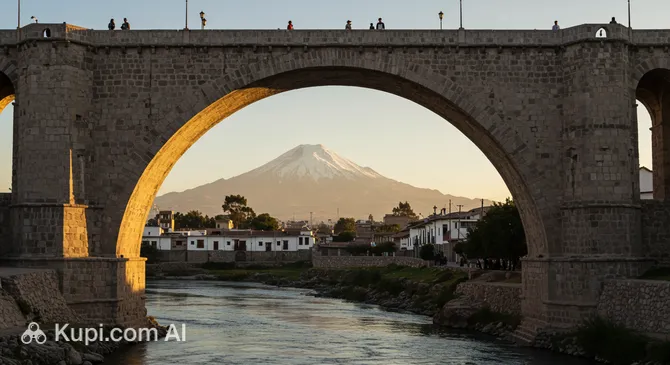
Grau Bridge. Illustration.
Source: Kupi.com AI

Traveller photos:

The bridge's architecture deserves special mention. Built of stone, it resembles ancient Roman aqueducts and bridges, highlighting its engineering and historical value. The sturdy and elegant construction fits harmoniously into the surrounding landscape, creating a picturesque scene alongside the rushing Chili River and its green banks.

Beyond its primary function, Grau Bridge serves as a popular spot for walks and photo sessions. From here, you can enjoy magnificent panoramic views of Arequipa's historic center as well as the majestic volcanoes surrounding the city. A walk across the bridge allows you to fully experience the atmosphere of this unique Peruvian city and capture unforgettable memories.

Contacts

Grau Bridge is a historic architectural landmark open for visiting at any time, so it does not have a specific phone number or information office. It is located in the city of Arequipa, and the easiest way to reach it is on foot from the city center. You can easily find the bridge while walking along the waterfront or by using online maps.

How to contactContact
AddressJF46+VFQ, C. Puente Grau, Arequipa 04013, Peru

What to Do

Grau Bridge is not just an engineering structure but one of the best observation points in Arequipa. The main activity here is a leisurely walk, offering breathtaking panoramic views. From the bridge, you can admire the Chili River, the city's historic center, and the majestic volcanoes that surround it. This place is a real find for photographers, as it offers great shots, especially at sunrise or sunset when the sunlight paints the city in warm tones.

The bridge often becomes a key point on walking tours of Arequipa's historic center. It serves as a convenient starting point for further exploration of the city. From here, it's easy to reach iconic sites such as the main square, the Santa Catalina Monastery, and the Church of San Francisco. Walking across Grau Bridge lets you feel the city's unique atmosphere and take a short break to enjoy the views before continuing your journey through the treasures of Peru.

Getting There

Grau Bridge boasts an extremely convenient location in the heart of Arequipa, making it easily accessible for travelers. The most pleasant and simple way to reach it is on foot. From the city's main square, Plaza de Armas, the walk will take only 5–10 minutes. You simply need to follow the scenic street leading straight to the Chili River, and you will soon arrive at your destination.

If you are in a more remote area or prefer comfort, you can easily reach Grau Bridge by taxi. Additionally, public transport routes lead to it, allowing you to get here from anywhere in Arequipa. Thanks to its central position, the bridge is often included in sightseeing tours and independent walks through the historic center, so you can easily add it to your itinerary for exploring this beautiful city in Peru.

Nearest city: Arequipa

History & Facts

Grau Bridge (Puente Grau) is not just a functional structure connecting the banks of the Chili River, but a true historical symbol of the city of Arequipa. Its construction began in 1884 and was completed fourteen years later, in 1898. Since its opening, the bridge has become an integral part of the urban landscape and a witness to many important events in the region's life.

The bridge's architectural style deserves special attention. It is a classic example of a stone arch bridge, characteristic of late 19th-century engineering. Massive stone supports and the use of rustication (stone processing with a textured face) give the construction a sense of monumentality and grandeur, evoking associations with ancient Roman engineering masterpieces. This sturdy and elegant structure is a prime example of the construction traditions of its time.

The bridge was named in honor of Admiral Miguel Grau Seminario, one of the most revered figures in the history of Peru and a national hero. Thus, the bridge is both an architectural and a memorial monument, immortalizing the name of this outstanding Peruvian.

Over its century-long history, Grau Bridge has been tested many times, including by the strong earthquakes characteristic of this region. However, thanks to the quality of its construction, it has managed to preserve its historical structure and integrity. Today, it continues to serve as an important transport artery for the city while remaining one of the key attractions, drawing travelers with its picturesque views and rich history.

Time Needed

You won't need much time to see Grau Bridge. If you plan to simply walk across it, enjoy the views of the Chili River, and take a few memorable photos, 20–40 minutes should be plenty. This time will be enough for a leisurely stroll and to appreciate the bridge's construction.

However, it's worth noting that Grau Bridge is part of Arequipa's picturesque historic center. Many tourists prefer to combine their visit with a longer tour of the surrounding area. If you want to do more than just take a quick look and instead immerse yourself in the atmosphere of the old city, it is recommended to set aside about 1–2 hours for a walk in this district. This way, you can fully appreciate the charm of the place.

Working Hours

Grau Bridge is an important part of Arequipa's urban infrastructure, so it is open to visitors 24 hours a day, year-round. You can walk across it at any time convenient for you, whether it's early morning to enjoy the silence or evening when the city lights come on.

Since it is a public structure, no tickets or advance reservations are required to visit. Access to the bridge is completely free, allowing tourists and locals to enjoy the views without any restrictions.

Open 24/7

Nearby

Visiting an iconic landmark like Grau Bridge is just the starting point for exploring the city. To truly feel the atmosphere of Arequipa, it's worth exploring its surroundings. A stroll through the nearby streets can reveal hidden gems: from cozy cafes and unique museums to other architectural monuments that together create the unique character of this Peruvian city.

The area around Grau Bridge is rich in interesting places within walking distance. This is a wonderful opportunity to create a full itinerary for a few hours or even a whole day, moving smoothly from one impression to another and diving deeper into the history and culture of Peru.

NameDistance
Monastery and Museum of La Recoleta0.3 km
Mundo Alpaca0.4 km
Santa Catalina Monastery0.4 km
La Casona Forum0.5 km
Zig Zag0.5 km
Masamama Bakery & Mill0.5 km
El Portal de San Lázaro Hotel0.5 km

Reached the bottom of the page?

Looks like you know this route inside out