Support

Ex-Island alacrán

About

Opposite the majestic Morro hill in the port of Arica lies a unique site — Alacrán Island (or Alacrán Peninsula). This territory, once a separate piece of land in the Pacific Ocean, is now an important historical and natural monument of Chile. In the 1960s, the island was connected to the mainland by a man-made dam, turning it into a convenient area for walking and active recreation.
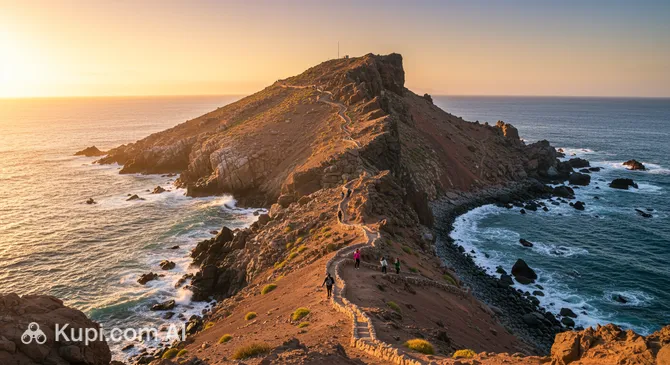
Scorpion Island (Isla Alacrán). Illustration.
Source: Kupi.com AI

Traveler photos:

Covering nearly 50,000 m², this place combines the rugged beauty of coastal cliffs with echoes of the past. In 1985, it was declared a National Monument due to the preserved fragments of fortifications. Today, the peninsula serves as a natural barrier protecting the city harbor from powerful waves and is a favorite spot for both historians and sports enthusiasts.

Visitors are drawn here not only by the ruins of ancient forts but also by breathtaking panoramic views. The shores of the former island offer one of the best vantage points of the city and port, while the northern part of the peninsula has become home to a prestigious yacht club. It is a place where history literally meets the power of the ocean.

Contacts

To plan your visit to this attraction, please check the basic contact information. Below are the current contact details and the address of the site.

How to contactContact
AddressNelson Mandela, Arica, Arica y Parinacota, Чили
Websitewww.monumentos.gob.cl

What to Do

There is something for everyone on the peninsula. The main magnet for active tourists is the southern shore, home to the famous Alacrán Beach. This place is a true mecca for surfing and bodyboarding enthusiasts. Due to the unique topography, powerful waves form here, hosting annual international competitions like the Arica Chilean Challenge.

For those who prefer a more relaxed pace, a walk to the historical fortifications is a must. Exploring the ruined defenses and cannon platforms allows you to literally touch the defensive past of the region. Don't forget to bring your camera: the panoramic views of Morro de Arica and the vast Pacific Ocean, especially at sunset, are simply magical.

In the northern part of the peninsula, you can watch elegant vessels at the Yacht Club or go birdwatching. The island still attracts many seabirds, which are fascinating to observe in their natural habitat. It's an ideal space to enjoy the fresh sea air and silence away from the city's hustle and bustle.

Getting There

Getting to this picturesque spot on the city map is quite easy. Alacrán Island is located directly in the port area, right across from the majestic Morro hill. The main route follows the southern Avenida Comandante San Martín, which smoothly transitions into the man-made dam connecting the former island to the mainland.

If you are staying in the center of Arica, the walk to the peninsula will take about 20–30 minutes (a distance of approximately 2–3 km). This is a great way to enjoy the sea breeze and waterfront views. You can also use taxi services or local buses that run towards the port and beaches.

For those who prefer active travel, the site is easily accessible by bicycle. Many city sightseeing tours include a visit to this national monument in their itineraries, providing comfortable transfers and guide accompaniment.

Nearest city: Arica

History & Facts

The history of this place is rooted in deep antiquity. As early as the 1st–2nd centuries AD, members of the Camanchaca coastal culture used the island for fishing, as evidenced by archaeological finds of bone harpoons and fishhooks. For a long time, the primary wealth of this land was guano—a valuable fertilizer that was mined here on an industrial scale until the mid-20th century.

During the colonial era, the island acquired a sterner status. After the suppression of the Tupac Amaru II rebellion in 1781, it served as a prison for the insurgents. Later, recognizing the strategic importance of the site, military authorities began building fortifications. In 1866, powerful forts with underground casemates and an arsenal in a cave were designed; however, the devastating earthquake of 1868 prevented the construction from being fully completed.

The location took on its modern appearance in 1964–1965, when the Chilean government decided to build a dam. This turned the island into a peninsula and changed the local ecosystem forever: due to the connection with the land, many seabirds left their nesting grounds. In 1985, Alacrán Island and the remains of its historical fortifications were officially recognized as a National Monument of the country, preserving the memory of the region's heroic and complex past.

Time Needed

To explore Alacrán Island at a leisurely pace, 1–2 hours is sufficient for most travelers. This is plenty of time to walk along the coast, examine the ruins of ancient fortifications, and take commemorative photos against the backdrop of the ocean.

If you plan to dedicate time to water sports, relax on the southern beach, or simply want to observe the seabirds for longer and wait for the sunset, you should budget half a day. The place is ideal for contemplative relaxation and peaceful walks to the sound of the surf.

Working Hours

The territory of the Alacrán Peninsula is open to visitors daily. The officially established opening hours are from 06:00 to 19:30, allowing you to enjoy both early sunrises and picturesque evening twilights.

There are no restrictions on days of the week; however, before your visit, it is recommended to check the official website of Chile's National Monuments to see if any archaeological work or special sporting events are taking place on the grounds.

06:00–19:30

Nearby

A visit to the Alacrán Peninsula can easily be combined with exploring other interesting sites. The surrounding area is rich in both historical monuments and cozy spots for relaxation, which will help you fully experience the atmosphere of the northern coast.

Iconic city sites, including the famous Morro hill and cultural centers, are just a few minutes' walk or a short drive away. Below is a list of nearby attractions:

NameDistance
Museum of History and Arms0.8 km
Christ of Concord in Arica0.8 km
Morro de Arica0.9 km
El Laucho Beach1 km
Colón 10 Site Museum1.1 km
Vicuña Mackenna Square1.1 km
St. Mark's Cathedral1.2 km

Reached the end of the page?

That means the route is fully explored