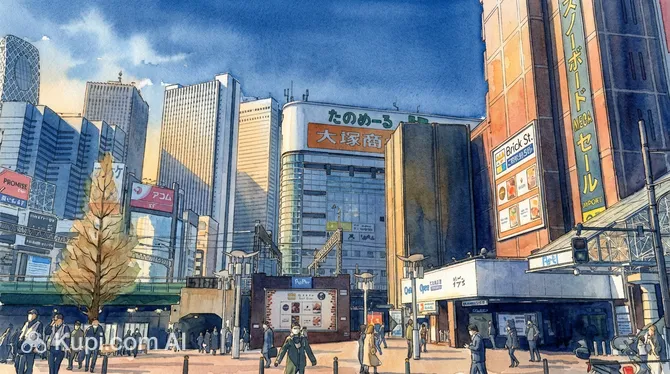
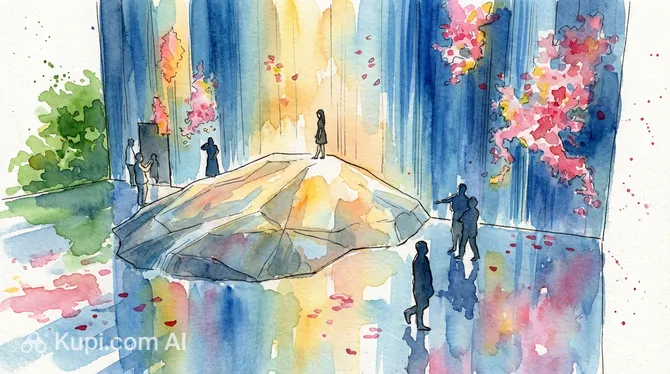
Tokyo is not just the capital of Japan, but a mind-blowing metropolis where futuristic skyscrapers and silent Shinto shrines coexist in perfect balance. As the political and economic heart of the country, this city is striking in its scale: home to about 37.7 million people, it is one of the most populous metropolitan areas in the world. Located on the shores of Tokyo Bay, the city beckons travelers with its unique atmosphere of "organized chaos."
Tokyo. Illustration.
Source: Kupi.com AI
Tokyo's rich heritage and centuries-old history can be seen in the details: in the elegant lines of the Imperial Palace, the silence of the parks, and traditional tea ceremonies. At the same time, districts like Shinjuku or Akihabara showcase the city's ultra-modern face with its neon lights, cutting-edge technology, and global innovations in fashion and gastronomy.
The city is constantly renewing itself, offering tourists an endless variety of entertainment—from meditative garden walks to visits to state-of-the-art digital museums. A visit to this megacity will be an unforgettable immersion into a culture where every turn of the street reveals something surprising and new.
Weather Overview
Tokyo is dominated by a humid subtropical climate with four distinct seasons. The most comfortable times to visit are spring (March-May) and autumn (September-November), when the temperature stays in a pleasant range from +15°C to +23°C. It is during these periods that the city blooms or is painted in the vibrant colors of momiji.
The summer months, especially July and August, bring intense heat to the city with average highs around 30-31°C, which combined with high humidity can be difficult to bear. Additionally, the rainy season begins in June, bringing up to 200 mm of precipitation per month. It's worth studying the city's climate in detail beforehand to choose the right wardrobe for your trip.
Winter in the capital is cool but mild and predominantly sunny. The average January temperature is about 4.5°C, and frosts are rare. This is an excellent time for those who like dry weather and clear skies, although you should be prepared for a noticeable temperature difference between the warm day and cool night.
Average monthly temperature
Average monthly precipitation
Interesting Facts
Tokyo is a city that never ceases to amaze even experienced travelers. Here are some curious facts about this metropolis:
Cherry blossom season (Sakura) is the most anticipated event, usually occurring in late March or early April. During these days, the city's parks turn into soft pink clouds, and locals hold traditional "hanami" picnics.
In summer, the humidity in the capital reaches 80%, which can make the perceived temperature feel as high as +40°C. During this period, the city is saved only by ubiquitous air conditioning and the sale of cooling accessories.
Winter in the city, by contrast, brings sunny and dry weather. Snow falls very rarely here, and the clear sky allows for detailed views of Mount Fuji even from central districts.
The difference between day and night temperatures in the summer season is minimal—only 6-7 degrees—creating a "tropical night" effect where warmth lingers even after sunset.
How to Get There
Tokyo is Asia's largest transport hub, and the most convenient way to get here is by air. Information on various route options and logistics can be found on the page describing how to get to Tokyo. The city is served by two giant aviation hubs, each convenient for travelers in its own way.
Narita International Airport (NRT) handles most long-haul flights and is located about 60-70 km from the center. You can reach the city from here via the Narita Express high-speed train or a more budget-friendly shuttle bus. The more modern and compact Haneda Airport (HND) is located just 18 km from the central districts, making it a favorite for those who want to get to their hotel as quickly as possible.
For those already traveling within the country, the high-speed "Shinkansen" trains are an ideal option. They arrive at the central Tokyo Station, connecting the capital with Osaka, Kyoto, and other regions. The railway service is known for its phenomenal punctuality and comfort, making the trip a pleasure in itself.
Station
Passenger traffic
Distance
Tokyo Station
38
11 km
Yoyogi-Uehara Station
16
3 km
Nakano Station
16
4 km
Ogikubo Station
16
4 km
Yoyogi Station
18
5 km
Harajuku Station
21
5 km
Main Attractions
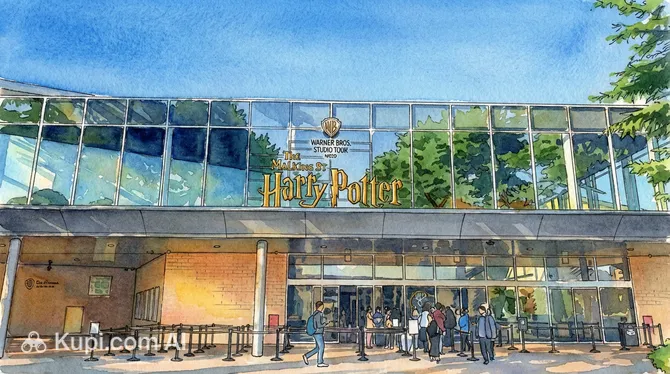
Tokyo offers an incredible variety of iconic landmarks, each revealing a new facet of the Japanese capital. Fans of modern culture should definitely visit the Warner Bros. Studio Tour Tokyo – The Making of Harry Potter. This unique space allows you to go behind the scenes of the famous film franchise, see original sets and costumes, and immerse yourself in the atmosphere of magic and filmmaking.
Studio Tour Tokyo – The Making of Harry Potter. Illustration.
Source: Kupi.com AI
Traveller photos:
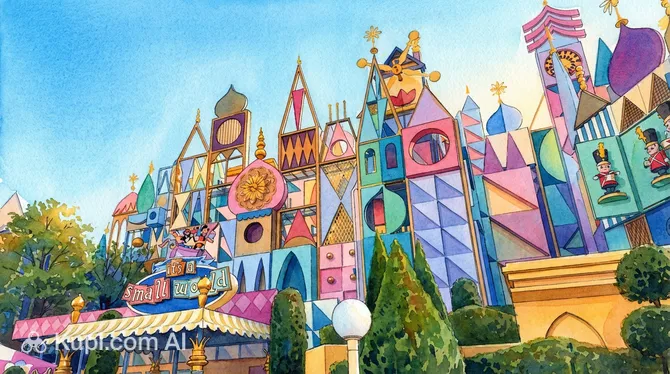
For those seeking classic entertainment and a fairytale atmosphere, the Tokyo Disney Resort is the perfect destination. This massive complex includes two theme parks where beloved characters and exciting attractions come to life, delighting both children and adults alike.
Tokyo Disney Resort. Illustration.
Source: Kupi.com AI
Traveller photos:
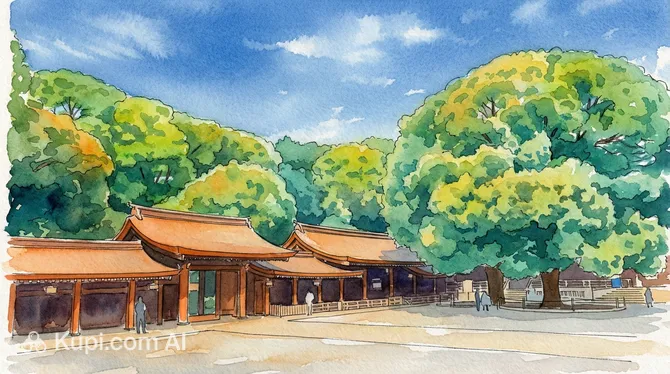
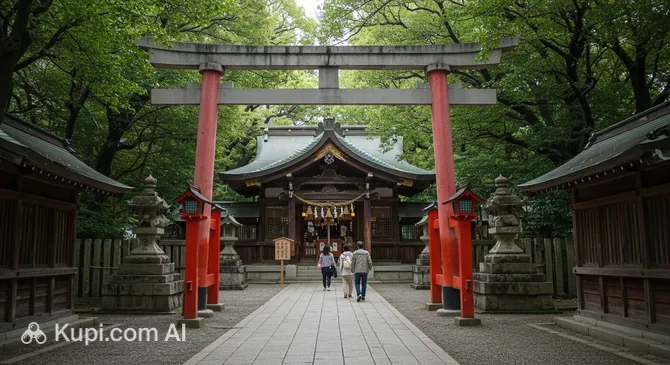
If you want to experience the tranquility and grandeur of traditional Japan, head to Meiji Jingu. This is one of the city's most significant Shinto shrines, dedicated to Emperor Meiji and his consort. The shrine is surrounded by a dense forest that creates a sense of seclusion and silence right in the middle of the bustling metropolis.
Meiji Jingu. Illustration.
Source: Kupi.com AI
Traveller photos:
In addition to these sites, don't forget to stop by the historic Asakusa district to see the ancient Senso-ji Temple and climb to the observation decks of the Tokyo Skytree for a breathtaking panorama of the endless city.
Local Cuisine
Tokyo's gastronomy is an endless journey of flavors. The city holds the world record for the number of Michelin stars, offering both exquisite fine dining and incredible street food. Be sure to try authentic ramen at a local shop, the freshest sushi at the Tsukiji area, and tempura—seafood and vegetables fried in a light batter.
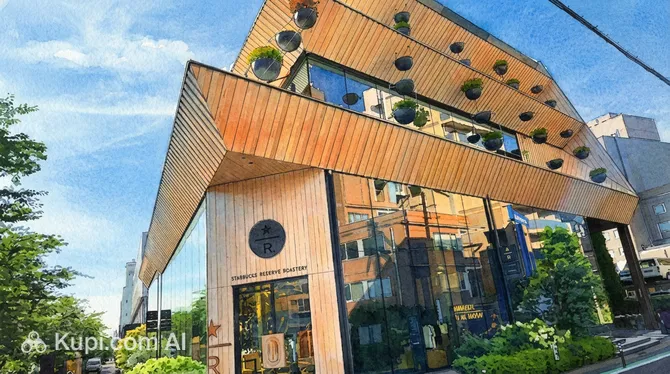
In addition to traditional restaurants, modern spaces with signature concepts are popular in the city. For example, you can visit the Starbucks Reserve Roastery Tokyo to see the coffee roasting process and try unique coffee drinks in a stylish interior.
Reserve Roastery Tokyo. Illustration.
Source: Kupi.com AI
Traveller photos:
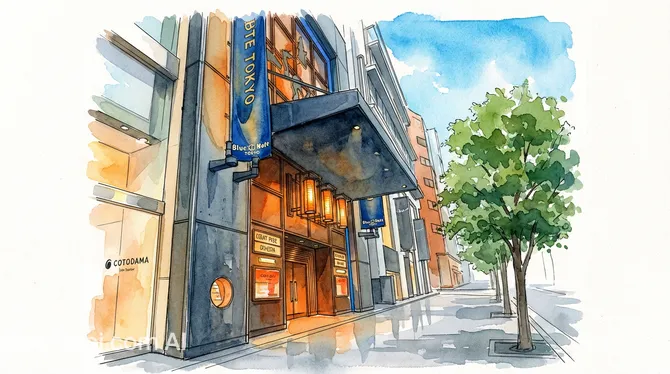
If you want to combine dinner with a cultural program, stop by Blue Note Tokyo. This legendary venue is famous not only for its cuisine but also for its first-class jazz performances, which create a unique evening atmosphere.
Blue Note Tokyo. Illustration.
Source: Kupi.com AI
Traveller photos:
The food culture here is diverse: from bustling izakayas (Japanese gastropubs) where office workers unwind, to "depachikas"—huge food courts in the basement levels of department stores. For drinks, it's worth trying local craft beer, the variety of green teas, and traditional sake.
Travel Tips
A trip to Japan's capital requires some preparation to ensure your journey goes as smoothly and pleasantly as possible. Here are a few practical tips to help you adapt more quickly to this amazing metropolis:
Dress for the season: In summer (June-August), Tokyo is very hot and humid, so choose light, natural fabrics. Be sure to bring an umbrella—the rainy season and sudden typhoons are not uncommon. In winter, a mid-season jacket is enough, as there are almost no severe frosts.
Transport logistics: Immediately upon arrival, buy a Suica or Pasmo card. This will save you from having to figure out fare zones at ticket machines. Install a navigation app, as exits from major metro stations can be very confusing.
Finances and cards: While Japan is gradually moving toward cashless payments, cash (Yen) is still necessary, especially in small shops and temples. You can withdraw money from ATMs in 7-Eleven stores, which operate 24/7. Tipping is not customary in Japan—it can even be seen as rude.
Connectivity: Free Wi-Fi is available in many places, but for reliability, it's better to rent a pocket router (Pocket Wi-Fi) or buy a travel SIM card right at the airport.
Local etiquette: Be prepared for the fact that in Japan, it's customary to remain quiet on public transport—talking on the phone in a subway car is considered very impolite. Greet people with a slight bow.
Trash and cleanliness: Trash cans on the streets of Tokyo are very rare. Locals usually take their trash home with them, so carry a small bag for your personal waste.
Health: Drugstores are found at every turn in Tokyo, but many medicines are sold under local names. Have the names of the required active ingredients in English with you.
What to avoid: Don't eat or drink while walking. In Japanese culture, this is considered somewhat impolite; it's better to sit on a bench or have your snack right by the shop entrance.
Tokyo is an incredibly hospitable and safe city. Don't be afraid to ask locals or station staff for help, even if you don't know the language—they will definitely try to help you!
Entertainment & Nightlife
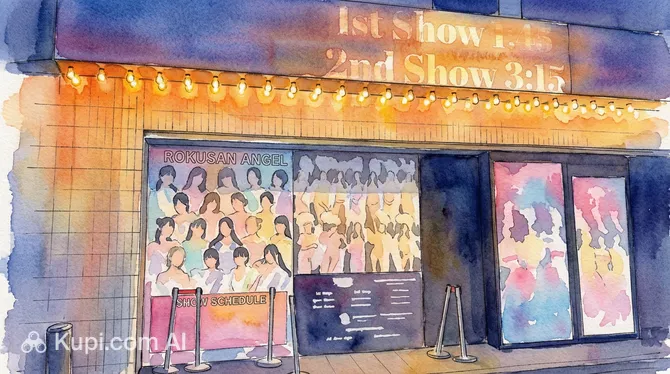
Tokyo's nightlife is a kaleidoscope of lights and sounds that doesn't fade until dawn. The main centers for evening fun are the Shinjuku, Shibuya, and Roppongi districts. Thousands of venues are concentrated here, ranging from tiny themed bars with just a few seats to huge multi-level clubs. For those looking for a vibrant show and an unusual format, Rokusan Angel (Burlesque Tokyo), which hosts spectacular dance performances, is an excellent choice.
Rokusan Angel (Burlesque Tokyo). Illustration.
Source: Kupi.com AI
Traveller photos:
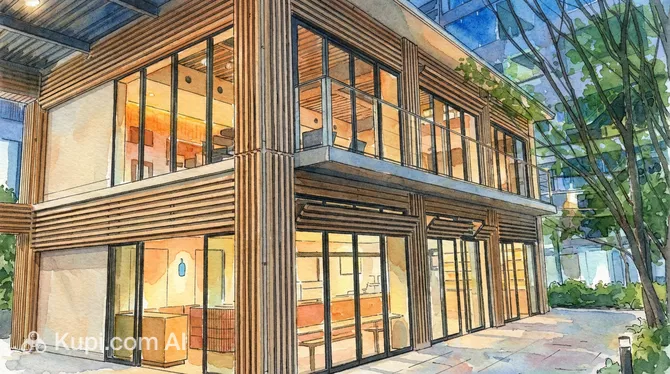
Fans of large-scale parties and electronic music should check out T2 Shinjuku—a popular nightclub known for its high-quality sets and energetic atmosphere. If you prefer a quieter start to the evening with a cup of premium beverage, stop by Shibuya Coffee Bar, where the cozy setting is perfect for pleasant conversation.
Shibuya Coffee Bar. Illustration.
Source: Kupi.com AI
Traveller photos:
Safety in the city is at a very high level, making walks through the night districts quite comfortable. Keep in mind that public transport stops running around midnight and resumes at five in the morning. During this time, taxis become the primary mode of transport, which can be easily hailed on the street or called via mobile apps. The average bill in bars can vary greatly, and many clubs have a smart casual dress code.
Parks & Museums
Tokyo is a city where art and nature intertwine in the most unusual ways. One of the most impressive places is teamLab Borderless—a digital museum where the boundaries between the exhibits and the viewer are blurred, creating an immersive space of light and sound.
teamLab Borderless. Illustration.
Source: Kupi.com AI
Traveller photos:
Fans of classical Japanese art and quiet gardens should visit the Nezu Museum. It houses a magnificent collection of East Asian antiquities, and the museum itself is surrounded by a traditional landscaped garden, considered one of the most beautiful in the city. To immerse yourself in the atmosphere of old Tokyo, stop by Suga Shrine, known for its picturesque staircases and traditional architecture.
Suga Shrine. Illustration.
Source: Kupi.com AI
Traveller photos:
The capital's main green oasis remains Ueno Park. It is not only a place for walking under the cherry blossoms but also a cultural cluster housing the Tokyo National Museum and the country's oldest zoo. Equally beautiful is the Shinjuku Gyoen National Garden, which combines French, English, and traditional Japanese garden styles.
Getting Around
Tokyo's transport system is considered one of the most efficient and punctual in the world. Its foundation is the subway (13 lines) and the JR city train network, including the famous Yamanote loop line. It's important to remember that different lines may belong to different companies, so transfers sometimes require purchasing a new ticket or using an integrated card.
For the most convenient travel, tourists are recommended to purchase a rechargeable smart card—Suica or Pasmo. Simply tap the card on the turnstile at the entrance and exit, and the system will calculate the fare automatically. These same cards can be used to pay at vending machines and in many konbini convenience stores.
The city's bus network is also well-developed but can be tricky for newcomers due to specific routes. Taxis in Tokyo are very clean, drivers wear white gloves, and doors open automatically. However, it is quite an expensive mode of transport, especially at night. Bicycle rentals are becoming increasingly popular in residential areas, but for the city center, public transport remains unrivaled.
Accommodation
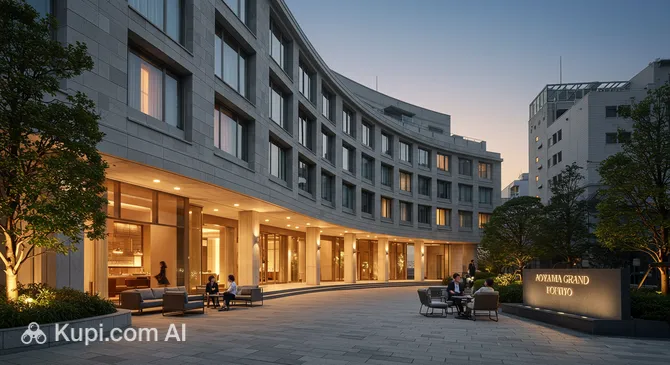
Accommodation options in Tokyo range from futuristic capsule hotels to luxury apartments overlooking the bay. If you value style and premium service, consider The Aoyama Grand Hotel, which offers a sophisticated atmosphere in one of the city's most fashionable districts.
Aoyama Grand Hotel. Illustration.
Source: Kupi.com AI
Traveller photos:
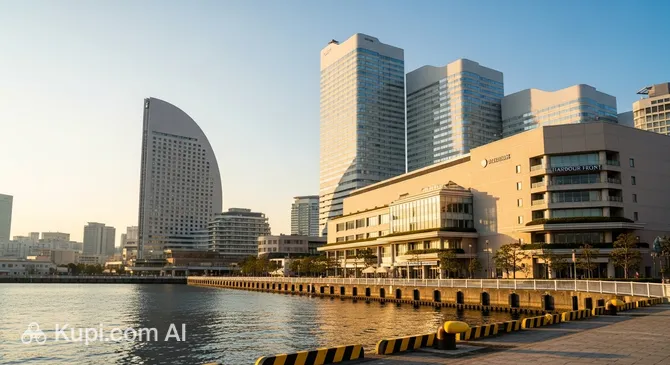
For those who prefer to combine access to business districts with coastal walks, Harbor Front Yokohama, located in the immediate vicinity of the capital region, is a good choice. Popular areas for tourists remain Shinjuku (for transport accessibility), Asakusa (for historical character), and Shibuya (for shopping and youth culture enthusiasts).
Harbour Front Yokohama. Illustration.
Source: Kupi.com AI
Traveller photos:
Budget travelers should try the experience of staying in a capsule hotel—a unique Japanese feature that allows you to save money without losing basic comfort. During peak seasons, such as the cherry blossoms (late March) or "Golden Week" in May, it is recommended to book accommodation at least 3-4 months in advance, as demand significantly exceeds supply.
Nearby Cities
Tokyo serves as an ideal starting point for exploring the eastern part of Honshu island, offering many options for day trips. Nearby are interesting areas such as Setagaya, famous for its cozy streets and temples, and the legendary Shibuya, where life never stops for a moment.
If you want to see a quieter side of the region, head to Nakano, known for its shopping galleries with vintage goods, or visit the green district of Suginami. Each of these destinations is easily accessible by city train or metro within a 15-30 minute ride.
For longer excursions, travelers often choose historic Kamakura with its giant Buddha statue or sacred Nikko with its magnificent mountain temples. These trips allow you to trade the noise of the megacity for the tranquility of nature and ancient architecture, returning to the capital by evening.
Shopping & Souvenirs
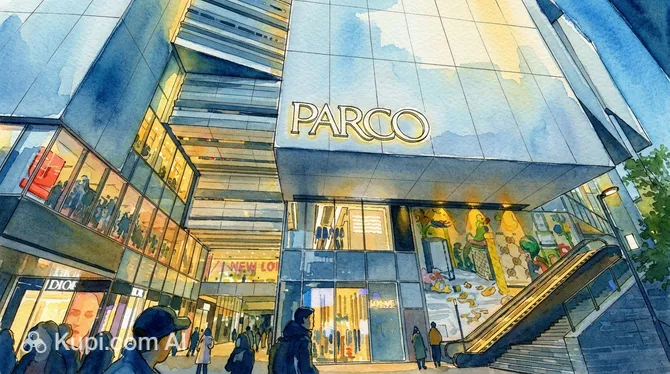
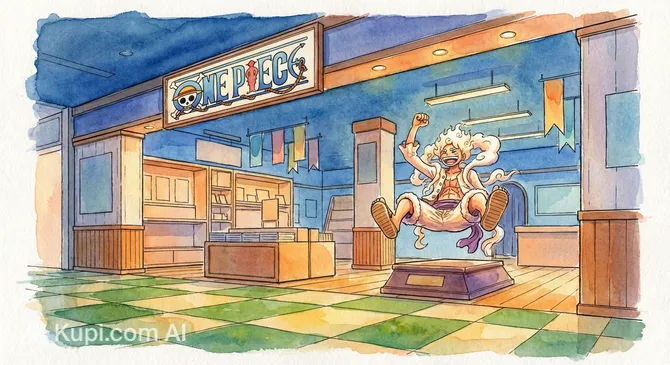
Shopping in Tokyo is a whole adventure where you can find everything from cutting-edge electronics to exquisite antiques. The Ginza district beckons with luxury boutiques, while Akihabara remains a mecca for anime fans and gadget lovers. If you're looking for the latest youth trends, head to Shibuya Parco—an iconic shopping center combining fashion, art, and pop culture.
Shibuya Parco. Illustration.
Source: Kupi.com AI
Traveller photos:
For more large-scale shopping and family leisure, DiverCity Tokyo Plaza is a great fit. This complex on Odaiba island is famous not only for its stores but also for the giant Gundam robot statue at the entrance, making it a must-visit for photos.
DiverCity Tokyo Plaza. Illustration.
Source: Kupi.com AI
Traveller photos:
Traditional souvenirs such as fans, kimonos, or wagashi Japanese sweets are best bought in the Asakusa area at the Nakamise-dori market near Senso-ji Temple. Shops in Tokyo usually operate from 10:00 to 20:00 or 21:00. A nice bonus for tourists is the Tax Free system: by presenting your passport at major stores, the 10% tax is deducted right at the checkout.