Support

Japan

About

Located on the eastern edge of Asia on a picturesque archipelago of thousands of islands, Japan is an amazing world where ancient traditions and futuristic technologies harmoniously coexist. It is a country where majestic Buddhist temples and Shinto shrines sit alongside neon skyscrapers, and serene rock gardens neighbor bustling shopping districts.

The heart of the country is Tokyo—a colossal metropolis that captivates with its rhythm and versatility.
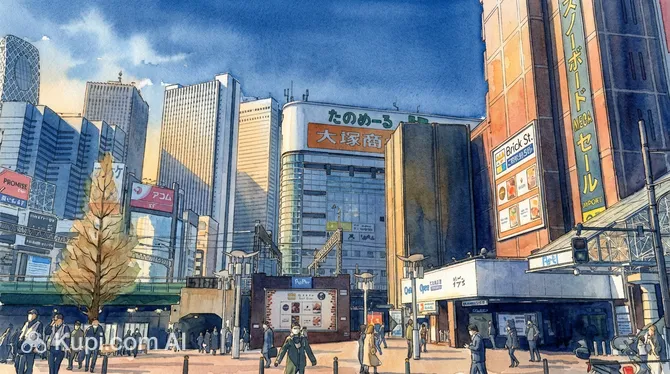
Illustration.
Source: Kupi.com AI

In addition to the capital, travelers are invariably drawn to historic Kyoto with its magnificent palaces and vibrant Osaka, famous for its gastronomic culture. Japan offers unforgettable experiences in any season: from the snow-capped peaks of Hokkaido in the north to the tropical beaches of Okinawa in the south, immersing every guest in an atmosphere of deep respect for nature and "omotenashi" hospitality.
Currency

The national currency is the Japanese yen (JPY). Banknotes in denominations of 1,000, 2,000 (rarely seen), 5,000, and 10,000 yen are in circulation, as well as coins. Japanese money is known for its high print quality and interesting designs: banknotes feature prominent figures from science and culture, while coins display national symbols such as cherry blossoms or chrysanthemums. The 5-yen coin is unique for having a hole in the center and is considered a symbol of good luck.

Although Japan is actively transitioning to cashless payments and credit cards are accepted almost everywhere in major cities like Tokyo, cash is still extremely important. Small shops, traditional provincial ryokans, and temple complexes often only accept paper money. It is best to exchange currency at airports upon arrival or at specialized "Exchange" kiosks. Withdrawing cash with a foreign card is easiest at ATMs in 24-hour 7-Eleven convenience stores or at post offices.

Visa Requirements

Most foreign nationals require a pre-arranged tourist visa to visit Japan. The process of obtaining it usually takes place through a Japanese embassy or consulate, and in some regions, documents can be submitted through accredited visa centers. While rules may vary for citizens of different countries, a common requirement is a valid passport with an expiration date that covers the period of the trip.

A standard set of documents often includes confirmation of hotel bookings, flight tickets, and a completed application form. Although some countries have visa-waiver programs or simplified entry rules, it is recommended to check the latest information on the official website of the Ministry of Foreign Affairs of Japan or the embassy immediately before planning your trip. Having medical insurance is not always a mandatory requirement for a visa, but it is highly recommended for a worry-free vacation in the country.

We'll tell you if you need a visa

Specify where you are going, or
Your citizenship
Destination

Timezones

The entire territory of Japan is in a single time zone—Japan Standard Time (JST). This corresponds to GMT+9. This greatly simplifies travel planning across the country, as the time remains the same when flying or traveling by high-speed trains from Tokyo to Sapporo or Okinawa.

An important feature is the absence of daylight saving time. Japan follows a single schedule year-round. Tourists should note that the sun rises quite early in Japan, especially in the eastern regions, and dusk falls faster than in many European countries, so it is better to plan sightseeing for the first half of the day.

Getting There

For most travelers, air travel remains the primary way to reach Japan. The country's main gateways are the international airports of Tokyo, with Haneda Airport, located within the city limits, being the busiest. Direct flights and convenient connections link Japan to major metropolises in Europe, America, and Asia, making the journey accessible from anywhere in the world.

If you plan to begin your exploration of the country from the western regions, a convenient hub is Kansai International Airport, built on an artificial island near Osaka. Regional airports like Fukuoka Airport or New Chitose Airport are also popular, handling many international flights from neighboring Asian countries. Travelers are advised to book flights in advance, especially if the trip is planned for the cherry blossom season or "Golden Week" in May.

In addition to flying, Japan can be reached by sea. Cruise ships docking at the ports of Yokohama, Kobe, and Nagasaki are popular options. There is also a regular ferry service between Japanese ports and South Korea (Busan), allowing for interesting combined itineraries across East Asia.

AirportCityIATA
Haneda AirportTokyoHND
Kansai International AirportOsakaKIX
Fukuoka AirportFukuokaFUK
New Chitose AirportSapporoCTS
Naha AirportOkinawaOKA

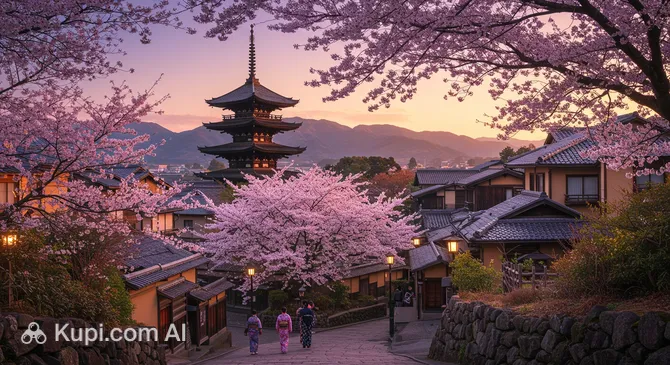
Traveling through Japan is a kaleidoscope of experiences, where every city possesses its own unique character. The capital, Tokyo, captures the imagination with its incredible concentration of life, from the high-end boutiques of Ginza to the historic temples of the Asakusa district. Those seeking the soul of old Japan should head to Kyoto, where hundreds of ancient shrines and geisha districts have been preserved.

Illustration.
Source: Kupi.com AI

For foodies and lovers of vibrant nightlife, Osaka, known as the "nation's kitchen," is a mandatory stop. If you are interested in history with European influence and picturesque harbor views, visit Nagasaki. On the northern island of Hokkaido, Hakodate stands out, famous for its seafood and magnificent night panoramas from the mountain summit.

Each of these cities offers unique opportunities: from immersion in high technology and contemporary art to quiet contemplation of nature in traditional Japanese gardens. Thanks to the advanced Shinkansen bullet train network, traveling between these popular destinations is fast and comfortable, allowing you to see the full diversity of Japanese culture in a single trip.

Top Attractions

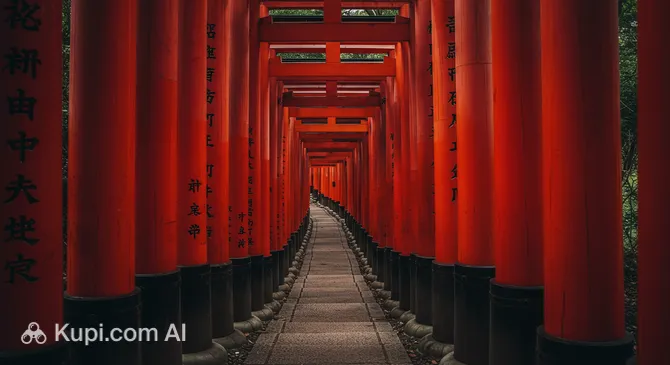
One of the most recognizable landmarks in Kyoto is the Fushimi Inari Shrine. This site is famous for its endless corridors of thousands of bright red "torii" gates leading to the summit of the sacred mountain. Walking beneath these arches creates a mystical atmosphere and is a must-do ritual for every guest in the city.

Illustration.
Source: Kupi.com AI

Traveler photos:

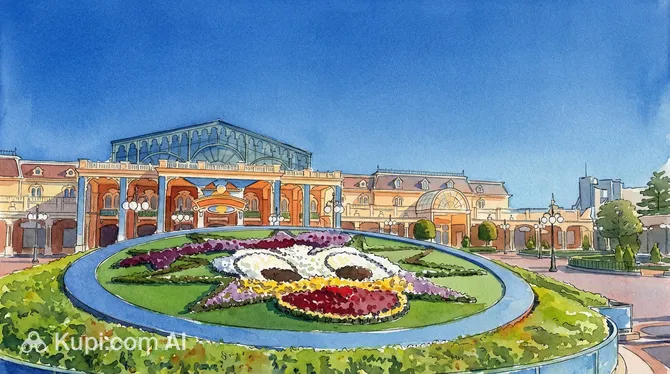
For family vacations and lovers of magic, there is no place better than Tokyo Disneyland. This was the first Disney park opened outside the United States, and it has preserved the classic spirit of the films while adding Japanese attention to detail and impeccable service. Here, favorite characters come to life, and large-scale parades and shows impress even adults.

Illustration.
Source: Kupi.com AI

Traveler photos:

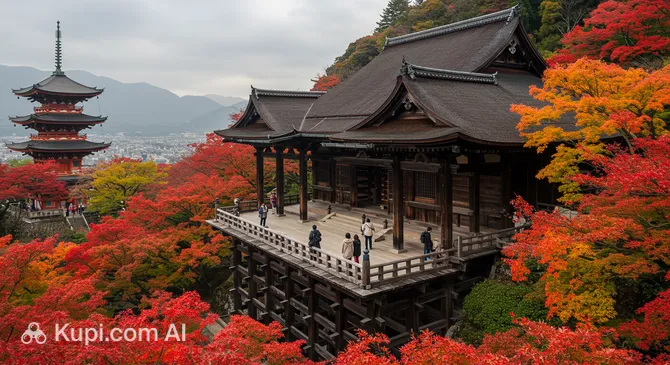
Those who want to enjoy ancient architecture and panoramic views should visit the Kiyomizu-dera temple. The temple's main hall, with its famous wooden stage, was built without a single nail on a steep hillside. It offers a stunning view of Kyoto, especially during the cherry blossom season or the autumn leaf fall.

Illustration.
Source: Kupi.com AI

Traveler photos:

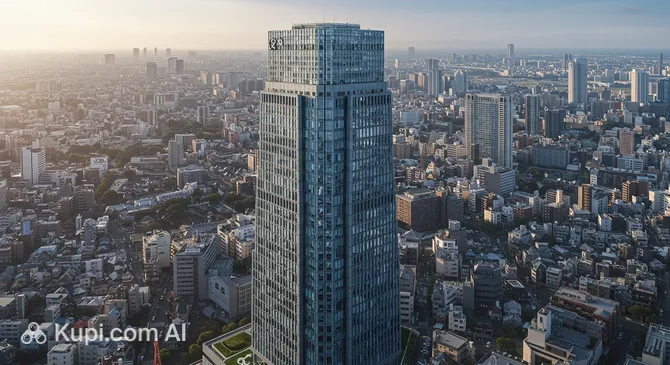
Modern architecture and heights enthusiasts in Osaka will definitely enjoy the Abeno Harukas skyscraper. It is one of the tallest buildings in Japan, with a circular observation deck on the upper floors featuring floor-to-ceiling windows that give the sensation of flying over the boundless city.

Illustration.
Source: Kupi.com AI

Traveler photos:

Best Time to Visit

Choosing when to visit Japan largely depends on the experiences you are looking for. High season traditionally falls in spring, when cherry blossoms (sakura) bloom across the country. This is an incredibly beautiful but also the most popular time: Tokyo and Kyoto see a massive influx of tourists, and accommodation prices reach their peak. Another highly sought-after period is autumn (October–November), when maples turn vibrant shades of red (the "momiji" season), offering comfortable, cool weather.

Summer in most regions, including Osaka and Nagoya, can be very hot and humid, which is worth considering when planning long walks. However, it is during the summer months that the most spectacular national festivals and grand fireworks displays take place. Winter is the ideal time for skiing enthusiasts on the northern island of Hokkaido or for relaxing in hot springs (onsens), where you can admire snowy landscapes right from the warm water.

Low season usually falls between the New Year holidays and the start of the cherry blossom season. During this time, there are significantly fewer tourists, and hotel prices become more budget-friendly. If you plan to visit different parts of the country, remember that the climate varies noticeably: while snowdrifts still blanket the north, warm spring weather may already be in full swing in the south.

Traditions

The culture of Japan is deeply rooted in the concepts of politeness and mutual respect. The primary form of greeting here is the bow: its depth and duration depend on the situation and the status of the person you are speaking to, but a slight nod of the head is sufficient for a tourist. Japanese people value personal space, so it is best to avoid direct, prolonged eye contact and active gesturing. Hospitality is shown in the small details, and if you are invited into a home, it is considered polite to bring a small gift (omiyage), which must be beautifully wrapped.

Special attention should be paid to etiquette in public places. It is critically important to remove your shoes when entering homes, many traditional restaurants, and temples—special slippers are usually provided for this. In terms of clothing, Japanese people prefer neatness and modesty; when visiting religious sites, it is best to avoid overly revealing outfits. At the table, it is considered bad manners to stick chopsticks vertically into rice or to pass food directly from your chopsticks to another person's—these actions are associated with funeral rites.

National holidays, such as the New Year (O-shogatsu) or the Obon Festival, are accompanied by beautiful rituals and family gatherings. It is important for tourists to remember the "culture of silence": in public transport, especially on trains, it is not customary to talk on the phone or speak loudly. Tipping is not practiced in Japan—it may be perceived as a mistake or even an insult, as high-quality service is considered the duty of every employee.

Entertainment

Entertainment in Japan caters to all tastes—from quiet museum strolls to extreme rides. For family vacations, grand theme parks like Tokyo Disney Resort are ideal for recreating a fairy-tale atmosphere. Those who love high-altitude panoramas will appreciate city observation decks, such as Abeno Harukas in Osaka, which offers a breathtaking view of the urban landscape.

The country's cultural program is incredibly rich: you can visit classical Kabuki theaters, modern art galleries, or majestic historical ensembles like Kiyomizu-dera in Kyoto. Nightlife is most vibrant in the Shinjuku district of the capital or Dotonbori in Osaka, offering an endless array of karaoke bars, clubs, and cozy izakaya restaurants. For those who prefer shopping, the doors of massive shopping centers and colorful streets, such as the Shinsaibashi-suji Shopping Street, are always open.

Active travelers will find excellent hiking trails in the Japanese Alps or can enjoy surfing on the Pacific coast. In winter, the country transforms into a world-class hub for skiing and snowboarding. A must-do for any tourist is visiting onsens—traditional hot springs that are an essential part of Japanese rest and relaxation culture.

Currency rates

Planning a trip? Excellent! To ensure the financial aspects of your journey don’t come as a surprise, it’s important to remember that currency exchange rates are constantly changing. This is especially true for the UAE Dirham (AED) to Japanese Yen (JPY) rate. Therefore, we strongly advise you to monitor the current rates both before you fly and throughout your trip. While Japan is a technologically advanced nation, many smaller shops and restaurants still operate on a cash-only basis, making it wise to have enough Yen on hand. You can use the data provided below for this purpose—we monitor currency rates 24/7 to provide the most up-to-date information.

Reached the end of the page?

That means the route is fully explored