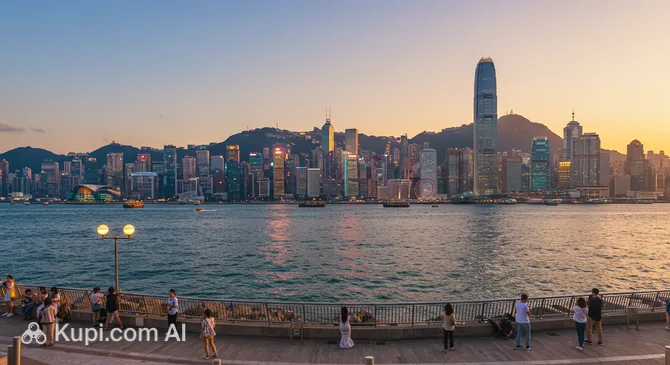
Hong Kong is a unique region where futuristic skyscrapers stand alongside ancient temples, and bustling shopping streets meet quiet fishing villages. Located on the southern coast of China, this special administrative region is striking for its contrast: Eastern traditions are harmoniously interwoven with British colonial heritage, creating the unmistakable atmosphere of a "vertical city."
Illustration.
Source: Kupi.com AI
The heart of the region is its capital — Hong Kong. This is a city that never sleeps, offering travelers endless opportunities for discovery: from culinary tours of street stalls to visiting iconic places like Kowloon. The region's natural landscape is equally surprising — more than 70% of the territory is occupied by mountains and nature parks, making it an ideal destination for outdoor enthusiasts and hikers looking for sea views.
Currency
The official currency of the region is the Hong Kong dollar, denoted by the international code HKD. One of the most interesting features of the local money is that banknotes are issued by three different commercial banks, so bills of the same denomination can have different designs. The main banknotes in circulation are 10, 20, 50, 100, 500, and 1000 dollars. Pay attention to the coins: they come in various shapes, including polygonal ones.
Currency exchange is best done at banks or licensed exchange offices in popular areas like Chungking Mansions, where rates are usually better than at the airport. Credit cards (Visa, Mastercard) are accepted almost everywhere — in shopping malls, hotels, and large restaurants. However, you will definitely need cash or the popular local Octopus card for payments in small family-run cafes, markets, and taxis.
Visa Requirements
Hong Kong maintains a liberal visa policy, allowing citizens of more than 170 countries and territories to visit the region visa-free for tourism for periods ranging from 7 to 180 days. For citizens of Russia, Kazakhstan, and many EU countries, visa-free entry rules apply for 14 to 90 days, making trip planning simple and convenient.
To enter, you will need a valid passport, which must be valid for at least one month after the end of your trip (it is recommended to have a 6-month buffer). Although additional documents are rarely requested at the border, it is best to have return tickets and confirmation of accommodation bookings with you. Before traveling, be sure to check the latest rules on the official Immigration Department website, as visa requirements can change.
We'll let you know if you need a visa
Enter your destination or
Your nationality
Destination
Timezones
Hong Kong is in a single time zone — Hong Kong Time (HKT). Standard time corresponds to GMT+8.
The region does not observe daylight saving time, so the time difference with your city will remain constant throughout the year. Travelers from Europe or America should keep this in mind when planning calls and meetings, and also allow time to adjust to the time zone change (jet lag) upon arrival.
Getting There
The easiest way to reach Hong Kong is by air. The main transport hub is Hong Kong International Airport (HKG), considered one of the best and most efficient in the world. It handles direct flights and convenient connections from all major metropolises in Europe, Asia, and America. The airport is located on Chek Lap Kok Island and is connected to the city center by a high-speed Airport Express train, which reaches the main districts in just 24 minutes.
For those traveling from mainland China, modern high-speed trains and bus routes are available. The West Kowloon railway station provides fast connections to major Chinese cities. Ferries are also a popular and scenic way to arrive, linking the region with Macau and other ports in the Pearl River Delta.
When planning your trip, it is recommended to book flights in advance, especially if your visit coincides with major international exhibitions or national holidays. During these dates, demand for flights and accommodation increases significantly, and prices can differ substantially from the usual rates.
Traveling through Hong Kong is a series of vivid discoveries, where each district has its own character. The main center of attraction remains Hong Kong itself, dazzling with neon lights and a forest of skyscrapers. Here, the business rhythm of the metropolis meets the tranquility of colonial parks and exquisite restaurants.
Illustration.
Source: Kupi.com AI
Equally interesting is Kowloon, offering tourists a more authentic experience with its bustling markets, promenades, and breathtaking views of Victoria Harbour. For those wanting to escape the urban hustle, Sha Tin is perfect with its picturesque temples and green zones, as is the colorful Cheung Chau — an island where life moves at the slow pace of a fishing village.
If you are looking for natural beauty and fresh seafood, be sure to visit Sai Kung Town. This area is famous for its beaches and clear water, making it a favorite weekend getaway for locals.
Top Attractions
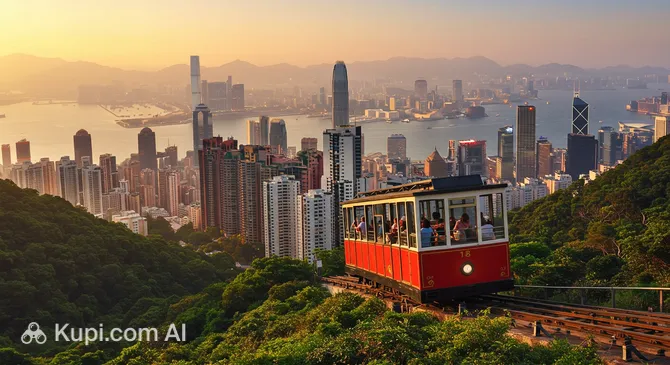
Start your discovery of Hong Kong with a legendary ride on the Peak Tram. This historic funicular carries passengers up to Victoria Peak, which offers the most famous view of the skyscraper skyline and the harbor. The sight is equally impressive in daylight and during the evening light show.
Illustration.
Source: Kupi.com AI
Traveller photos:
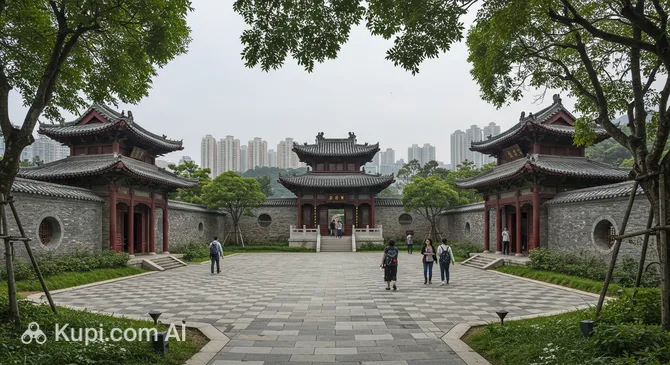
To immerse yourself in history and culture, be sure to visit the Kowloon Walled City Park. Once home to one of the most densely populated and mysterious settlements in the world, it is now a picturesque Qing Dynasty-style park with beautiful pavilions and gardens, serving as a reminder of the district's complex past.
Illustration.
Source: Kupi.com AI
Traveller photos:
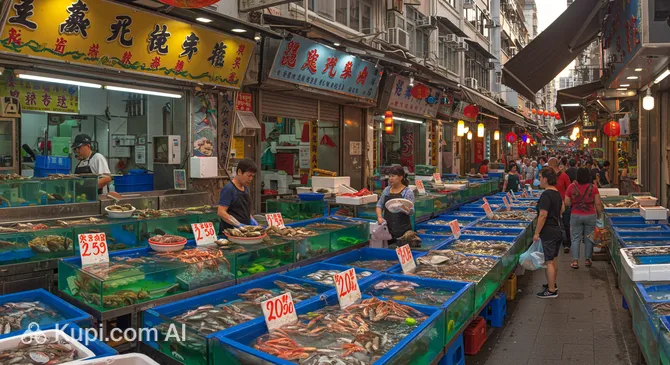
For lovers of culinary adventures and a nautical atmosphere, head to Sai Kung, home to Sai Kung Seafood Street. This is a true gourmet paradise: aquariums filled with rare sea creatures line the promenade, which chefs will prepare for you according to traditional Cantonese recipes.
Illustration.
Source: Kupi.com AI
Traveller photos:
For those seeking solitude and legends, Cheung Po Tsai Cave on Cheung Chau Island is an interesting point on the map. Legend has it that this is where the famous pirate hid his treasures. The path to the cave runs through the Cheung Chau Ferry Pier Promenade, where you can enjoy the sea breeze and the local color of island life.
Illustration.
Source: Kupi.com AI
Traveller photos:
Best Time to Visit
The best time to visit Hong Kong is from October to December. During this period, the weather is comfortably in its "high" season: days are sunny, humidity is low, and the temperature is perfect for long walks. It is an ideal time for sightseeing and hiking, though you should be prepared for an increase in tourist numbers during these months.
The low season falls in the summer, from June to August. This period is very hot and humid, with frequent tropical downpours and the possibility of typhoons. However, for budget-conscious travelers, summer can be attractive due to significant hotel discounts and major shopping sales. Spring is also unpredictable: fog and drizzling rain can often limit visibility at observation decks.
When planning your trip, consider the timing of Chinese New Year (usually in January or February). This is an incredibly colorful event with fireworks and parades, but keep in mind that many small shops and restaurants close for the holidays, and accommodation prices reach their peak.
Traditions
Hong Kong's culture is built on deep respect for family and ancestors. In communication, locals are often polite and reserved; greetings are usually accompanied by a slight bow or handshake. It is important to remember that in Cantonese culture, the concept of "saving face" is very significant, so one should avoid showing anger or criticism in public. When visiting Buddhist or Taoist temples, such as those in the Wong Tai Sin district, you should wear modest clothing and remain quiet.
The dim sum and tea culture holds a special place in the lives of Hong Kongers. If you are dining in a group, it is considered polite to fill your neighbor's cup first before your own. To show gratitude for tea being poured, it is customary to lightly tap two fingers on the table. If you are invited to someone's home, it is good etiquette to bring a small gift, such as a box of quality tea or a fruit basket, but avoid giving clocks or white flowers, as they are associated with sad events.
The main holiday of the year is the Spring Festival (Chinese New Year), when the streets are decorated with red lanterns and people exchange "lai see" — red envelopes containing money. Another vibrant event is the Dragon Boat Festival, accompanied by loud races on the water. Knowing these simple rules and customs will help you show respect to the locals and make your journey more comfortable.
Entertainment
Entertainment in Hong Kong is incredibly diverse and suitable for travelers of all ages. For family vacations, the main magnet is Hong Kong Disneyland, where favorite fairy tales come to life. Nature lovers will appreciate the numerous hiking trails, such as the famous "Dragon's Back," as well as the chance to take a ferry ride between the islands.
The region's nightlife is concentrated in the Lan Kwai Fong and Soho districts, where hundreds of bars, clubs, and restaurants cater to every taste — from cozy pubs to panoramic rooftop terraces. The cultural program includes traditional Chinese opera, modern galleries in the Central district, and historical museums like the Sheung Yiu Folk Museum.
Shopping is almost a sport here. You can find everything from high-end boutiques in the Sha Tin district to vibrant street markets. Don't miss the chance to visit the Mong Kok Flower Market for the atmosphere or the Golden Computer Arcade if you're looking for the latest gadgets. Popular souvenirs include premium tea, silk products, and jade.
Currency rates
Planning a trip? Wonderful! To ensure the financial aspects of your journey do not come as a surprise, it is important to remember that currency exchange rates are constantly changing. Therefore, we strongly advise you to monitor the latest rates both before your departure and throughout your trip. For this, you can use the data provided below — we monitor currency rates 24/7 and strive to provide the most up-to-date information.