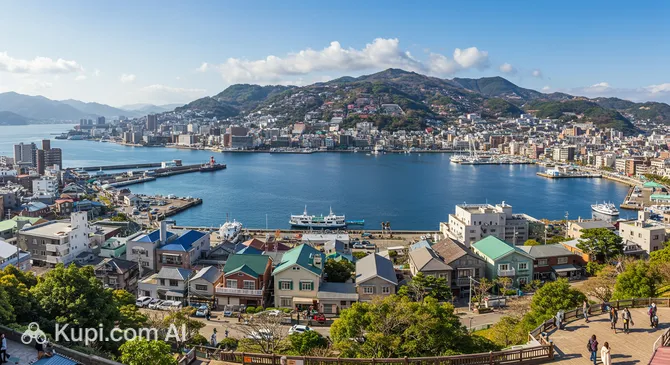
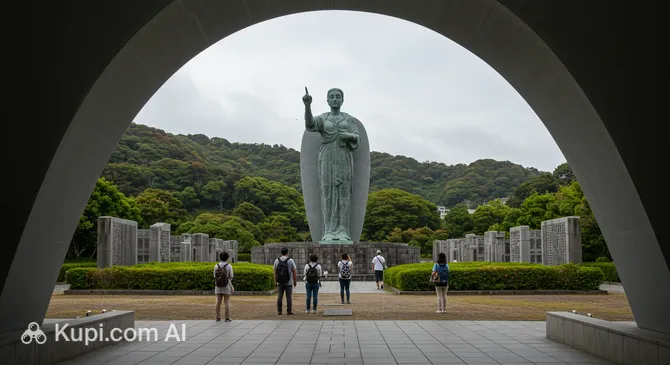
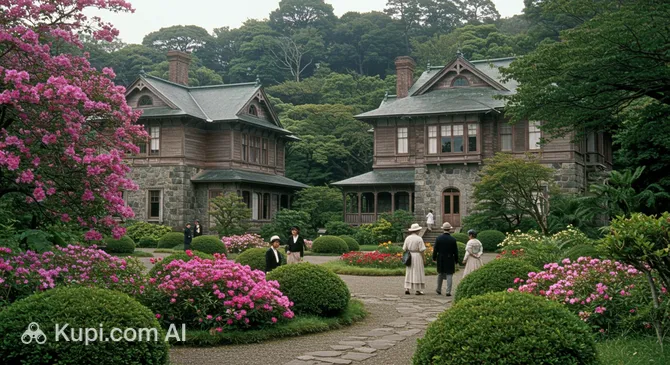
Public transport in Nagasaki is efficient, charming, and relatively easy to navigate, with the city’s iconic electric tram system serving as the primary mode of travel for most visitors. Operated by the Nagasaki Electric Tramway, these vintage streetcars crisscross the city center, connecting major tourist sites like the Peace Park, Chinatown, and Glover Garden. The trams are color-coded and numbered, making them user-friendly even for first-time visitors. In addition to the trams, an extensive network of buses run by Nagasaki Bus and Ken-ei Bus covers areas that the rail lines do not reach, particularly the residential neighborhoods located on the city's steep hillsides.
For payment, the system is modernized but still accommodates cash users. The most convenient option is to use a prepaid IC card, such as Nimoca, Suica, or Pasmo, which can be tapped upon boarding and exiting buses, or just upon exiting trams. If you do not have a card, you can pay with cash. On trams, the fare is a flat rate regardless of the distance traveled, making it incredibly budget-friendly. For tourists planning a full day of sightseeing, the "One-Day Tram Pass" is highly recommended. It offers unlimited rides for a small fee and pays for itself after just three or four trips. These passes can be purchased at the tourist information center at the main station, major hotels, or via a dedicated smartphone app.
When using public transport, it is important to follow local etiquette and boarding rules. For both trams and buses, you typically enter through the rear or center door and exit through the front door next to the driver. Fare payment is made upon exiting. If paying by cash, ensure you have the exact amount; change machines near the driver's seat can break 1,000-yen bills and 500-yen coins, but they do not dispense the fare difference automatically. Most transport services operate from early morning until around 11:00 PM, though frequencies drop significantly later in the evening.
While the tram and bus networks are comprehensive, taxis are a viable alternative for reaching destinations quickly or traveling late at night. They are plentiful and can be hailed on the street or found at taxi stands near major stations and hotels. Drivers are professional, though carrying your destination address written in Japanese is helpful. Rental cars are generally not recommended for exploring the city center due to the narrow, winding roads and limited parking, but they are useful if you plan to venture into the wider prefecture. Due to the city's hilly terrain, cycling is less common for general transport compared to other flat cities, although electric assist bicycles are occasionally available for rent.
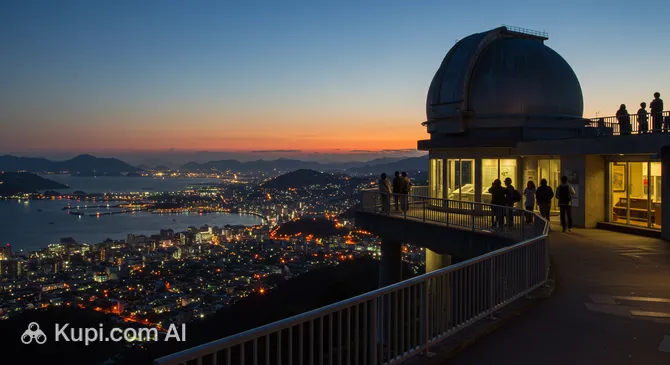
A unique feature of the local transport landscape is the Nagasaki Ropeway, which serves as both a tourist attraction and a mode of transit to the summit of Mount Inasa. The glass-paneled gondolas offer a spectacular journey, especially at sunset. Additionally, for accessing Glover Garden, travelers can utilize the "Glover Sky Road," an inclined elevator system that helps residents and visitors navigate the steep slopes without climbing endless stairs, showcasing the city's creative solutions to its vertical geography.