Small Towns of Russia: Why Visit Totma, Plyos, or Borovsk
 Polina
Small towns are not just about quietness, but also about amazing discoveries that often hide behind inconspicuous signs or turns of old streets. To truly reset yourself, it's enough to book tickets to Pskov on Kupi.com to explore the sights.
Totma: The City of "Russian Columbuses"
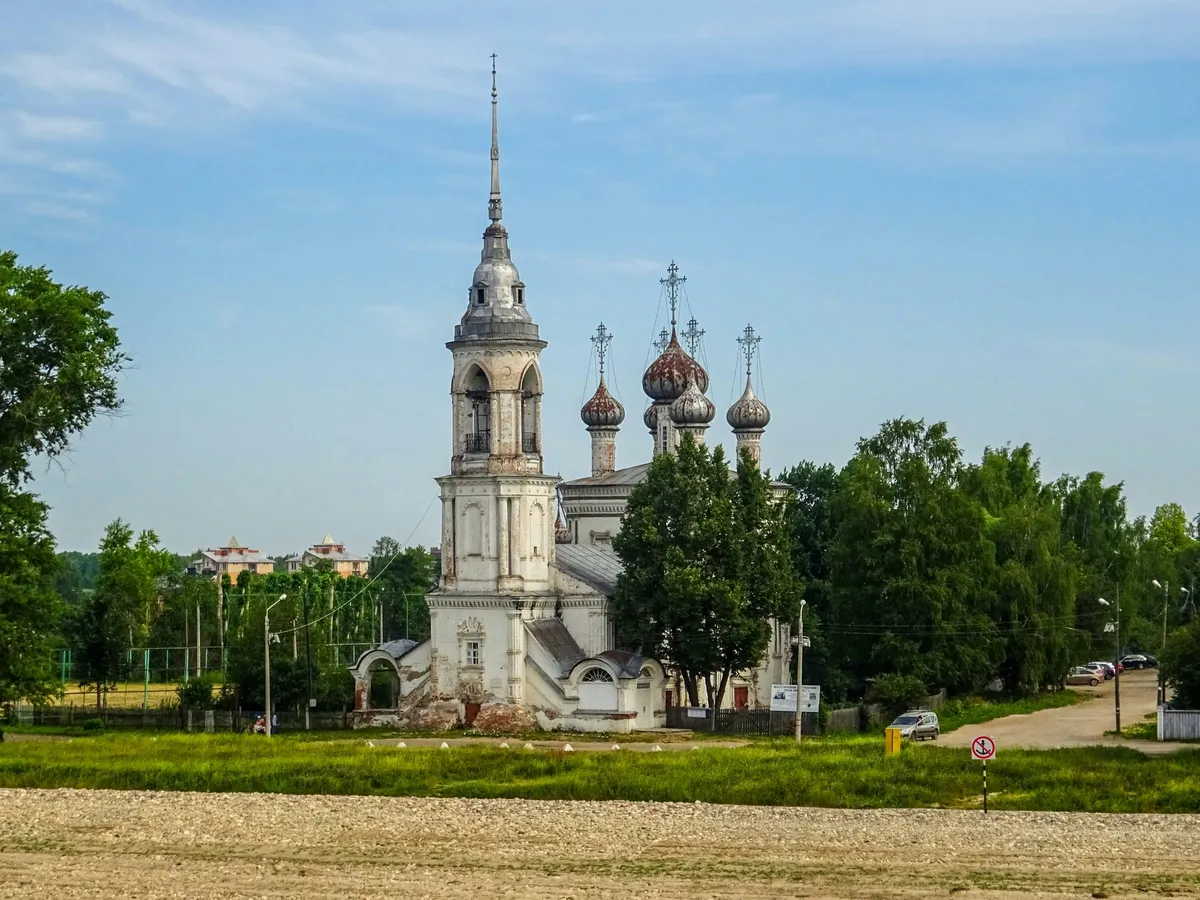
Totma is the northern capital of seafarers in the very heart of the Vologda region. In the 18th century, local merchants equipped expeditions to the shores of Alaska, extracting "soft gold" – sea otter fur. The city inherited "Totma Baroque" – a unique architectural style.
The main feature of the local churches is cartouches. These are not stucco or applied decor, but part of the brickwork of the wall that protrudes outwards, creating the effect of elegant lace.
Why visit: To see the Entry into Jerusalem Church, resembling a floating ship, and learn the story of Ivan Kuskov – the founder of Fort Ross in California.
Plyos: The Capital of Russian Landscape
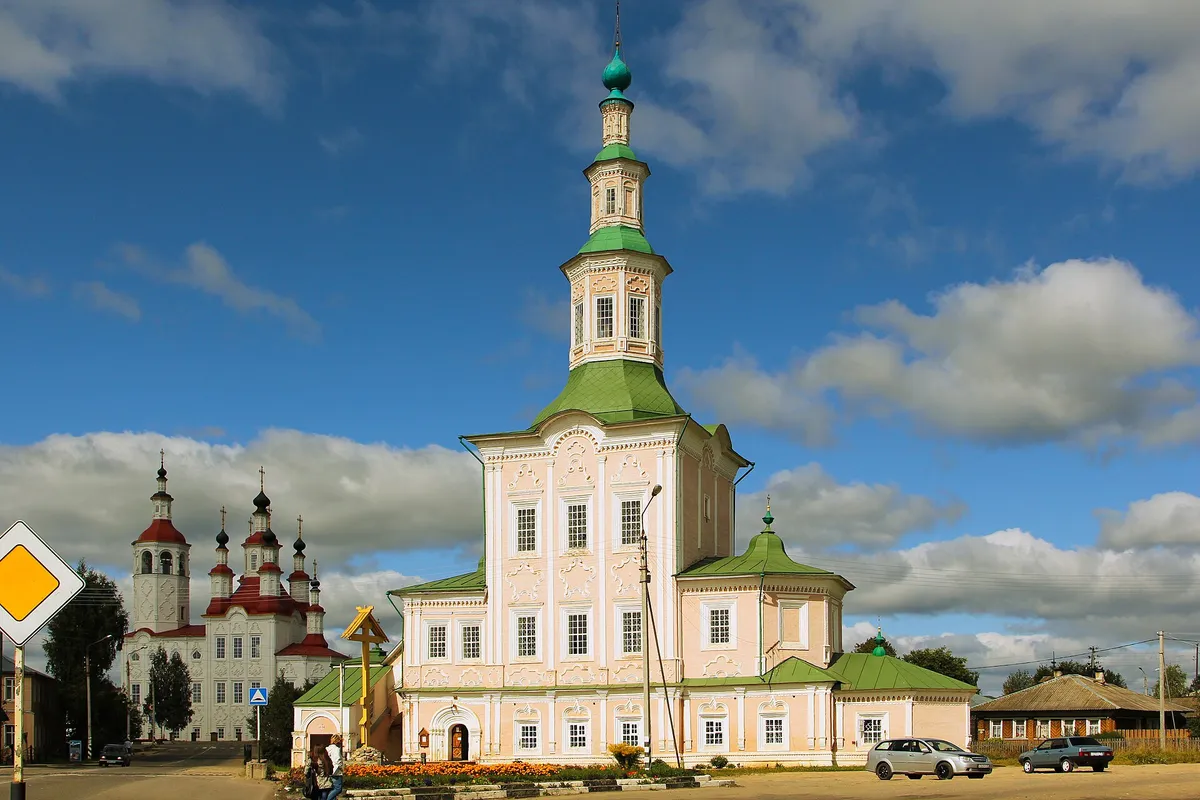
Plyos has long ceased to be just a quiet town on the Volga, transforming into one of the most photogenic places in the country. High-rise construction is prohibited here, so the city has preserved its 19th-century appearance: wooden houses with carved platbands, steep hills, and an endless expanse of water.
Why visit: To climb Levitan Hill to see the very church from the painting "Above Eternal Peace," and try "ugli" with bream – a local gastronomic brand.
Borovsk: History in Colors and Stars
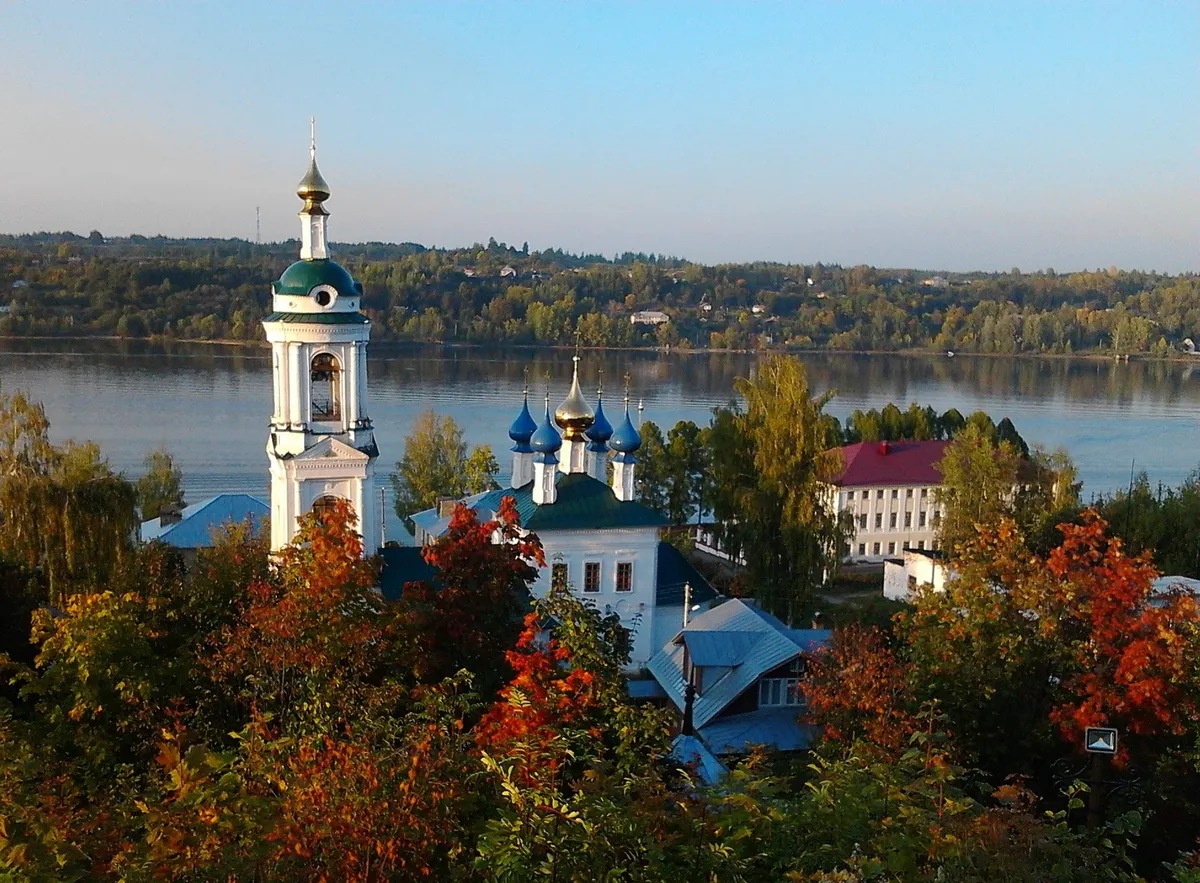
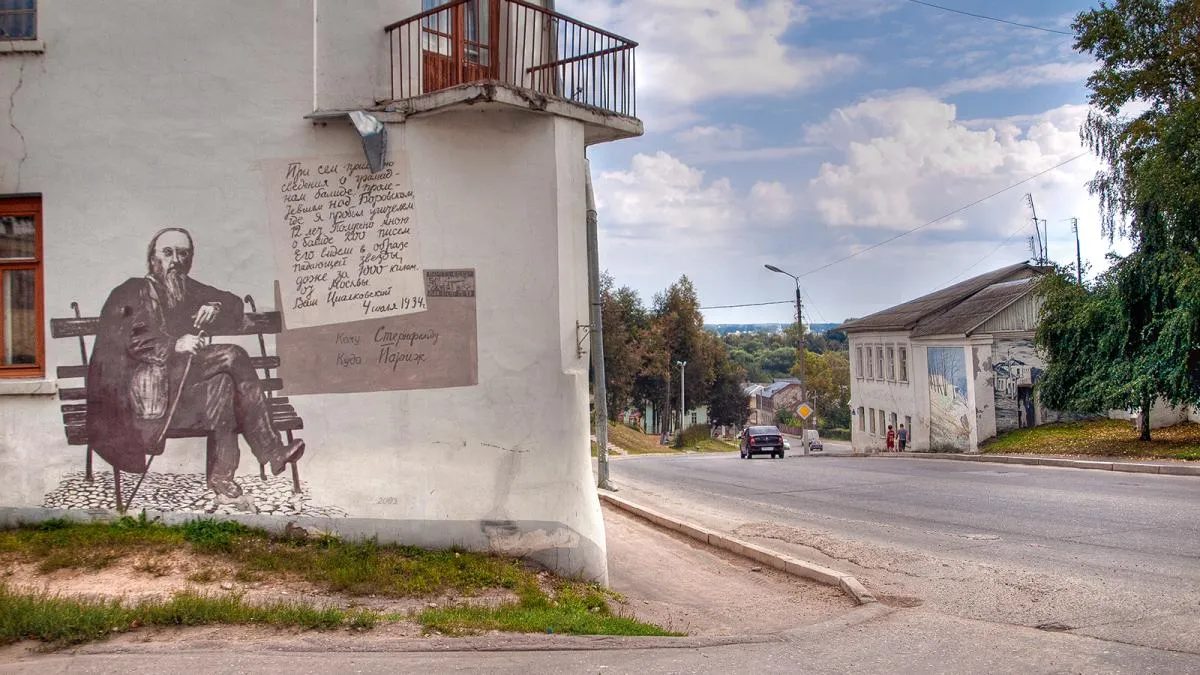
Borovsk is a city of contrasts. On one hand, it's a stronghold of Old Belief, where Boyarynya Morozova languished in captivity. On the other, it's the birthplace of cosmic dreams: it was here that Konstantin Tsiolkovsky taught arithmetic and began writing his first scientific works.
The city has turned into an open-air gallery thanks to artist Vladimir Ovchinnikov. He adorned the walls of houses with frescoes depicting historical scenes, portraits of famous residents, and poems.
Why visit: To admire the wall paintings, visit the Pafnutyev-Borovsky Monastery, and be surprised by the monument to Tsiolkovsky in felt boots, looking up at the sky.
Gorokhovets: A Reserve of Stone Chambers
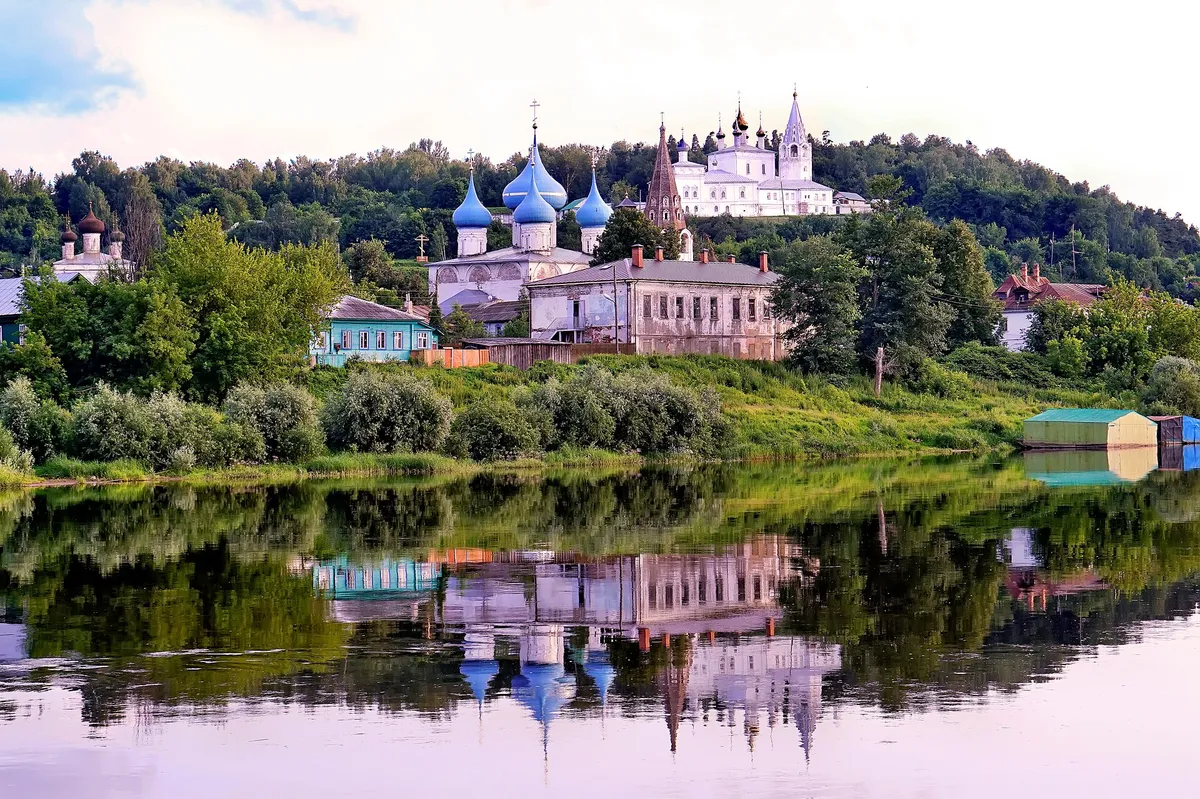
If you want to see pre-Petrine Rus, Gorokhovets is the place for you. Only about 20 civil stone chambers from the 17th century have survived in Russia, and seven of them are located right here. This is a city where time seems to have stood still: merchant mansions stand alongside wooden Art Nouveau, adorned with fantastic carving – "blind" and "through".
Why visit: To explore Ershov's (Sapozhnikov's) House, peek into the fairytale Terem of Voivode Kalashnikov, and climb Bald Mountain for a panoramic view of the Klyazma River.
Kargopol: A Northern Fairytale of White Stone
Kargopol is a gateway to the protected Russian North. Once the wealthiest trading city on the way to the White Sea, today it seems quiet and humble. A unique school of white-stone architecture has been preserved here, and local artisans still sculpt the famous Kargopol clay toy.
Why visit: To feel the magic of Cathedral Square, where majestic temples are concentrated in a small area, and to go to Kenozersky National Park to see the "heavens" – painted ceilings of ancient wooden churches.
Tutayev: A City on Two Banks
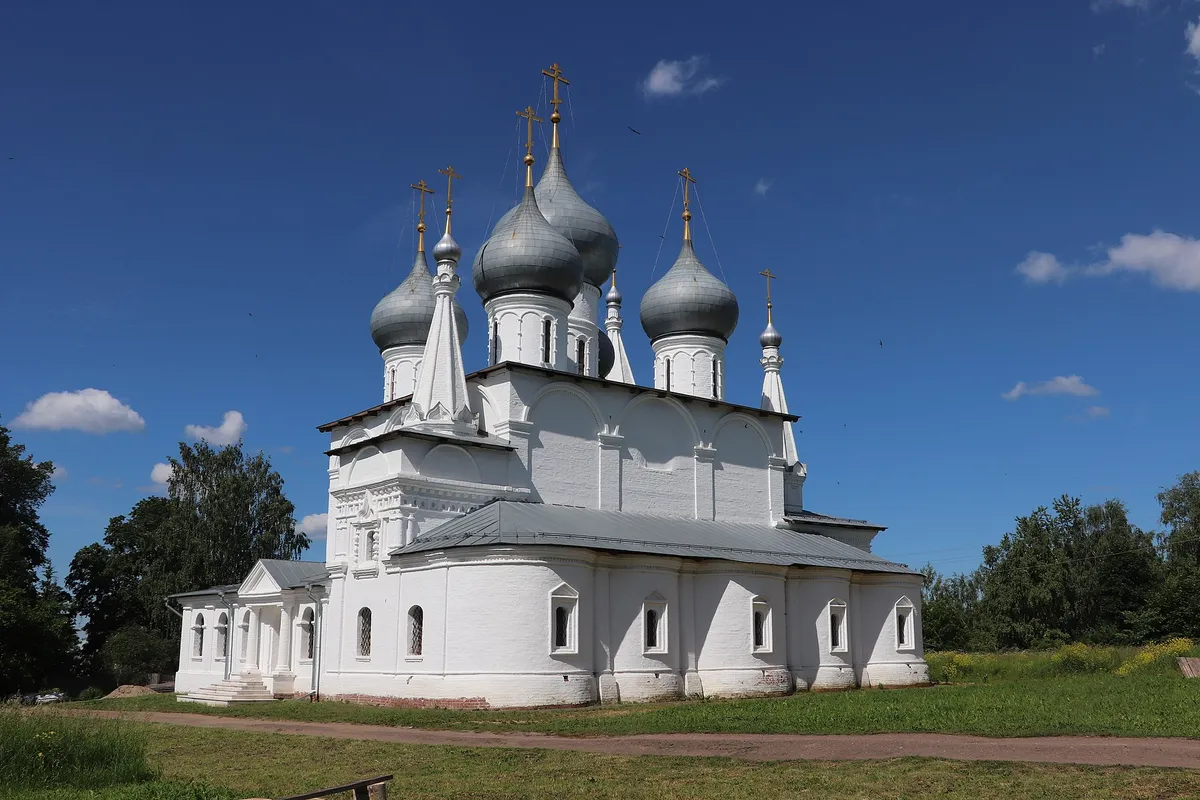
Tutayev (formerly Romanov-Borisoglebsk) is unique because the Volga divides it into two parts, and there is no bridge between them. In summer, ferries and boats run; in winter, snowmobiles. The Romanov side is famous for its steep hills and numerous churches, while the Borisoglebsk side boasts the monumental Resurrection Cathedral.
Why visit: To see the three-meter icon of the All-Merciful Savior, under which it is traditional to crawl on one's knees, and to feel the atmosphere of a merchant town that has barely changed in a hundred years.
Small towns are not just points on a route, but an opportunity to connect with roots and find inspiration in simple things. Plan your trip in advance, as the number of cozy guesthouses in such places is limited, and more and more people want to see authentic provincial life.