"Quiet Tourism" in Russia: Glamping in Karelia and Altai
 Polina
In 2026, travelers are increasingly choosing not just a vacation, but so-called «quiet tourism». This is a philosophy of conscious deceleration, where the main luxury is not golden stucco in the lobby, but the absence of phone notifications and the sound of ancient pines instead of the city's hum. If you plan to buy tickets from Moscow to Gorno-Altaysk or have already booked tickets from St. Petersburg to Petrozavodsk, glamping sites will be the ideal spot for a complete mental reset.
Karelia: The Magic of Ladoga
Karelia is rightfully considered the cradle of Russian glamping. Here, solitude is elevated to an absolute: many camps are located on islands or in hard-to-reach bays of the Ladoga skerries, accessible only by boat or helicopter.
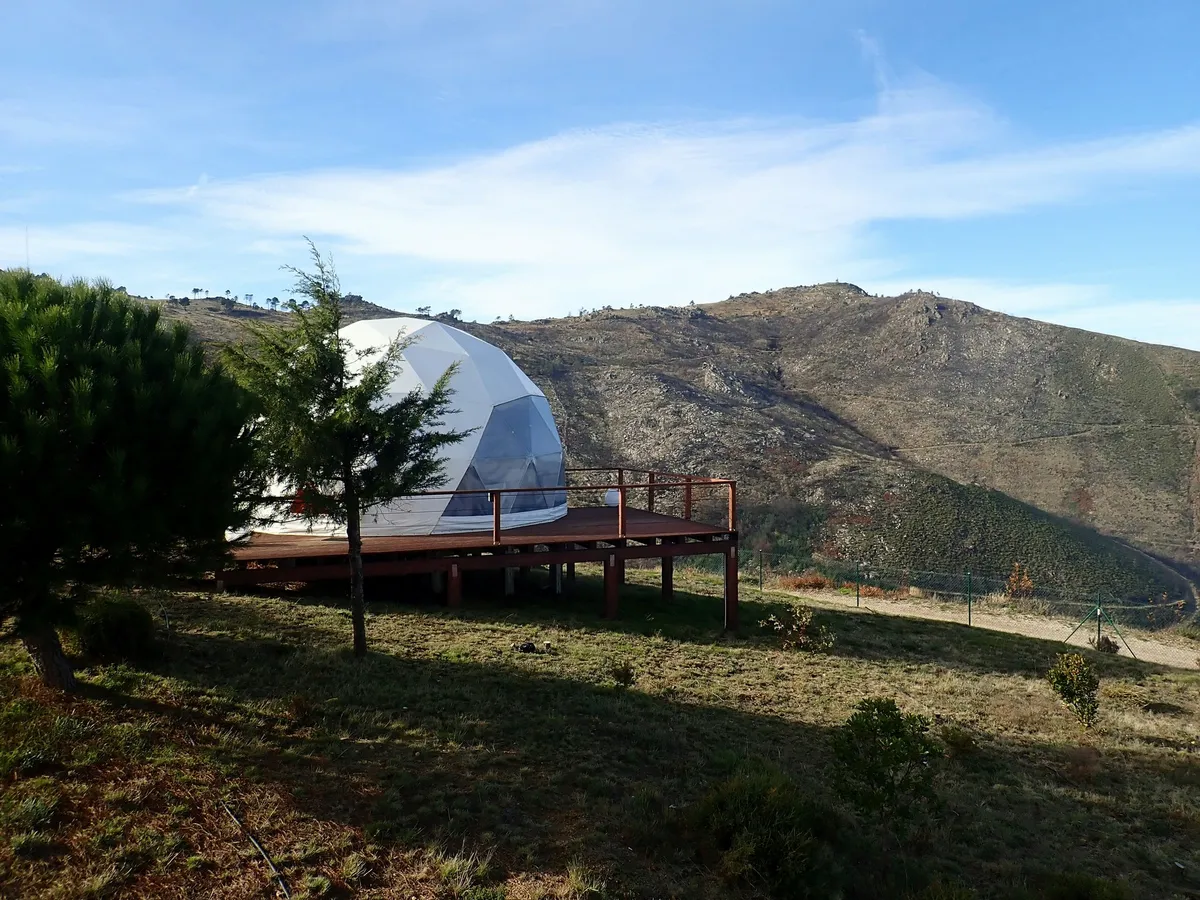
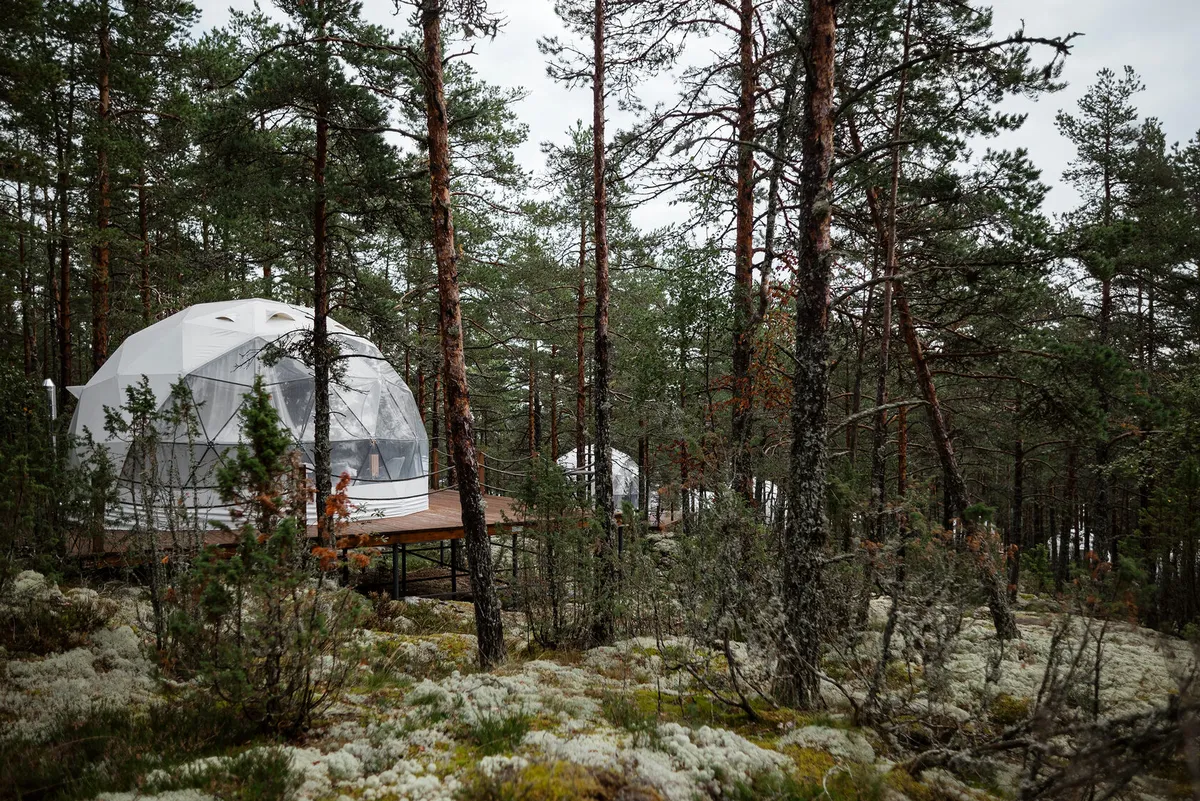
Where to find peace: pay attention to the northern coast of Ladoga. Glamping sites like «Вили Улей» or Lago Ladoga offer accommodation in futuristic spherical living modules. Waking up, you see through a giant panoramic window not your neighbors, but the mirror-like surface of the lake and harsh, lichen-covered rocks.
What to do: in Karelia, «quiet tourism» means paddleboarding in the morning fog, when it feels like you're the only person on the planet. It's picking blueberries and cloudberries right at the doorstep of your tent-lodge and quiet evenings by the campfire with Karelian kalitki and chaga tea.
Comfort level: with the introduction of new quality standards in 2025-2026, forest service now rivals city hotels. Orthopedic mattresses, heated floors, crisp white natural linen, and full-fledged designer bathrooms inside the modules have become the norm.
Altai: Total Digital Detox
Altai is chosen by those who truly need to «ground themselves.» Here, glamping sites often go deep into the Chuysky Trakt, to places where connectivity is only sporadic, and the night sky seems so low you could reach out and touch the stars.
Top locations: Kuray Steppe and the banks of the turquoise Katun River. Projects like «Мир Алтай» or «Геометрика» allow you to live surrounded by relict cedars or with views of the snow-capped peaks of the North Chuya Range, which don't melt even in July.
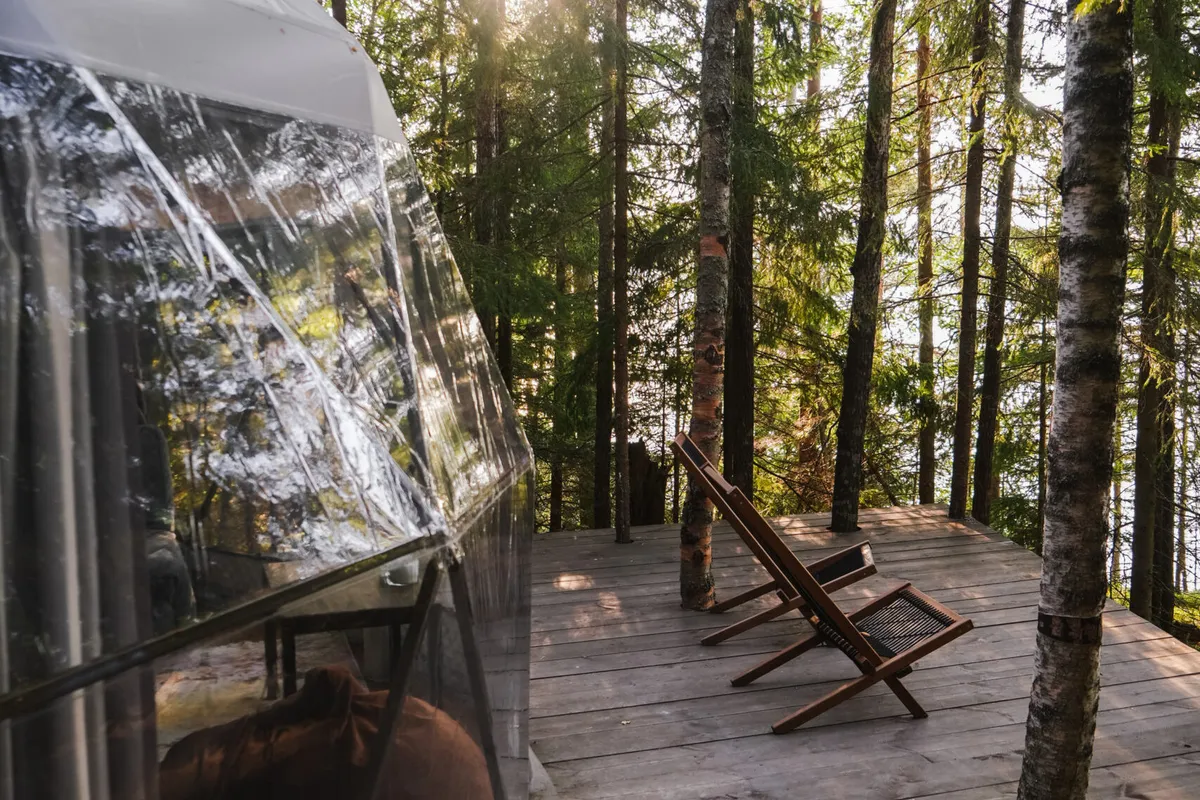
Architectural features: in Altai, dome houses and «safari tents» with transparent roofs are especially popular. This is the best way to observe the Milky Way or falling meteorites without leaving your warm bed.
Banya culture: an important part of an Altai retreat is rituals. Steaming in a cedar barrel with mountain views, cold river water plunge pools, and tasting local honey help shed the burden of urban stress in one evening.
Why the philosophy of «quiet tourism» has become important
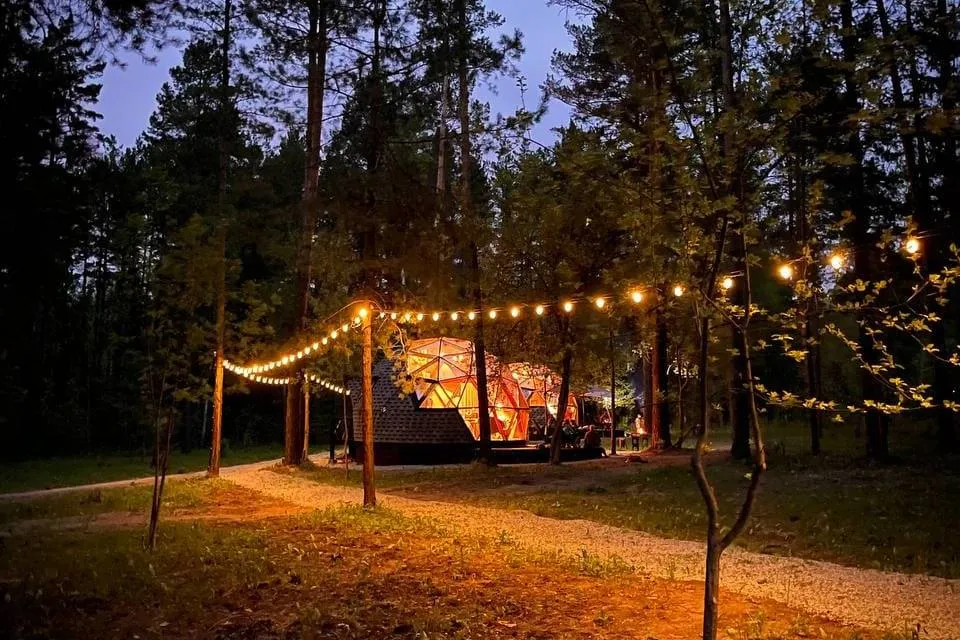
Personal space: unlike traditional resorts, tents in premium glamping sites are arranged with the landscape in mind so that you hardly ever encounter other guests.
Environmental responsibility: such facilities are built on stilts, without a permanent foundation, which helps preserve the fragile ecosystem of mosses and tree roots. You live in the wild, remaining only a temporary and careful guest.
Unique scenarios: in 2026, glamping sites have finally ceased to be just «a tent with a bed.» Now it's a space for art retreats, gastronomic weekends with chefs working over open fires, and forest bathing (Shinrin-yoku) practices.
Briefly about prices and planning
Budget: a secluded high-class glamping site in Karelia or Altai will cost on average from 12,000 to 25,000 rubles per day. This price often already includes three meals a day made from farm products, use of boats, bicycles, and yoga equipment.
Best time to travel: summer offers long daylight hours, but for the maximum sense of privacy, it's better to choose «Indian summer» in the second half of September. In Altai at this time, the Katun River acquires its famous rich turquoise color, and the Karelian forests are painted in incredible shades of crimson and gold.
«Quiet tourism» is the best investment in your mental health. Sometimes, to finally hear your own thoughts, you just need to go somewhere where only the whisper of the wind and the steady crackle of cedar logs in the fireplace can be heard.