Kalmykia: why visit Elista
 Polina
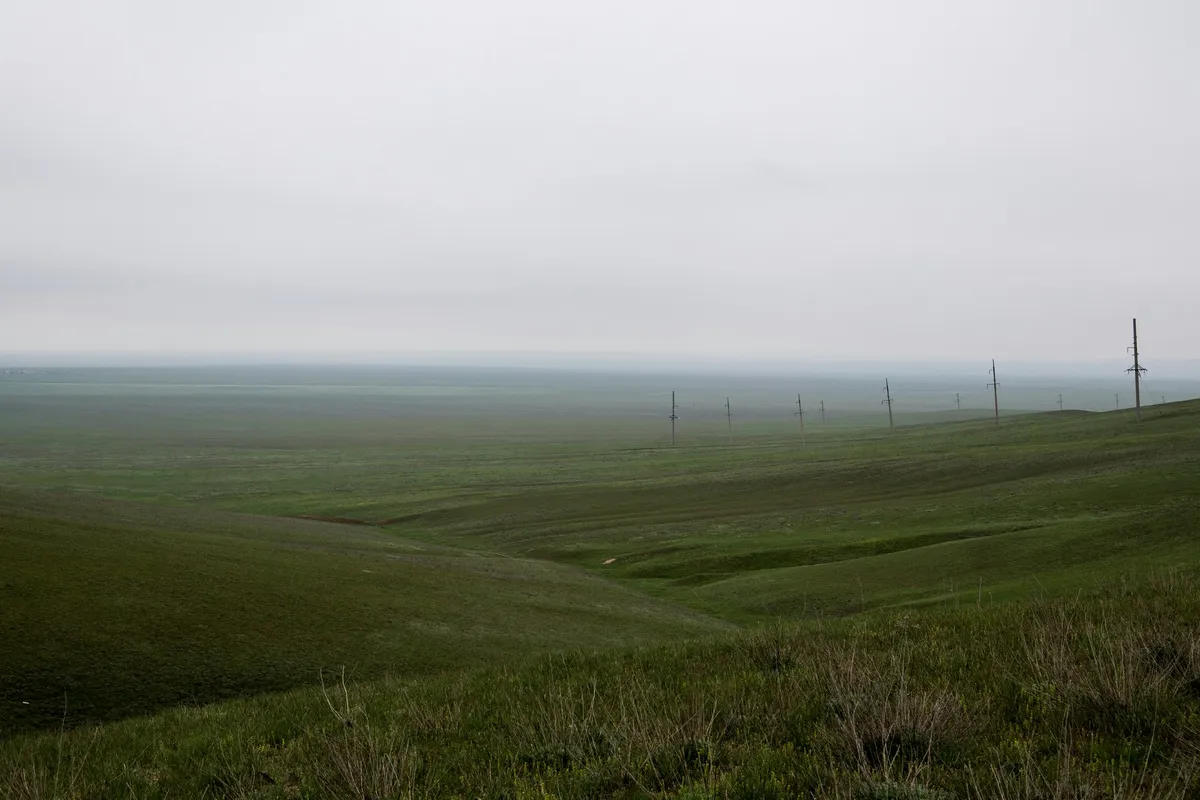
If you dream of visiting Asia without crossing borders, Kalmykia is the perfect option. Here, endless steppes meet golden pagoda roofs, and the air is filled with the scent of wormwood and the sounds of mantras. Elista is not just a dot on the map, but a true portal to a world of tranquility. Buddhism here is not a decoration for tourists, but a living philosophy. People come here not for a classic “excursion package,” but for a state of being: when thoughts slow down, and inner noise subsides. To see this with your own eyes, it's worth buying tickets to Elista in advance.
What to see: architecture and main sanctuaries
Kalmykia is the only region in Europe where Buddhism (Gelug school) is traditionally practiced. The architecture here is vibrant, layered, and imbued with symbolism.
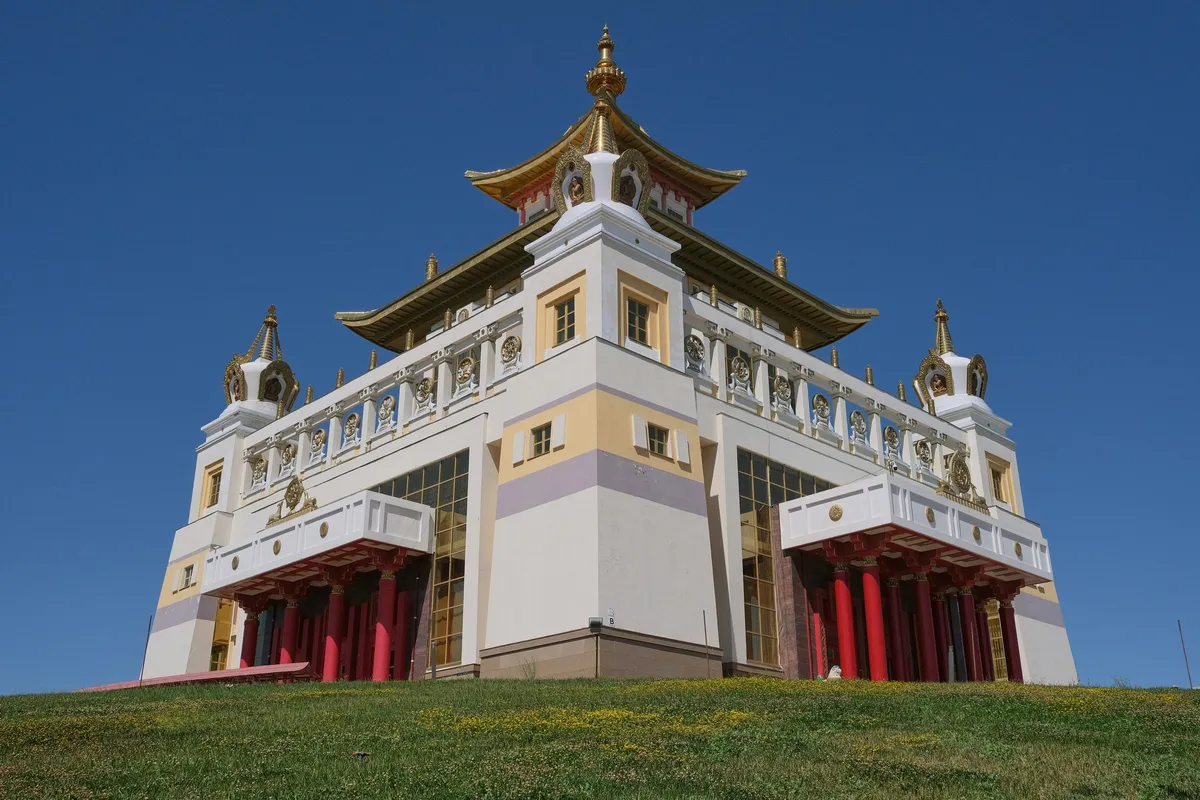
Golden Abode of Buddha Shakyamuni
This is the largest Buddhist temple in Europe and the city's calling card. The snow-white building, 63 meters high, is surrounded by 108 snow-white stupas.
Inside: a nine-meter statue of Buddha, covered in gold leaf and inlaid with diamonds. The walls are painted by Tibetan masters with scenes from the lives of enlightened beings.
Pantheon of Teachers: Around the temple, on pedestals, stand 17 statues of great teachers from the ancient Indian monastery of Nalanda. Each figure is unique – pay attention to the details of their clothing and gestures.
Etiquette: Inside the temple, you must remove your shoes (you can bring socks), turn off phone sounds, and move strictly clockwise. Photography is not allowed in the main hall – it is a space for inner silence.
Syakyusn-Syume (Old Khurul)
Located 6 kilometers from Elista. This place has a special energy – it was here in 2004 that the XIV Dalai Lama performed the land consecration ceremony. If the “Golden Abode” impresses with its grandeur, here an ascetic steppe silence reigns. Next to the temple is a small house where His Holiness himself once stayed.
Golden Gates 'Altn Boshkh'
A fifteen-meter arch, made in traditional Eastern style, greets guests at the entrance to “Druzhba” Park. The arches depict 28 scenes from the history and mythology of the Kalmyk people.
Tradition: It is believed that everyone who passes under the golden arch achieves spiritual purification. If at that moment you hear the ringing of bells on the roof – it's a good sign: the sky has heard your thoughts.
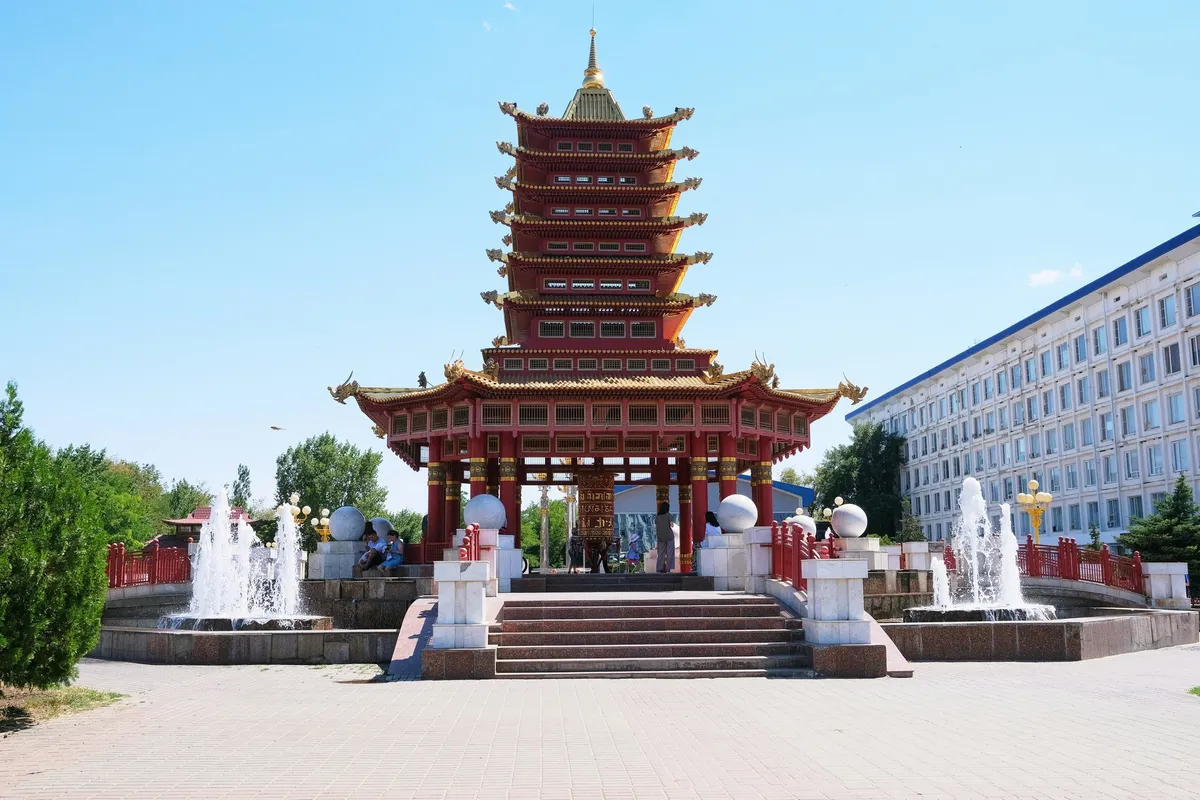
Pagoda of Seven Days
Located on the central Lenin Square (the proximity of the monument to the leader and a Buddhist pagoda is a surreal sight in itself). The seven tiers symbolize the path to nirvana. Under the roof is a huge copper drum (kyurde) weighing over 2 tons, gifted by lamas from the Gyudmed Monastery. Inside it are enshrined 75 million mantras.
What to do: rituals, chess, and nature
In Elista, it's not about the number of places seen, but the quality of your presence.
Spin the kyurde (prayer wheels). They are placed throughout the city. One clockwise turn of the drum is equivalent to reciting all the mantras contained within it. This is a way to cleanse karma “on the go” and wish well-being to all living beings.
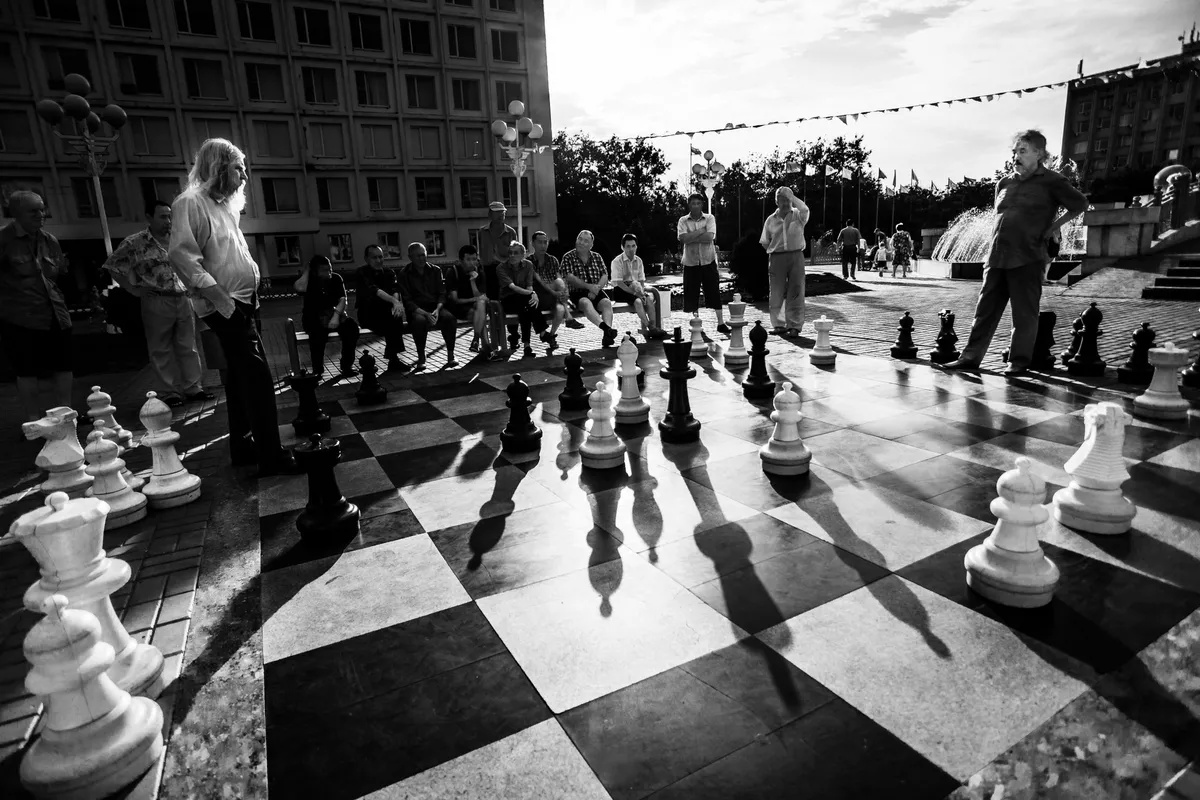
Explore Chess City (Gorod Shakhmat). Built for the Chess Olympiad, this town resembles an elite residential quarter with unusual sculptures. Here you can visit the Chess Palace, see the champions' crowns, and play a game on a giant floor board.
Make a pilgrimage to the Lonely Poplar. 20 kilometers from the city, in the middle of an empty, scorched steppe, grows a giant tree. It was planted by a monk in the 19th century. Nearby, cascades of healing springs flow. The place is considered sacred: it is customary to meditate here and tie “lungta” flags – “wind horses” – to the branches, which carry your prayers to the sky.
See camels and saigas. Kalmykia is a land of nomads. In the “Black Lands” reserve, you can see wild saigas (contemporaries of mammoths!), and in ethno-parks, you can ride two-humped Bactrian camels.
What to try: gastronomic zen
Kalmyk cuisine – is the food of people accustomed to life in the harsh conditions of the steppe: high-calorie, simple, and very hearty.
Jomba (Kalmyk tea). Forget about tea with sugar. This is a thick drink with salt, milk, butter, and nutmeg. It perfectly quenches thirst in the heat and warms in the cold, restoring the body's salt balance.
Byoriki. Huge, juicy dumplings with chopped meat (lamb or beef). The thin dough is pinched into a neat “braid,” and inside there must be scalding meat broth.
Bortsoki. Deep-fried dough. Each shape has its own meaning: round (“tselvug”) symbolizes the sun, intertwined (“moshkm”) – unity.
Kyur. A legendary nomadic dish: lamb meat stewed in its own stomach in an earthen pit under a bonfire for several hours. It is considered the pinnacle of local gastronomy.
Makhan-shel. A simple and honest broth with large pieces of meat and potatoes. Served with raw onion.
Elista does not demand haste from you. It is a place for those ready to slow down, listen to the wind in the steppe, and catch “here and now” moments, feeling the long-awaited peace settle within. You will return from here a slightly different person – a little calmer and knowing exactly what silence sounds like.