Cryptocurrency while traveling: in which countries can you pay with crypto
 Polina
Just yesterday you were worrying if you had enough cash euros in your pocket and if the terminal would accept “plastic,” and today you're frantically checking if your cold wallet is charged and if the exchange rate hasn't dropped while you were going through passport control. Traveling with cryptocurrency is no longer a plot from “Black Mirror” or entertainment for reclusive IT specialists. It's a reality where you can book a villa with bitcoins and buy a cup of flat white with Ethereum. Let's figure out which countries blockchain replaces traditional cash and where to fly if your main savings live in the cloud.
El Salvador: Bitcoin Paradise
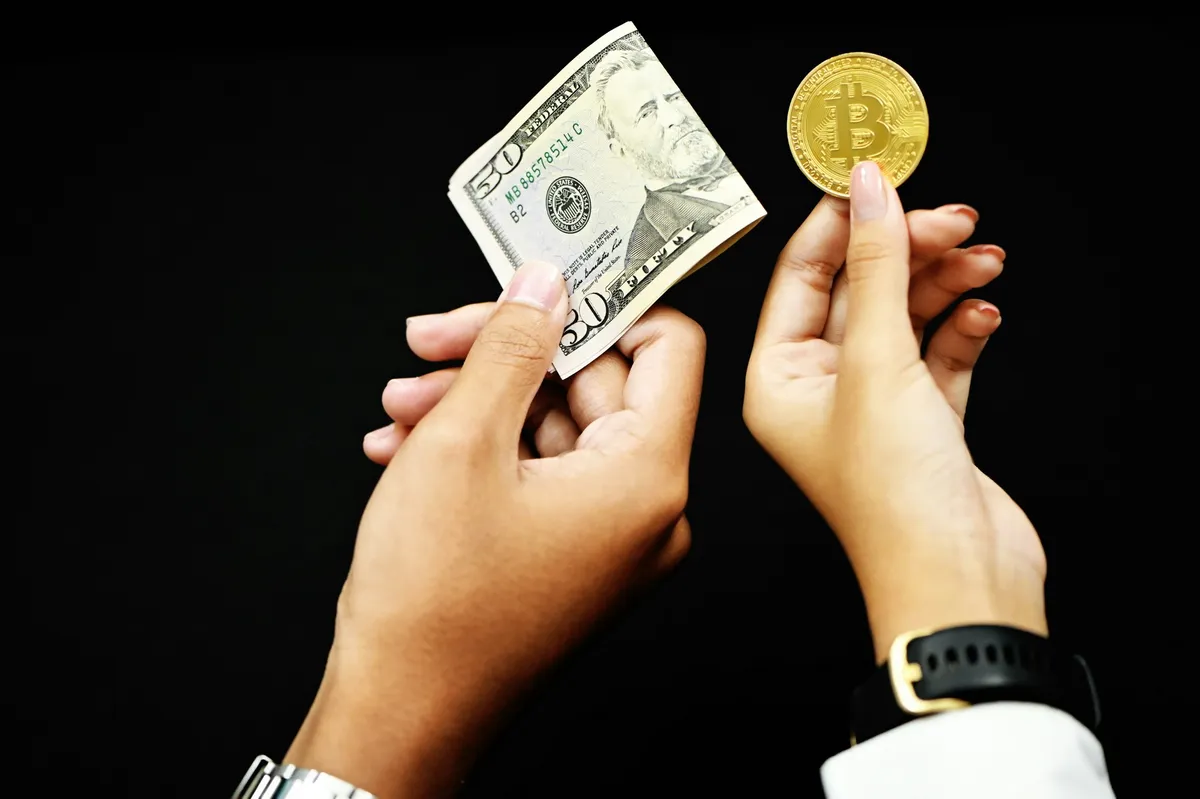
This small but proud country was the first in the world to make Bitcoin legal tender alongside the dollar. Here, crypto is not an “asset” but ordinary money. Go to the supermarket for bread and pay via Lightning Network? Easy. Pay taxes or rent a surfboard in El Zonte (already dubbed Bitcoin Beach)? Simpler than simple.
The state even released the Chivo app for all transactions. Of course, crumpled banknotes are still honored in remote jungle villages, but in cities, you are the king of digital transactions. If you want to feel like a person from 2050, it's time to buy tickets from Moscow to San Salvador. Just be prepared for a long flight – the path to financial freedom is never short.
UAE: Digital Luxury
In Dubai and Abu Dhabi, crypto is loved as much as gold, falconry, and air conditioning. The Emirates are actively building an image as the world's crypto capital, and these are not empty words. Here, you can buy literally everything with “digital currency”: from a cup of coffee with gold flakes to a penthouse overlooking the Burj Khalifa.
Many hotels of major chains and even local developers readily accept stablecoins. And if you suddenly need “live” dirhams, you can find crypto ATMs in shopping centers that dispense cash in exchange for your bitcoins. The Emirates are an ideal testing ground for those who don't want to bother with exchange offices and declarations. By the way, tickets for the Saint Petersburg – Dubai route are selling like hotcakes in the frost, so grab your option while the exchange rate allows.

Germany: Good Old Europe
Germans are a conservative people who love the jingle of coins in their wallets, but they treat progress with respect. Germany was one of the first to recognize Bitcoin as “private money,” which opened doors for businesses. Berlin, or more precisely its hipster district Kreuzberg, particularly stands out. There, the number of establishments per square meter that accept crypto is off the charts: from craft beer bars to bookstores.
Even some large food delivery and ticket booking services in Germany have implemented crypto gateways. If you want a mix of harsh techno, the Berlin Wall, and technological advancement, it's worth buying tickets from Moscow to Berlin and personally testing the local crypto-cafes.
Portugal: A Quiet Haven for “Digital Nomads”
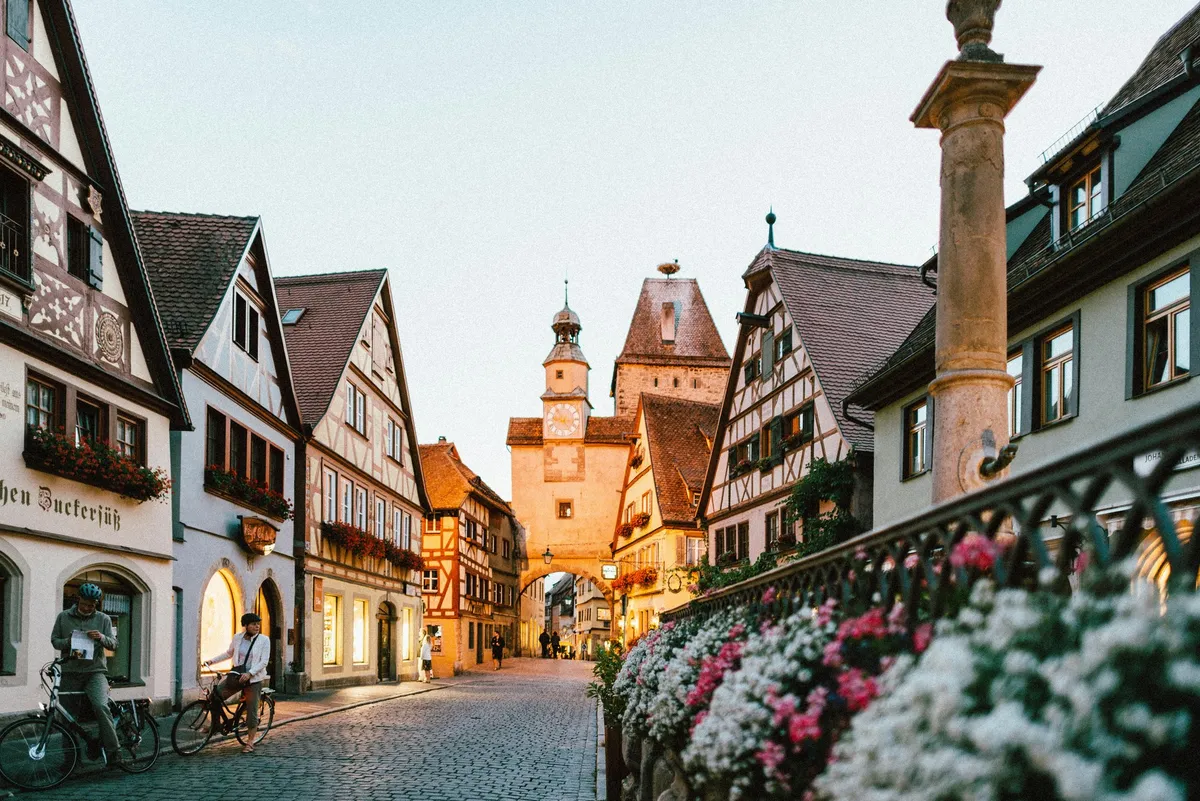
Portugal was long a true offshore haven within the European Union: until recently, taxes on crypto income for individuals here were zero. This attracted thousands of traders and developers from all over the world. A strong community has formed in Lisbon and Madeira, where new protocols, not the weather, are discussed over lunch.
In the capital of Portugal, paying for dinner at a trendy restaurant with bitcoins is sometimes easier than finding a free parking spot. The city is imbued with a spirit of freedom and startups. It's time to check tickets for the Saint Petersburg – Lisbon route to enjoy the sunset on the rocky Atlantic coast, knowing that your assets are safe in a decentralized wallet.
Turkey: Crypto as a Lifestyle
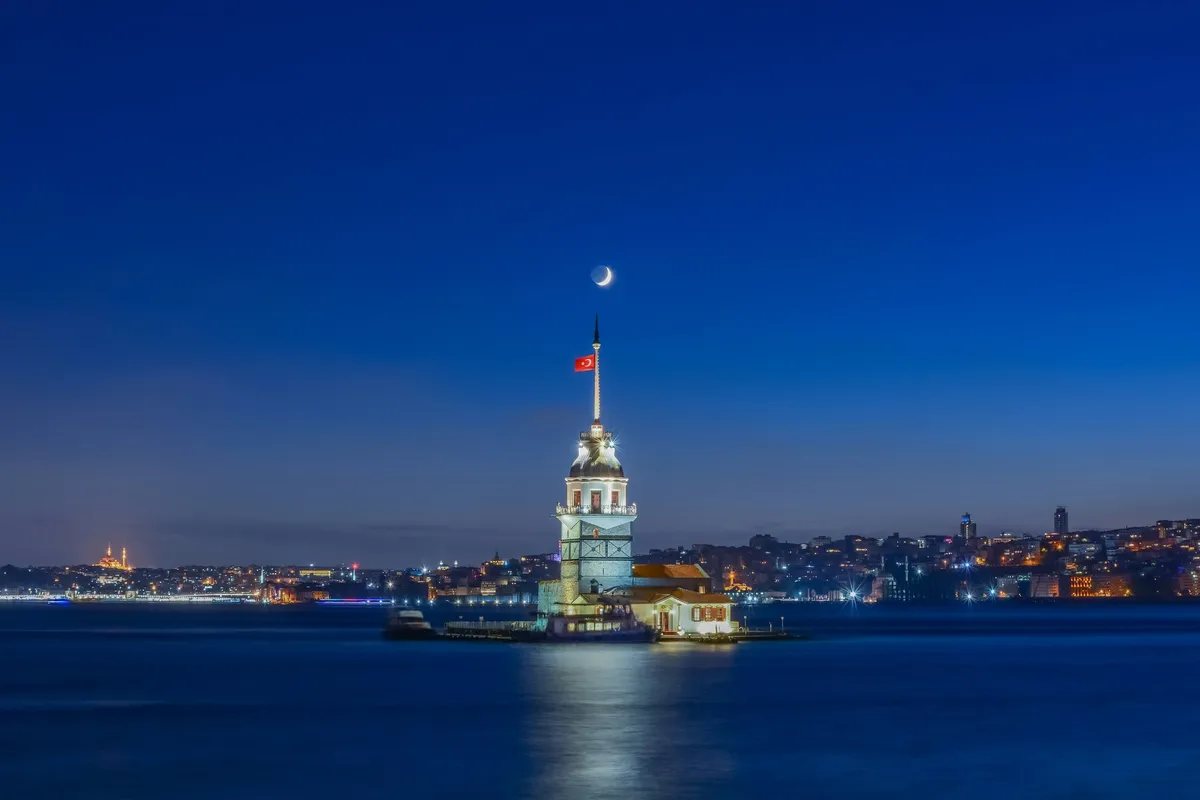
We cannot forget about Turkey. Due to the sharp turns of the local lira, Turks have become some of the most active crypto users on the planet – for locals, it's not just an investment, but a way to preserve hard-earned money. In Istanbul, Antalya, or Bodrum, “Bitcoin Cash” and “Crypto Exchange” signs are almost more common than shops with juicy kebabs or fragrant baklava. Here, crypto is not just a fad for geeks, but a real tool for survival and comfort.
Many private carpet shops, leather stores, and even small boutique hotels in Cappadocia will gladly accept your transfer in USDT, and sometimes even offer a small discount for it, as it's also more profitable for them to hold assets in digital dollars. In large cities, there are physical crypto exchange offices where you can exchange your bitcoins for cash liras or dollars in literally five minutes, sipping Turkish tea while the transaction is confirmed. This is a great reason to buy tickets from Moscow to Istanbul to combine historical shopping at the Grand Bazaar with the most modern payment methods.
Memo for a Crypto Traveler
Install local maps. Each country has its own aggregator apps (like Coinmap) where crypto-accepting points are marked.
Have a Plan B. Even in the most advanced El Salvador, the internet might “go down,” your phone might die, or an app might glitch. A little cash stashed away is not a betrayal of decentralization ideals, but common sense.
Watch the network. Making a network mistake during a transfer (e.g., sending ERC-20 to a BEP-20 address) in a hurry at the checkout is the quickest way to ruin your vacation.
Check fees. Sometimes a transaction on the Ethereum network can cost more than your entire lunch. Use fast and cheap networks where possible.
Fly to where you are understood – and your digital wallet too!