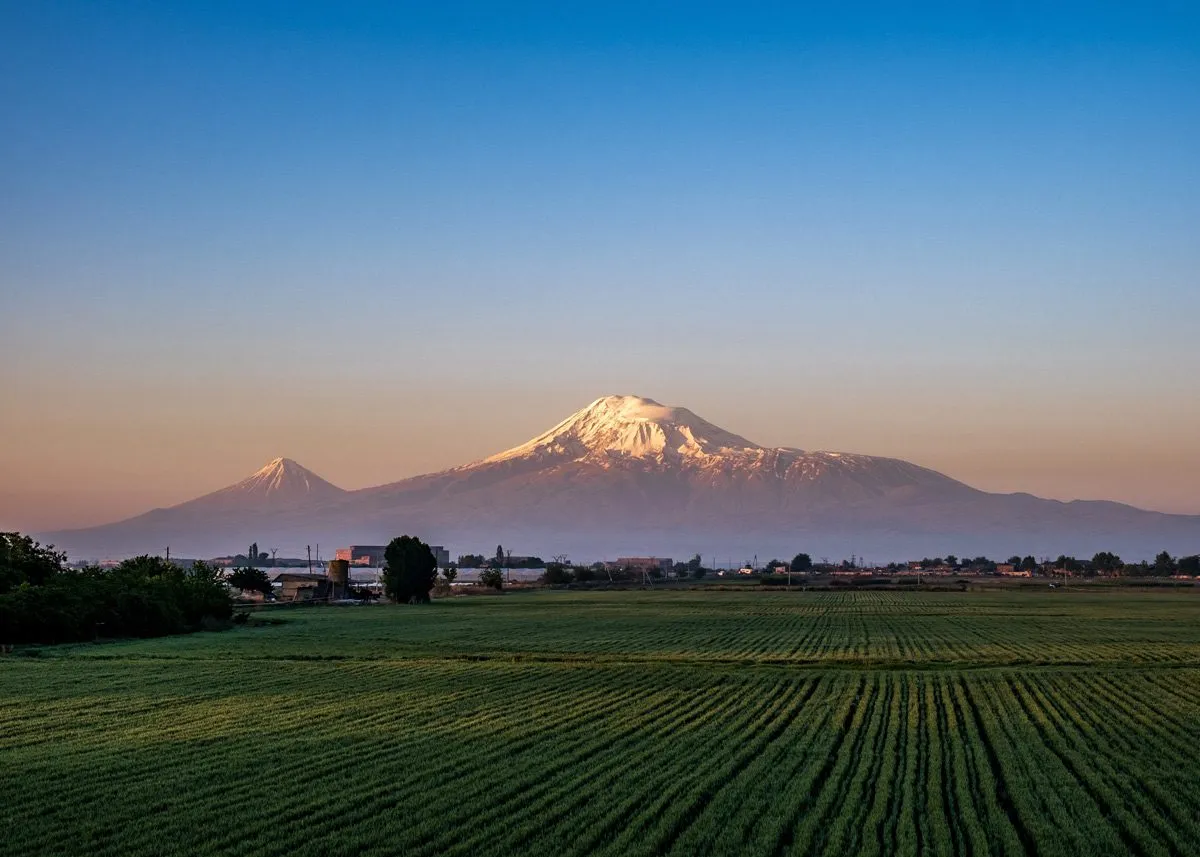
Why visit Armenia in winter
 Polina
When we think about traveling to Armenia, our imagination most often conjures up sun-drenched apricot orchards, Yerevan's summer terraces, and long walks in T-shirts. Many are accustomed to perceiving this country as an exclusively warm destination where summer lasts endlessly. However, experienced travelers know a secret: Armenia in winter reveals a completely different, magical side. This is a time when ancient monasteries against the backdrop of snow-capped mountains look especially monumental, when the air becomes clear and crisp, and the hospitality of the locals warms better than any fireplace.
If you're wondering why to visit Armenia in winter, cast aside your doubts. This trip will offer you a unique experience: from the adrenaline of ski slopes to the meditative tranquility by the freezing Sevan, from gastronomic ecstasy over a plate of khash to cozy jazz evenings in the capital. Let's break down in detail why the winter season in this mountainous country might be your best vacation decision.
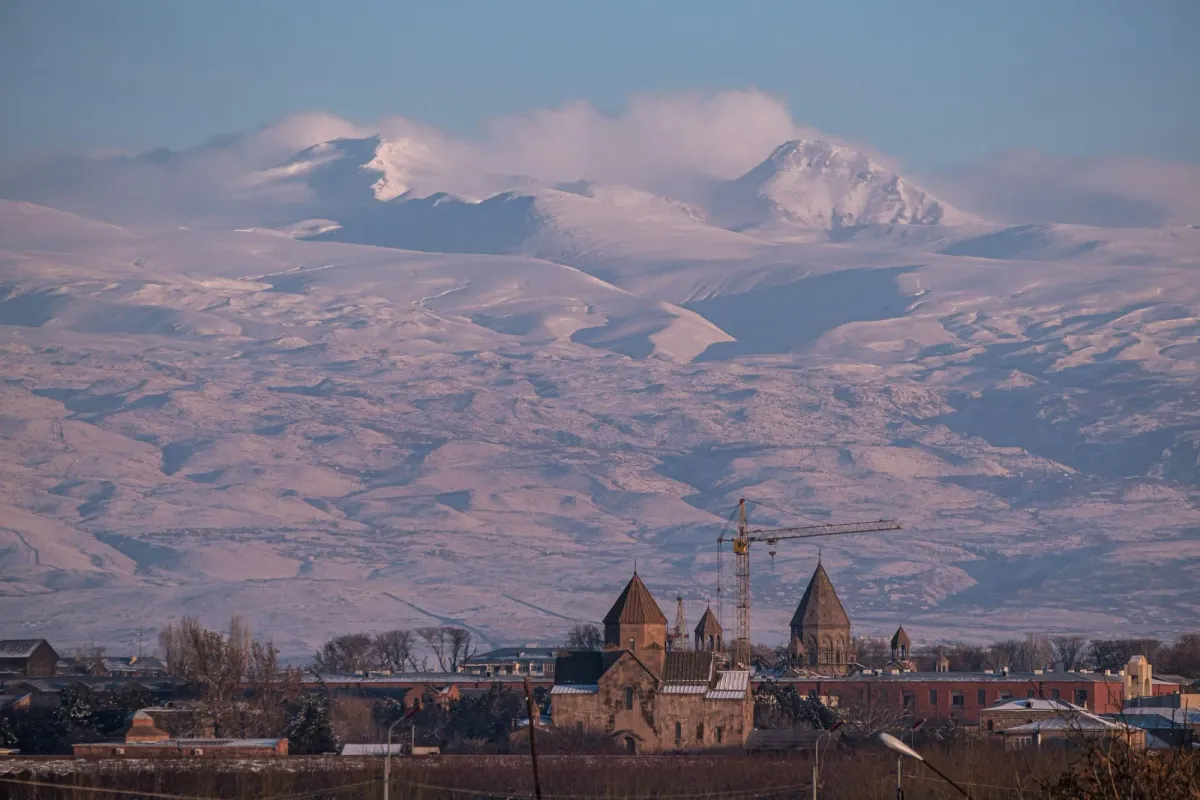
What is winter like in Armenia: climate and expectations
The first question that concerns tourists is: what is winter like in Armenia? Should one fear harsh frosts or can a light jacket suffice? The answer depends on which region you plan to spend your vacation in.
Armenia is a mountainous country, and altitude differences play a decisive role here. In Yerevan, located in the Ararat Valley, winter is usually mild and with little snow. Temperatures in the capital in January rarely drop below -5°C during the day, and the sun often shines, creating a feeling of early spring. Snow in the city falls infrequently and melts quickly, so comfortable waterproof shoes and a coat are sufficient for city walks.
However, travel just 50-60 kilometers from Yerevan and ascend into the mountains, and the weather changes dramatically. A true winter wonderland reigns here. In regions like Tsaghkadzor, Jermuk, or Shirak Province (where Gyumri is located), there is a thick, stable snow cover, and the thermometer can drop to -10°C or even -15°C. The climate here is dry, so the frost is much easier to bear than in humid European cities. There are even more sunny days in the mountains than in the lowlands, making outdoor activities incredibly comfortable.
Such a contrast allows you to combine two different worlds in one vacation: European autumn in the capital and a real snowy winter in the mountains. This is the ideal time to swap the grayness of the metropolis for the dazzling whiteness of mountain peaks.
Yerevan: coziness, jazz, and museums without queues
Armenia's capital transforms into a cozy, intimate city in winter. The tourist flow decreases, museum queues disappear, and it's easier to find a free table in restaurants. What to do in Armenia in winter if you're staying in Yerevan?
Start with a walk along the Cascade. On a clear day (and there are many in winter), the best view of the biblical Mount Ararat opens up from here. In winter, when air humidity is minimal and the peak is covered with snow, Ararat is visible especially clearly, as if painted on a blue canvas of the sky.
Yerevan is called the city of pink tuff, but in winter, this stone acquires new shades, contrasting with the gray sky or rare snow. Stroll through Republic Square, visit Northern Avenue, where a Christmas market unfolds. Here you can buy souvenirs, drink mulled wine, and try local sweets.
Winter is the ideal time for a cultural program. Visit Matenadaran – the repository of ancient manuscripts, the Sergei Parajanov Museum, or the National Gallery. After cultural enrichment, it's time to immerse yourself in the city's musical life. Yerevan is famous for its jazz clubs. Malkhas Jazz Club or Mezzo are legendary places where you can listen to the virtuoso playing of local musicians over a glass of Armenian cognac. In winter, these dimly lit halls are especially atmospheric.
To begin your immersion in this atmosphere, it's enough to buy tickets to Yerevan on Kupi.com. A direct flight will take about three to four hours, and you'll find yourself at the heart of the action. Armenia's capital in winter is not about rushing around, but about unhurried enjoyment of life.
Ski paradise: Tsaghkadzor
If winter is unimaginable for you without skis or a snowboard, then Tsaghkadzor is your direct destination. This is the country's main winter resort, located just an hour's drive from the capital.
Tsaghkadzor is located on the slopes of Mount Teghenis. Snow falls here in December and lasts until the end of March. The snow cover reaches one and a half meters, providing excellent skiing. The main advantage of Tsaghkadzor is sunny weather and the absence of strong winds. Even in the middle of winter, skiing here is comfortable.
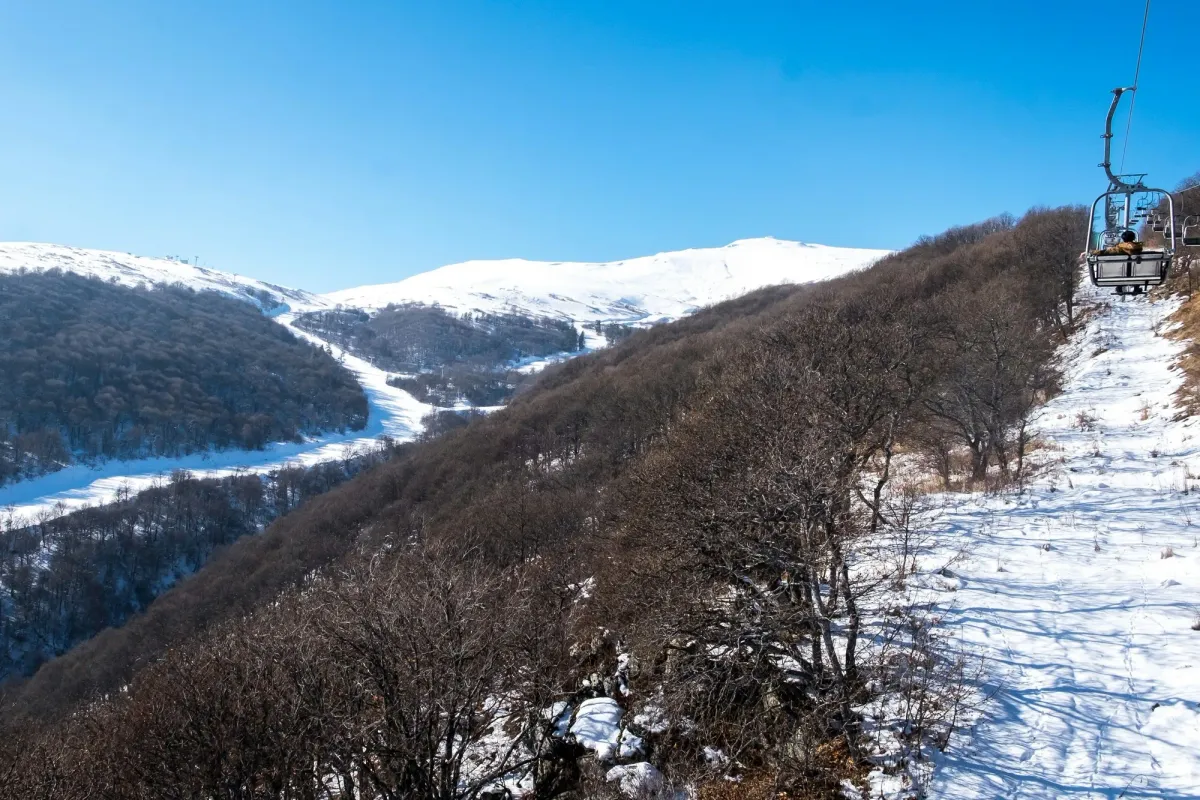
The resort's infrastructure is actively developing. A modern chairlift operates here, meeting international standards. The slopes are designed for different skill levels:
- Lower section – for beginners and children, as well as for bobsleigh.
- Middle section – for confident skiers.
- Upper section – for extreme sports enthusiasts and black runs. From the top, a fantastic view of Lake Sevan and Ararat opens up.
Tsaghkadzor has everything for a complete vacation: equipment rental, schools with professional instructors, hotels for every budget – from luxurious Marriott to cozy guesthouses. And most importantly, prices for ski passes and accommodation here are significantly lower than at European or even Russian resorts, with comparable service quality.
After an active day on the slopes, you can visit Kecharis Monastery (11th–13th centuries), which is located right in the town. The ancient black walls of the monastery against the white snow look mystical.
Jermuk: health and winter waterfalls
Another option for a winter vacation is the balneological resort of Jermuk. People come here not so much for active sports (although there is also a ski slope here), but for health and relaxation. Jermuk is famous for its hot mineral springs, whose composition is similar to the waters in Karlovy Vary.
What to see in Armenia in winter in the Jermuk area? Undoubtedly, the famous Jermuk Waterfall, which is called 'Mermaid's Hair'. In winter, it partially freezes, turning into a whimsical ice sculpture, inside which water continues to flow. A captivating sight.
Jermuk's sanatoriums and spa hotels offer wellness programs, including mineral baths, massages, and inhalations. In winter, when the body is weakened, such a vacation becomes a real salvation. Imagine: outside there's frost and snowdrifts, and you're swimming in a warm pool with panoramic windows overlooking the snow-covered Arpa gorge.
Sevan: the stark beauty of a cold lake
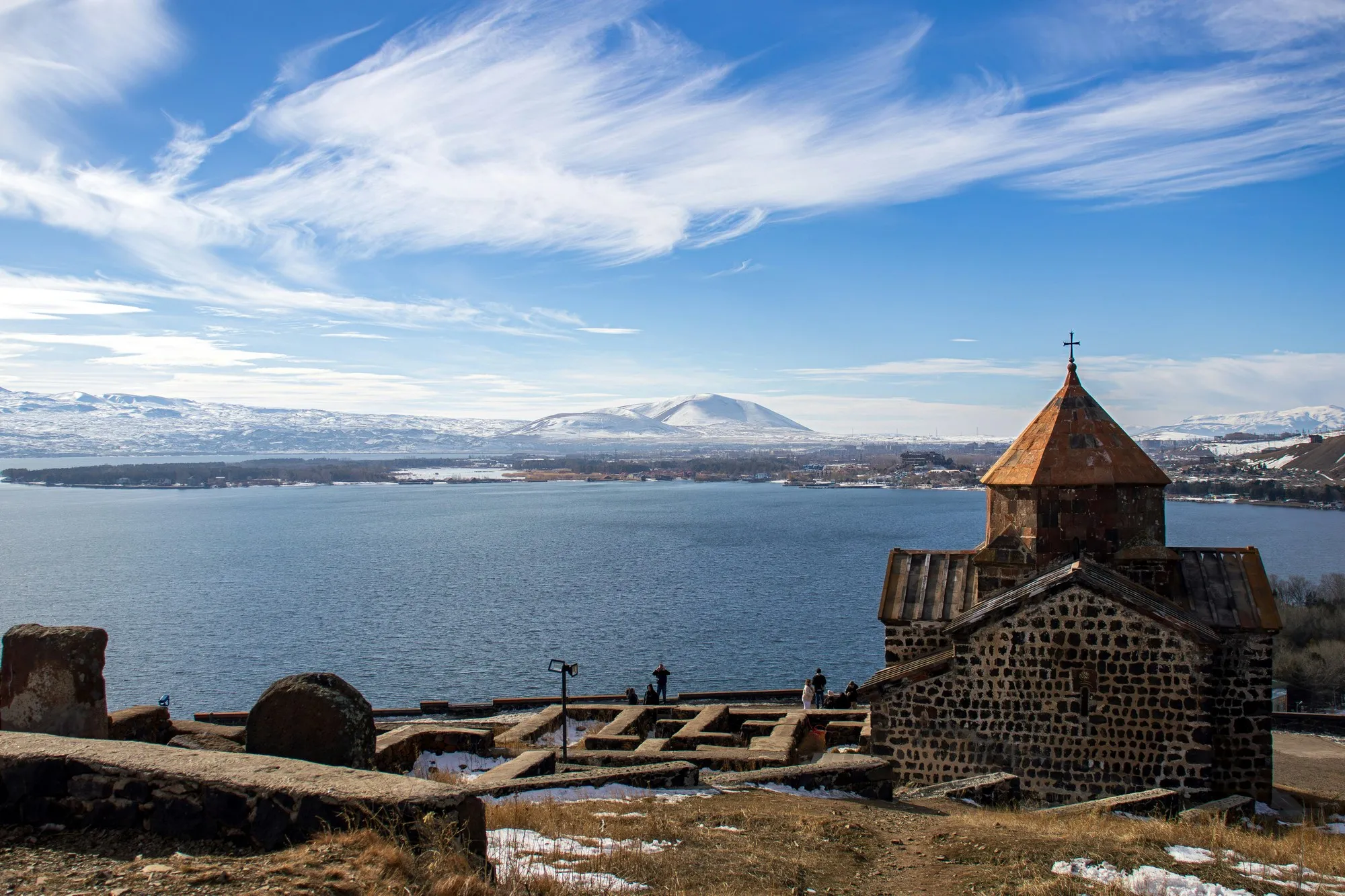
Many tourists consider Sevan exclusively a summer destination, where they escape the heat and swim. But to see Sevan in winter is a privilege for aesthetes. The vast high-altitude lake, surrounded by snow-capped ridges, looks stark and majestic. The water changes color from lead-gray to deep blue.
Ascend to Sevanavank Monastery on the peninsula. The stairs might be slippery, but the view from the top is worth the effort. The wind here is piercing, so dress warmly. After your walk, be sure to visit one of the lakeside restaurants. In winter, they serve the famous Sevan whitefish or crayfish tail kebab. Hot food, a view of the winter lake, and the crackling of wood in the stove create a unique coziness.
Gyumri: cultural capital in black and white tones
Armenia's second-largest city, Gyumri, is especially colorful in winter. The city is built from black and red tuff. When white snow falls on the black buildings, Gyumri transforms into a living black and white photograph.
Gyumri is a city of artisans, humor, and art. Stroll through the old center (Kumayri district), where 19th-century architecture is preserved. Visit the Frunzik Mkrtchyan Museum or the Aslamazyan Sisters Museum. Winters in Gyumri are harsher than in Yerevan, so warm cafes and restaurants are especially appreciated here. Local cuisine has its peculiarities; be sure to try Gyumri kyalla (baked beef head) or tatar boraki.
You can get here by modern high-speed train from Yerevan or directly buy tickets to Gyumri on Kupi.com (Shirak Airport accepts direct flights). This is an excellent option if you want to start your journey from the north of the country.
What to see in Armenia in winter: ancient temples in the snow
Armenian architecture perfectly complements the winter landscape. The strict forms of temples built from volcanic tuff look graphic and expressive against a white background. Here is a list of places you must visit:
- Garni and Geghard. The pagan temple of Garni (1st century AD), resembling the Greek Parthenon, looks utterly surreal in winter. Ancient columns amidst the snow-covered Caucasus mountains – a ready-made backdrop for a historical film. Just a few kilometers away is Geghard Monastery, partially carved into the rock. Inside the cave churches, it's always cool, but in winter, a special silence reigns here. The acoustics in Geghard are unique – if you're lucky enough to hear a choir singing here, goosebumps are guaranteed.
- Khor Virap. A monastery at the very foot of Ararat. In winter, the air is so clear that it feels like you can touch the mountain. Ararat's snow cap merges with the snow-covered valley, and the monastery seems to float against this grandeur.
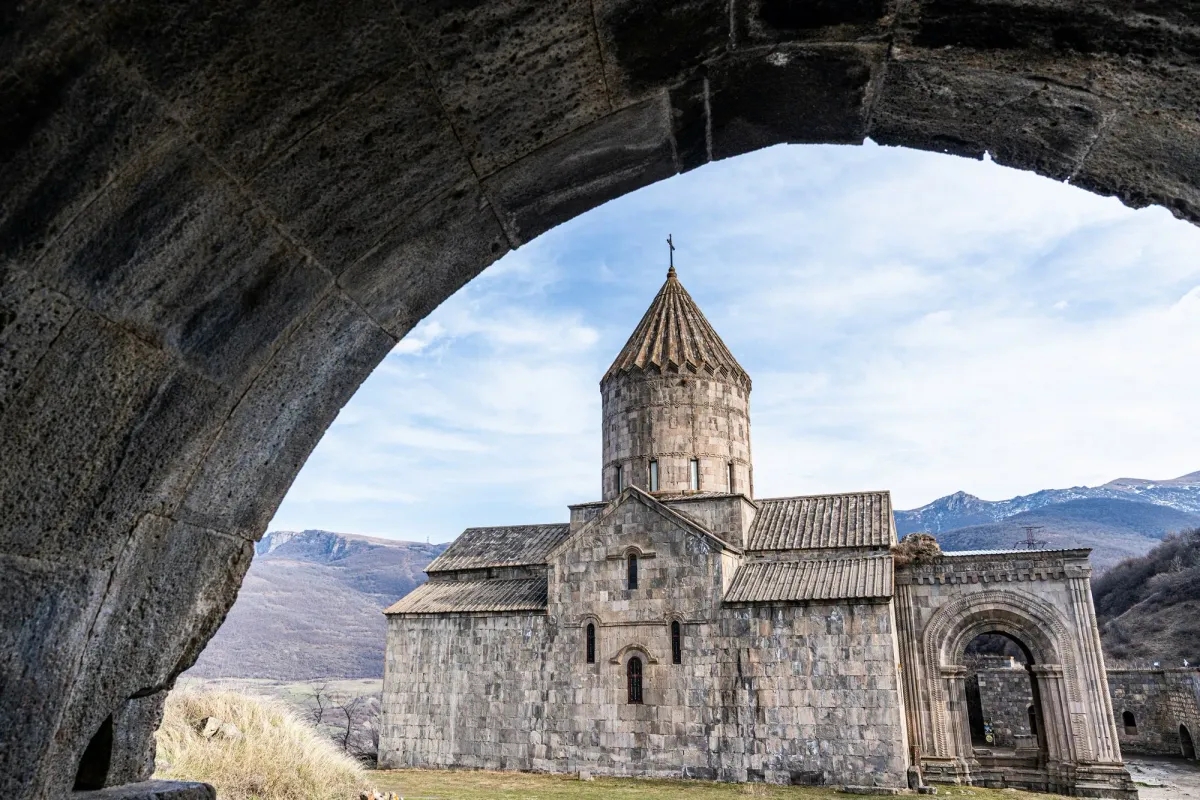
- Tatev. The world's longest reversible cable car, 'Wings of Tatev,' operates in winter too (unless there's strong wind). Flying over the snow-covered Vorotan River gorge is an adrenaline rush and pure delight. Tatev Monastery itself is almost empty in winter, allowing you to enjoy its energy in solitude.
To see these beauties, it's most convenient to rent a car with a driver or book excursions from Yerevan. Roads to major attractions are regularly cleared, but mountain serpentines require winter driving skills.
Gastronomic ritual: khash season
To talk about winter Armenia and not mention khash is a crime. Khash is not just a soup; it's a philosophy, a ritual, and the main gastronomic reason to come here specifically in the cold season.
Khash is prepared from beef feet, which are boiled all night until the broth becomes thick and rich. It is eaten early in the morning (usually on a weekend), hot, with plenty of garlic and dried lavash, which is crumbled directly into the plate. Khash is always served with radish, herbs, pickles, and, of course, vodka (fruit or classic).
Khash warms you up, energizes you for the whole day, and brings friends together at one table. It is believed that khash is eaten only in months whose names contain the letter 'r' (from September to April), but January and February are the peak season. Every restaurant in Yerevan and beyond will offer you this dish in winter. Remember: after khash, it's not customary to plan active affairs; it's a day for lazy contemplation and conversation.
Practical tips for the winter traveler
- Clothing. Dress in layers. In Yerevan, it can be +5°C during the day and already -2°C in the evening. In the mountains, temperatures drop to -15°C. Be sure to bring thermal underwear, a good hat, gloves, and non-slip footwear.
- Transport. Marshrutkas run between cities, but for comfortable travel to attractions, it's better to use a taxi (Yandex Go, GG apps work great) or hire a guide with a car.
- Money. Mir cards work in many places, but it's better to carry cash drams, especially when traveling to regions and buying souvenirs in markets.
- Connectivity. Buy a local SIM card at the airport or in the city; internet in Armenia is fast and inexpensive, and it even works in the mountains.