Gen Z Travel Trends
 Yasya
YasyaGeneration Z (Gen Zers, born between 1997 and 2012) is the first demographic group that doesn't remember a world without the internet. They grew up observing "perfect lives" on social media, and... rejected it for something more authentic.
Today, Gen Zers are the driving force of the travel market. They don't save up for an apartment or a car; they save up for experiences. In this article, we won't discuss the reasons for this behavior, but we will analyze the trends it has shaped, because Gen Z's approach to travel fundamentally differs from the habits of previous generations. We've identified 9 main trends that have become particularly prominent in recent years, and we've translated modern slang into universally understandable language.
TikTok instead of Google
For a Gen Zer, a text review on popular aggregator sites is "last century" and untrustworthy (after all, it could have been written by a bot or AI). The truth is now in video format.
A Gen Zer doesn't search for "where to eat in Rome" in a search engine. They open a feed of short videos and type in "Rome food hacks." They need video proof: what the dish looks like, what music is playing in the establishment, how many people are there. If there are many, that's good; if the video has millions of views, even better. The key word here is "vibe" (atmosphere, mood). If the vibe is right, the place gets bookmarked.
A sub-type of this behavior is set-jetting, which means traveling to the filming locations of favorite TV series. A single trendy and popular show, like "The White Lotus," can restart tourism in entire regions.
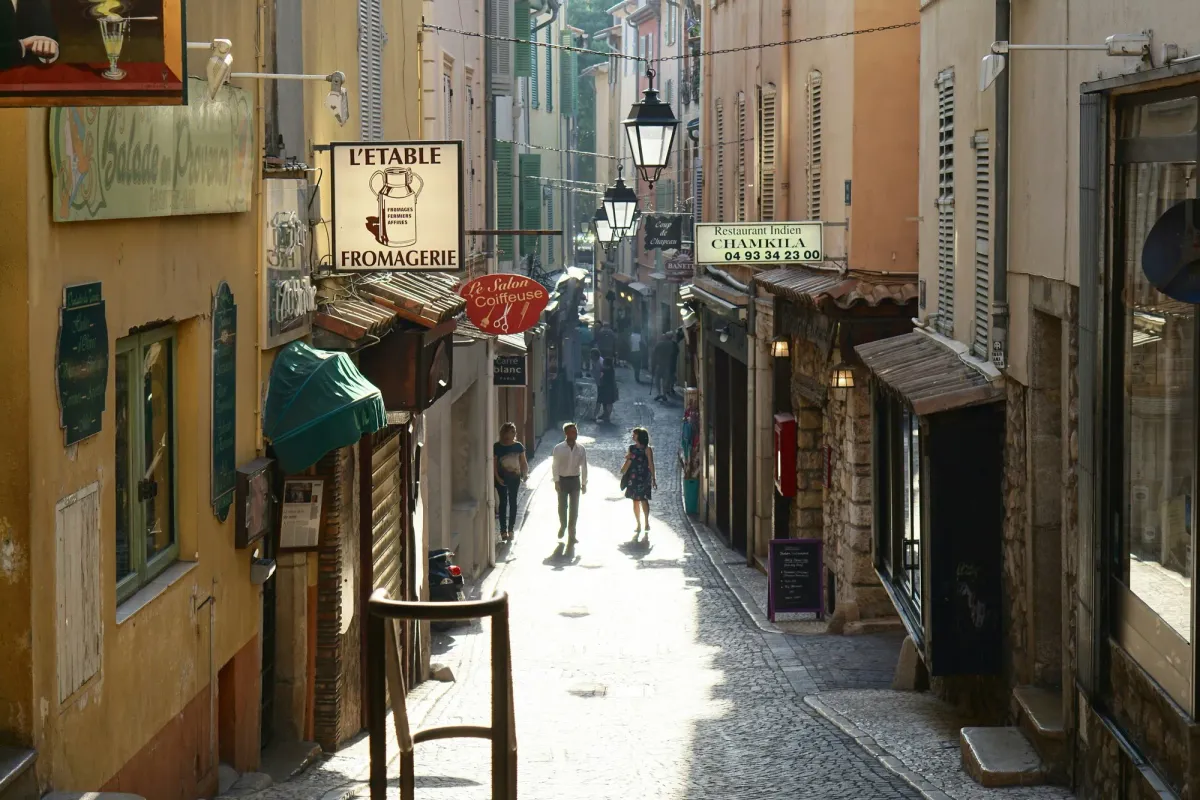
Meanwhile, the former "postcard views" are fading into the background. Gen Zers often ignore major attractions (like the Eiffel Tower). There are too many people there (which detracts from the vibe), and pushy souvenir vendors spoil the experience. But the main idea is, "What haven't we seen there?" Overused and overly trivial spots on the map are deliberately excluded from the plan. Instead, Gen Zers seek out secret locations to capture unique content that others don't have.
Hunting for Dupes
Gen Zers are a financially savvy and pragmatic generation. They don't want to overpay for a country's hyped brand. This gave rise to the powerful trend of "travel dupes" (from the English dupe – a copy, an analog).
The essence is simple: why go to crowded and expensive Santorini when there's a similar Greek island, Paros, which costs half as much and looks the same, but without the crowds?
- Instead of the Maldives – Ksamil (Albania) or the Philippine islands.
- Instead of Switzerland – Georgia or the mountains of Kyrgyzstan.
- Instead of Seoul – Taipei. If you like Asian aesthetics, neon signs, and street food, but are intimidated by prices in South Korea, Gen Zers (and we along with them) recommend buying tickets to Taipei (via China). It's cheaper, more authentic, and "truer."

Sanatoriums
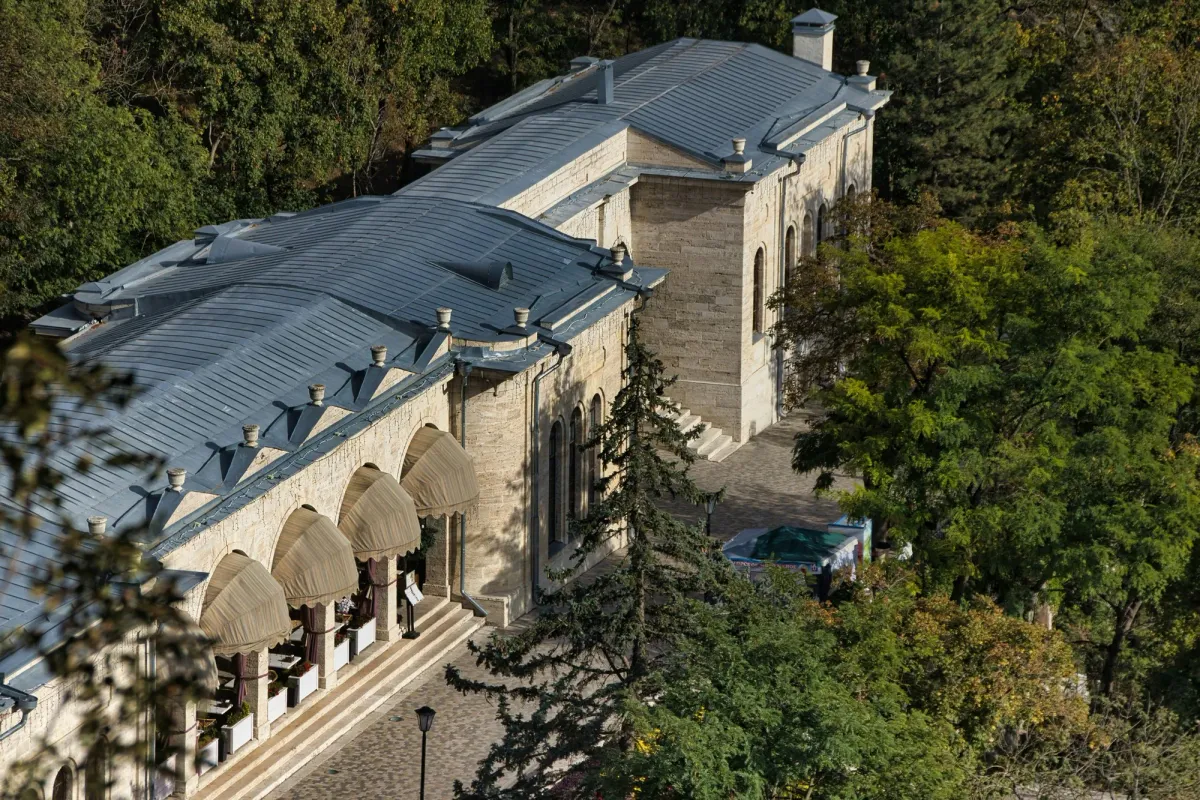
Gen Zers have reinvented trips "to the waters." While for millennials, sanatoriums are still associated with something boring, obligatory, and "for pensioners," for young people, it's now "retro aesthetics" and "total wellness."
A healthy lifestyle is generally highly valued by Gen Zers, and if you add the prefix "ironic" to it, the final picture becomes especially appealing. Gen Zers go to Kislovodsk or Zheleznovodsk not only for treatment but also to take photos in Stalinist Empire or Soviet Modernist interiors reminiscent of Wes Anderson films. Baths, mud treatments, and Charcot showers are now perceived as exotic spa rituals that actually work but cost many times less than trendy metropolitan salons.
The financial aspect also plays a role. A sanatorium can be affordable if planning is approached consciously (which is a key concept in Gen Z's life). So, it's enough to buy tickets to Mineralnye Vody on Kupi.com, and in a couple of hours, you can already walk along the therapeutic paths and drink Narzan, "cleansing chakras" and restoring mental health.
Micro-vacations
Gen Zers live at a fast pace and often suffer from burnout. Planning a complex two-week vacation once a year is risky and expensive for them. This has been replaced by a trend for frequent short trips (2-4 days).
This is done to quickly recharge without being out of work or study processes for too long. Flew out Friday evening with just a backpack, returned Monday morning straight to the office. Such a trip doesn't require a lot of money, and tickets can even be bought spontaneously, a couple of days before departure, just on a whim.
Cities with a flight time of no more than 3-4 hours are preferred. For example, an excellent option for a weekend recharge is tickets to Kaliningrad or Kazan.

Concert Tourism
Before, we adjusted our leisure time to fit our vacation. Gen Zers do everything in reverse. This phenomenon, dubbed "gig-tripping" (concert tourism), has exploded in the market in recent years thanks to world tours by stars like Taylor Swift and Beyoncé.
The logic is ironclad: such concerts are not expected in our region, and a second major show might simply not happen. Therefore, vacation dates are chosen to align with a favorite artist's tour. So, in 2025, one could fly to Abu Dhabi for Ed Sheeran, Almaty for Thirty Seconds to Mars, or Baku for One Republic. A Gen Zer finds it more interesting to buy tickets to Istanbul on Kupi.com, spend three days there, attend a concert, and then explore the city for a couple more days, instead of scrolling through social media feeds on a beach for two weeks.

"Raw" Travel
The era of glossy, "polished" photos, where a girl in a flowing dress stands alone in an empty square at 5 AM, is gone. Gen Zers consider this fake and cringe. The trend is "raw travel" (Raw – unprocessed) and "photo dumps" (carousels of 10 random photos on social media).
This means that the feed includes not only a beautiful sunset but also a blurry photo of food, a funny sign, a street cat, and even a photo of a tired face after a flight. The goal is to show the trip as it is: with chaos, imperfections, and genuine emotions. A measured life is valued more than a frantic race to check off attractions from a list.
Solo Travel
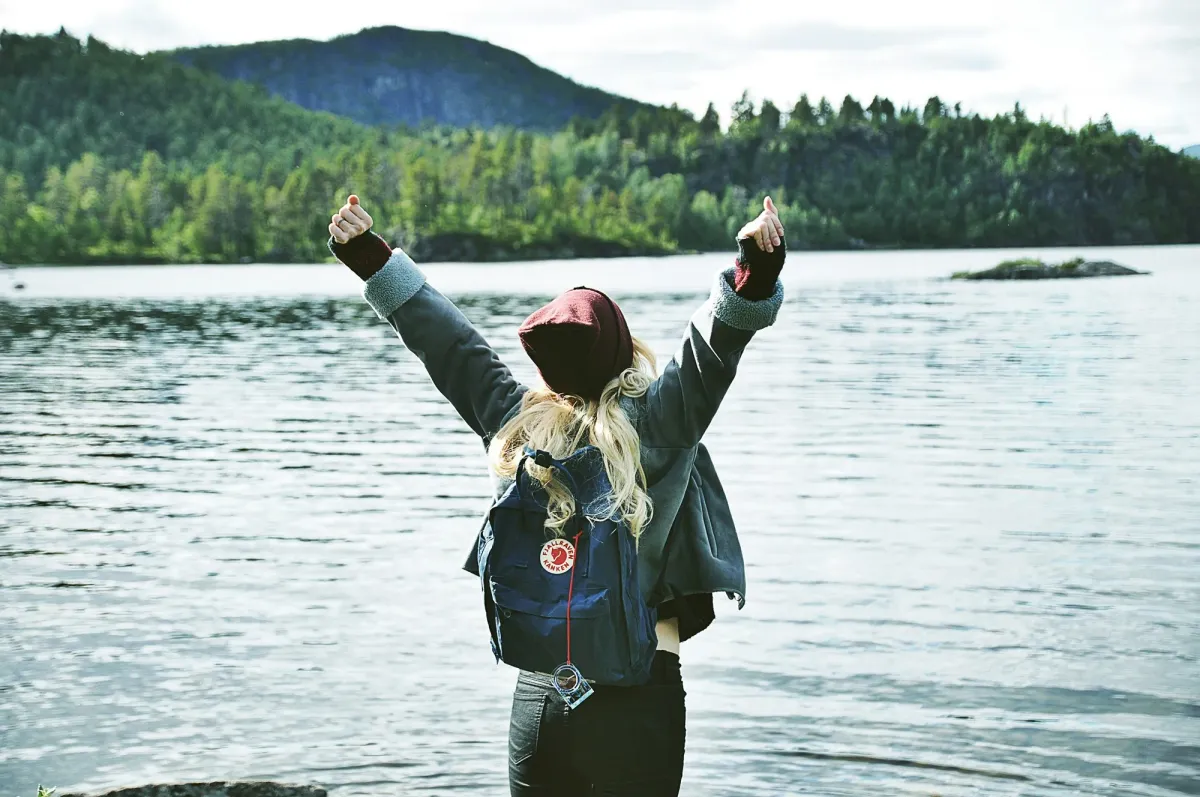
Solo travel is no longer a sign that you have no friends. Now it's a way to practice self-care and activate, as Gen Zers say, "Main Character Energy."
Gen Zers travel alone to avoid adjusting to someone else's schedule. Want to sleep until noon? You sleep. Want to spend all day browsing vintage shops? You browse. At the same time, solitude doesn't mean isolation. Gen Zers actively meet new people, socialize, and use Telegram channels to find company for an evening out at a bar, only to go their separate ways again in the morning.
AI Planning
Gen Zers don't like calling people. Calling a travel agency is always stressful. But they communicate excellently with neural networks. Chatbots and artificial intelligence (AI) are used to create personalized itineraries in seconds.
Example: "Create a Belgrade itinerary for 2 days, budget 100 euros, I love brutalism, craft beer, and flea markets. Don't suggest classic museums." AI handles this task faster than a human. If you want to test such an itinerary, you can check tickets for the Moscow – Belgrade route, and entrust the program to technology.
Mindfulness Without Fanaticism
Gen Zers are concerned about the climate crisis, but they are realists. They understand that completely giving up airplanes is impossible. Therefore, their eco-activism manifests in three other trends:
- Supporting local: they are more likely to buy a souvenir from an artisan and eat at a family tavern than go to a global fast-food chain.
- Slow travel: instead of visiting 5 countries in 10 days ("galloping across Europe"), a Gen Zer will choose one country and spend two weeks there, immersing themselves in the culture.
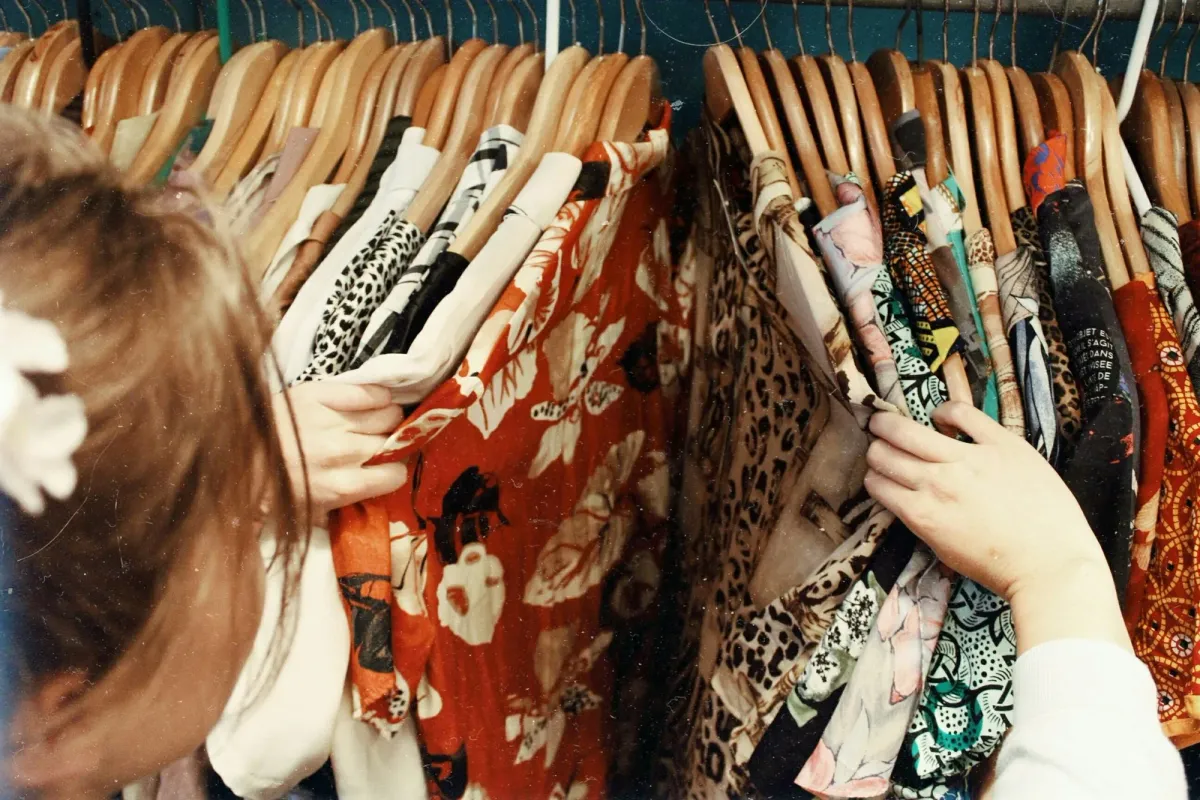
- Visiting local second-hand shops and flea markets: a mandatory item on the itinerary in any city, from Berlin to Yerevan. Finding a vintage jacket in another country is a special kind of sport and the best souvenir.
Gen Zers have changed the rules of the game. They seek authenticity, uniqueness, and emotional resonance. For them, travel is a way to create content, care for mental health, and escape digital noise. They are not tourists; they are explorers of reality.