Support

Gaza

About

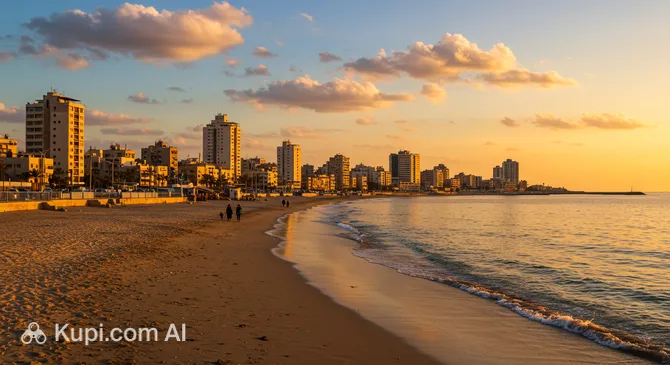
Gaza is one of the oldest continuously inhabited cities in the world, located on the southeastern coast of the Mediterranean Sea. As a major center of Palestine, this city has a population of about 600,000 and boasts a rich history stretching back millennia. Its unique atmosphere is steeped in the spirit of the ages, making it a fascinating destination for history and culture enthusiasts.

Gaza. Illustration.
Source: Kupi.com AI

Among the iconic sites to visit in Gaza, the Great Omari Mosque stands out—an impressive historical and architectural monument bearing the traces of various eras. Also worth noting is the Pasha's Palace (Qasr al-Basha), which today functions as a museum, offering visitors a chance to explore artifacts and the region's history. A stroll through the colorful markets of the old city will allow you to immerse yourself in local life and discover traditional crafts.

A visit to Gaza provides a rare opportunity to touch living history, explore ancient monuments, and discover the unique culture of this distinctive corner of the world.

You can find more interesting facts on the Gaza city history page.

Weather Overview

The weather in Gaza is characterized by very hot and dry summers, and mild, wetter winters. In the summer months, especially from June to September, the average air temperature usually stays in the range of 25°C to 28°C, and precipitation during this period is practically non-existent. Winters, from December to February, are mild here, with an average temperature of about 14-17°C; these months account for the main, though small, amount of annual precipitation. Spring and autumn are pleasant transitional seasons with comfortable temperatures. Expect hot, sunny summers and mild winters with a small amount of rain. For a more detailed study of weather conditions by month, we recommend visiting the Gaza Climate page.

Average monthly temperature

Average monthly precipitation

Interesting Facts

Beyond its ancient roots and iconic landmarks, Gaza holds many curious details and lesser-known stories that add a special flavor to the city. Here are just a few of them:

  • In ancient times, Gaza was famous for producing wine that was in high demand and exported to many corners of the Mediterranean. Archaeologists still find "Gaza wine" amphorae far beyond the region.

  • The name "Gaza" is believed by scholars to originate from an ancient Semitic word meaning "strength" or "fortress." This name reflected the city's vital strategic position over thousands of years.

  • In 1799, during his famous Egyptian campaign, Napoleon Bonaparte's troops occupied Gaza. Although the French presence was brief, this fact is inscribed in the city's rich history.

  • Gaza was one of the key points on the ancient "Incense Route"—a vital trade route used to transport precious aromatic resins and spices from South Arabia to Mediterranean ports.

How to Get There

Planning a trip to this ancient city requires attention to logistics, as direct transport routes may be limited. To learn all the details and nuances, we recommend reading more about how to get to Gaza on a dedicated page. The primary route for travelers involves flying into major international airports in neighboring cities followed by a land transfer.

Since there is no active civilian airport in Gaza City itself, most tourists choose to fly into Ben Gurion Airport (TLV). It is located in Tel Aviv, approximately 91 km from Gaza. This is the largest aviation hub in the region, receiving flights from all over the world. A trip from the airport to the border by taxi or pre-booked transfer usually takes about 1.5–2 hours, excluding time for necessary procedures.

An alternative option is Queen Alia International Airport (AMM) in Amman. It is located at a distance of about 165 km. This route is often chosen by travelers combining their trip with a visit to Jordan. The journey from here to Gaza is significantly longer and requires crossing several borders, which should be factored into your time planning.

You may also consider flying into Taba International (TCP) in the Egyptian city of Taba (about 201 km) if you plan to enter from the south; however, this route is less popular due to logistical specifics.

For clarity, here is a summary of the main airports used to reach the region:

AirportPassenger trafficDistance
Ben Gurion International Airport21.1 m91 km
Queen Alia International Airport9.2 m165 km
Haifa Airport275,000176 km
Ramon Airport1.8 m193 km
Taba International49,000201 km

Regarding rail transport, there is currently no direct connection to Gaza City. Railway tracks do not lead directly into the city. Travelers can take trains to the nearest major transport hubs in neighboring regions, but the final leg of the journey must be completed by car, bus, or taxi. It is recommended to verify current routes and available ground transfer methods in advance.

Main Attractions

Gaza, despite its complex history, preserves several significant sites of interest to travelers seeking a deeper understanding of the culture and past of this ancient city. Here are some of the key attractions that deserve attention:

The Great Omari Mosque (Al-Omari Grand Mosque) is one of the most significant and ancient structures in Gaza. Its history is multi-layered: it is believed that an ancient Philistine temple originally stood on this site, followed by a Byzantine church, which was later converted into a mosque. The mosque's architecture reflects various historical periods, including Mamluk and Ottoman elements. For tourists, this site is interesting for its rich history, impressive architecture, and status as an active religious center.

Pasha's Palace (Qasr al-Basha) is a well-preserved Ottoman-era building that once served as the residence of the local governor. Today, it houses a museum where visitors can see archaeological finds and exhibits detailing the region's history. Touring the palace allows you to touch upon the lifestyle and administrative structure of past centuries, as well as appreciate the traditional architecture.

The Church of Saint Porphyrius is an active Orthodox church considered one of the oldest in the world. Built in the 5th century and named after Saint Porphyrius, the Bishop of Gaza who played a vital role in the city's Christianization, the church is an important spiritual center for the local Christian community. Tourists are drawn to its antiquity, unique history, and preserved architectural elements that testify to centuries of Christian tradition in the region.

Old City Markets, such as Souq al-Zawiya, offer a vibrant immersion into the daily life of Gaza. These traditional bazaars are filled with the aromas of spices, local produce, handicrafts, and textiles. Walking through the narrow streets of the market is an opportunity not only to purchase authentic souvenirs but also to observe bustling local trade, feel the color of an oriental bazaar, and perhaps sample local delicacies.

Local Cuisine

The cuisine of Gaza is a vibrant reflection of its coastal location and rich agricultural history. Local dishes are distinguished by the use of fresh vegetables, aromatic herbs—especially dill—and, of course, the bounty of the Mediterranean Sea. Gaza's gastronomy is known for its rich flavors, where the heat of chili peppers harmoniously combines with other spices to create a truly unforgettable experience.

Among the dishes you must try in Gaza is Dagga Gazzawiya—a spicy salad made of crushed tomatoes, dill, garlic, and hot peppers, often served with flatbreads. Another iconic dish is Sumagiyya, a thick stew with sumac, tahini, chard, and pieces of meat, traditionally prepared for holidays and special occasions. One cannot overlook the fresh seafood: fried or grilled fish, calamari, and shrimp hold a place of honor on the local menu.

Among beverages, traditional regional options are popular in Gaza. Be sure to try the aromatic Arabic coffee (kahwa), often with added cardamom, and refreshing mint tea (shay bi nana). On a hot day, fresh-squeezed juices, especially pomegranate or citrus, are perfect for quenching thirst. Alcoholic beverages are not a feature of the local gastronomic culture and are generally not widely available.

The food culture in Gaza is closely tied to family traditions and hospitality. Residents often cook at home using fresh products from the markets. Tourists can experience authentic cuisine in small local restaurants serving traditional dishes. Street food is also popular—here you can grab a quick snack of falafel, shawarma, or fresh pastries. Visiting local markets, such as the colorful bazaars in the old city, allows you not only to buy fresh produce and spices but also to immerse yourself in the atmosphere of daily life in Gaza.

Travel Tips

Planning a trip to Gaza? Wonderful! To make your journey as comfortable as possible and leave you with only positive impressions, we have prepared several practical tips to help you navigate locally.

  1. Clothing and Essentials: The climate in Gaza is Mediterranean, with hot, dry summers and mild, wet winters. In summer (June–September), choose light, loose clothing made of natural fabrics; be sure to bring a hat, sunglasses, and high-SPF sunscreen. For spring and autumn, layered clothing is suitable. In winter (December–February), you may need a sweater, a light jacket, and an umbrella. Comfortable walking shoes are your best friend in any season. When visiting religious sites, such as the Great Omari Mosque, it is important to follow the dress code: women are advised to cover their head, shoulders, and knees, and men should cover their shoulders and knees. Don't forget a universal adapter for charging your devices.

  2. Transport: The main modes of transport in Gaza are shared taxis (services) and regular taxis. Shared taxis run in specific directions and are an inexpensive way to get around. A regular taxi is more comfortable, but it is best to agree on the fare in advance, as taximeters are not always used. Public transport such as metros or trams is absent. Car rentals for tourists are generally not common and can be complicated.

  3. Finances: In Gaza, the Israeli New Shekel (ILS) is primarily used for transactions. In some places, especially in tourist areas or for large purchases, US Dollars (USD) or Jordanian Dinars (JOD) might be accepted, but it is better to clarify this in advance. You can exchange currency at banks or specialized exchange offices. The use of bank cards is very limited, especially in small shops, markets, and some restaurants, so it is highly recommended to carry a sufficient amount of cash. ATMs exist, but their compatibility with international cards and the availability of funds can be unstable. A tipping culture exists: in restaurants, it is customary to leave 5-10% of the bill for good service if a service charge is not included.

  4. Health and Safety: Before your trip, be sure to take out comprehensive medical insurance covering potential expenses. It is recommended to drink only bottled or boiled water. There are pharmacies in the city, but not all operate 24/7. Follow general precautions: watch your belongings, especially in crowded places, and do not leave valuables unattended. Try to avoid walking alone in unfamiliar and poorly lit areas after dark. It is also recommended to carefully follow news and official travel warnings regarding the region and always prioritize personal safety.

  5. Communication: The official and primary language of communication in Gaza is Arabic. English may be spoken among young people and in the tourism sector, but do not count on it everywhere. Learning a few basic phrases in Arabic, such as "Salam Alaikum" (hello), "Shukran" (thank you), and "Min fadlak/fadlik" (please), will show respect for the local culture. A local SIM card for mobile data and calls can be purchased upon arrival. Wi-Fi access is usually available in hotels and some cafes, but connection speed and stability may vary.

  6. Local Etiquette: Residents are generally hospitable. A handshake greeting is the norm (usually between people of the same gender). It is important to show respect for local traditions and customs. Dress modestly, especially women. Always ask for permission before taking photos of people. Public displays of affection are not accepted. If you are invited to a home, it is a sign of great respect—accept the invitation with gratitude.

  7. What to Avoid: Refrain from photographing government buildings, military sites, and personnel without special permission. It is strongly discouraged to initiate or actively participate in discussions on political or religious topics to avoid misunderstandings and potentially awkward or unpleasant situations.

  8. Additional Tip – Markets and Shopping: Be sure to visit local markets, such as Souq al-Zawiya, to experience the city's authentic atmosphere and see a variety of goods—from fresh produce and spices to handicrafts and textiles. Don't hesitate to bargain—it is part of the local shopping culture, but do so politely and with a smile.

We hope these tips help you better prepare for your trip and make your stay in Gaza more meaningful and pleasant. We wish you interesting discoveries and a safe journey!

Entertainment & Nightlife

Entertainment and nightlife in Gaza differ significantly from the typical European format of loud discos and bars. Here, evening leisure is primarily a social phenomenon—a time for connecting with family and friends, enjoying delicious food, and the cool sea breeze. "Nightlife" in the city is concentrated around restaurants, cafes, and long walks, where an atmosphere of hospitality and relaxation prevails.

The main artery of evening life is The Corniche (Al-Rashid Street). As the sun sets, this street comes alive: locals head out for a promenade to escape the daytime heat. You can find many simple street cafes here serving mint tea, Arabic coffee, and boiled corn. The atmosphere on the waterfront is casual and lively, making it the best place to feel the true rhythm of the city and observe local traditions.

For a more refined experience, head to the prestigious Rimal district. This is the center of modern city life, home to the best restaurants and cafes. Establishments here often stay open late into the night. A popular leisure choice is visiting restaurants with open terraces, such as Roots or the terrace of the Al Deira hotel, which offer magnificent sea views. In these places, you can enjoy fresh seafood dishes and smoke a hookah (nargile), which is an integral part of the local evening culture.

It is important for travelers to consider local customs: alcohol is almost entirely absent in Gaza and is not served in restaurants. The dress code for evening outings should be conservative and modest (shoulders and knees covered), which is a sign of respect for local traditions. The crowd in these establishments is usually mixed, and it is common to see large families with children even at late hours.

In terms of safety and logistics, it is recommended to use official taxis for nighttime travel. You can ask restaurant or hotel staff to call one for you. The Rimal district and Al-Rashid Corniche are considered the safest and best-lit areas for tourists. Avoid walking alone in unlit alleys and remote neighborhoods.

During the day, Gaza offers other forms of leisure. History buffs can revisit the museums mentioned earlier, while families might enjoy small amusement parks or equestrian clubs found in the suburbs. Cultural events at the Rashad Shawa Center are also popular if they coincide with the dates of your visit.

Parks & Museums

Gaza, a city with a history spanning thousands of years, offers its guests not only a deep dive into the past but also opportunities for outdoor relaxation and discovery of a unique cultural heritage. Among its streets and neighborhoods, you can find green corners for peace of mind as well as places holding priceless evidence of bygone eras.

One of the primary places for relaxation and enjoying nature in Gaza is, undoubtedly, its extensive Mediterranean coastline. The beach area attracts locals and visitors alike for a chance to walk on the sand, breathe in the fresh sea air, and admire the sunsets. It is a popular spot for family outings and social gatherings. Among the city's green zones, Al-Jundi Al-Majhool Square (The Unknown Soldier's Park) stands out, serving not only as a place of remembrance but also as a popular recreation area where one can escape the city's hustle and bustle. There are also other public gardens and squares throughout the city providing residents with space for leisure.

The cultural life of Gaza is rich and diverse, and its museums carefully preserve the region's history. A key historical site functioning as a museum is Pasha's Palace (Qasr al-Basha). Within its walls, visitors can view archaeological finds and exhibits covering various periods of Gaza's history, particularly the Ottoman era. Another notable place for antiquity lovers is the Al-Matar Museum. This private collection, often associated with the hotel of the same name, contains interesting artifacts reflecting the rich past of this land. Visiting these sites allows for a deeper understanding of the city's multilayered history.

In addition to formal museums, Gaza's cultural landscape is complemented by significant venues like the Rashad Shawa Cultural Center, which has historically served as a platform for various events, exhibitions, and performances, contributing to the preservation and development of local traditions. For a more authentic experience and a look at local culture, pay attention to the craft shops and workshops in the old part of the city, where you can see traditional products and perhaps purchase unique souvenirs. Strolling through the historical streets or observing daily life on the waterfront, especially at sunset, will also provide unforgettable impressions and help you better feel the atmosphere of Gaza.

Getting Around

The public transport system in Gaza has its own characteristics and differs from the large metro or tram networks familiar to many tourists. Movement around the city is mainly carried out using a few key types of transport, and knowing them will help you navigate easily and plan your trips.

The primary and most common form of public transport in Gaza is the shared taxi, known locally as "service" (pronounced with the emphasis on the last syllable). These are typically microbuses or passenger cars following set routes. They pick up passengers along the way and are a very economical way to get around. There are no metros, trams, or trolleybuses in Gaza. Bus services are also not the primary mode of travel for tourists within the city.

Fares in shared taxis ("services") are paid in cash directly to the driver. The cost is usually fixed for a certain segment of the route and is very affordable. Generally, there are no specialized transit cards or mobile apps for paying fares in "services." For trips in regular taxis, it is important to agree on the fare with the driver in advance before the journey begins, as taximeters are not always used. Taxi prices will be higher than "services," but they provide greater comfort and door-to-door service.

Shared taxis usually run from early morning until evening. To use a "service," simply go out to the street where its route passes and signal the driver. You can also get off by asking the driver to stop at your desired location along the way. Tickets as such are not sold—payment happens upon entry or exit. Regular taxis can be found at designated stands or flagged down on the street.

An alternative to public transport in Gaza, besides regular taxis, is walking, especially when it comes to strolling through the historical center or covering short distances. This allows for a better introduction to the city and its atmosphere. Bicycle rentals or car-sharing are not widely available to tourists in Gaza. Renting a car for self-driving is also not a typical practice for visitors and can involve several complexities.

Accommodation

When planning a trip to Gaza, it is important to research available accommodation options in advance. You can find housing of various levels in the city, though the selection may not be as wide as in major tourist centers. Generally, options range from more budget-friendly guesthouses to small mid-range hotels. Luxury resorts and large international hotel chains are typically not represented here. Options for renting apartments or rooms through local contacts may also be available, but this requires a more thorough search.

When choosing a place to stay, consider the proximity to the areas you plan to visit, as well as main transport arteries. Central city districts or locations near the coast may be more convenient in terms of accessibility. However, given the specifics of the region, it is recommended to carefully study reviews and up-to-date information about the chosen area and accommodation facility.

As specific data on large or widely known hotels is absent from the provided information, travelers should rely on searching through available online resources specializing in regional bookings or contact local travel agencies if available. In Gaza, small private hotels and guesthouses offering basic amenities may be operational.

General booking advice: regardless of the season, it is recommended to book accommodation in advance, especially if you have specific preferences. This will ensure you have a place and potentially secure better terms. Given the limited choices, early planning becomes even more vital.

As for the price range, it can vary from budget to moderate. Bookings are usually made through the few online platforms that work with properties in the region or by direct contact with property owners if possible. Always verify payment and cancellation terms.

Nearby Cities

Information on specific nearby cities for day trips is currently being collected. In general, the region around Gaza City offers various attractions, and travelers are encouraged to check local resources for day trip options according to their interests.

Shopping & Souvenirs

Shopping in Gaza is a fascinating journey into the world of oriental trade, where traditional markets sit alongside small local shops. While the city is not famous for giant shopping malls, it offers a unique opportunity to purchase authentic goods, handmade items, and the freshest local products. The focus here is on traditional crafts, textiles, ceramics, and, of course, fragrant spices and sweets.

The main centers of commercial life in Gaza are its bustling markets and certain central streets. Omar al-Mukhtar Street is considered one of the city's primary commercial arteries, where a variety of shops offering clothing, household goods, and more can be found. However, the heart of trade beats most strongly in the traditional bazaars of the old city.

Modern large-scale shopping malls in the Western sense are not a characteristic feature of the Gaza shopping scene. Instead, separate shops and, more importantly, colorful traditional markets prevail, forming the backbone of local shopping.

The markets of Gaza offer a true immersion into local culture and daily life. The most important of these is undoubtedly Souq al-Zawiya, located in the Old City. This is a lively labyrinth of narrow streets where you can find almost anything: from fresh vegetables, fruits, meat, and fish to spices, sweets, clothing, shoes, household items, and souvenirs. Another notable market is Souq al-Qaysariyya (the Gold Market), which traditionally deals in jewelry. Visiting these markets is not just shopping; it's a real adventure.

For souvenirs and commemorative gifts from Gaza, look for items featuring traditional Palestinian embroidery (tatreez)—these could be dresses, scarves, pillows, or small accessories. Handmade ceramic items, often painted with bright patterns, are popular, as are olive wood products ranging from kitchenware to decorative figurines. Naturally, one cannot ignore the local spices, dates, olive oil, and traditional sweets. A kuffiyeh (a traditional male headscarf) also makes for an authentic gift.

Shops and stalls in Gaza's markets are usually open from the morning (around 9:00-10:00) until evening (18:00-20:00). However, keep in mind that Friday is the main day off, and many establishments may be closed or operate on a reduced schedule. Some shops may also close during midday prayer times. The primary method of payment is cash, predominantly Israeli Shekels (ILS). In some tourist spots or for large purchases, US Dollars or Jordanian Dinars may be accepted, but it is better to have local currency on hand. The use of bank cards is extremely limited, so do not rely on them as your main payment method.

Information regarding Tax Free returns for tourists in Gaza is generally unavailable. This system is not common here.
Nearest cities

Reached the bottom of the page?

Looks like you know this route inside out