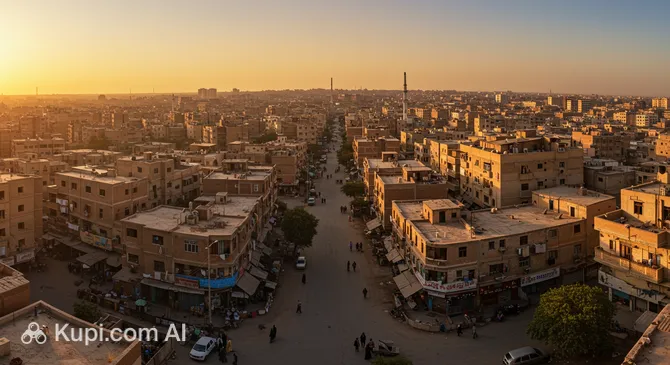
Shubra El Kheima is an energetic and multifaceted city located in the northern part of Greater Cairo in Egypt. As part of the Qalyubia Governorate, it is rightfully considered one of the country's largest industrial centers. The city possesses a unique atmosphere where the modern industrial rhythm intertwines with the traditional Egyptian way of life, creating the distinctive flavor of a vibrant and constantly evolving metropolis.
Geographically, Shubra El Kheima occupies a strategic position along the banks of the Nile, serving as a vital link between the capital and the northern regions. With a population of over 1 million people, the city is a densely populated area with dynamic daily life. There is no glossy tourist polish here; instead, authenticity is in abundance: from bustling street markets to steaming coffee shops where locals discuss the latest news.
Shubra El Kheima. Illustration.
Source: Kupi.com AI
The city's rich industrial heritage dates back to the 19th century, when textile factories began to develop actively here. For a tourist, Shubra El Kheima is primarily interesting as an opportunity to see the real Egypt without embellishment, to immerse oneself in the atmosphere of a "worker city," and to explore its textile quarters and workshops. A visit to this city is an invitation to get to know the authentic urban culture that fuels the economy and spirit of modern Egypt.
Weather Overview
The climate in Shubra El Kheima is typical for Egypt's desert regions: hot, dry summers and very mild, pleasant winters predominate here. July and August are considered the hottest periods, when daytime temperatures often reach +35°C...37°C. During this time of year, rain is practically non-existent, and the sky remains cloudless, which requires travelers to use sunscreen.
The winter months, especially December and January, bring much-anticipated coolness. The average daytime temperature during this period is a comfortable +14°C...20°C, although at night the thermometer can drop to +9°C, a reminder of the proximity to the desert. If you want to study the city's climate in more detail, it's worth noting that spring and autumn are considered the most favorable seasons for walking, when the heat hasn't yet reached its peak and the probability of precipitation remains minimal.
Average monthly temperature
Average monthly precipitation
Interesting Facts
Shubra El Kheima is among the five largest cities in Egypt by population, surpassing many well-known resort centers.
The city is the historical center of the country's textile industry; many factories operating here today grew out of productions established as far back as the 19th century.
Despite its industrial focus, the city is located just 10–15 kilometers from central Cairo, making it an integral part of the metropolitan area.
Unlike tourist zones, a high concentration of traditional Egyptian markets has been preserved here, with prices geared exclusively toward locals.
The city serves as an important transport hub connecting the Nile Valley with the Delta through an extensive network of railways and highways.
How to Get There
Thanks to its proximity to the capital, Shubra El Kheima boasts excellent transport accessibility. Most travelers arrive here via Cairo, using its developed infrastructure as a primary transit point. You can find detailed routes on the page describing ways to reach the city.
The nearest major air hub is Cairo International Airport (CAI). From the airport to Shubra El Kheima, the most convenient way to travel is by taxi or by booking a transfer through popular apps; the journey usually takes about 30–45 minutes depending on traffic. You can also use buses that run to the nearest metro stations, which significantly reduces the cost of the trip.
Rail travel is one of the most convenient and fastest ways to get to the city. Trains from Cairo depart regularly, and the journey time is only 20–30 minutes. The commuter rail service is very well-developed, making it easy to move between Shubra El Kheima and neighboring settlements in the Qalyubia region.
Station
Passenger traffic
Distance
El-Marg
4
8 km
El-Marg
4
8 km
Port Said railway station
5
161 km
Alexandria railway station
8
176 km
Main Attractions
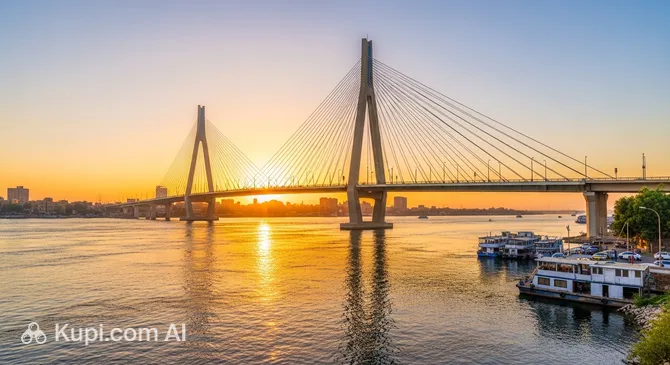
While Shubra El Kheima is rarely featured in classic guidebooks, the city hides several impressive engineering and historical sites. One of the most modern symbols of the area is the Rod El Farag Axis Bridge (Tahya Misr Bridge). This grand structure holds the world record for the widest cable-stayed bridge; a walk across it allows you to enjoy panoramic views of the Nile and appreciate the scale of modern Egyptian construction.
Rod El Farag Axis Bridge (Tahya Misr Bridge). Illustration.
Source: Kupi.com AI
Traveller photos:
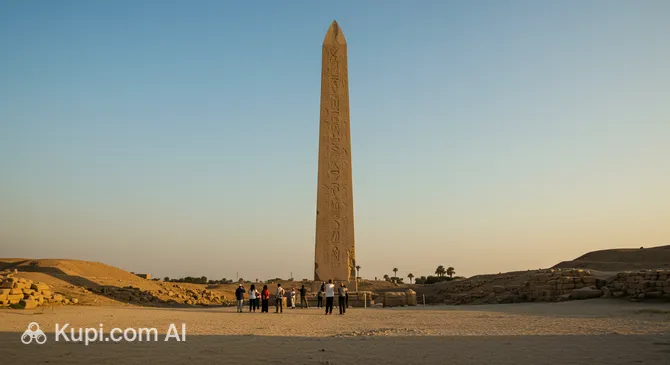
For lovers of antiquity and history, the Heliopolis Obelisk is of great interest. This monument, dating back to the era of Senusret I, is one of the oldest surviving obelisks in Egypt. It serves as a reminder of the region's great past and attracts those seeking historical artifacts away from the crowded tourist paths.
Heliopolis Obelisk. Illustration.
Source: Kupi.com AI
Traveller photos:
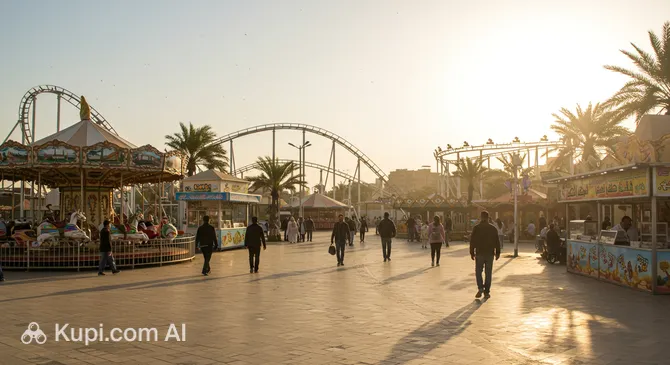
If you are traveling with family or simply want to take a break from the city bustle, check out the Happy Land entertainment complex. This is a popular recreation spot among locals where you can spend time on amusement rides or just stroll through the grounds, observing the everyday life of the townspeople in an informal setting.
Happy Land. Illustration.
Source: Kupi.com AI
Traveller photos:
Local Cuisine
The culinary scene in Shubra El Kheima is a paradise for fans of authentic street food and traditional Egyptian flavors. You shouldn't look for fine dining with Michelin stars here, but you can find the most authentic koshary—a hearty dish of rice, macaroni, lentils, and chickpeas, topped with a spicy tomato sauce. Locals take pride in the quality of their street food, which remains affordable and very filling.
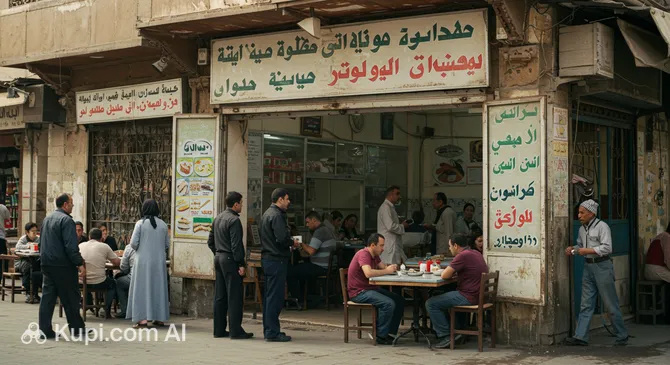
For a substantial lunch, it is worth visiting Abu El Hana Restaurant, which serves classic grilled meat dishes and traditional appetizers. Also very popular is Koshary El Rahmany, specializing in Egypt's main national dish. The food culture here is closely tied to the markets: the aromas of fresh aish baladi bread and fried falafel accompany you on every street.
Abu El Hana Restaurant. Illustration.
Source: Kupi.com AI
Traveller photos:
Regarding drinks, be sure to try strong Egyptian tea with a sprig of fresh mint or traditional coffee with cardamom. On hot days, fresh juice stalls offer thick mango, guava, or sugarcane juice for a small fee. The general character of the local cuisine is honest portions, plenty of spices, and incredible hospitality found in every establishment.
Travel Tips
Shubra El Kheima is a city with a unique character, and to ensure your trip is comfortable, we have prepared a list of practical recommendations.
Clothing and Dress Code: Choose light fabrics made of cotton or linen to protect against the heat. Since the city is traditional, it is recommended to wear modest clothing that covers the shoulders and knees, especially when visiting mosques or residential areas.
Transport: The best way to get around is by metro (Line 1) or taxi apps (Uber, Careem). This will save you from having to negotiate prices with local drivers and ensure air-conditioned comfort.
Finance: The Egyptian pound (EGP) is the currency in use. Markets and small shops only accept cash, so always have small change with you. Cards are only accepted in large chain stores.
Health: Drink only bottled water and avoid ice in drinks at street cafes. Always carry sunscreen and a hat with you.
Communication: English is not widely spoken. Learn a few basic phrases in Arabic ("Shokran" – thank you, "Salam" – hello) – this will significantly simplify communication and win the favor of locals.
Local Etiquette: Greetings are important here. Always say hello first when entering a shop. Remember that during Friday prayers, many establishments may be closed.
What to Avoid: Do not photograph government facilities, bridges, or people without their explicit consent. Also, avoid walking alone in poorly lit industrial zones late at night.
Tipping: The "baksheesh" culture is pervasive here. A small amount of 5–10 pounds for a minor service is considered the norm.
Following these simple rules will help you feel the rhythm of this amazing industrial heart of Egypt more deeply!
Entertainment & Nightlife
Entertainment in Shubra El Kheima is primarily family-oriented and social in nature. Evening life here is concentrated not in nightclubs, but in numerous coffee shops and bustling markets that stay open late into the evening. Locals enjoy spending time by the banks of the Nile, where you can find pleasure boats or simply sit in a riverside cafe enjoying the evening breeze.
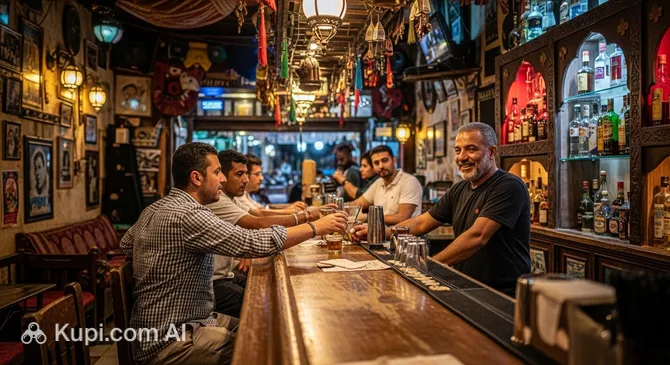
For those looking for places with local flavor, you can stop by establishments like Hossam El Englizy, where you can experience the atmosphere of a typical urban cafe. The city's nightlife is safe in busy commercial districts; however, for noisy discos and European-style bars, it is better to head to central Cairo or Zamalek, which can be reached by taxi in 20–30 minutes.
Hossam the Englishman. Illustration.
Source: Kupi.com AI
Traveller photos:
Daytime leisure often includes visiting local sports clubs or strolling through shopping streets, which turn into true social hubs in the evening. Prices in local establishments are significantly lower than in the capital's tourist centers, and the atmosphere is as close as possible to the real life of a modern Egyptian.
Parks & Museums
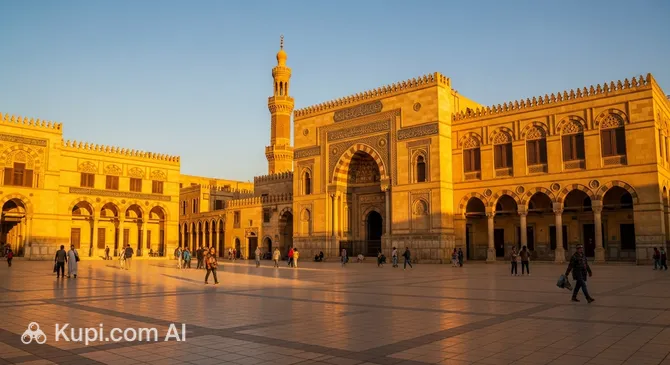
Despite its industrial status, the city offers interesting places for strolls and historical discoveries. One of the key landmarks is Mamluk Square. This location preserves the memory of the region's rich history and serves as an important public space where the life of the district buzzes.
Mamluk Square. Illustration.
Source: Kupi.com AI
Traveller photos:
Green zones in Shubra El Kheima are represented mainly by small squares and sections of the embankment along the Nile, where townspeople organize picnics on weekends. Although there are no large national parks here, the proximity to the water creates pleasant conditions for a break from the dense urban development.
If you are interested in culture on a larger scale, Shubra El Kheima is an excellent base for trips to Cairo's museums. In just a short time, you can reach the country's main treasuries, using the city as a quieter and more budget-friendly starting point for daily excursions.
Getting Around
The transport system in Shubra El Kheima is closely integrated into the Greater Cairo network. The main advantage for tourists is the presence of Line 1 of the Cairo Metro, which connects the northern districts of the city with the central squares of the capital. The metro is the fastest and most reliable way to avoid Cairo's famous traffic jams, operating from early morning until midnight.
Within the city itself, microbuses are immensely popular. They run without a fixed schedule but very frequently, connecting all residential and industrial quarters. Payment is made in cash to the driver, and this is the cheapest form of transport, although they can be quite crowded during peak hours.
For more comfortable trips, it is recommended to use taxis or services like Uber and Careem. This is especially relevant for evening travel or if you are traveling with luggage. Road traffic in the city is heavy, so when planning trips by ground transport, it is always worth allowing extra time for potential congestion.
Accommodation
Accommodation options in Shubra El Kheima are mainly geared towards business travelers and those looking to save money. Budget 2* and 3* hotels predominate here, along with guesthouses located near major transport hubs and metro stations. This is an excellent choice for those seeking an authentic experience of staying in a lively Egyptian neighborhood.
The areas near the Shubra El Kheima metro station are popular, as they provide easy access to Cairo's attractions at a lower cost of living. If you require luxury hotels with pools and a wide range of services, you should consider options in neighboring districts of Cairo, making day trips to Shubra to explore its industrial heritage.
It is recommended to book accommodation in advance, especially during national holidays when demand for budget lodging increases. In most local hotels, staff speak basic English, and hospitality remains high regardless of the establishment's star rating.
Nearby Cities
Shubra El Kheima serves as an excellent starting point for exploring central Egypt. Thanks to the well-developed rail and road connections, you can easily make short trips to historically significant sites located just a few kilometers away.
Just 9 kilometers away lies the majestic Cairo, offering an endless number of museums, mosques, and ancient markets. A bit further is Giza, where you can see the legendary Pyramids firsthand. It is also worth noting nearby towns like Qalyub and Al-Matariyyah, which allow you to see provincial Egyptian life and get acquainted with local traditions away from the tourist crowds.
Exploring the city's surroundings will give you a full picture of the country's contrasts: from ultra-modern metropolises to quiet settlements in the Nile Delta that have preserved the way of life from past decades.
Shopping & Souvenirs
Shopping in Shubra El Kheima is primarily about finding quality textiles. The city is famous for its fabrics, clothing, and home textiles, which can be purchased here at factory prices. Local markets are labyrinths of stalls selling everything from exquisite Egyptian cotton to everyday wear.
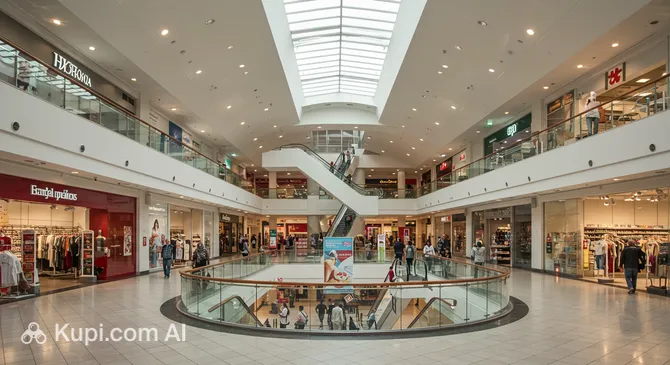
For those who prefer a more organized shopping format, there is Hyper El Sharkia. This is a large shopping center where food, clothing, and household goods are gathered under one roof. It is a convenient place to buy everything you need in comfortable conditions with fixed prices.
Hyper Al Sharkia. Illustration.
Source: Kupi.com AI
Traveller photos:
As souvenirs from the city, it is worth bringing back bedding sets, high-quality towels, or fabric cuts. Shops usually open from 10 am until late in the evening, and bargaining is customary at the markets—it is not just a way to lower the price, but also an important part of the local social culture. Remember that on Fridays, many shops open only after the noon prayer.