Support

Mamluk Square

About

Mamluk Square (Midan Al-Mamalik) is a living testament to history in the heart of Shubra El-Kheima, located in the northern part of Egypt. As an important public space within the Greater Cairo area, it represents a unique blend of historical heritage and the dynamic rhythm of modern urban life.
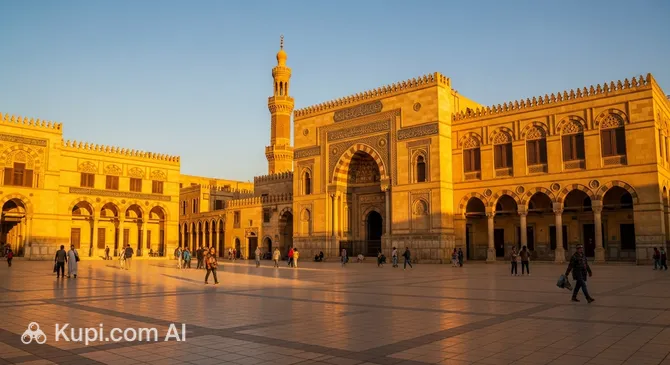
Mamluk Square. Illustration.
Source: Kupi.com AI

Traveler photos:

This place is closely linked to the era of Muhammad Ali Pasha, whose residences once transformed a modest riverside village into a prestigious district for the elite. Today, the square serves as a key transportation hub, situated in close proximity to the Khalafawy metro station, and retains the atmosphere of changes that have occurred here over the past two centuries.

Strolling through Mamluk Square, one can trace the region's transformation from agricultural land on the banks of the Nile to a powerful industrial center. With a 4.3 rating based on hundreds of reviews, it remains a popular destination for both locals and curious travelers looking to see the real, non-touristy Cairo.

Contacts

Before visiting Mamluk Square in Shubra El-Kheima, we recommend checking your travel details in advance. As it is an open urban space, it has no centralized administration, so the best way to get up-to-date information about the area is from city travel guides.

How to contactContact
Address44ميدان المماليك, بجوار محطه مترو الخلفاوي, شبرا، شريف، الساحل، محافظة القاهرة‬ 4354102, Egypt

What to Do

Visiting Mamluk Square is primarily an opportunity to immerse yourself in the authentic atmosphere of the Egyptian metropolis. Here, you can take a leisurely stroll, observing the daily hustle and bustle of Shubra El-Kheima residents, or try some street photography, capturing the contrasts between old buildings and modern structures. Its proximity to the Khalafawy metro makes it a convenient stop during an exploration of the capital's northern outskirts.

History and urbanism enthusiasts should study the architectural details of the surrounding blocks and peek into local shops to try traditional street food. If you have more time, you can head from the square to the banks of the Nile or seek out traces of past glory in the remains of Muhammad Ali’s palace complexes and gardens located nearby. It’s an ideal spot for those seeking off-the-beaten-path routes who want to understand Egypt's industrial heritage through its daily life.

Getting There

The simplest and most efficient way to reach Mamluk Square is by using the Cairo Metro. The Khalafawy station is located directly by the square, and the journey from the central part of the capital takes only 20–30 minutes. This is not only budget-friendly but also the fastest option, allowing you to avoid Cairo's famous traffic jams.

If you prefer the comfort of a taxi or Uber, the trip from central Cairo to the address 44 Mamluk Square takes 15 to 25 minutes, depending on traffic. For those traveling from Cairo Airport, travel time can be 40 to 60 minutes. Keep in mind the high traffic density in this area and try to plan your trip so it doesn't coincide with rush hour, when the metro becomes the only reliable way to get around.

The square can also be reached by numerous buses and microbuses running between the Shubra district and central Cairo. If you are within walking distance of the Nile banks in the northern part of the metropolis, a leisurely stroll to the square through residential blocks will take about 10–15 minutes.

Nearest city: Shubra El Kheima

History & Facts

The history of Mamluk Square is inextricably linked with the grand transformations of Egypt in the 19th century. It was during this period that Muhammad Ali Pasha chose Shubra El-Kheima for his country residence. The palace built here between 1808 and 1821, with its luxurious gardens, attracted the Egyptian nobility, turning the former Coptic village (the name "Shubra" itself means "small village") into a prestigious center of social life.

One of the most remarkable facts is that bold engineering innovations of the time were introduced here, including the country's first modern lighting systems. The Fountain Villa, preserved as part of the palace complex, is still considered a masterpiece of Ottoman architecture and a symbol of the region's prosperity during that era.

In the 20th century, the appearance of the district and the square changed radically again. Since the 1940s, Shubra El-Kheima has become the country's main industrial hub. The largest textile factories opened here, such as the famous "Esco" plant, leading to rapid population growth. Today, the square reflects this multi-layered history: a journey from an aristocratic suburb to the powerful industrial heart of the metropolis.

Time Needed

For a brief introduction to Mamluk Square and a short photo session, 30–60 minutes is usually enough. This time is sufficient to appreciate the scale of the space and feel the rhythm of life in this lively district. If you plan to combine a walk around the square with a visit to the nearby Church of the Virgin Mary or a tour of the remaining gardens of Muhammad Ali’s palace, it is worth allocating about 1.5–2 hours.

The duration of your visit may also depend on your interest in local cuisine and shopping in the surrounding shops. For those using the square as a convenient transfer point near the Khalafawy metro, it will be a pleasant addition to a main sightseeing route through northern Cairo.

Working Hours

As an open public space and an important city transportation hub, Mamluk Square is accessible for visiting 24/7. There are no entrance fees or strict operating hours, allowing tourists to plan a visit at any convenient time.

Nevertheless, for the most comfortable viewing of the architecture and safe walks, it is recommended to visit the square during daylight hours. In the evening, however, you can watch the city lights come on and see life in the Shubra El-Kheima district take on a special evening charm.

Nearby

Exploring the surroundings of Mamluk Square will allow you to feel the character of this district more deeply. There are several interesting locations nearby that are worth including in your itinerary. For example, just a few minutes' walk away, you can stop by Koshary El Rahmani to try one of Egypt's most popular national dishes in an authentic setting.

For those looking for entertainment or unusual engineering structures, the Happy Land park and the grand Rod El Farag Bridge, also known as the Tahya Misr Bridge, are located nearby. Visiting these sites will make your trip to Shubra El-Kheima more fulfilling and diverse, revealing different facets of life in a modern Egyptian metropolis.

NameDistance
Koshari El Rahmany0.7 km
Happy Land0.9 km
Rod El Farag Axis Bridge (Tahya Misr Bridge)1.2 km
Abu El Hana Restaurant2.6 km
Hossam the Englishman2.8 km
Hyper Al Sharkia3.1 km
Heliopolis Obelisk6.6 km

Reached the end of the page?

That means the route is fully explored