Winter Travel: What to Pack and How to Dress
Packing for a winter trip requires more thought than for a summer one. What's essential, and what will just be useless baggage? Which items will leave you freezing, and which will keep you warm despite their thinness? Let's talk about it.

Preparation
First, check the weather forecast. Your clothing choices depend on it. European winters typically have moderate temperatures: from +15 to -10 at most. Sub-zero temperatures are more common in Austria, Hungary, and the Czech Republic; other countries usually stay around zero or above. In the mountains, of course, it will be colder than in the city.
Outerwear
Above-zero temperatures mean snowfalls and even rain. Therefore, we recommend getting a waterproof jacket, and definitely with a hood. Choose outerwear rated for temperatures down to -5 degrees; if you wear a warm sweater underneath, you won't freeze even during a long walk. A good choice is membrane jackets. They look thin but provide good warmth.
Mid-layer clothing
Here, fleece sweaters and jackets are suitable, as well as items with a small percentage of wool. A fully wool sweater might be too warm in Europe. Thermal underwear will also be useful. Just make sure to buy good quality. Your thermal suit can also be used as pajamas. The thing is, in European cities in late autumn, winter, and early spring, heating often works poorly, and some hostels might not have it at all. So, when buying thermal underwear, get both top and bottom.
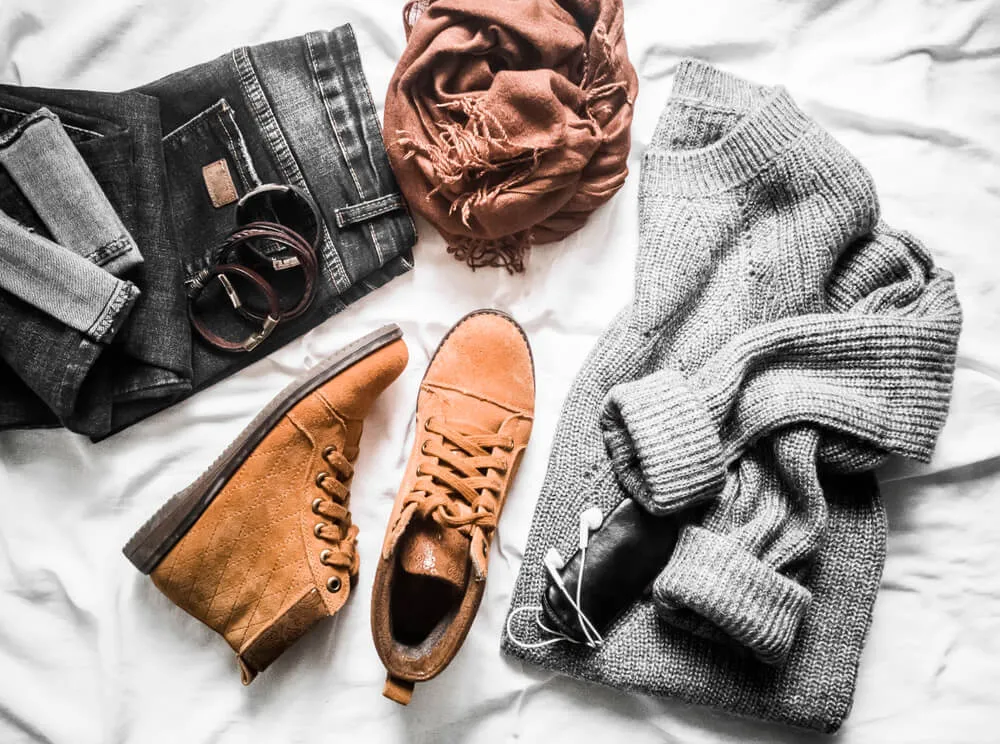
Cashmere items are also a good fit. Comfortable, soft, and warm, they don't take up much space in your bag. They are quite expensive, but keep an eye out for winter sales – it's a chance to buy natural cashmere items at a reasonable price.
If your trip involves hiking or excursions into nature/parks, be sure to look for warm, rustle-free pants. There are many models now in calm colors that don't look sporty. Jeans with tights are definitely not the best option here.
And always dress in layers: thermal underwear or a T-shirt, then a fleece or cashmere sweater, and a jacket on top. This will allow you to adapt to any temperature, for example, at the airport or on the plane, and avoid discomfort from heat or cold.
Footwear
If you plan to walk all day, prepare insulated, waterproof shoes made of natural materials. They should not have high heels or unstable soles. Natural leather on the outside and natural wool inside will keep your feet warm during long walks or outdoor trips. It's also important to take broken-in shoes, not new ones, on your trip. Otherwise, you won't be able to walk properly for 2-3 days. For guaranteed comfort, original Timberlands are a great choice. You can wear them with anything, and they always look stylish.
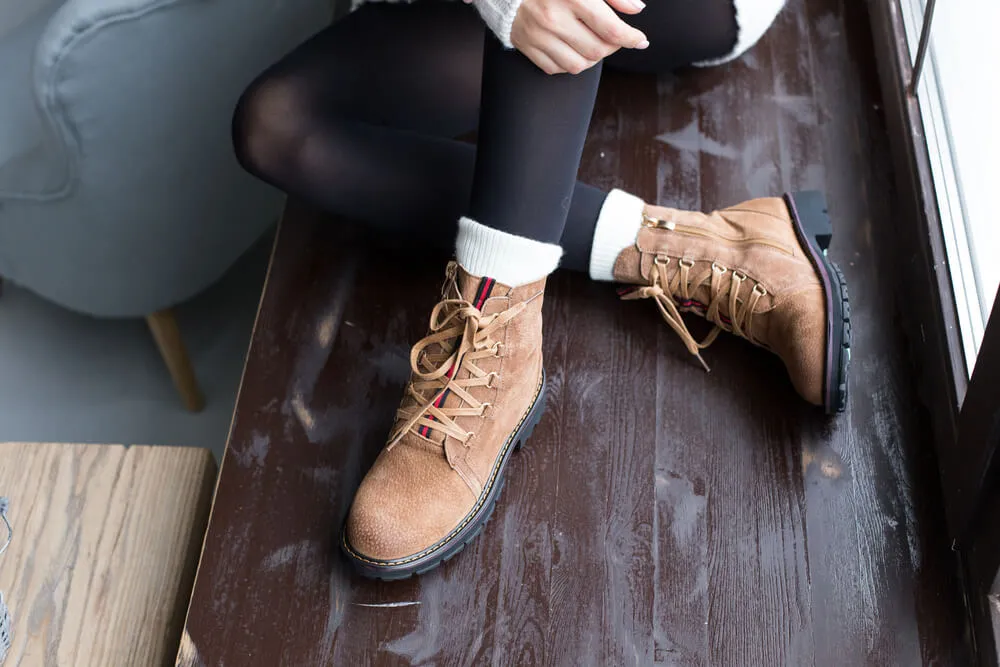
Another good option to keep your feet warm is to use special heated insoles. These are really cool! But you also need appropriate socks: if you use heated insoles, it's better not to wear wool socks – your feet will sweat. Save those socks for lighter footwear. Cotton socks, on the other hand, don't warm at all; your feet will get cold in them.
Small items
Don't forget a hat, scarf, and gloves/mittens! But there are people who categorically don't wear hats for various reasons. In that case, at least take warm earmuffs or a headband with you. But generally, a warm head means a warm body, so think about it.
How to pack it all?
Once you've decided on the weather and your wardrobe, it's time to figure out what to take: a suitcase/bag or, traditionally, a backpack.
Advantages of a backpack:
- it sits on your back and doesn't get in the way
- it fits everything you need – standard size 40-45 liters.
- no need to pay for checked baggage
Disadvantages:
- if you overfill it with unnecessary small items, it will become heavy, and carrying it all day will be difficult – your shoulders will be screaming by evening
- no opportunity to buy gifts, large souvenirs, or go shopping, because it won't all fit in the backpack.
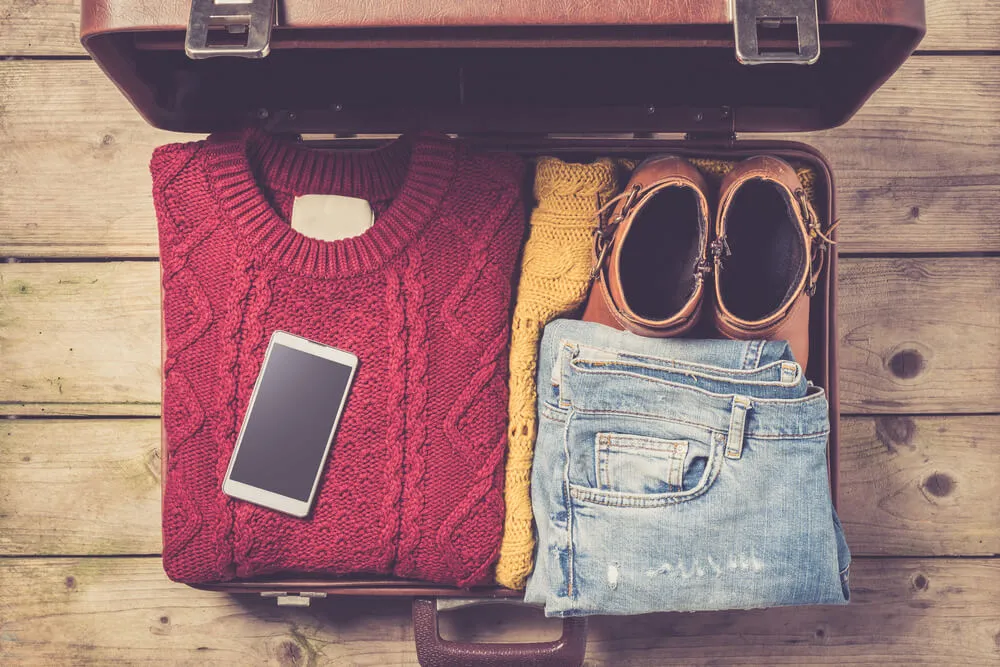
Advantages of a wheeled bag or carry-on size suitcase:
- you can go shopping
- still no need to pay for checked baggage
- even a hairdryer will fit
- you can take more varied items
Disadvantages of a bag and suitcase:
- your hands are always occupied, and while a suitcase can be wheeled, a bag without wheels only has handles, so you'll have to carry it.
- not all airlines will accept the suitcase size for carry-on luggage
Weigh all the pros and cons and choose wisely. Have great flights!


