Where to Stay in Osaka
 Yasya
YasyaPlanning a trip to Osaka and don't know where to stay? This exciting city is known for its incredible street food, lively atmosphere, and historic castle. It is so diverse and interesting that you can easily find a district to suit your plans and needs. Before booking a hotel, it's worth getting a Japanese visaand buying tickets to Osaka in advance to leave more budget for tasting local delicacies, visiting theme parks, and shopping in endless galleries. We have selected the most popular and sought-after locations for tourists to help you navigate the metropolis.
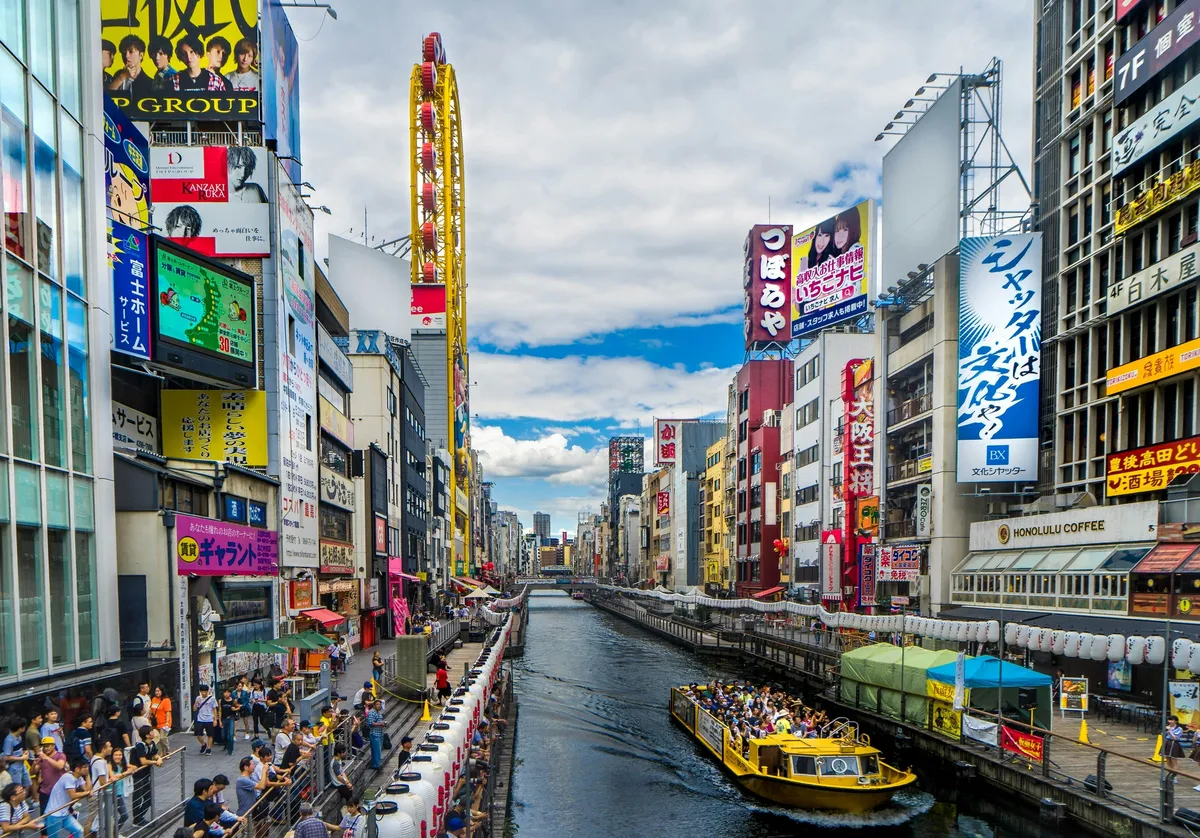
Namba and Dotonbori
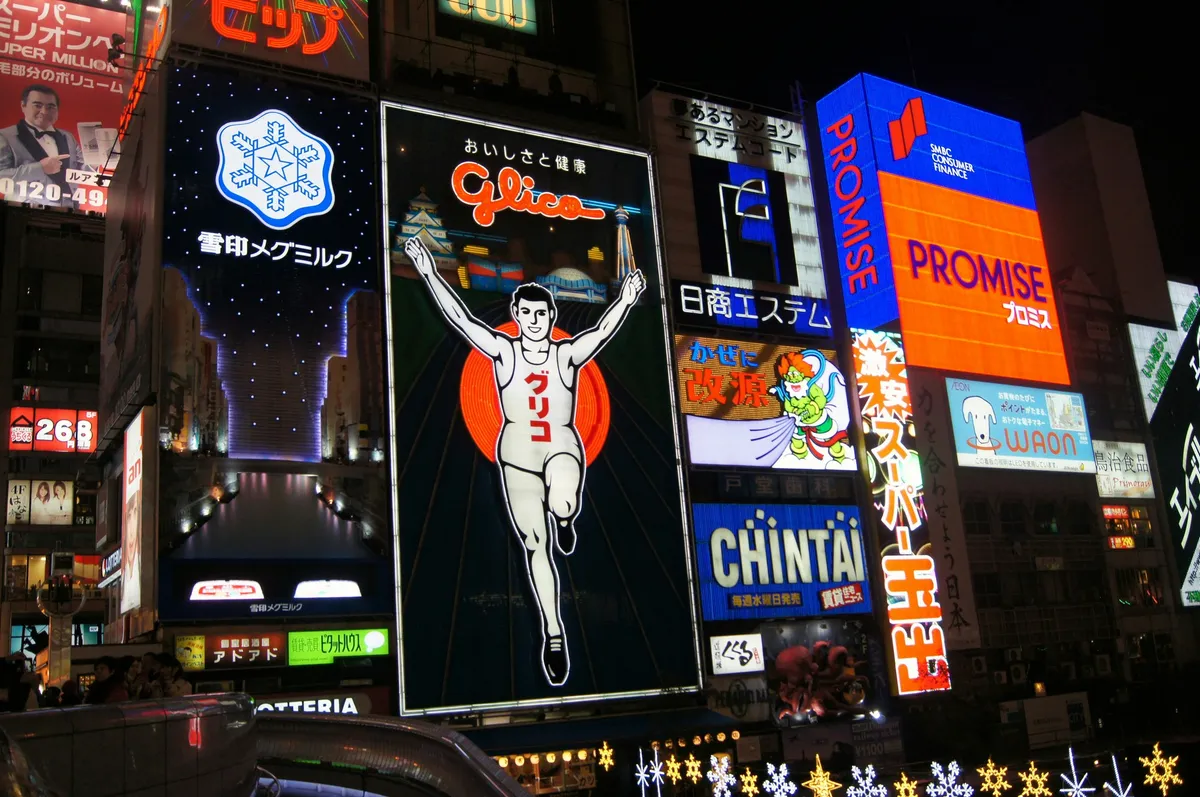
It's convenient to step out of your hotel and immediately find yourself in the thick of events, bright signs, and enticing aromas. If your idea of travel fits this concept, choose Namba. This district belongs to the southern part of the city's business center (Minami), where life never stops for a minute. It is here, along the canal of the same name, that the legendary street Dotonbori is located, transforming the cityscape into a real open-air theater with giant mechanical crabs, moving sushi, and the famous neon Glico running man. If you didn't photograph it (or yourself with it), consider that you haven't truly been to Osaka.
What to see: Besides open-air food courts, visit the ancient Shochikuza theater, where Kabuki performances are still held. A couple of minutes' walk from the noisy crowds, the Hozen-ji temple is hidden – a tiny oasis of tranquility, where a stone Buddha statue has been completely overgrown with fluffy green moss over decades. The reason for this (or joy, depending on how you look at it) is the tradition of pouring water over the sculpture. For fans of electronics, retro games, and anime, the Den Den Town district is nearby – a worthy answer to Tokyo's Akihabara. To explain where you need to go, bookmark our Russian-Japanese phrasebook.
Pros: Endless food choices (from street takoyaki to premium wagyu beef), the best shopping centers (Namba Parks with its cascading gardens, worth a separate visit), and extremely convenient transport links, including a direct Rapi:t express line to the airport.
Umeda
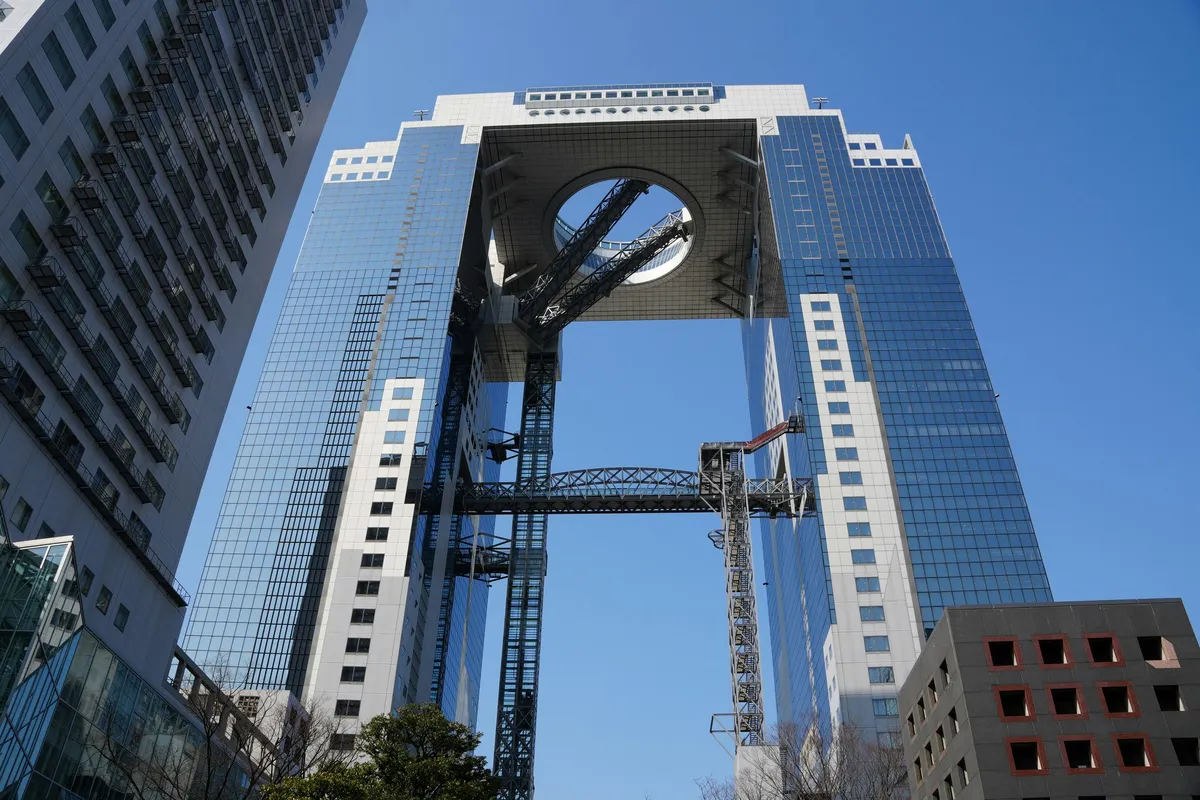
The area around Osaka Station (northern part of the center, Kita) is an impressive forest of glass towers, multi-level transport hubs, and complex underground labyrinths hiding hundreds of cafes and boutiques. This is the city's business "face," where corporate headquarters and the most luxurious hotels of global chains are concentrated. Umeda is a story of impeccable service and modern architecture: the sun reflects off glass facades, gray cladding in the evening light is illuminated by the warmth of countless lights, and everywhere in the air there is a tangible sense of futurism.
What to see: The main architectural landmark is the Umeda Sky Building, consisting of two towers connected by the "Floating Garden" on the roof. From the open observation deck at a height of 173 meters, the best panoramic view of the city and the Yodo River opens up. If you're looking for romance, take a ride on the bright red Hep Five Ferris wheel, which is built directly into the upper floors of the shopping center. It's also worth visiting Grand Front Osaka – a huge complex where you can test the latest Japanese technologies at interactive exhibitions.
Pros: Unrivaled transport accessibility. From here, it's most convenient and fastest to travel by Shinkansen bullet trains or regular local trains to Kyoto (only 30 minutes), Kobe, or ancient Nara.
Tennoji
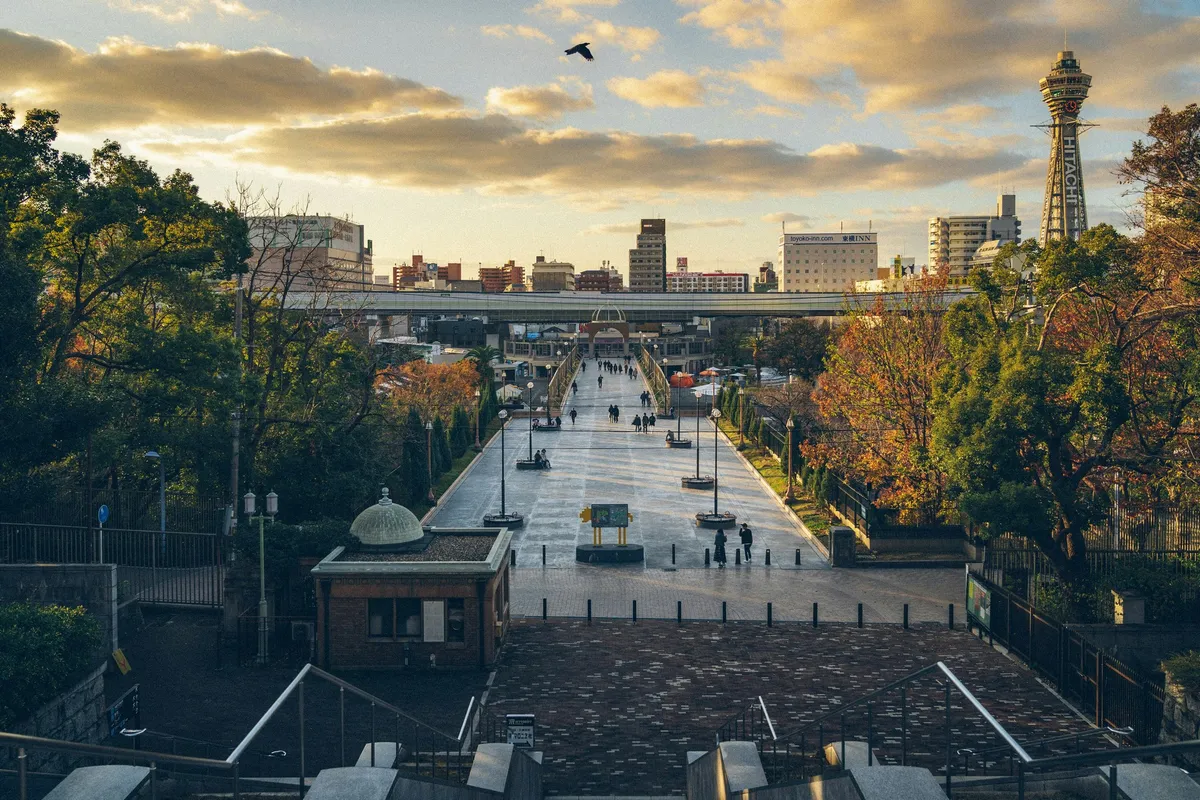
This district was long considered a simple "working-class" neighborhood, but today it is rapidly transforming into an important cultural and architectural hub of the city. Tennoji is a place of amazing contrasts, where ultra-modern glass giants coexist with ancient Buddhist pagodas. Here you will feel the real Osaka: slightly less polished than Umeda, but very lively and authentic, with cozy cafes in old alleys and large urban parks. And yes, there is significantly more greenery here than in the Umeda district. If this is important to you, choose Tennoji.
What to see: Here is Abeno Harukas – one of the tallest buildings in Japan (300 meters), which houses not only a huge department store but also an art museum with many temporary exhibitions. Nearby is Shitenno-ji temple, founded by Prince Shotoku in 593. It is one of the oldest officially administered temples in the country. And slightly to the side, between these two points, lies Tennoji Park with ponds and the Osaka City Museum of Fine Arts.
Pros: Accommodation prices here are often 20-30% lower than in the more upscale Umeda, and you can reach the center of Namba by subway in just 10 minutes.
Shinsekai
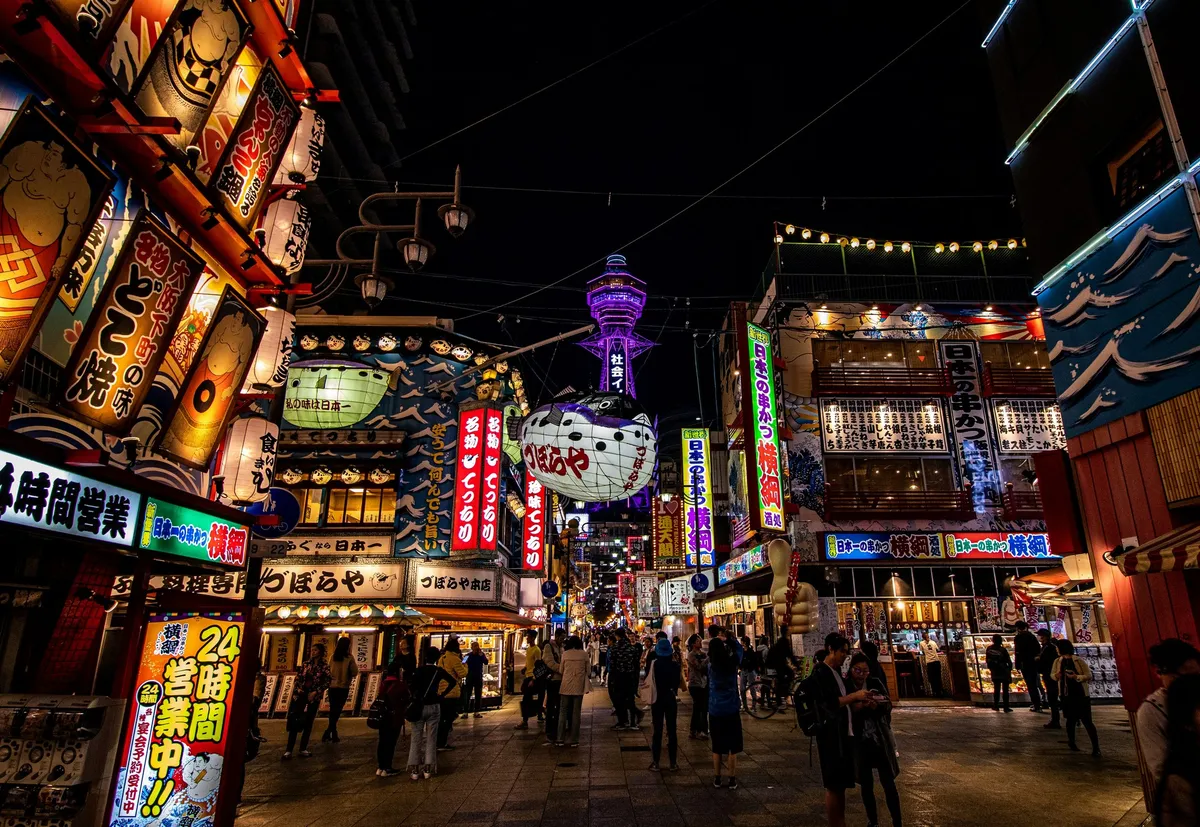
The Shinsekai district, adjacent to Tennoji, was designed in the early 20th century as a "district of the future." The northern part was modeled after Paris, and the southern part after New York's Coney Island. Today, it is a unique preserve of Japanese Showa-era nostalgia. An atmosphere of an eternal celebration of the past reigns here: huge paper fugu-shaped lanterns hang everywhere, and hawkers invite you to taste dishes that were prepared here decades ago. This is one of the most photogenic and charismatic places in all of Japan.
What to see: The symbol of the district is the steel tower Tsutenkaku, literally "tower reaching heaven." At a height of 91 m, there is an observation deck – an excellent spot for selfies. In the evening, the district transforms into a sea of lights, illuminating endless restaurants specializing in kushikatsu (deep-fried skewers of meat and vegetables). If you want to relax, visit Spa World – a water park and thermal complex where the interiors of ancient Roman baths, Finnish saunas, and Japanese onsen are recreated.
Pros: Cheap and delicious food, proximity to transport hubs, and unique charm.
Osaka Castle Area
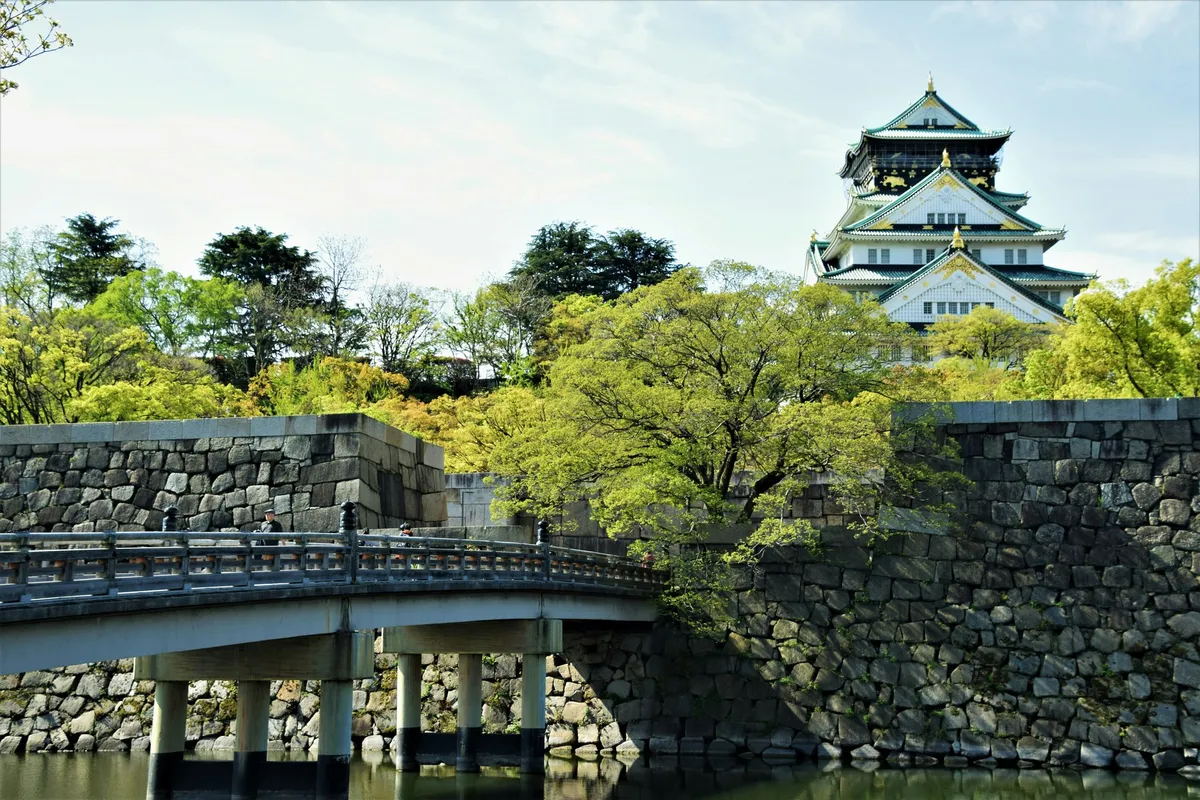
Around the city's main historical citadel, well-maintained gardens and parks stretch for many hectares, separated from the hustle and bustle of the metropolis by mighty stone walls and wide moats with water. This is one of Osaka's most respectable and tranquil districts. Living here means starting your morning with a stroll through shady alleys or a peaceful breakfast with a view of the castle's gilded roofs. In this area, you will forget that you are in the center of one of the world's most densely populated cities.
What to see: First and foremost, of course, the Osaka Castle itself – an architectural masterpiece with a rich history of sieges and restorations. Inside, there is an interactive museum telling the story of Toyotomi Hideyoshi, the unifier of Japan. Around the fortress lies Nishinomaru Garden, where over 600 cherry trees bloom in spring, and maples turn crimson in autumn. Also nearby is the Osaka-Jo Hall, where world-renowned artists perform.
Pros: Clean air, absence of hustle and bustle and crowds outside hotel windows. The area is considered very prestigious and safe.
Bay Area
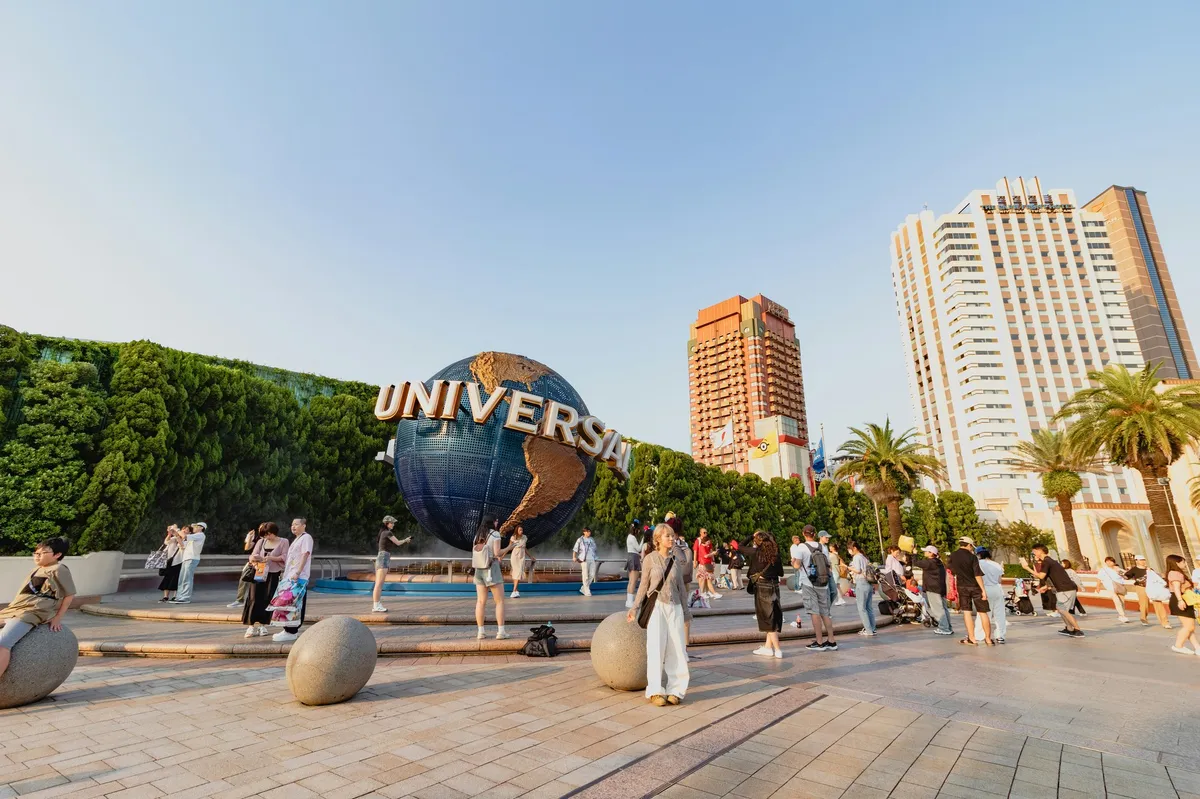
This district, located on artificial islands in Osaka Bay, differs dramatically from the dense urban development of the center. Here, there is plenty of open space, wide promenades, and a pleasant freshness from the sea. The Bay Area is a true paradise for those who come to Osaka for world-class entertainment and vibrant experiences. This is the place to go if your main goal is amusement parks.
What to see: The main magnet for tourists from all over the world is the theme park Universal Studios Japan (USJ). Here you can enter "Super Mario World," stroll through Hogsmeade village from "Harry Potter," or meet the Minions. Also in this area is Kaiyukan – one of the most impressive aquariums on the planet, where a whale shark lives in a giant central tank. Nearby is the Tempozan shopping complex with a huge Ferris wheel and a market where you can try fresh seafood.
Pros: Direct proximity to major family attractions, specialized theme hotels, and beautiful views of the bay and sunset.
When choosing accommodation in Osaka, always check the distance to the nearest station on the JR Loop Line (convenient for JR Pass holders) or key subway lines – Midosuji (red line, connects north and south) and Sakaisuji (brown line). Proximity to a station will save you a lot of time and effort, which is better spent exploring the city.