First time in Tokyo: what to see in three days
Three days in Tokyo — it literally sounds like a fairy tale. If you've decided to visit the Land of the Rising Sun and are trying to put together a cool itinerary for Japan, read our short guide to the island capital. Upon arrival, you'll definitely say "Arigato!" to us.
How to get to Tokyo
Incredible but true: Japanese visas are issued quite quickly to Russians. Of course, in 2025, you'll only be able to get there with a layover, by purchasing tickets for a Moscow — Tokyo flight, but that's even a plus. The journey to Japan is quite long, so a short break from the flight won't hurt anyone. After all, you'll need to gather your strength before long walks around one of the world's largest cities.
How to get from Tokyo airport
Travelers most often use the "Narita Express" trains, which run every half hour between Tokyo's main station and the airport. This is the fastest option; the journey takes about 53 minutes. You can also use the high-speed "Keisei Skyliner" train, which departs from Narita Airport to Ueno Station, located in the Taito district. Ticket prices start from 2,000 yen for adults and 1,000 yen for children.
Day One
Imperial East Garden
Everyone who comes to Japan should visit this picturesque location, where rare tree species grow and the Emperor's palace is located. Tours are arranged for city guests several times a week, through the park's paths and interesting landscapes. Be prepared that the tour is most often conducted in English or Japanese.
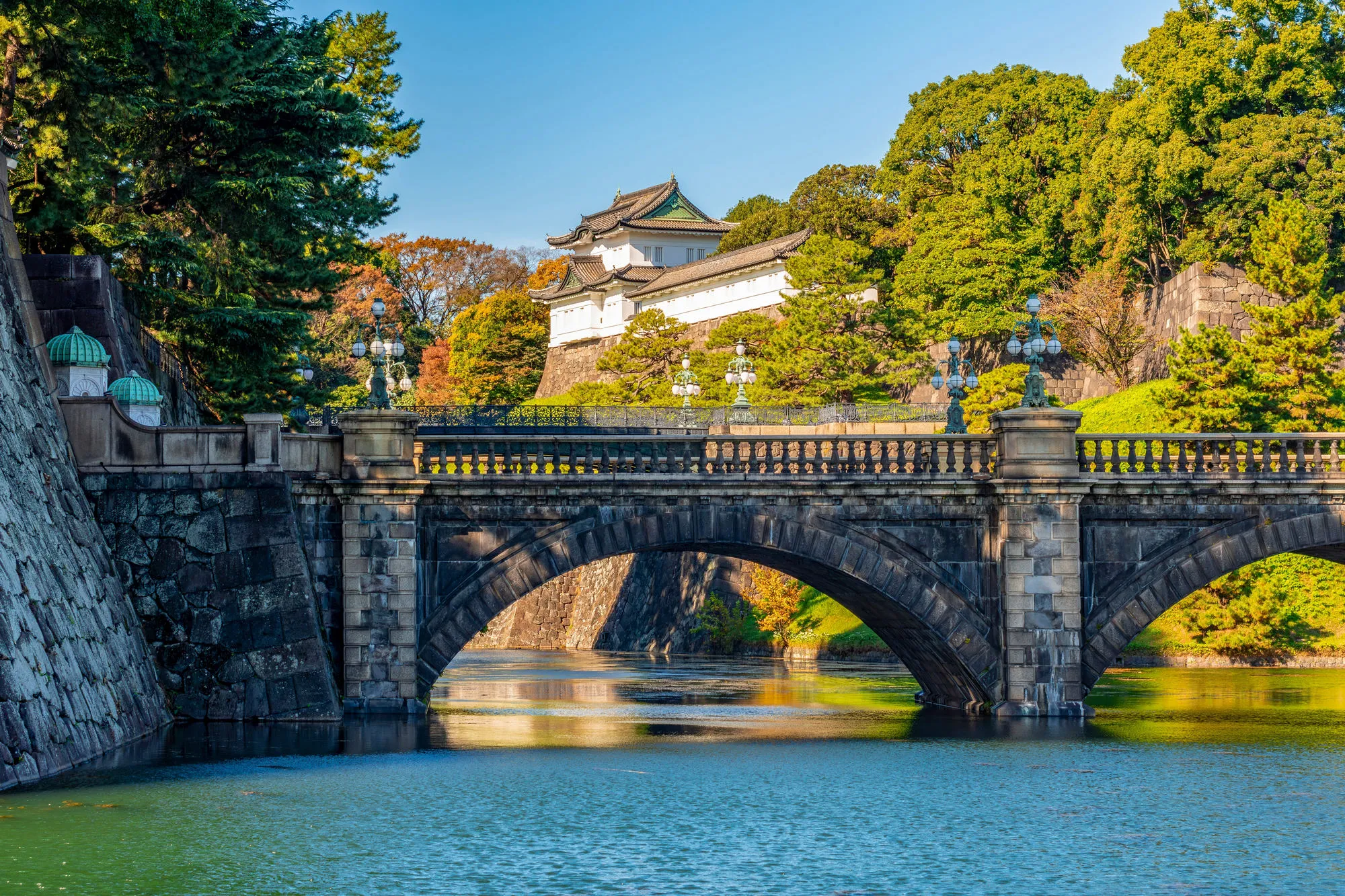
Unfortunately, you are unlikely to get inside the palace itself — this place is open for entry twice a year, during the winter period. But simply enjoying the building's architecture is always welcome. The palace was originally destroyed in 1945 during bombings, but it was restored over time. All in all, for a first encounter with Japan — a must-visit!
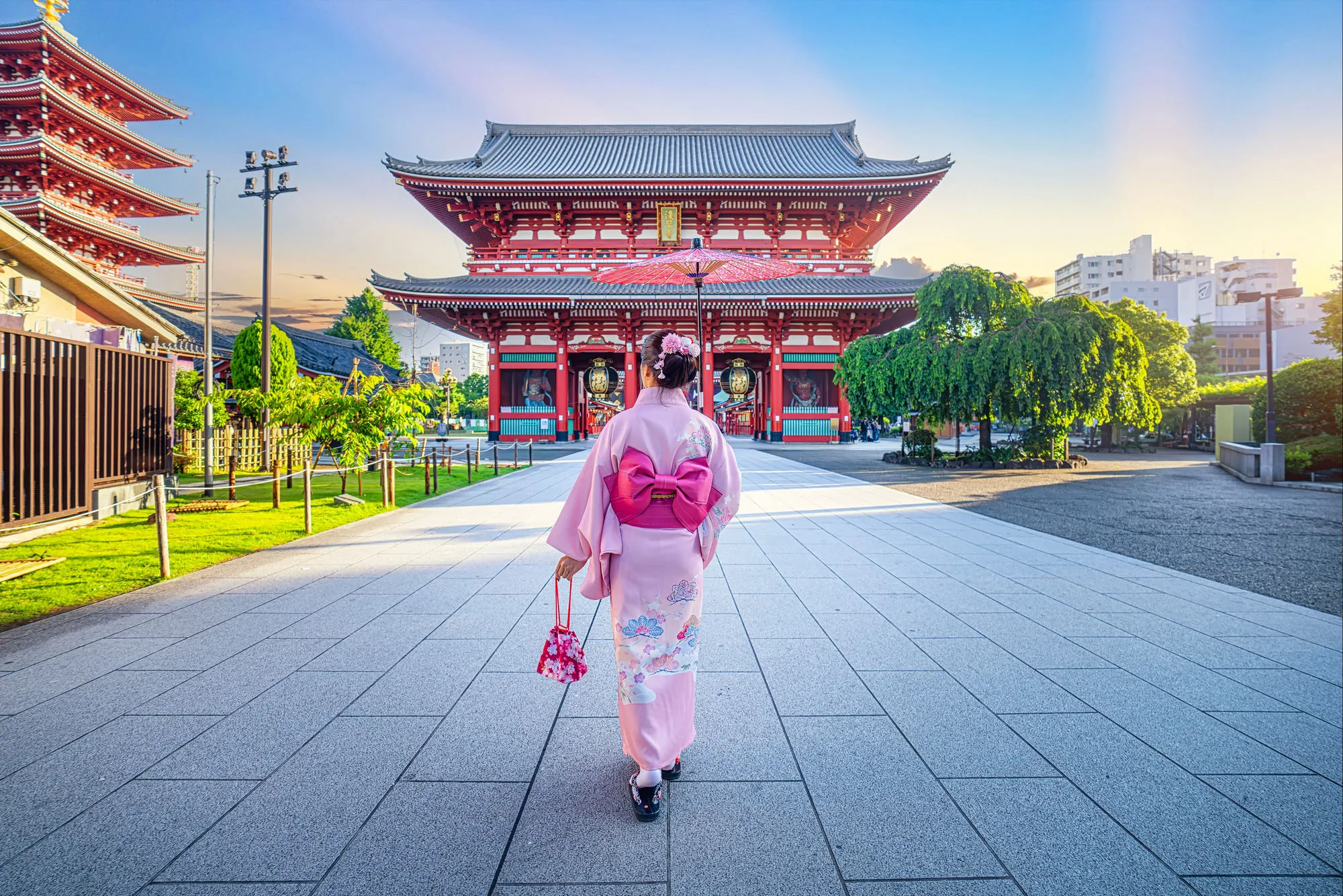
Senso-ji Temple
The history of Senso-ji begins in the 7th century. According to legend, the "deity of mercy," Kannon, indicated to a wandering monk the place where a temple should be built in his honor — in the Asakusa district. By the way, Senso-ji also has another romantic name — the temple of young, pale grass.
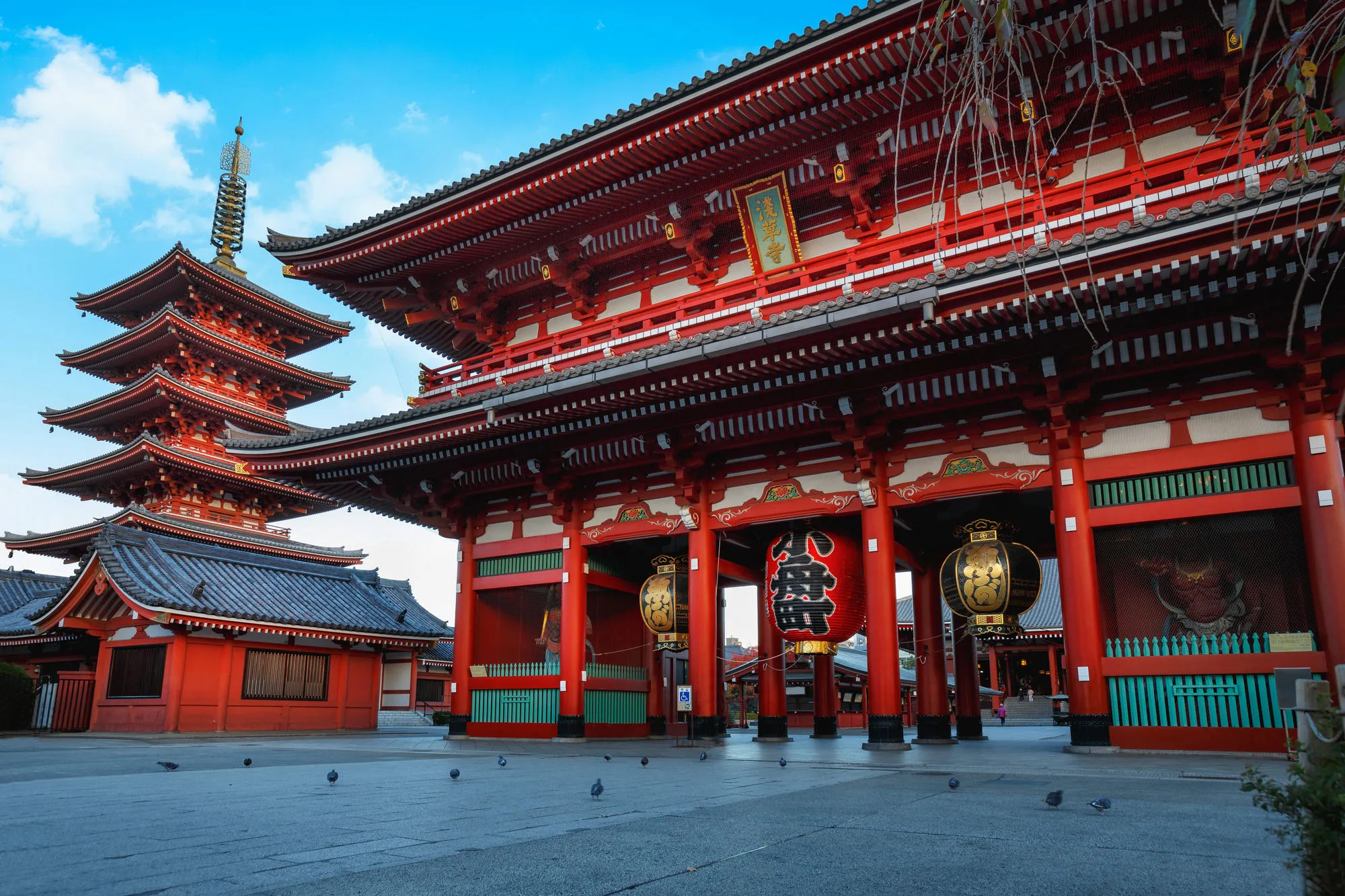
Passing through the gates at the entrance, you enter Nakamise-dori shopping street, where you can buy religious paraphernalia and local food. Be prepared for crowds of tourists bustling everywhere near Senso-ji, but the place is still worth your attention.
"Tokyo Skytree"
Of course, hardly anyone can calmly pass by the third tallest structure in the world. The entrance to the 634-meter tower is on the fourth floor of the "Tokyo Solamachi" shopping center. From here, you can ascend to a height of 350 m or, by purchasing an additional ticket, ascend to 450 m and reach the Tembo Galleria observation deck.
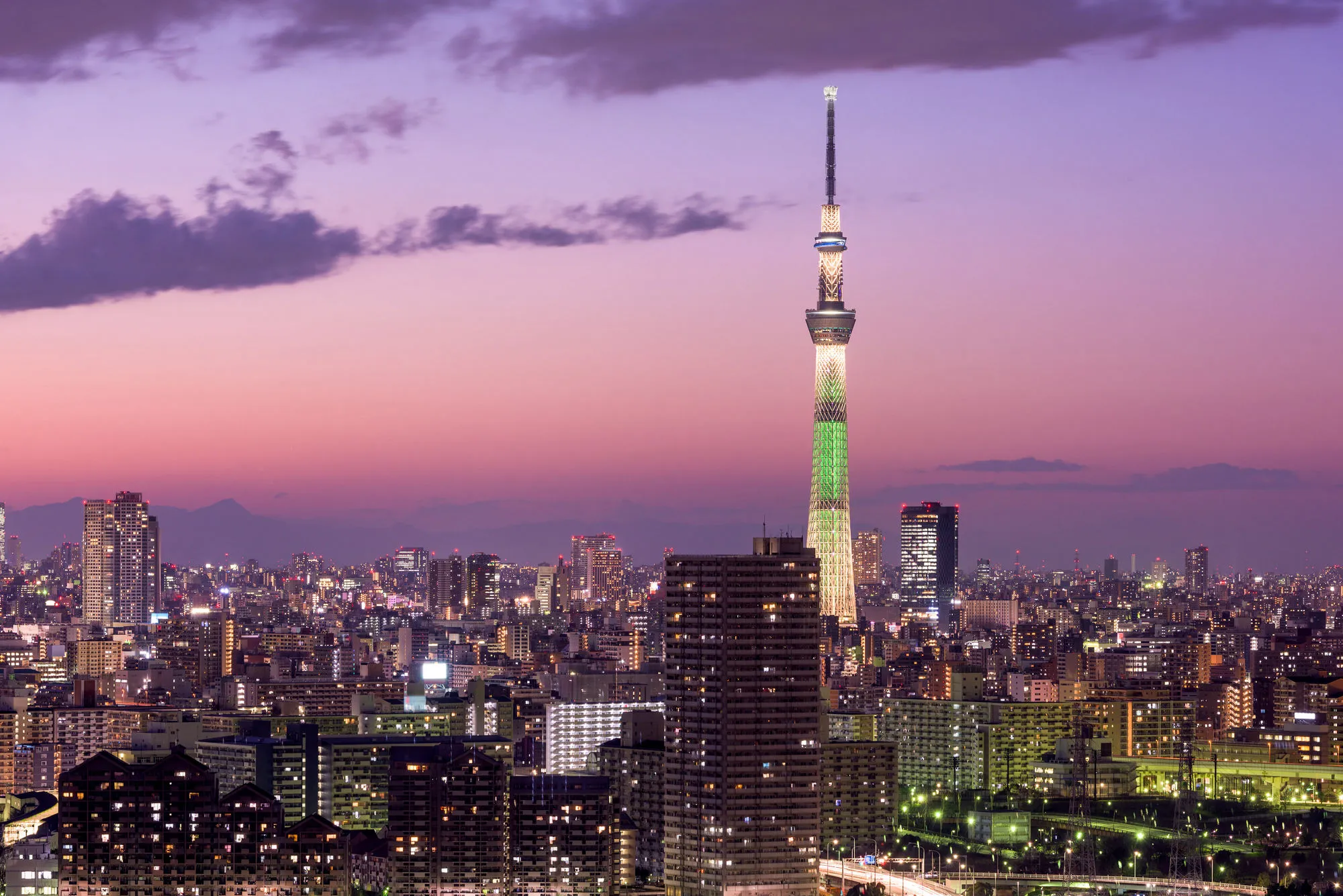
From the latter, by the way, a beautiful panorama opens up to the skyscrapers of Roppongi, the Rainbow Bridge, and even Mount Fuji in good weather. Entry to the tower is paid, with prices starting from 2,000 yen.
Day Two
Shinjuku Gyoen
We leave the hotel, grabbing a couple of onigiri, and head out into nature. The first stop for a "rest" is Shinjuku Gyoen Garden. The best time to visit is spring, when 1300 varieties of cherry blossoms growing in the garden begin to bloom. However, even if your trip falls at another time of year, don't be discouraged — the garden will still be beautiful.
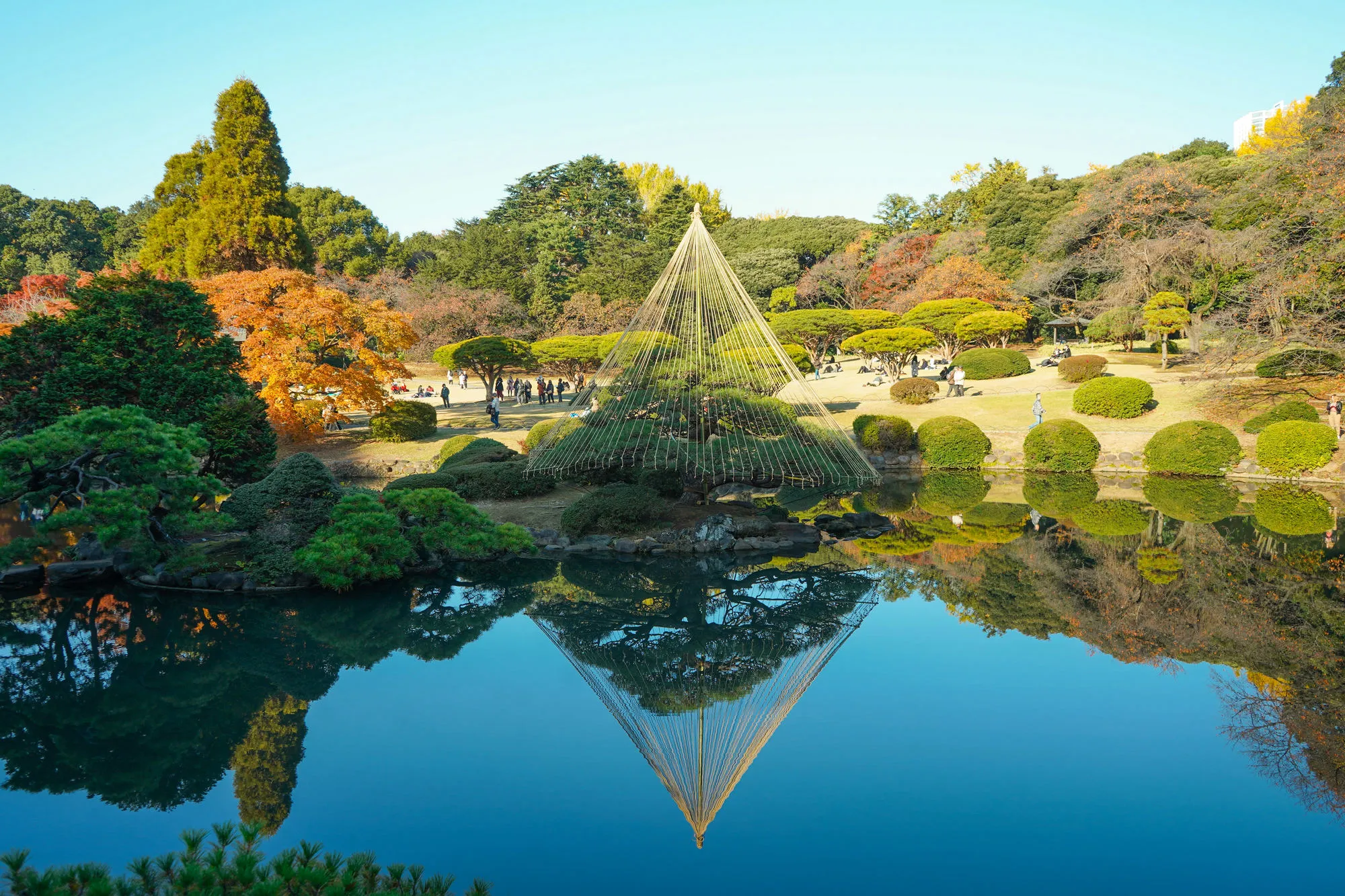
The territory itself is divided into several parts: French, English, and traditional Japanese gardens. So if you suddenly get tired of the Japanese flavor, you can go to another part for a different atmosphere.
Meiji Jingu Shrine
An important location to visit if you want to delve a little deeper into Japanese religious culture. Meiji is considered one of the most famous Shinto shrines in the capital of Japan.
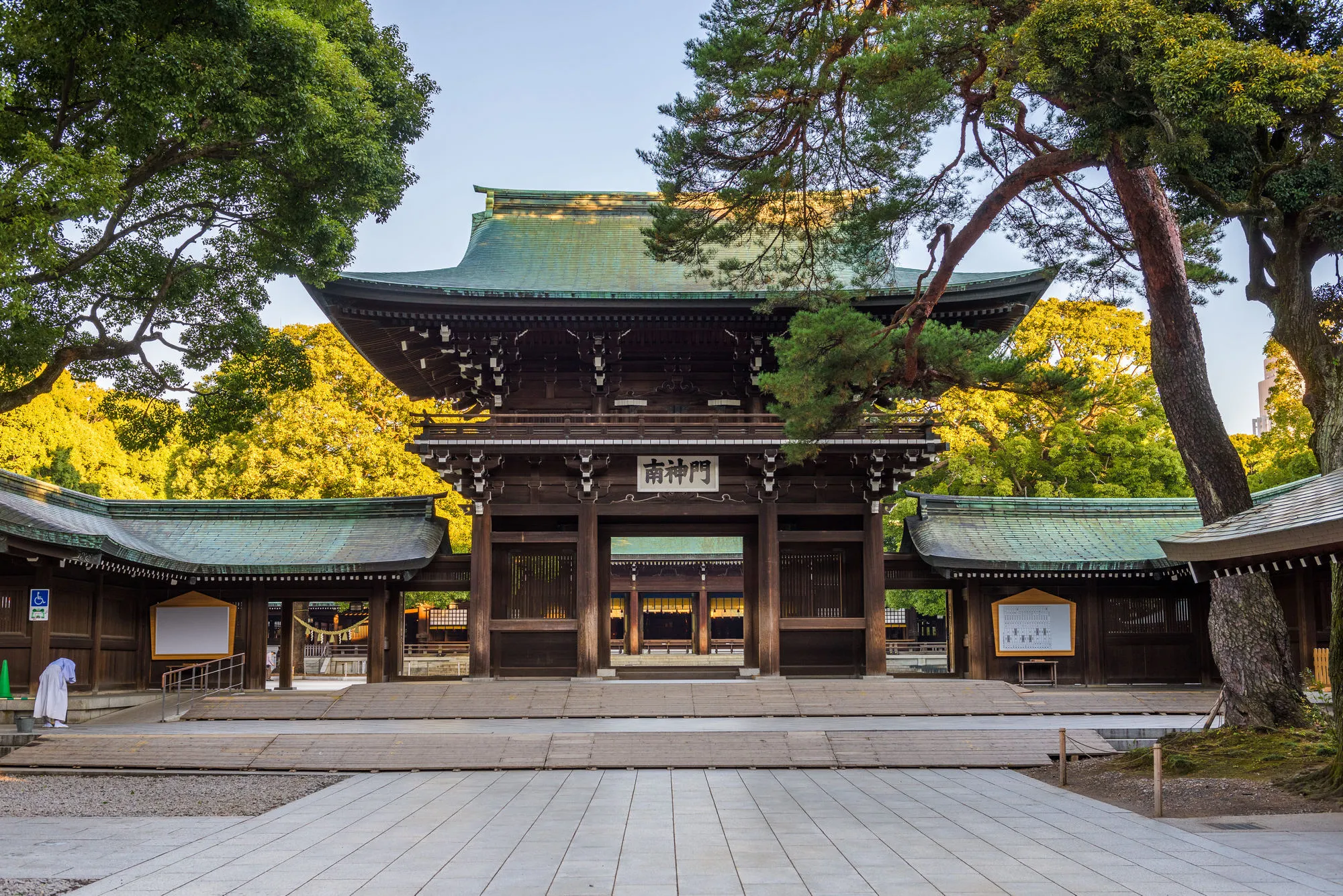
Entry to the shrine is free, but we recommend going with a tour — local guides give a long, fascinating lecture about the reign of Emperor Meiji, in whose honor the shrine was built. Tourists who respectfully treat Japanese religion are even offered to participate in traditional rituals.
Harajuku
We move to the Harajuku district — a location for Japan's most fashionable young people. A cool place for those who love a riot of colors, shopping, and anime cosplay. In the period after World War II, barracks for American officers were built here. They attracted local residents who wanted to glimpse the luxurious life of Americans through the fence gaps. More and more different people came here, which became the starting point for "observing" and adopting styles.
Today, Harajuku still remains a kind of "cocktail" where old and new cultures mix. The district is unlike its "neighbors," Shibuya and Shinjuku, so its uniqueness is worth seeing if you come to Tokyo.
Shibuya District
Perhaps, encountering the Japanese lifestyle in advertisements, you have surely seen at least once one of the most famous intersections in the world, where a diagonal pedestrian crossing is located. Mostly, travelers come here to visit the Shibuya Scramble Crossing business center, from where you can ascend to the Shibuya Sky observation deck.
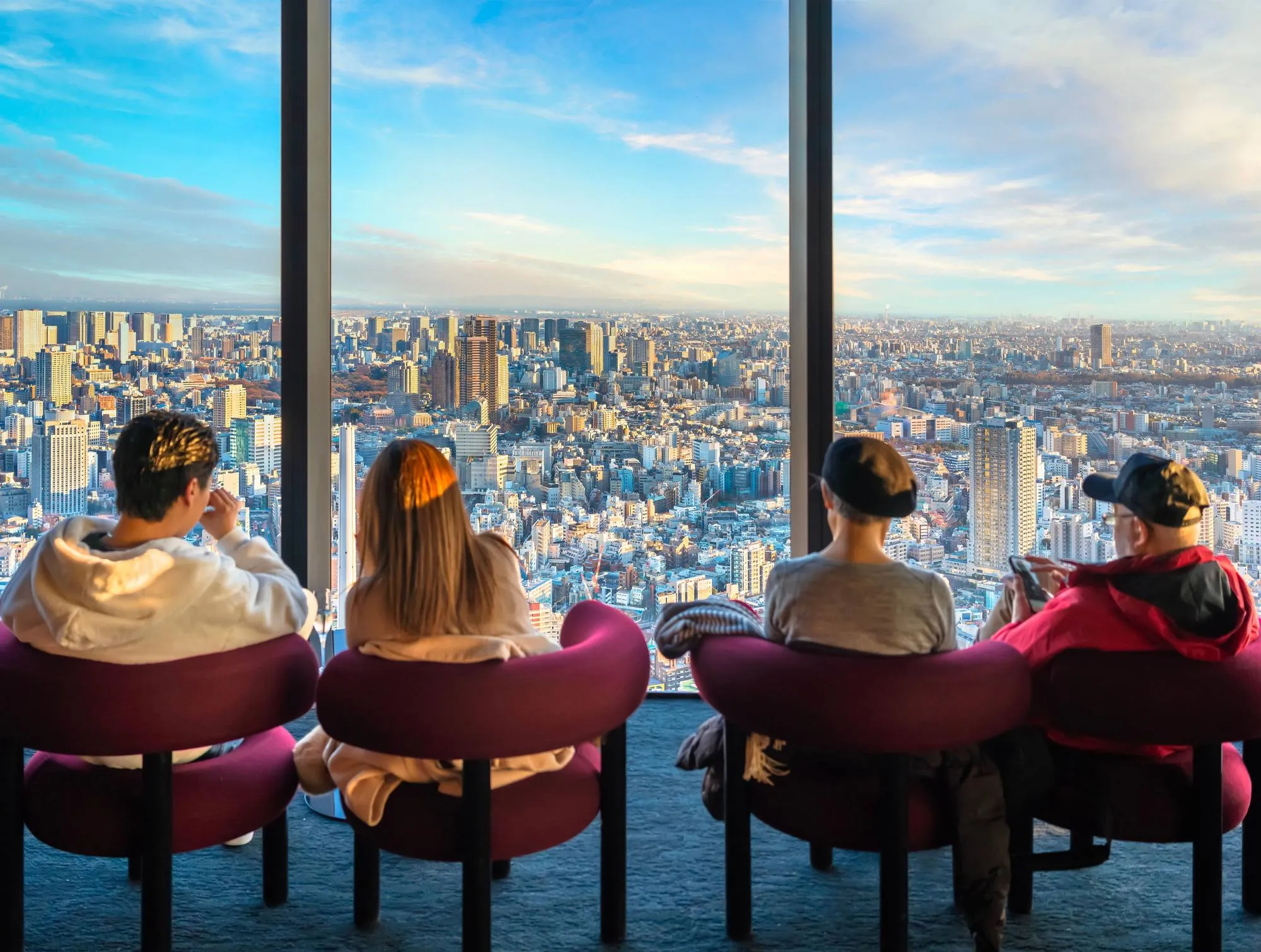
Entry there is paid, so we advise you to pay close attention to the visiting hours. The deck usually operates from 10:00 to 22:00, but most tourists recommend coming to see Tokyo before sunset. They say the sight is extremely memorable.
Day Three
teamLab Planets TOKYO DMM
If there's one thing the Japanese are good at, it's creativity. And if you've never been a fan of modern art, then upon arriving in Tokyo, you have a great chance to change that. Visiting the teamLab museum allows you to become a direct participant in an endless immersive exhibition.
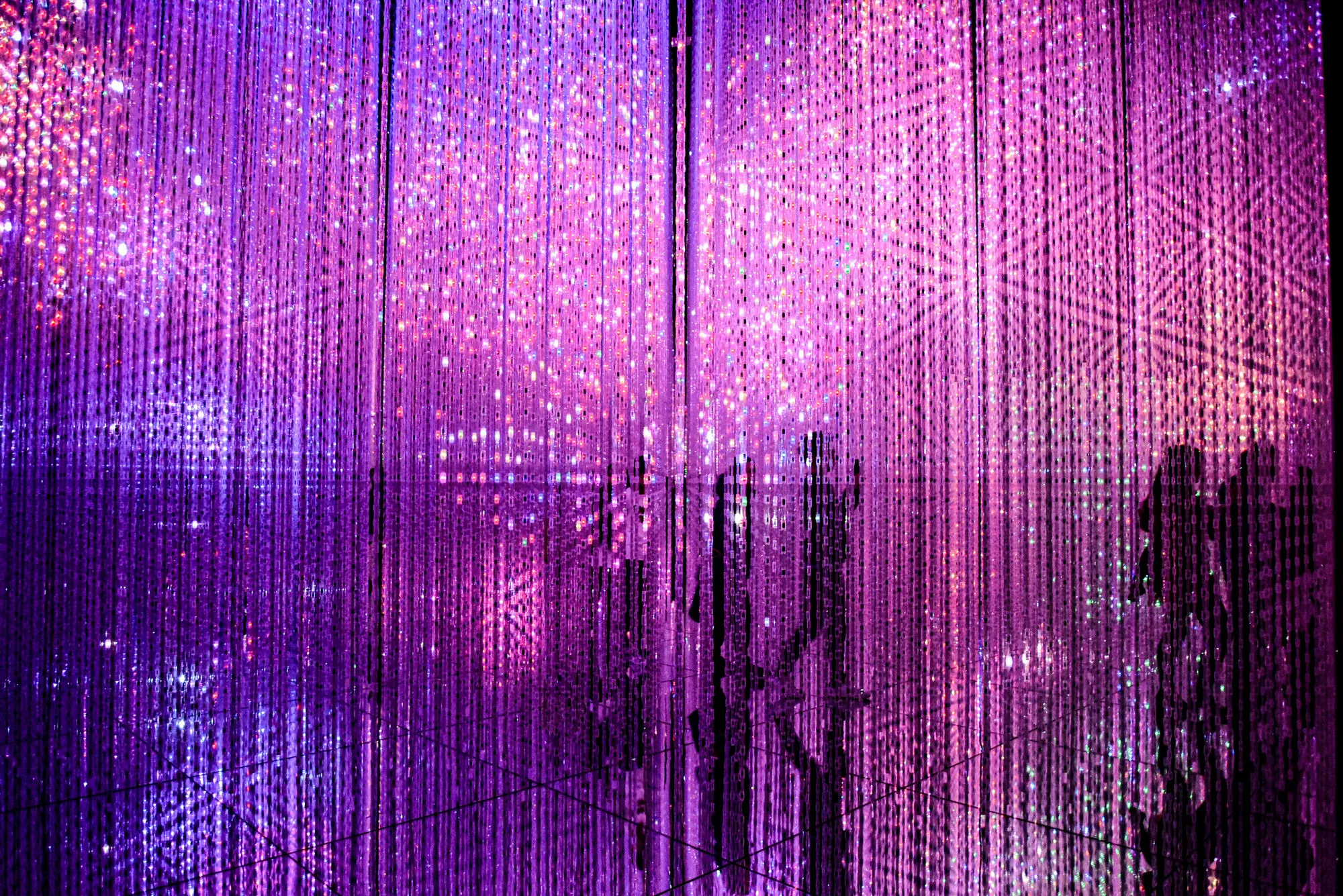
Over an area of more than 10,000 sq.m., various installations are located, based on the five main ways of perceiving the world. Be prepared to take off your shoes — everyone walks barefoot on the museum grounds.
Odaiba Island
Like Dubai, but better! This artificial island in Tokyo Bay was created back in the 19th century, but it only acquired its modern, futuristic look at the end of the 20th century. This is where the only beach in central Tokyo is located, so people often come here for beach recreation.
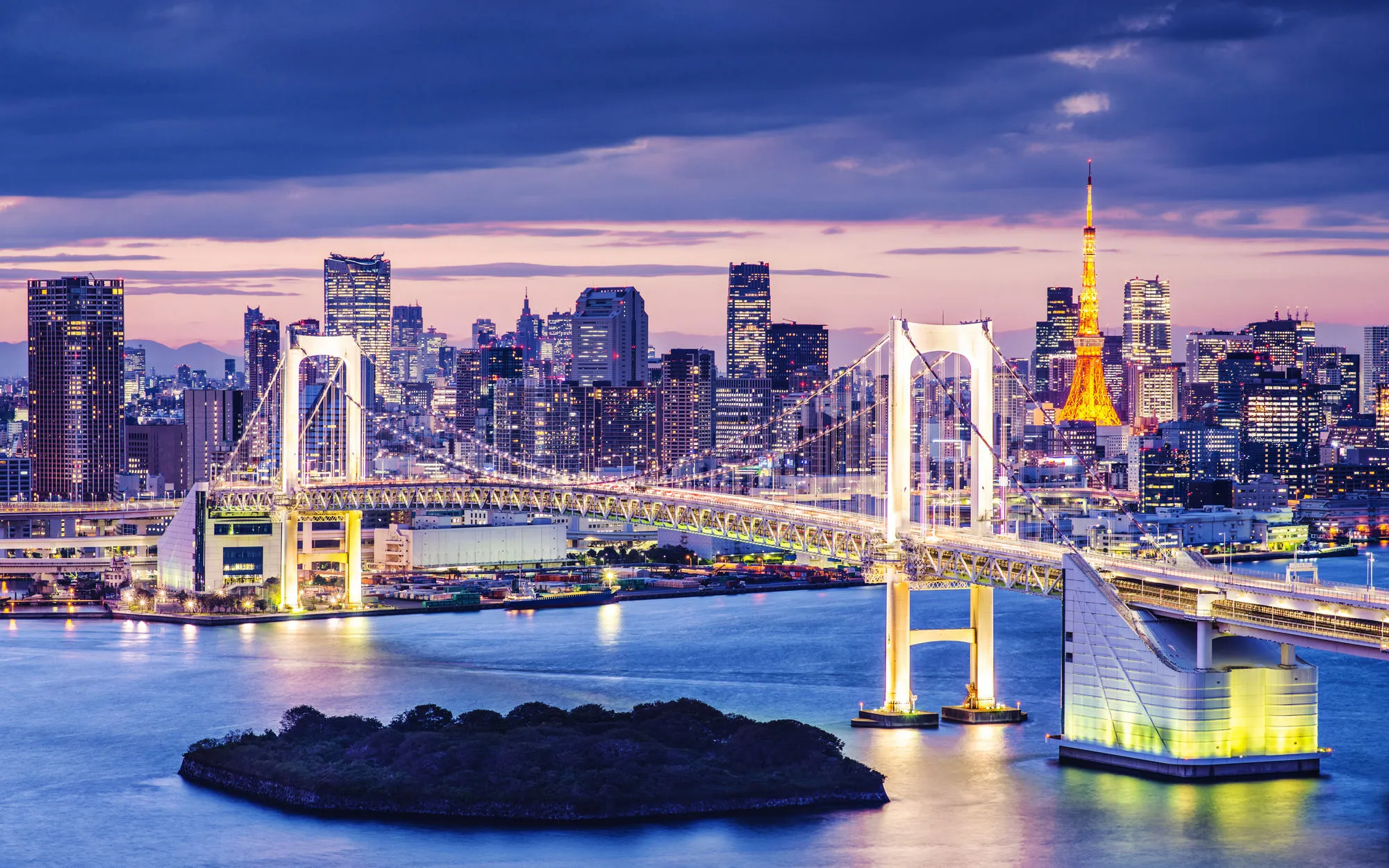
Shopaholics, however, love the island for other reasons. Here you'll find large shopping centers, amusement parks, and many other cool ways to spend time. In short, if you want a short break from "traditional" Japan, cross the Rainbow Bridge and enjoy "modern" Odaiba.
Useful tips for Tokyo newcomers
- buy an IC card in advance. No paper tickets, queues, or fuss — just top up the card and tap it everywhere: on the subway, buses, and even at the store checkout. Set it up once and forget what ticket machines look like;
- download Navitime and Hyperdia in advance to move comfortably around Tokyo. The app shows the necessary trains, stops, and transfers;
- buy food at convenience stores (konbini) to save money. These are stores like 7-Eleven and Lawson, where you can stock up on food, coffee, and find ATMs;
- forget about smoking. In Japan, smokers are taken quite seriously — they can only smoke in designated areas. Disobedience inevitably leads to a fine.
That's all! We wish you a great vacation!