Street Food Guide: What and Where to Eat Safely in Asian Markets
 Polina
We are sure: to truly get to know a country, you need to eat it. Preferably – surrounded by sizzling woks, aromatic smoke, and the cheerful buzz of locals. To ensure your gastronomic adventure doesn't turn into a quest for a pharmacy, we've compiled a detailed map of the most delicious and verified locations. It's high time to buy tickets from Moscow to Bangkok to embark on a tour of legendary food carts, or book tickets from St. Petersburg to Ho Chi Minh City and personally discover why Vietnamese street food is considered one of the best in the world.
Bangkok
In Thailand, food is a national idea. Here, they don't ask “how are you?”, they ask “have you eaten yet?”.
Yaowarat District (Chinatown): as dusk falls, the main street transforms into a neon ocean of food.
What to eat: Be sure to find the Khao Gaeng Jek Pui stall. It doesn't have an English sign, but you'll recognize it by the endless queue and people sitting on bright red plastic stools right along the wall of the building. Their green curry with beef is a benchmark for the balance of spice and coconut tenderness.
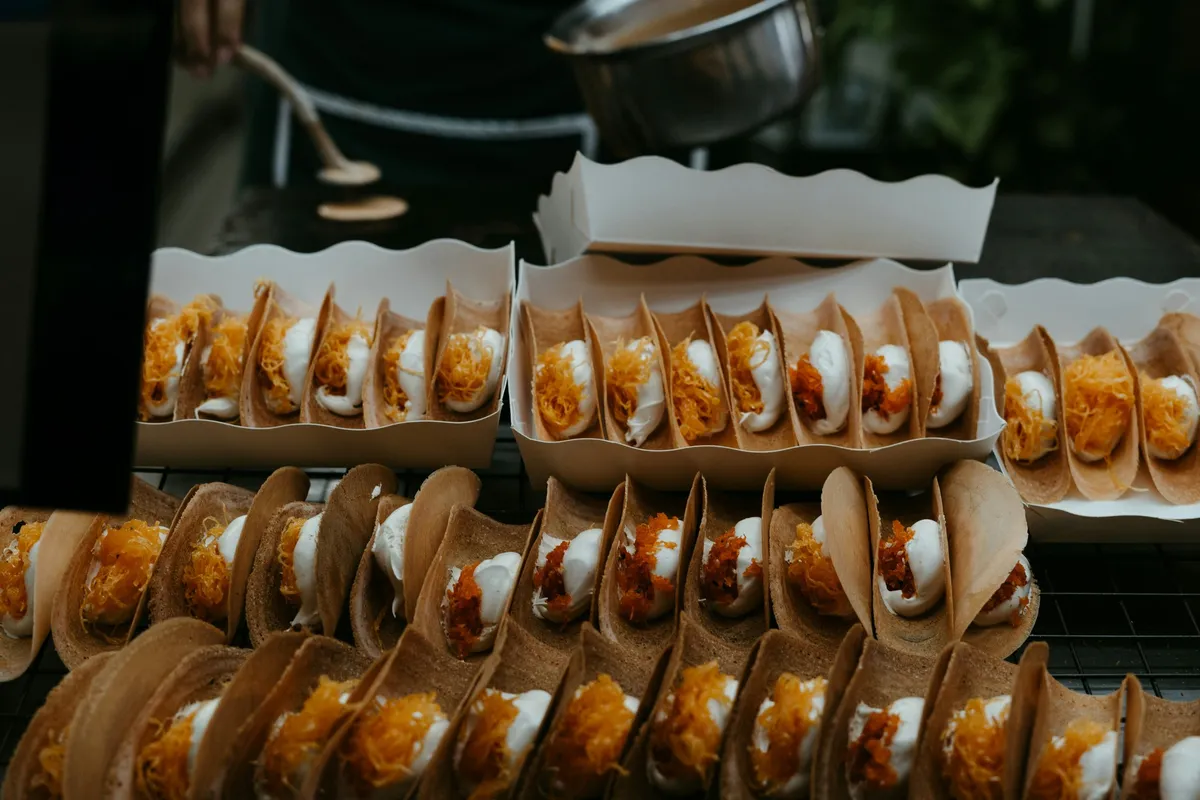
Dessert: Don't miss the food trucks with Yaowarat Toasted Buns – these are soft buns, grilled and filled with oozing chocolate, condensed milk, or pandan cream.
Jodd Fairs Market: this is a new generation of markets. It's clean, music plays, and the vendors look like magazine models.
What to eat: The famous Leng Saap – giant mountains of pork ribs, drenched in spicy broth with a pile of green chili. This dish looks intimidating, but its taste is refreshing and vibrant. If you love seafood, get the “Bucket Seafood” – shrimp, mussels, and corn in a thick sauce, which are poured directly onto a paper-covered table. This is eaten exclusively with gloved hands.
Ho Chi Minh City
Vietnamese street food is an incredible freshness of greens and an elegant influence of French colonial cuisine.
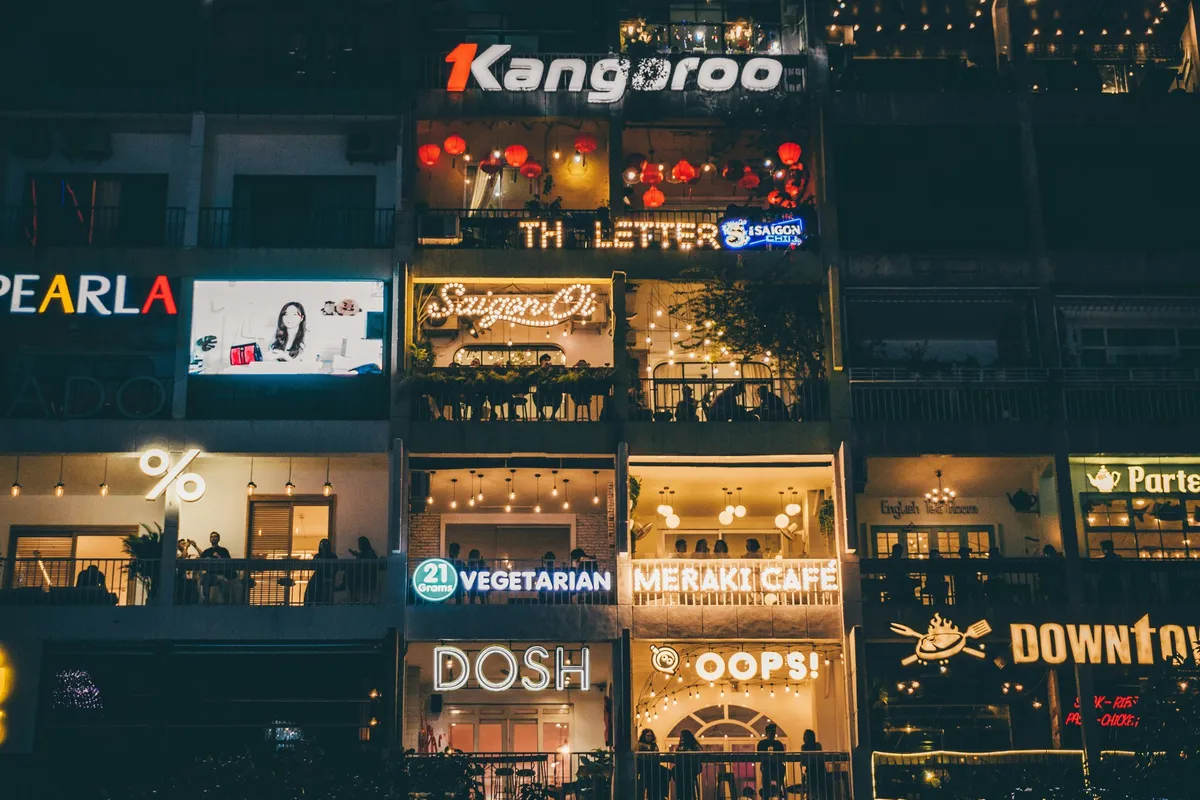
Ho Thi Ky Street: this flower market transforms into a gastronomic labyrinth in the evenings, where you can get lost for a couple of hours.
What to eat: Of course, Banh Mi. The secret to the perfect baguette is the addition of rice flour – this makes the crust ultra-crispy and the crumb airy. Inside – homemade pâté, several types of ham, cilantro, pickled carrots, and spicy sauce.
Snack: Try Banh Trang Nuong. This is a thin sheet of rice paper baked over coals. A quail egg is cracked onto it, sprinkled with dried shrimp, green onions, and a drop of mayonnaise is added. The result is a crispy “Vietnamese pizza” that is rolled into a tube.
District 1 (Co Giang Street): life here buzzes around braziers.
What to eat: Bun Thit Nuong. Imagine: cold rice noodles, topped with hot pork just off the coals, crispy Nem spring rolls, crushed peanuts, and a mountain of fresh mint and basil. All of this is drenched in Nuoc-mam sauce. This dish is considered one of the safest and most understandable for the European stomach.
Phu Quoc
On the island, everything revolves around fresh catch, so seafood is the main attraction here.
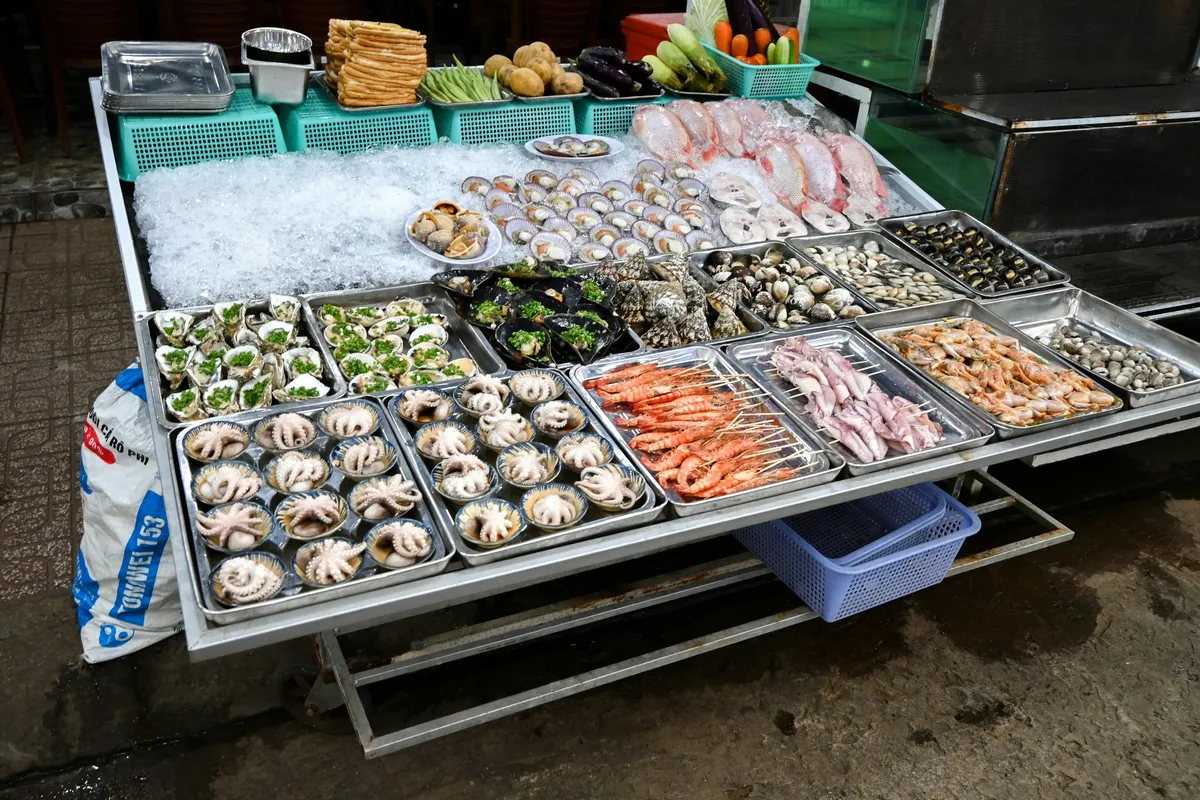
Duong Dong Night Market (Phu Quoc Night Market): everything here wiggles, swims, and awaits your choice.
What to eat: Bun Quay. The name translates to “stirred noodles”. The chef spreads a thin layer of fresh fish or shrimp paste on the bottom of a bowl, then pours boiling broth, in which rice noodles are cooked, over it. The paste transforms into a delicate cloud. You mix your own sauce from lime, salt, chili, and sugar – it's a whole ritual.
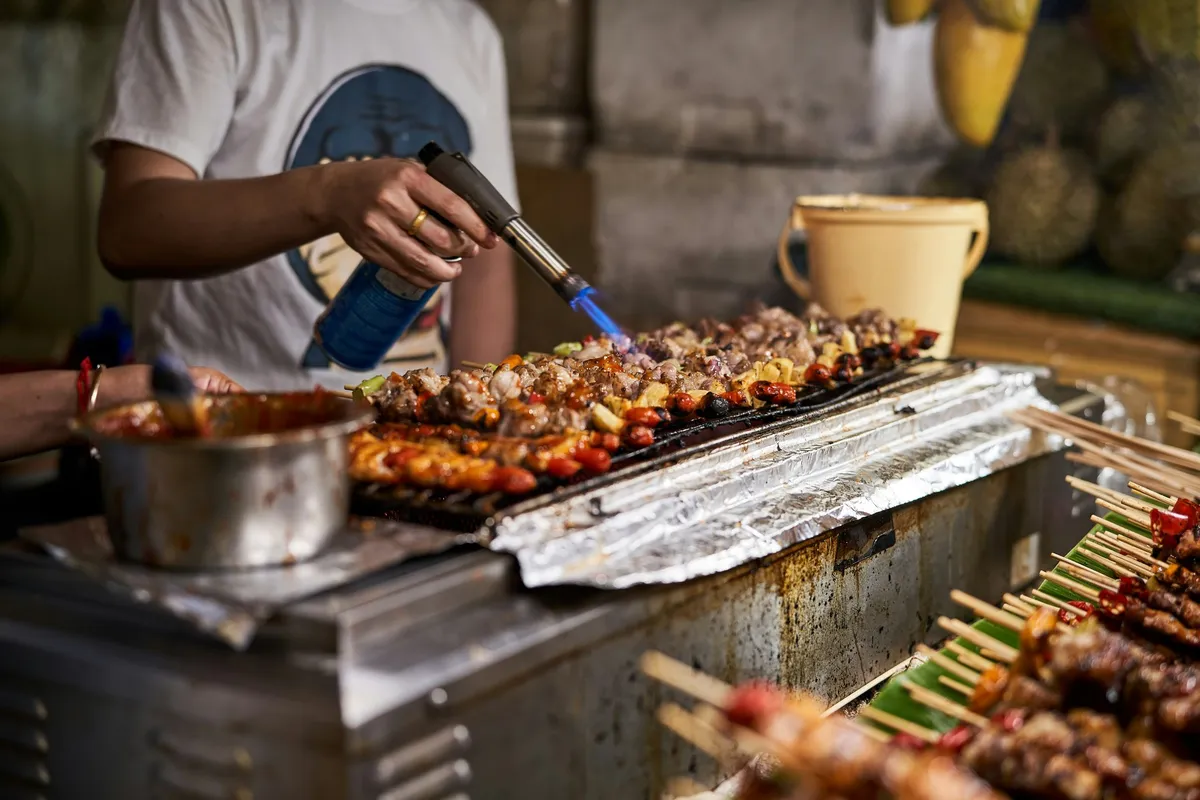
Grilled: Sea urchins (Nhum) with butter and green onions. They are grilled over coals for literally a minute. The taste resembles a delicate custard with the aroma of the ocean.
Seoul
South Korea has transformed street food into a high-tech and very Instagrammable process.
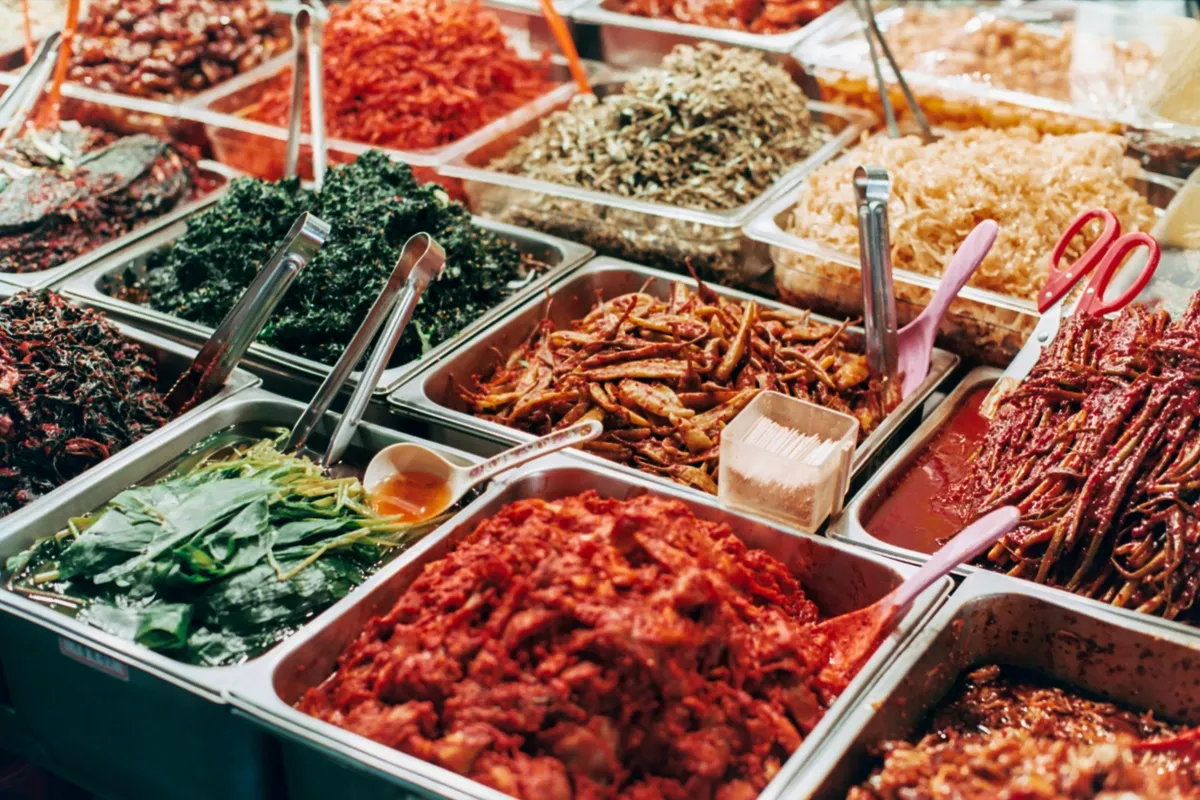
Gwangjang Market: a place with over 100 years of history. Episodes of Street Food on Netflix were filmed here, and it's felt in every detail.
What to eat: Bindaetteok. The vendors grind mung beans on stone mills right before your eyes, mix them with vegetables, and fry golden, crispy pancakes. It pairs perfectly with makgeolli (rice wine). Don't forget about Mayak Gimbap – “narcotic” rolls, so named because it's impossible to stop eating them due to the secret sauce.
Myeongdong District: here, street food is fashion.
What to eat: Deep-fried scallops with mozzarella, drizzled with teriyaki sauce and torched. Or “tornado potato” – a whole potato sliced in a spiral on a long skewer and dusted with cheese powder.
Kuala Lumpur
Malaysia is a place where Malay spices, Chinese techniques, and Indian aromas merge into one perfect dinner.
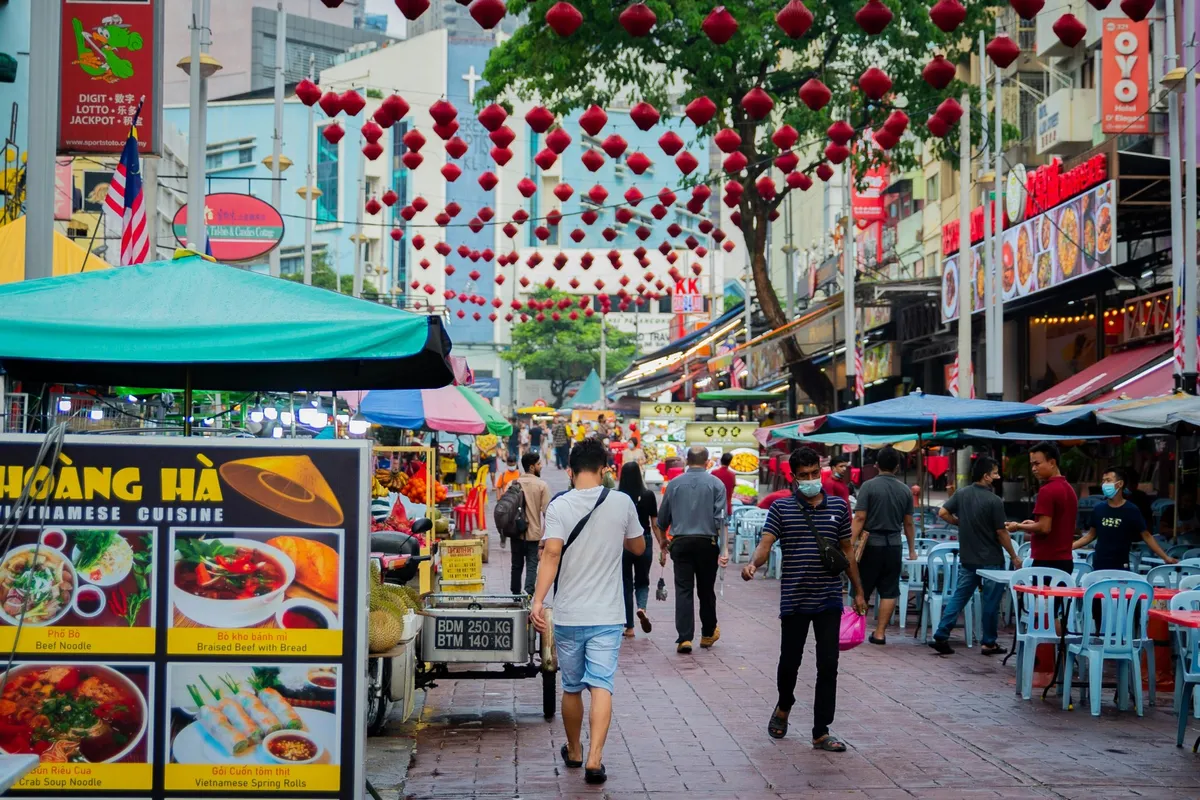
Jalan Alor Street: the city's main “gluttony” mile.
What to eat: Satay. Miniature skewers of chicken, beef, or lamb, marinated in turmeric and lemongrass, then served with a thick, sweetish peanut sauce.
For gourmets: Black pepper and crabs. Malaysians know their sauces – be sure to try seafood in a thick peppery glaze.
Little India (Brickfields):
What to eat: Roti Canai. This is not just a flatbread, but a masterpiece of engineering: the chef tosses the dough until it becomes transparent, then folds it in layers. Served with lentil curry (dal) and eaten in seconds.
Taipei
Taiwan is arguably the safest place for gastronomic experiments in Asia.
Shilin Night Market: a huge labyrinth of food that goes underground.
What to eat: Hot-Star Large Fried Chicken. This is a chicken breast pounded to the size of a small pizza, breaded and fried to an insane crisp. It's so large that it's served in a special envelope. Also, don't miss the oyster omelet – gooey, tender, and very filling.
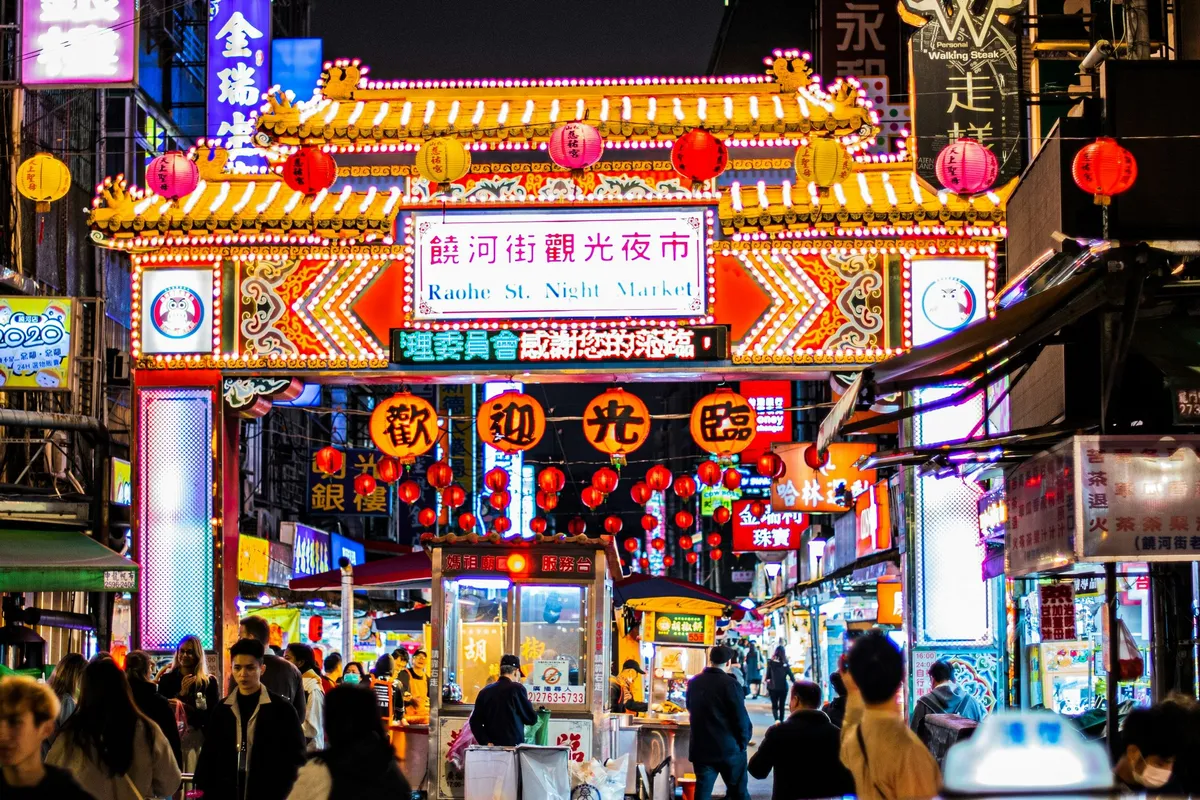
Raohe Night Market:
What to eat: Hújiāo Bǐng (Pepper Pork Buns). There's always a queue for these buns at the market entrance. They are handmade, sprinkled with sesame seeds, and stuck to the walls of a hot clay oven. Inside – juicy pork with a huge amount of black pepper and green onions.
3 Rules for a "Safe Appetite"
Heat treatment is your main ally. If a dish sizzles in a wok, boils in a pot, or is grilled over coals right in front of you – it's safe. Heat treatment kills everything unnecessary. Only be wary of products that have been sitting on the counter ready-made for several hours.
The magic of factory ice. In 2026, throughout tourist Asia, ice in the form of perfect cylinders with a hole inside is produced centrally from filtered water. You can safely add it to shakes and juices. However, crushed, shapeless chunks are a sure sign that the ice was frozen from tap water.
Hygiene and the "queue rule". Always carry antibacterial hand gel with you. If you doubt the cleanliness of reusable utensils, simply wipe them with a napkin or use your own foldable chopsticks. And remember: where there's a queue of locals, the food is the freshest and most delicious.
Travel, discover new horizons, and don't be afraid to taste the world. It's these moments – when you stand with a paper plate in your hands in the middle of a bustling market – that become the most vivid memories!