Major Megacities of Southeast Asia
 Polina
Southeast Asia is not just endless beaches and secluded bungalows. It is, first and foremost, bustling, chaotic, incredibly vibrant, and energy-breathing megacities. These are places where the aroma of street food mixes with the scent of incense from an ancient temple, and glass skyscrapers reflect colonial mansions.
These cities are not just transit points, but self-contained worlds you can dive into headfirst. We've selected the main megacities of the region and figured out what you absolutely must do in each of them.
Bangkok, Thailand
Bangkok is the main transport hub and gateway to Southeast Asia. It's a city that initially overwhelms you with the noise of tuk-tuks, humid heat, and a kaleidoscope of smells, and then makes you fall in love with it forever.
What to see:
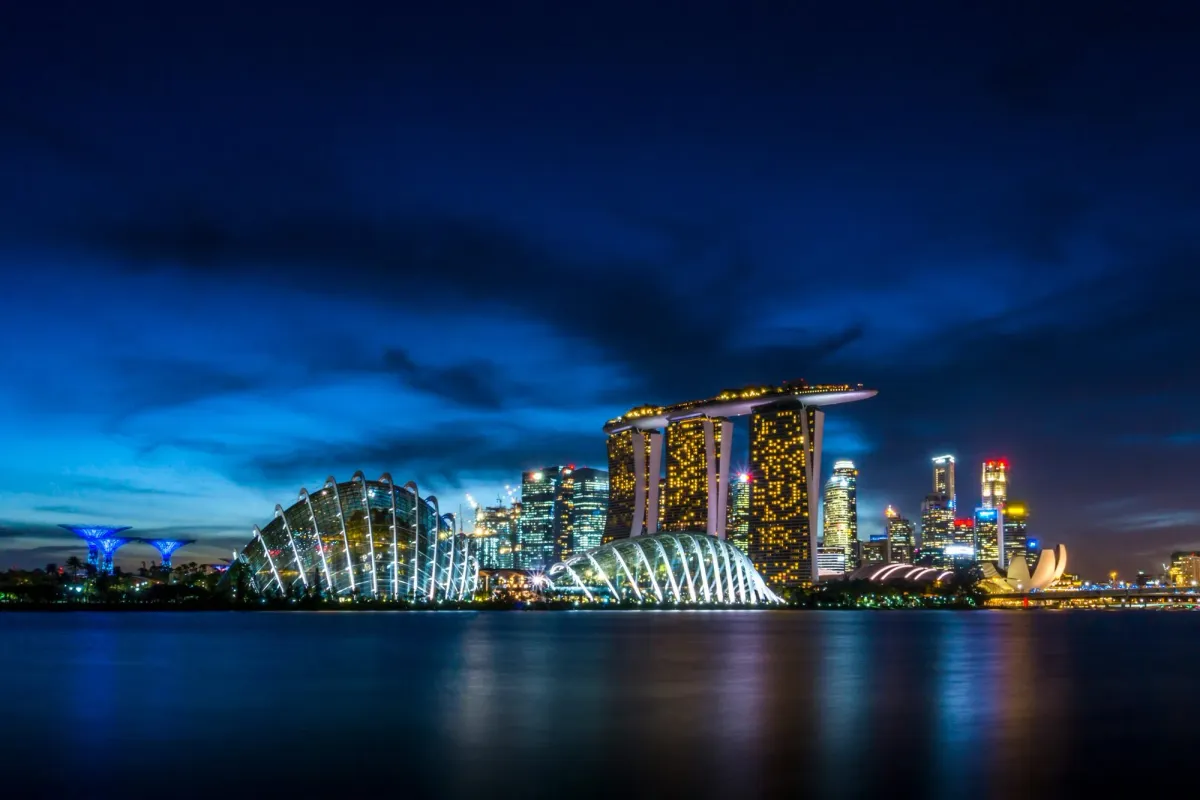
- Grand (Royal) Palace and Wat Pho (Temple of the Reclining Buddha): this is an absolute must-see, the city's calling card. Prepare for glittering gold, intricate carvings, and crowds of tourists. Wat Pho, with its gigantic 46-meter Buddha statue, is nearby and a bit calmer.
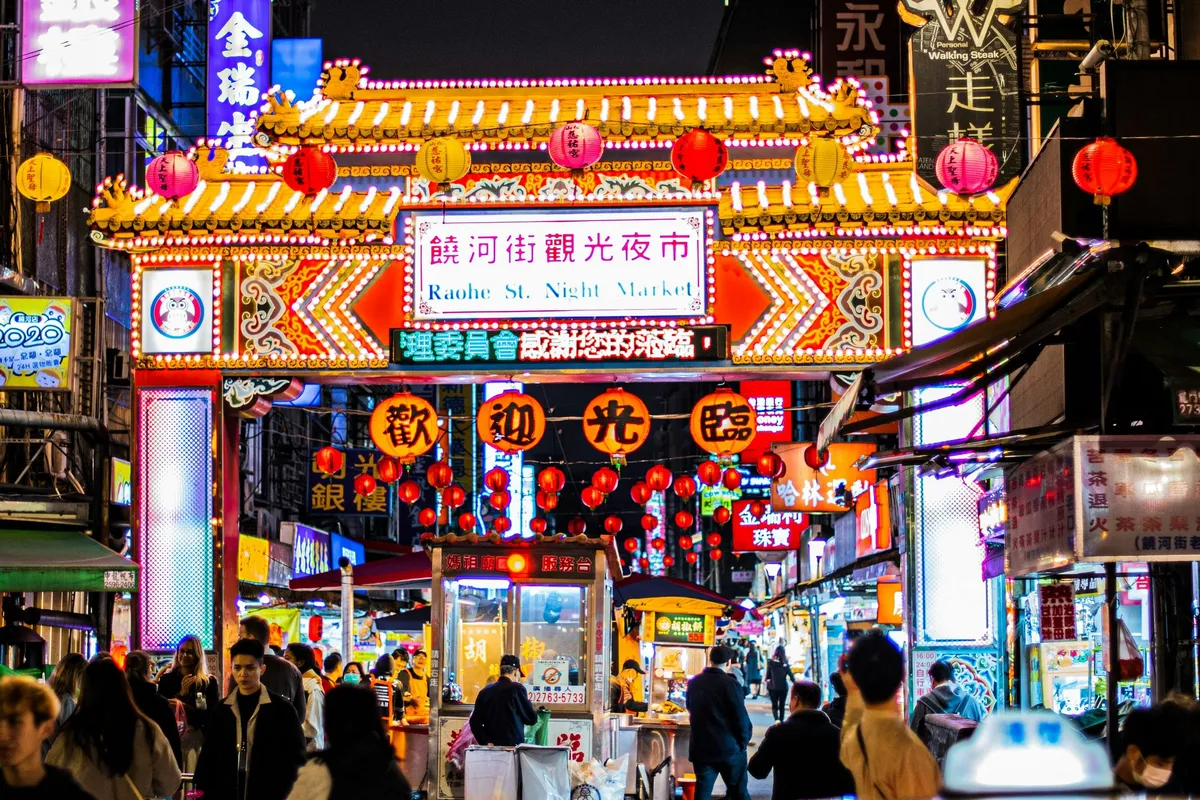
- Chinatown (Yaowarat): by day it's a business center, and at sunset, it transforms into a giant outdoor restaurant. Neon signs, gold shops, and possibly the best street food of your life – it's all here.
- Chatuchak Market (weekends only): one of the largest markets in the world. Here you can buy everything from vintage clothes and coconut ice cream to antique furniture.
- Mahanakhon Skyscraper: if you want to see modern Bangkok, go up to the observation deck of this "pixelated" skyscraper. The glass floor at a height of 310 meters is an attraction not for the faint of heart.
How to get there: the easiest way to start your Asian adventure is to buy tickets to Bangkok on Kupi.com. Direct flights or convenient connections are available year-round.
Kuala Lumpur, Malaysia
Kuala Lumpur, or simply "KL," is a city where Malay, Chinese, and Indian cultures blend into one vibrant and harmonious cocktail. It's a city of Islamic mosques, Hindu temples, and Chinese markets, over which icons of modern architecture rise.
What to see:
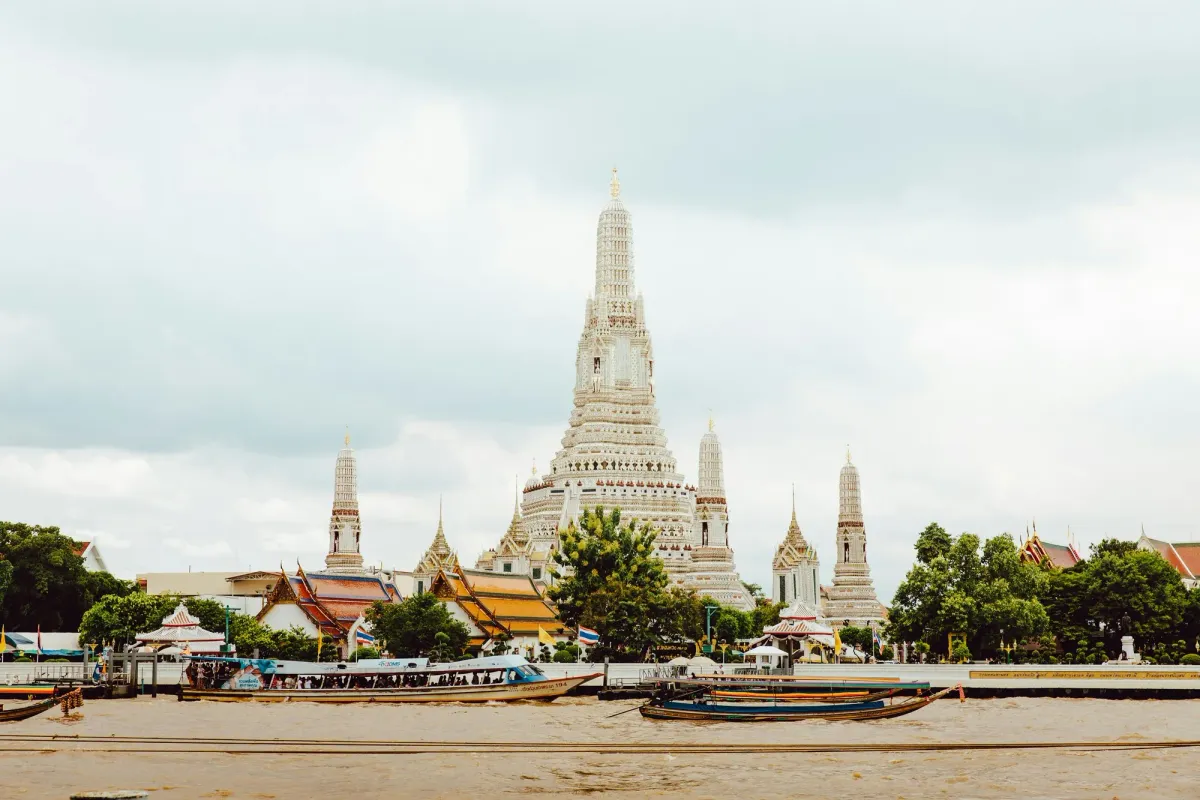
- Petronas Towers: the main symbol not only of the city but of all Malaysia. Tickets for the famous Skybridge between the towers are best bought online and well in advance. In the evening, an impressive fountain show takes place at the foot of the towers.
- Batu Caves: located 30 minutes from the city, this incredible Hindu temple complex features a steep rainbow staircase of 272 steps leading to the main cave temple, guarded by a giant golden statue of Lord Murugan. Beware: local monkeys love to steal anything left unattended by tourists.
- Jalan Alor Street: a foodie's paradise. In the evening, it transforms into an endless row of open-air restaurants serving the best examples of Malay, Chinese, and Thai cuisine.
- Central Market and Chinatown (Petaling Street): a place to buy souvenirs, fake bags, and cheap street food.
Singapore
Singapore is "Asia for beginners." An impeccably clean, safe, green, and incredibly organized city-state. It's a place where you can see what a future megacity might look like, but this futuristic appeal comes at a price: Singapore is one of the most expensive cities in the world. We recommend carefully checking the entry rules for Singapore before planning your trip.
What to see:
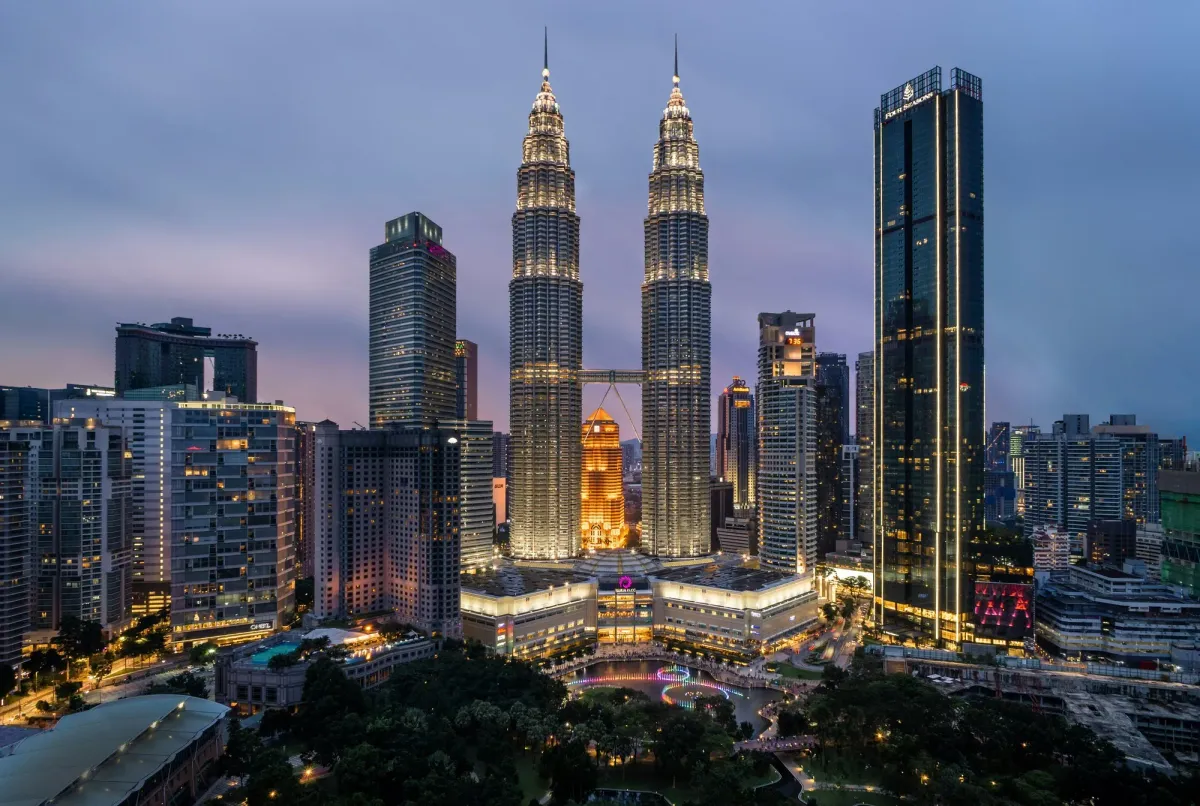
- Gardens by the Bay: a fantastic park that you've definitely seen in photos. Giant futuristic "supertrees," the Cloud Forest and Flower Dome conservatories – it's something otherworldly. A light show takes place here in the evening.
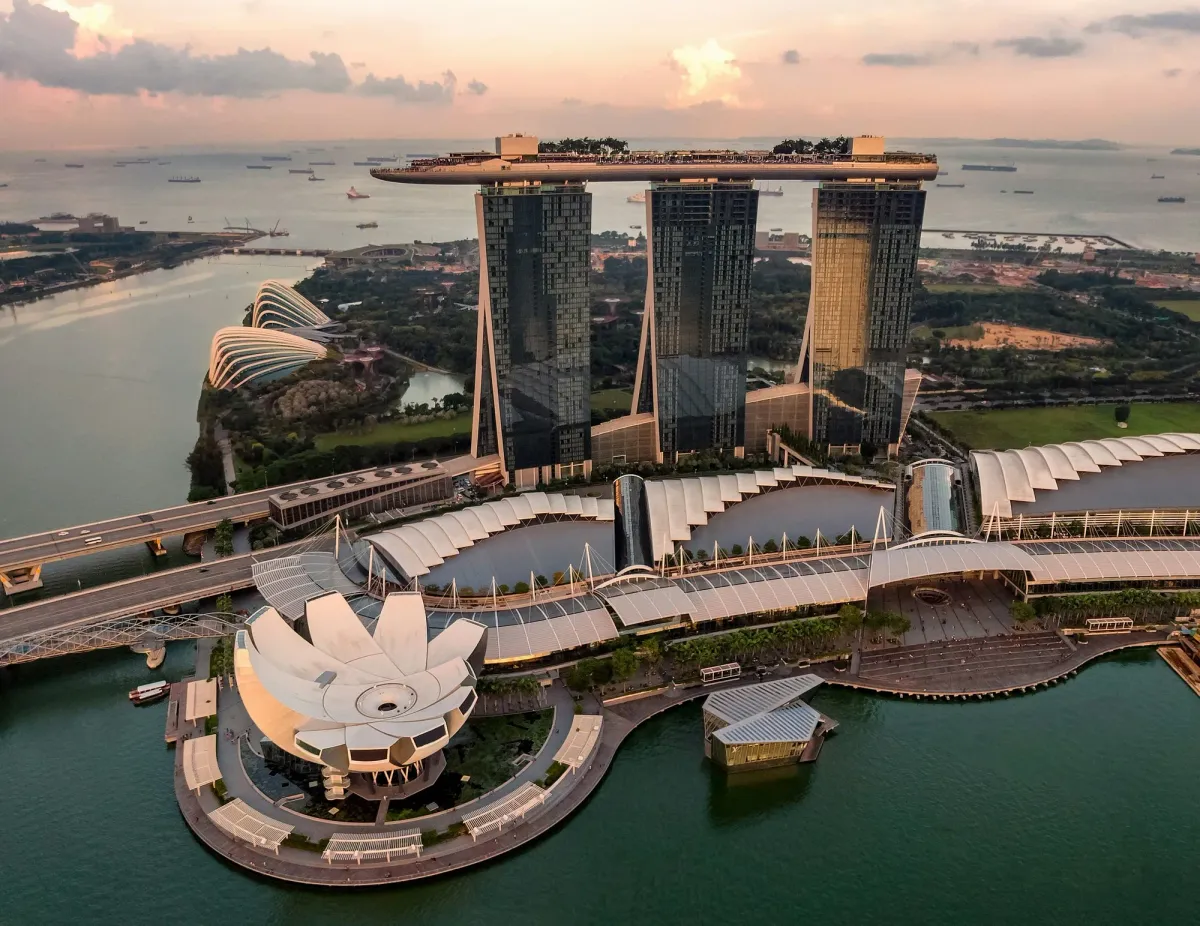
- Marina Bay Sands: that famous ship-hotel with a giant infinity pool on the roof. The pool is only accessible to guests, but anyone can go up to the observation deck (Skypark).
- Ethnic Quarters: to experience the real Singapore, head to Chinatown (for souvenirs and food), Little India (for the aromas of spices and vibrant saris), and Kampong Glam (the Arab quarter with the trendy Haji Lane).
- Hawker Centres: the soul of Singaporean cuisine. These are not just food courts, but huge pavilions where dozens of stalls (many of which have Michelin stars!) prepare cheap and divinely delicious food.
How to get there: this is a distant but popular destination. You can find tickets to Singapore with convenient layovers at Middle Eastern airports.
Hanoi, Vietnam
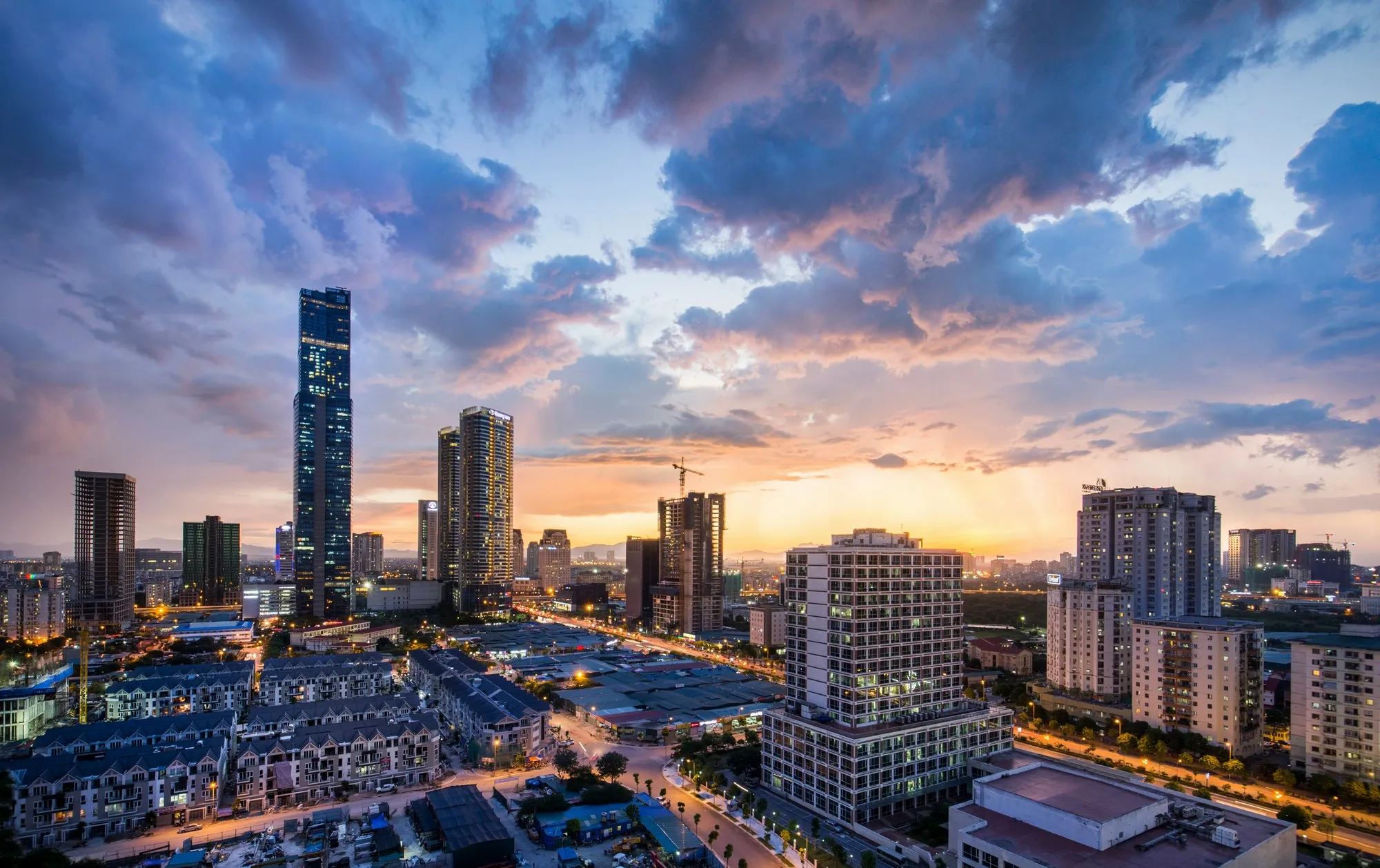
The capital of Vietnam, a city with a thousand-year history, preserving the charm of the French colonial era. Hanoi is a labyrinth of narrow streets, the hum of thousands of mopeds, the quiet surface of lakes, and a leisurely pace of life.
What to see:
- Old Quarter: the heart of the city. 36 streets, each historically dedicated to a single craft (Silk Street, Silver Street, Shoe Street). Here you just need to get lost, trying street food, dodging mopeds, and admiring old houses.
- Hoan Kiem Lake (Lake of the Returned Sword): an oasis of calm in the center of Hanoi. In the morning, locals do gymnastics here, and in the evening, beautiful lights illuminate the bridge to Ngoc Son Temple.
- Egg Coffee: a gastronomic symbol of Hanoi. Don't be scared by the name – it's a delicate, tiramisu-like drink made from whipped egg yolk, condensed milk, and strong Vietnamese coffee.
- Train Street: a unique place where residential buildings stand so close to the tracks that residents clear away chairs and laundry a minute before a train rushes past.
Ho Chi Minh City (Saigon), Vietnam
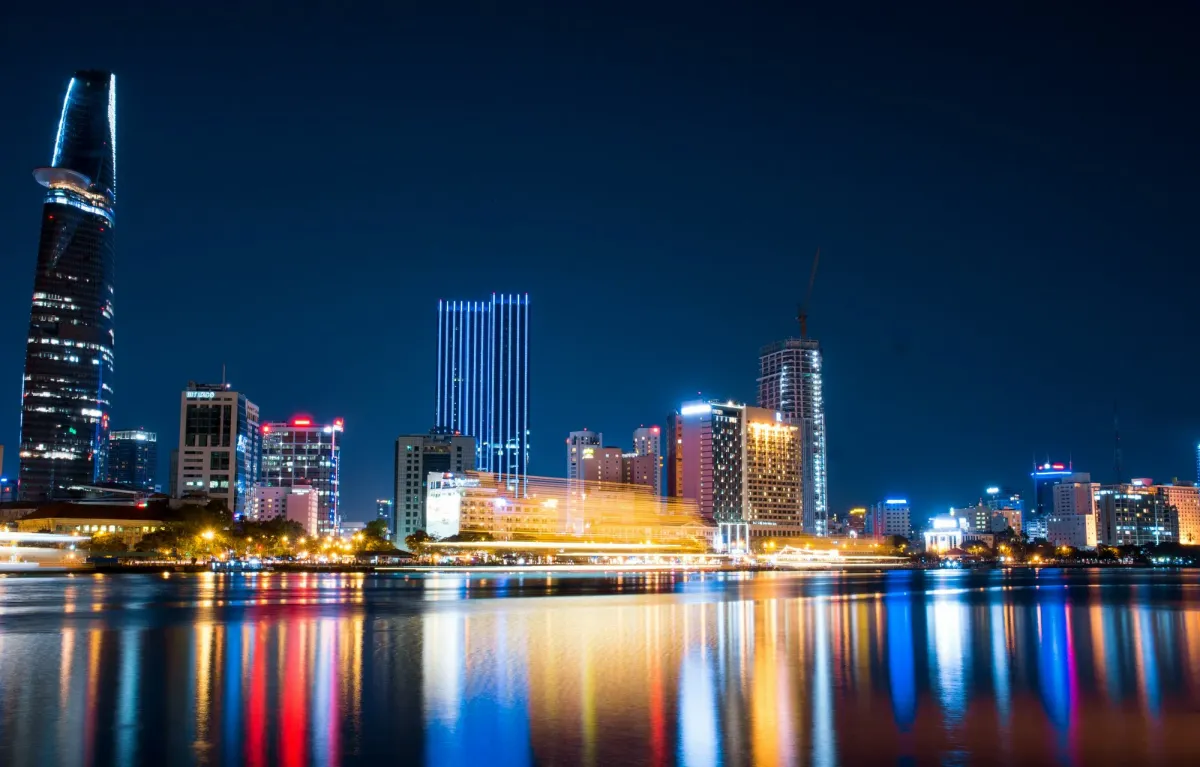
If Hanoi is the soul, then Ho Chi Minh City is the beating heart of Vietnam. This is Saigon, the former capital of South Vietnam – a noisy, modern, business megacity that never sleeps.
What to see:
- Notre Dame Cathedral Basilica of Saigon and Central Post Office: the main legacy of French colonialism. The Post Office was designed by Gustave Eiffel himself (or his students) and is still operational.
- War Remnants Museum: a difficult but essential place to visit to understand the history of 20th-century Vietnam.
- Ben Thanh Market: a huge, noisy, tourist market where you can buy everything under the sun and practice the art of bargaining.
- Cu Chi Tunnels (suburbs): a network of underground tunnels used by Vietnamese guerrillas during the war. A tour here is a true immersion in history.
How to get there: many people start their journey through Vietnam from the south, so buying tickets to Ho Chi Minh City is an excellent start for a grand Asian adventure.
Manila, Philippines
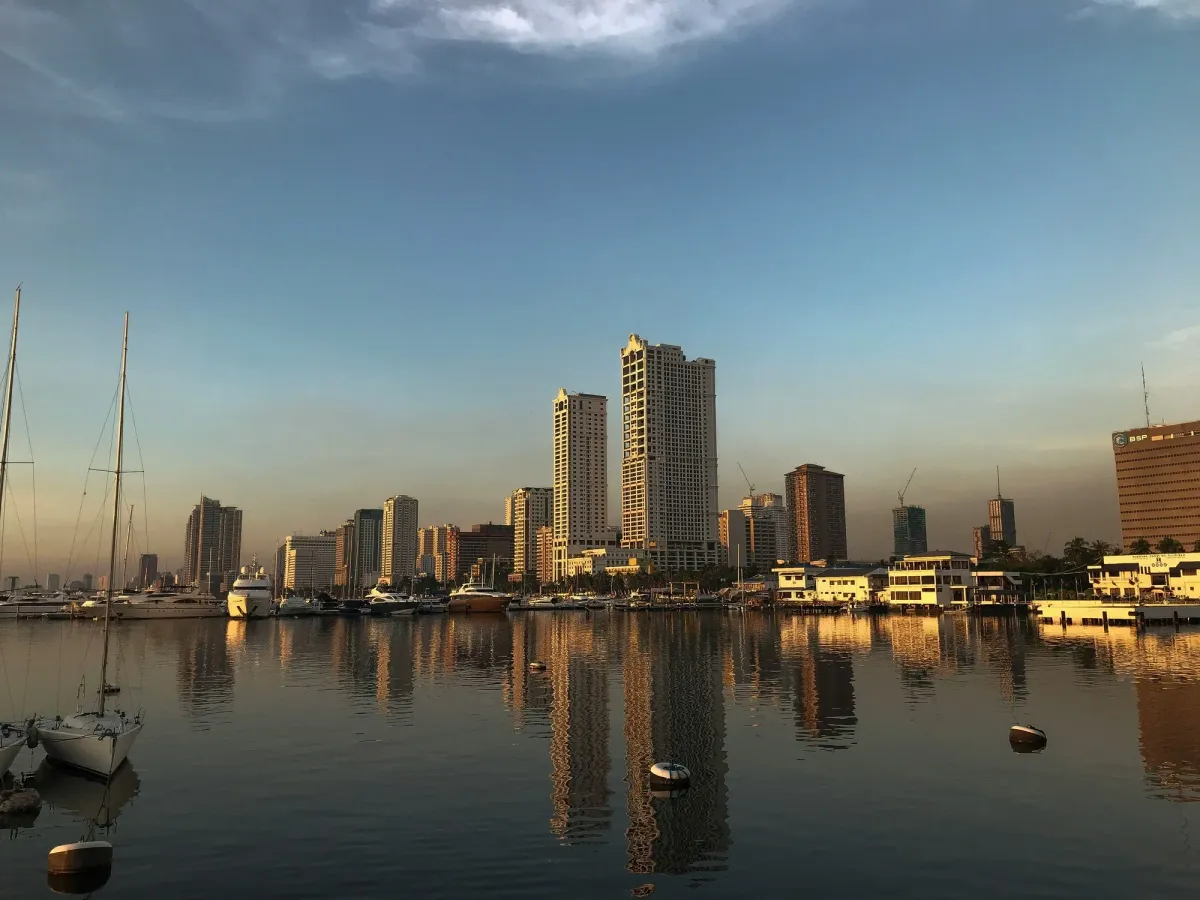
A melting pot where the Spanish colonial past meets American influence and Asian chaos. Manila can shock with its traffic jams and poverty, but immediately charm with its warmth, music, and unique culture.
What to see:
- Intramuros: the "Walled City" is the historical heart of Manila, built by the Spanish in the 16th century. Here you can wander for hours on cobblestone streets, exploring old forts (Fort Santiago), churches, and colonial houses.
- Ride a "jeepney": these bright, chrome-plated hybrids of a jeep and a bus are a true symbol of the Philippines. The cheapest and most authentic way to get around the city.
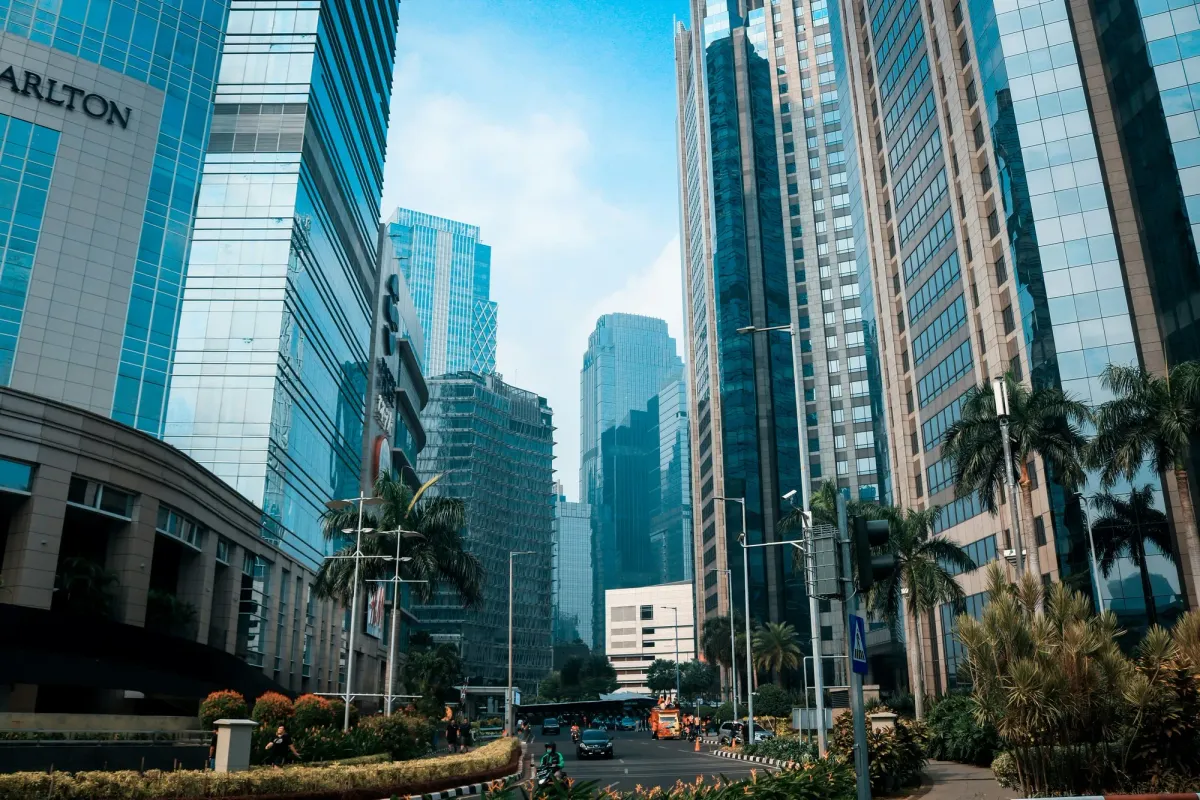
- Makati District: Manila's business center, a city within a city. A world of skyscrapers, luxurious shopping malls (such as Greenbelt), and trendy bars. An ideal place to see how diverse Manila can be.
- Rizal Park: a huge green oasis in the city center, dedicated to national hero Jose Rizal. A favorite recreational spot for city residents.
Jakarta, Indonesia
The capital of Indonesia is often called the "Big Durian": outwardly it may seem impregnable and chaotic, but inside it hides many interesting things. It's a giant, bustling megacity with some of the craziest traffic jams in the world, but also with incredible energy and friendly residents.
What to see:
- Kota Tua (Old Town): Jakarta's Dutch colonial heritage. The center is Fatahillah Square, surrounded by old buildings that now house museums (Jakarta History Museum, Wayang Museum).
- Istiqlal Mosque and Cathedral: the city's two main religious sanctuaries stand directly opposite each other, symbolizing the Indonesian principle of "unity in diversity." Istiqlal is the largest mosque in Southeast Asia.
- Monas Monument: a 132-meter tower symbolizing Indonesia's independence, located in the center of the giant Merdeka Square.
- Grand Indonesia: to understand modern Jakarta, you need to see its malls. These are not just shopping centers, but entire cities with shops, restaurants, fountains, and entertainment, where city dwellers escape the heat.
Phnom Penh, Cambodia
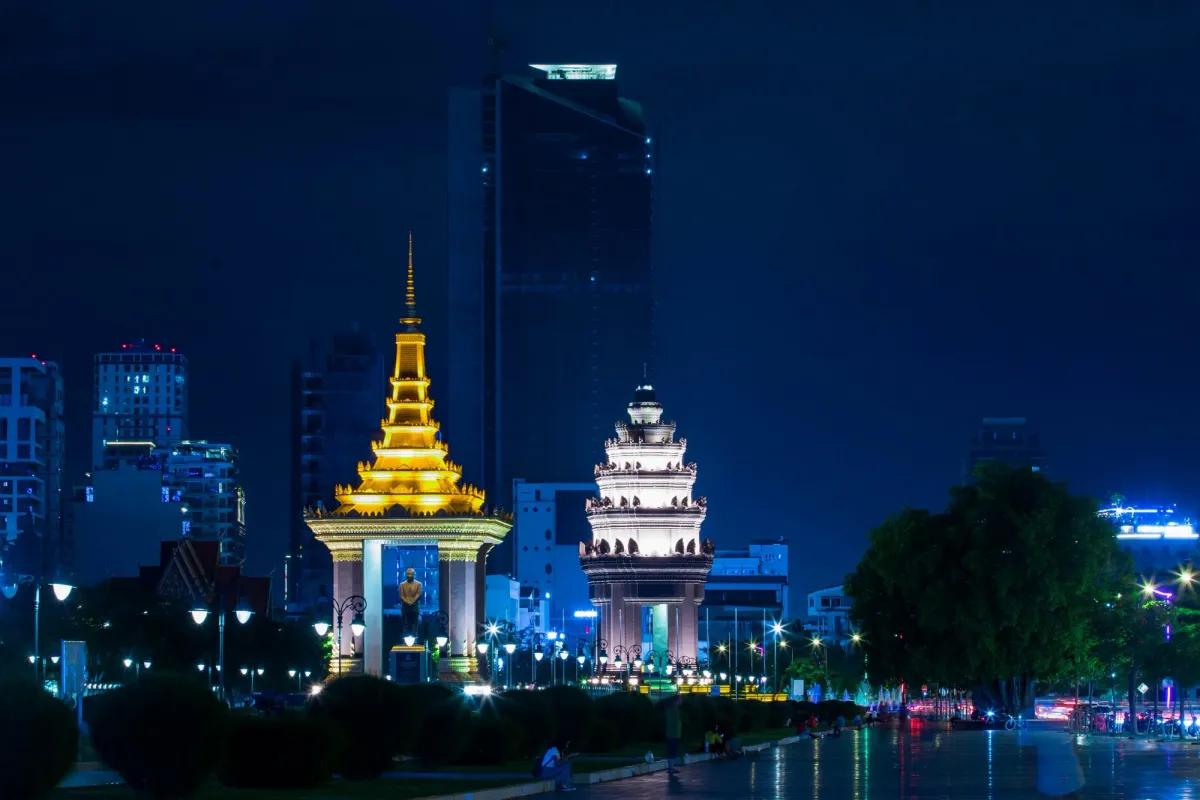
The capital of Cambodia is a city with two faces. On one side, there's the glittering Royal Palace and the lively Mekong River promenade. On the other, it's a place that holds the terrible memory of the Khmer Rouge regime. It's impossible to understand modern Cambodia without looking into its past.
What to see:
- Royal Palace and Silver Pagoda: the residence of the King of Cambodia. Visitors are allowed into the Throne Hall and the grounds of the Silver Pagoda, whose floor is paved with thousands of silver tiles.
- Tuol Sleng Genocide Museum (S-21): a former school transformed into a prison by the Khmer Rouge. A difficult but essential place to visit, telling the story of the country's tragedy.
- Killing Fields (Choeung Ek): a memorial at the site of mass executions. A tour with an audio guide (often featuring survivor testimonies) leaves an indelible impression.
- Central Market (Phsar Thmey): a huge and beautiful Art Deco building where you can buy souvenirs, fabrics, jewelry, and try local food.