Guide to the Best Food Courts and Markets in Asia
 Polina
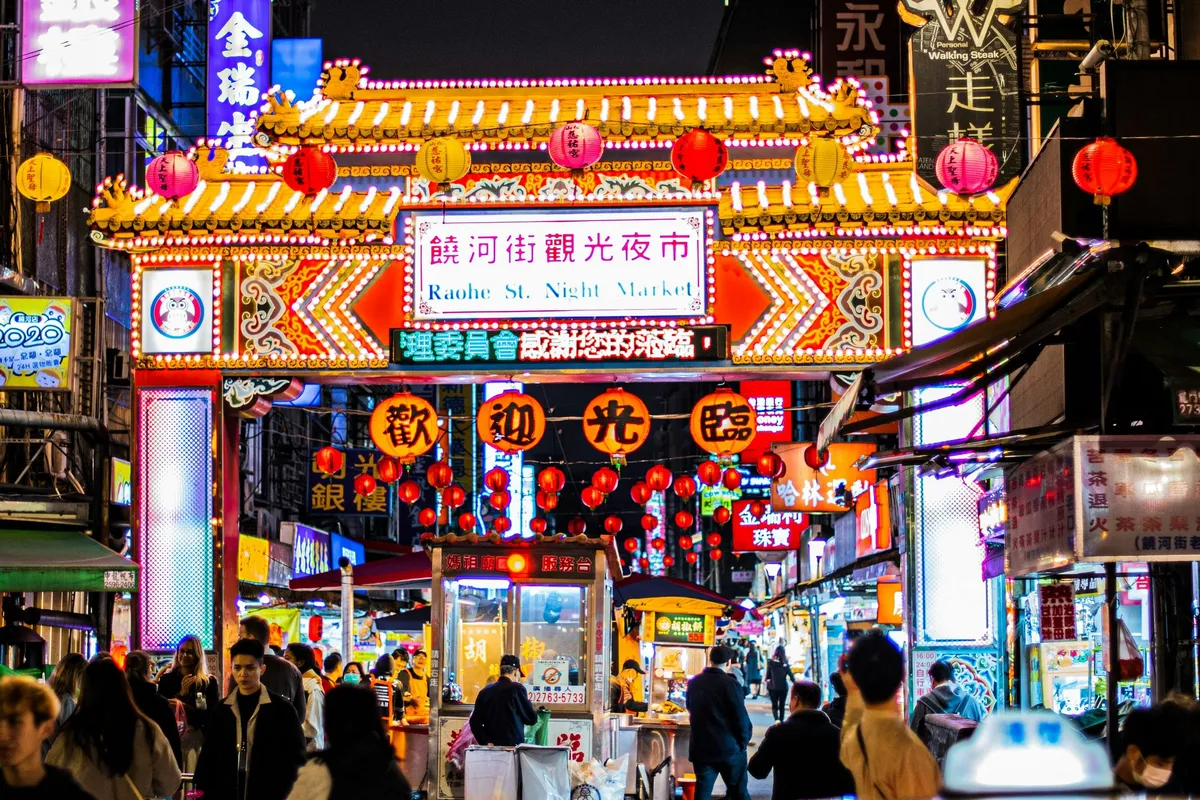
Traveling through Asia without experiencing its street food is like watching a movie without sound. It is in the bustling food courts and colorful markets that the culinary heart of the continent beats, where for a ridiculous amount of money you can try dozens of authentic dishes that cannot be found in expensive restaurants. Here, the aromas of spices mingle, the clatter of dishes and the hum of hundreds of voices are heard, and each stall is a small culinary theater.
We have prepared a guide for you to the best places to eat delicious, authentic, and inexpensive food in the most popular Asian destinations. Get ready for incredible taste discoveries!

Singapore: Hawker Centers – The Pinnacle of Street Food
Singapore is famous for its cleanliness and order, and its hawker centers are no exception. These are not just food courts, but a cultural phenomenon, where street food stalls that have passed the strictest hygiene controls are gathered. Many of them are Michelin-starred!
Lau Pa Sat
- Why visit: a historic Victorian-era building with intricate metal structures, located right in the heart of the financial district. In the evening, Boon Tat Street is closed off, and hundreds of stalls bring out their grills to prepare the famous satay.
- What to try: satay – marinated meat on skewers, grilled over coals, served with peanut sauce. Choose a combo of chicken, beef, and shrimp. Also, there's excellent chili crab and fried kway teow.
- Atmosphere: during the day – business lunch, in the evening – a lively gastronomic celebration with live music and crowds of tourists and locals.
- How to get there: located near Telok Ayer and Downtown MRT stations. You can buy tickets to Singapore on Kupi.com with a convenient layover, for example, in Doha or Dubai. Don't forget to check the entry rules for Singapore before starting your trip.

Maxwell Road Hawker Centre
- Why visit: one of the oldest and most authentic hawker centers, known for its legendary stalls.
- What to try: Tian Tian Hainanese Chicken Rice – an iconic Michelin-starred stall. The queue will be long, but it's worth it! Don't forget to also try oyster cake and fish ball noodles.
- Atmosphere: a real anthill where locals and tourists queue for their favorite dishes. Noisy, lively, and very delicious.
- How to get there: the nearest MRT station is Telok Ayer.
Bangkok, Thailand: Kingdom of Street Food
Bangkok is the capital of world street food, where you can find something incredible on every corner. From morning markets to night alleys, smelling of spices and coconut milk.
Chatuchak Weekend Market
- Why visit: Thailand's largest market and one of the biggest in the world. You can buy anything here, and the food is a separate attraction. It only operates on weekends.
- What to try: coconut ice cream in a shell, fruits (mango, durian, rambutan), Thai iced tea, fried insects (for the brave!), and, of course, classic pad thai and green curry from numerous stalls.
- Atmosphere: a huge labyrinth full of people, smells, and colors. Noisy, hot, and incredibly interesting.
- How to get there: By BTS Skytrain to Mo Chit station or by metro to Chatuchak Park station. Tickets to Bangkok can be found with a convenient layover, for example, in Doha or Istanbul.

Yaowarat, Bangkok's Chinatown
- Why visit: in the evening, Yaowarat transforms into one of the most famous street food streets in the world. Hundreds of stalls are set up right on the roadway.
- What to try: pad see ew, fish curry, oyster omelets, duck noodles. Don't forget durian ice cream and Thai banana pancakes (roti).
- Atmosphere: bustling, vibrant, full of neon lights and overwhelming smells. A must-visit!
- How to get there: the nearest MRT station is Wat Mangkon.

Kuala Lumpur, Malaysia: A Melting Pot of Flavors
A city where Malay, Chinese, and Indian cuisines meet, creating a unique gastronomic palette. The food courts here are a true revelation.
Jalan Alor
- Why visit: the most famous street food street in Kuala Lumpur, which comes alive after sunset. An ideal place for a first introduction to Malaysian cuisine.
- What to try: char kway teow, satay, grilled chicken wings, grilled seafood, and lok lok – vegetables and meat on skewers that you cook yourself in hot broth.
- Atmosphere: very noisy, cheerful, and touristy. Many plastic tables where you can sit until late at night.
- How to get there: Bukit Bintang monorail station. Tickets for Moscow – Kuala Lumpur can be found with layovers, for example, in Doha or Istanbul.

Lot 10 Hutong Food Court
- Why visit: this is not just a food court, but a carefully curated collection of Kuala Lumpur's oldest and most famous street food stalls that have moved under the roof of the upscale Lot 10 shopping center. Ideal if you want to try the best examples of street food in comfortable and clean conditions.
- What to try: Peking duck, dim sum, hokkien mee, nasi lemak.
- Atmosphere: clean, air-conditioned, yet retaining the spirit of authentic street cafes.
- How to get there: Bukit Bintang monorail station.

Ho Chi Minh City, Vietnam: Taste of the Streets and Hidden Gems
Vietnamese cuisine deservedly enjoys immense popularity worldwide, and Ho Chi Minh City (formerly Saigon) is its heart. Street food here is a whole cult.
Ben Thanh Market
- Why visit: one of the oldest and most famous markets in Ho Chi Minh City. During the day, souvenirs and clothes are sold here, and in the evening, part of the market transforms into a huge food court with the best Vietnamese dishes.
- What to try: phở soup – of course! also spring rolls (gỏi cuốn), rice noodles with meat (bún chả), Vietnamese sandwich bánh mì, and iced condensed milk coffee (cà phê sữa đá).
- Atmosphere: Noisy, lively, but very atmospheric. A great place to practice bargaining.
- How to get there: located in the city center, easily accessible on foot. You can buy tickets to Ho Chi on Kupi.com Minh City with a layover, for example, in Bangkok or Doha.

Vĩnh Khánh Street Food Street
- Why visit: this street in District 4 is famous for its seafood cafes. Here you will see how locals throw real feasts.
- What to try: grilled oysters with peanuts (hàu nướng mỡ hành), snails with lemongrass (ốc hương xào sả ớt), seafood fried rice (cơm chiên hải sản).
- Atmosphere: local, non-touristy, very authentic and lively.
- How to get there: best by taxi or motorbike.
Hong Kong: A Gastronomic Adventure Around Every Corner
Hong Kong is not only about skyscrapers but also a huge variety of street food, from traditional dim sum to exotic desserts.
Temple Street Night Market
- Why visit: one of Hong Kong's most famous night markets, where you can find not only souvenirs but also a huge variety of street food.
- What to try: fish balls on skewers, wonton noodles, fried oysters, egg waffles, and, of course, dim sum.
- Atmosphere: noisy, colorful, full of vendors, tourists, and locals.
- How to get there: Yau Ma Tei or Jordan MTR station. Tickets for Moscow – Hong Kong can be found with layovers, for example, in Dubai or Istanbul.

Cityplaza Tai Koo Food Court
- Why visit: if you are looking for cleanliness and variety in the comfortable environment of a shopping mall, this food court is an excellent choice. It gathers the best examples of local and Asian cuisine.
- What to try: pineapple fried rice, beef brisket noodles, char siu, and various hot pots.
- Atmosphere: modern, clean, convenient for families with children.
- How to get there: Tai Koo MTR station.
Seoul, South Korea: Street Food in a Modern City
Seoul is not only about high technology but also a rich street food culture that thrives in markets and nightlife districts.
Myeongdong Street Food Market
- Why visit: as evening approaches, Myeongdong's main shopping street transforms into a huge food festival. Dozens of carts offer the most popular Korean snacks.
- What to try: tteokbokki, soondae, kimbap – Korean rolls, hweori gamja (tornado potato), hotteok (sweet pancakes), and dakkochi (chicken or seafood skewers).
- Atmosphere: very lively, bright, fun, and noisy.
- How to get there: Myeongdong subway station. Tickets for Moscow – Seoul can be found with a layover, for example, in Tashkent or Istanbul.

Gwangjang Market
- Why visit: one of Seoul's oldest traditional markets. Here you'll find not only food but also fabrics and clothes. The culinary section of the market consists of rows of small cafes where food is prepared right in front of you.
- What to try: bindaetteok (mung bean pancakes) – a local specialty, mayak gimbap – famous small Korean rolls that are literally addictive, and kimchi in various variations.
- Atmosphere: authentic, traditional, with the smell of kimchi and fried food.
- How to get there: Jongno 5-ga subway station.

Tokyo, Japan: The World of Ramen
Japan is known for its high hygiene standards, and street food here is not as chaotic as in other Asian countries, but no less delicious and interesting.
Shinjuku District – Omoide Yokocho Alley
- Why visit: this tiny alley, known as "Memory Lane" or "Piss Alley," will transport you to post-war Tokyo. Narrow passages, tiny bars, and grill cafes offer a unique experience.
- What to try: yakitori – grilled chicken skewers (and more), ramen, oden – various ingredients stewed in broth.
- Atmosphere: cozy, a bit nostalgic, warm, and very "Japanese." Space is limited, but that's part of the charm.
- How to get there: near Shinjuku station. Tickets for Moscow – Tokyo can be found with layovers, for example, in Doha or Dubai.

Department Store Food Courts (Depachika)
- Why visit: this is not street food in the traditional sense, but if you want to try the best delicacies and high-quality ready-made food for reasonable money, head to the basements of large department stores (e.g., Isetan, Takashimaya, Mitsukoshi).
- What to try: everything! From the freshest sushi and sashimi to bento boxes, grilled meat, pastries, and exotic desserts. There are often big discounts before closing.
- Atmosphere: clean, refined, yet lively.
- How to get there: in any major shopping district of Tokyo.
A trip to Asia is always a gastronomic adventure. Don't be afraid to experiment, try new things, and dive headfirst into the world of flavors that these amazing food courts and markets open up. Enjoy your meal!