Abandoned, but Beautiful Airports
 Polina
Travel isn't always about the gleam of new terminals, the sterile cleanliness of waiting rooms, and predictable service. Sometimes the strongest emotions are given by places where time has decided to stand still, and the roar of jet engines has been replaced by deafening silence. Abandoned airports possess a special magic: they are monuments to human ambition, architectural masterpieces that turned out to be unnecessary for progress or politics.
If you're tired of standard tourist checklists, take a look at aviation ghosts. To experience this aesthetic, you can buy tickets to Berlin on Kupi.com or book tickets to Athens on Kupi.com – these cities will be excellent starting points for exploring the world's most massive aviation ruins.
Tempelhof (Germany)
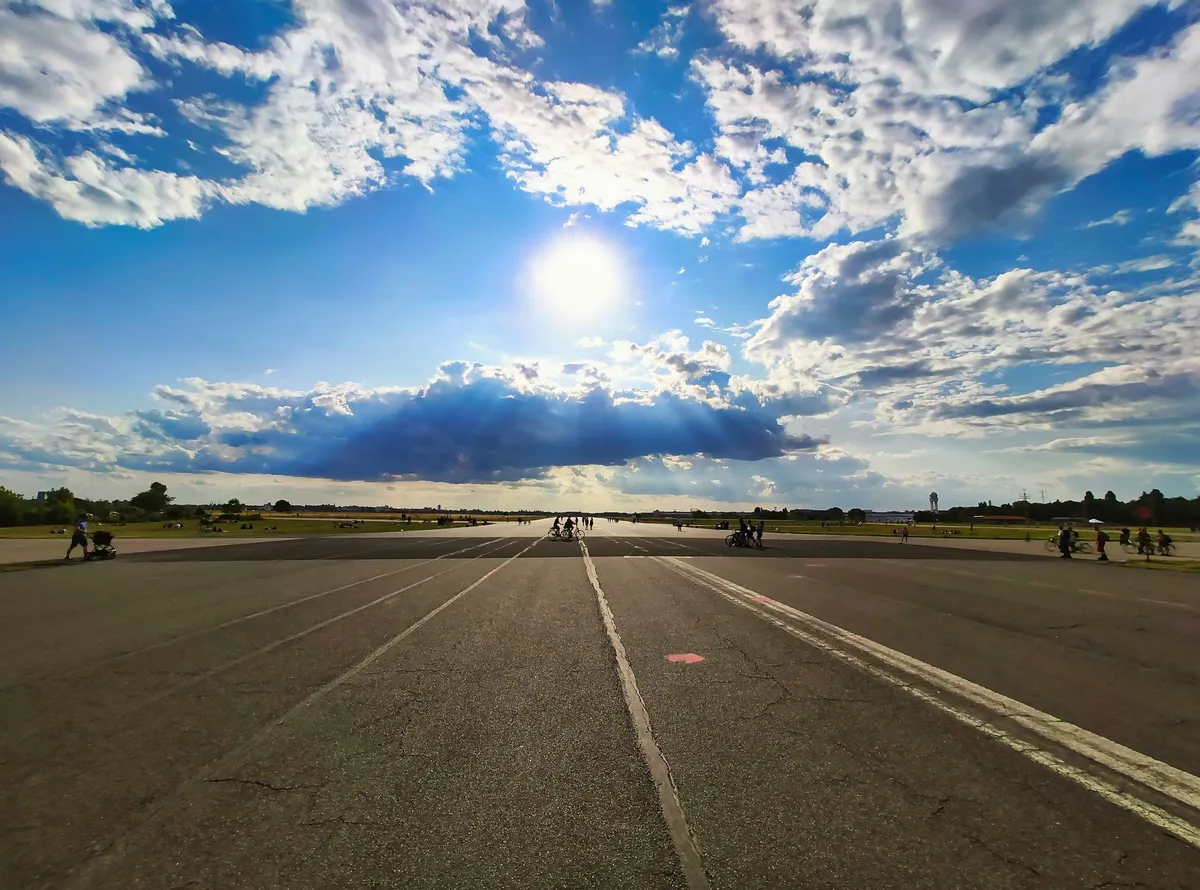
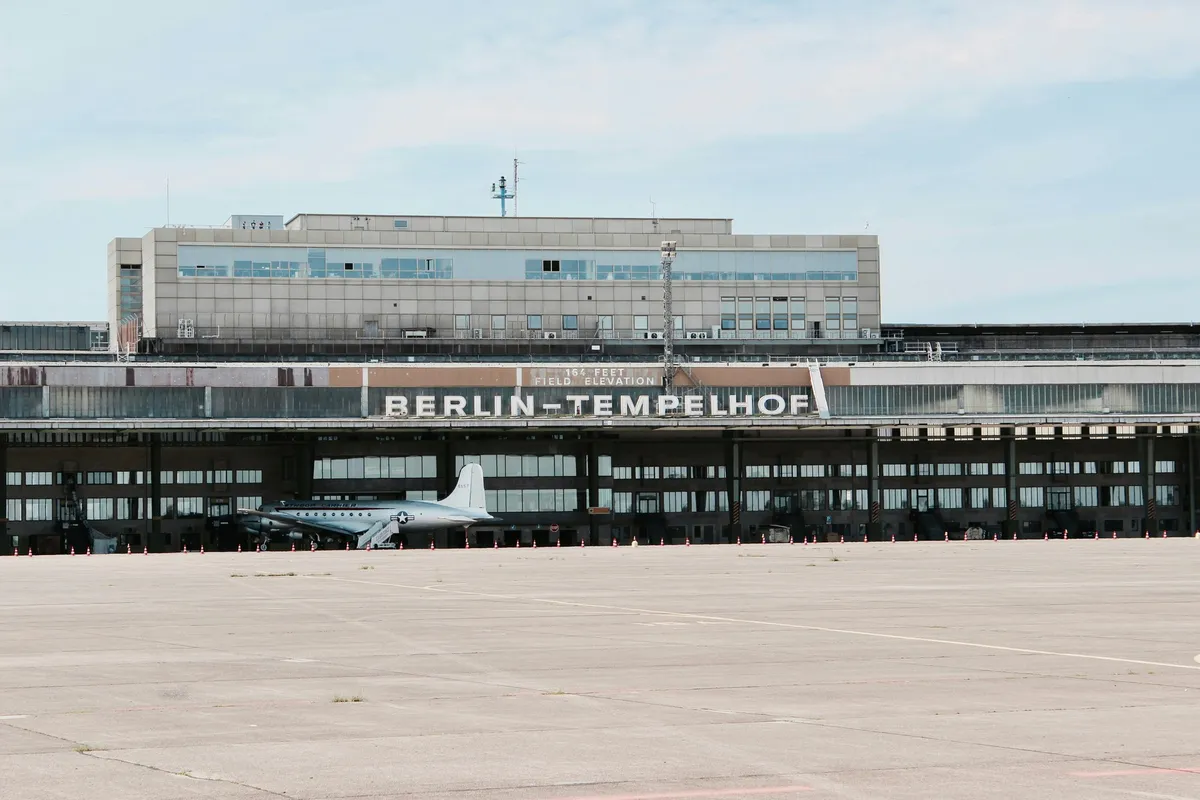
Tempelhof in Berlin is not just an airport; it's a symbol of the 20th century. Its main building, designed by architect Ernst Sagebiel in the 1930s, was once considered one of the largest structures on the planet. The enormous 1.2-kilometer-long terminal arc still impresses with its grandeur.
Today, the roar of Lufthansa engines is no longer heard here. In 2008, the airport was closed, and the city decided to transform the runways into a huge public park – Tempelhofer Feld. Now, where heavy transport planes once landed during the “airlift,” city residents fly kites, ride longboards, and have picnics. However, the terminal building itself remains untouched: inside, check-in halls, baggage carousels, and even office spaces are preserved, creating the feeling that employees simply went out for lunch and never returned.
Nicosia Airport (Cyprus)
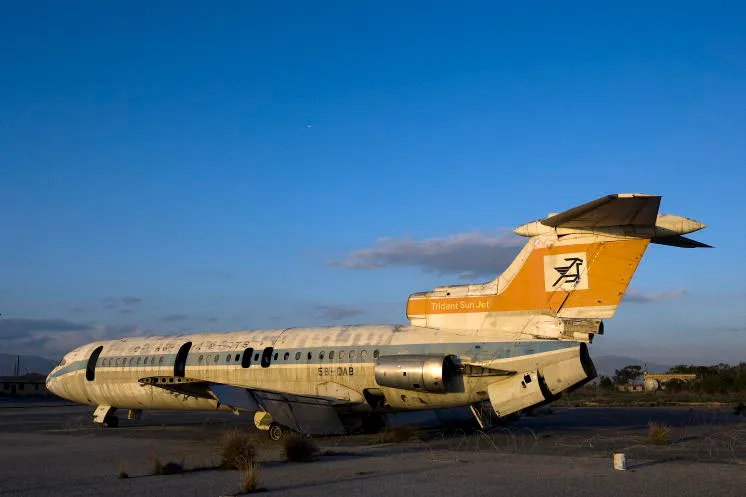
This place is a true “time capsule,” access to which is extremely difficult for the average tourist, only fueling interest. Nicosia Airport was the island's main aviation hub until 1974. After well-known political events, it found itself directly on the “Green Line” – in a buffer zone guarded by UN troops.
Inside the terminal, time froze in the mid-seventies. Faded posters from that era can still be seen on billboards, chairs covered in a thick layer of dust stand in the waiting areas, and the skeletons of Cyprus Airways' Hawker Siddeley Trident aircraft slowly decay on the runway. This is one of the most melancholic places on earth, where nature and rust are gradually reclaiming space from a once modern and technologically advanced facility.
Don Quixote (Spain)
Ciudad Real Airport, romantically named “Don Quixote,” was meant to be a triumph of private investment. Over 1 billion euros were invested in its construction. It was planned to become an alternative to Madrid's Barajas, accommodating low-cost carriers and cargo flights. One of the longest runways in Europe (4 km), capable of receiving even an Airbus A380, was built here.
The airport opened in 2008, right before the global financial crisis, and operated for only three years. Today, it is a gigantic modern terminal, absolutely empty and silent. Glass facades reflect the endless Spanish fields, and on the perfectly smooth asphalt of the runway, racing cars are sometimes tested or episodes of automotive shows are filmed. This place is a vivid lesson in how grand plans can shatter against harsh economic reality.
Athens-Ellinikon (Greece)
For 60 years, Ellinikon was Greece's main aerial gateway. It welcomed millions of tourists and underwent a massive reconstruction for the 2004 Olympic Games. However, just a few years later, the airport was closed, replaced by the new hub “Eleftherios Venizelos.”
For a long time, the area lay derelict. Old Olympic Airways Boeing 747s stood for years under the scorching Greek sun, and the wind swept through the terminal halls, designed by the famous Eero Saarinen. Now, one of Europe's largest renovation projects is underway here: the area is being transformed into a coastal park and an elite residential complex, but the skeleton of the old terminal still preserves the spirit of aviation's golden age.
Why is it worth seeing?
Visiting such places is always a dialogue with history. In abandoned airports, there is no usual hustle, inspections, or queues. Only pure architecture remains, and reflections on how quickly our world changes.
When planning your future routes, don't be afraid to stray from the beaten path. Explore the world in all its diversity – from ultra-modern megacities to forgotten runways where great journeys once began.