What to see in Berlin
 Yasya
YasyaBerlin does not tolerate fuss and superficiality. In this city, through modern gloss and graffiti, the scars of a great history emerge. To truly feel it, you need to be ready to walk a lot, see a lot, and learn a lot. We have compiled a convenient guide to help you plan your trip and create a comfortable itinerary. Grab your tickets to Berlin with convenient connections and let's go!
How to get to Berlin
As of February 2026, there are no direct flights to Germany from Russia, but logistics have long been established. The most popular route is a flight with one layover. Turkish Airlines (via Istanbul or Antalya) are your main helpers. The total travel time will be at least 8 hours. If you are an easy-going traveler, consider flying to Gdansk or Warsaw, and from there, take a high-speed EuroCity train, which will get you to the center of Berlin in another 6 hours. Don't forget that a visa and a biometric passport are required for entry into the Schengen area.
When is the best time to visit Berlin
Berlin's weather can sometimes be surprisingly unpredictable, which is why layering is in fashion here all year round.
Spring (March – May): a time of change. March can still be damp and windy (around +7°C), but by April, the city transforms. Cherry blossoms (sakura), gifted to Berlin by Japan in honor of the country's reunification, bloom on the streets. May brings the most comfortable weather for walks (+18-20°C), when parks turn vibrant green and outdoor cafes open their terraces.
Summer (June – August): festival and picnic season. Temperatures can rise to +30°C, but due to humidity, the heat is easily tolerated. Perfect for boating on the Spree.
Autumn (September – November): September often turns into an “Indian summer,” and October delights with golden foliage in Tiergarten. November is the gloomiest and rainiest month, ideal for visiting art galleries.
Winter (December – February): December is filled with the magic of Christmas markets. January and February are months of winds and sales, when there are fewest tourists and museums are free of queues.
Berlin Attractions
Reichstag (Bundestag)
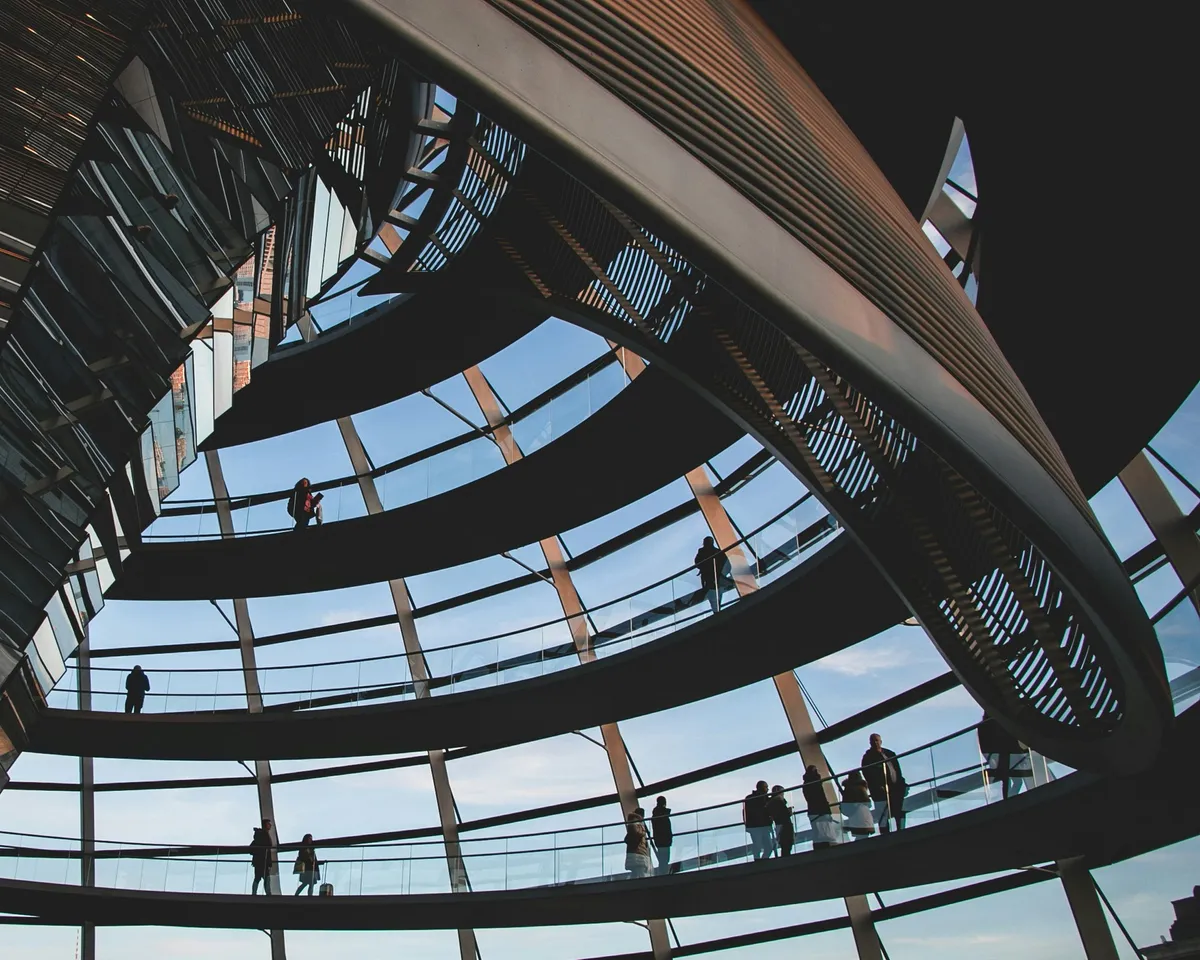
This building of the German parliament is a masterpiece of architectural symbiosis, where historical sandstone walls are combined with an ultra-modern glass dome. Inside, two spiral paths are laid out: one takes you up to the observation deck, and the other takes you down, with minimal crossing paths with other tourists. In the center is a mirrored funnel, which not only looks futuristic but also directs natural light into the plenary hall directly below you. Admission is free, but requires mandatory registration on the Bundestag website at least two weeks in advance. However, the view of the government quarter and Tiergarten is well worth it.
Brandenburg Gate
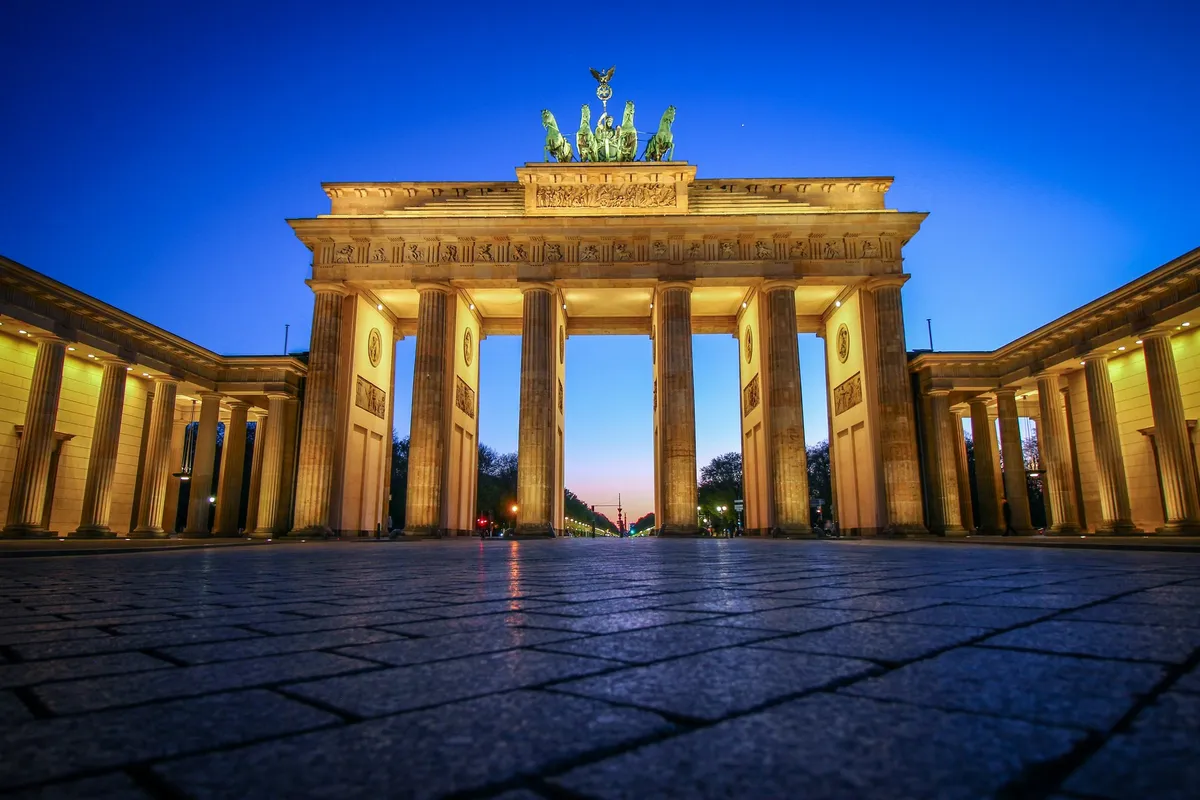
The only surviving gate out of the original eighteen, it is rightfully considered the main symbol not only of Berlin but of all Germany. During the Cold War, the gate was in the “dead zone” of the Wall, becoming a symbol of division, and in 1989, it solemnly “opened,” marking the reunification of the country. Pay attention to the Quadriga – an ancient chariot driven by the goddess of Victory. Napoleon was so impressed by this monument that he ordered it to be dismantled and taken to Paris, but years later, the Germans returned their pride to its rightful place.
Museum Island
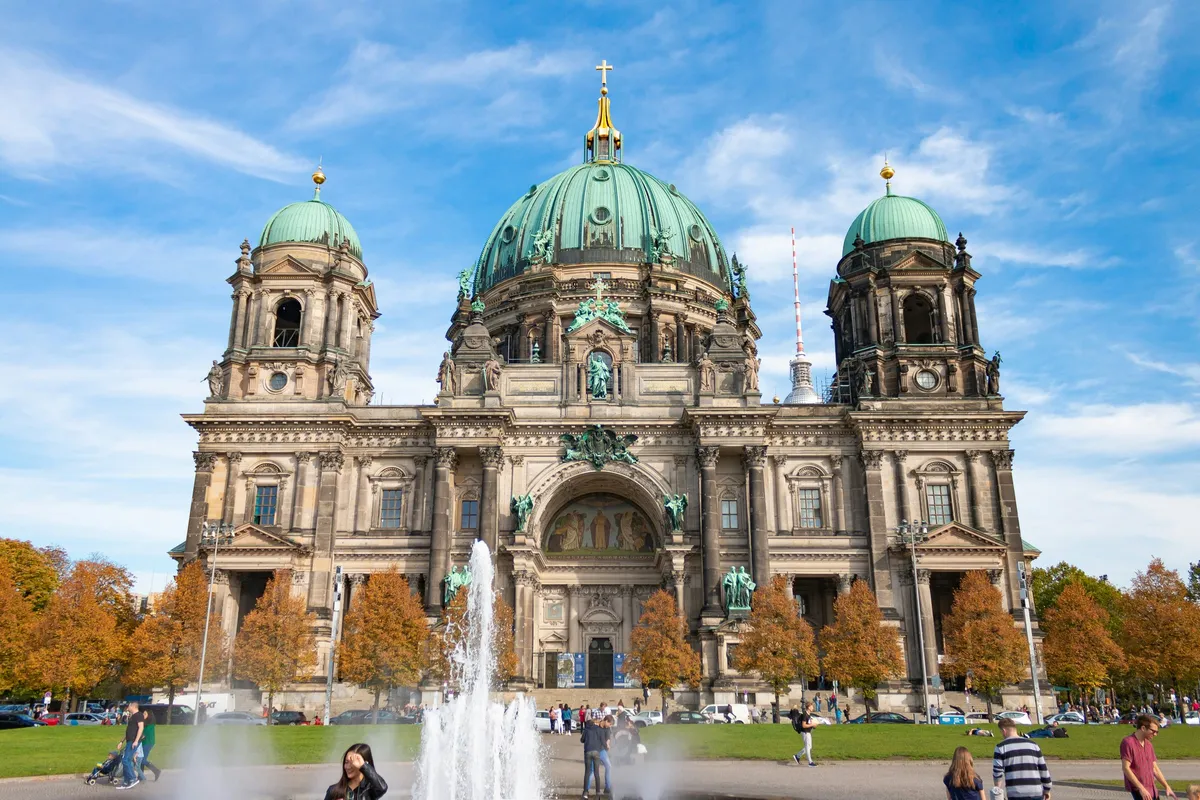
This is a unique ensemble of five museums, located on an island in the middle of the Spree and included in the UNESCO World Heritage list. Here are concentrated treasures of humanity from the last 6,000 years: from the famous bust of Nefertiti in the Neues Museum to the monumental Ishtar Gate from Babylon in the Pergamon Museum. The architecture of the buildings themselves deserves special attention: in essence, it is an “open-air temple of arts” where you can spend an entire day, moving from antiquity to the Renaissance. Be sure to walk along the colonnades and see the magnificent Berlin Cathedral, standing next door.
East Side Gallery
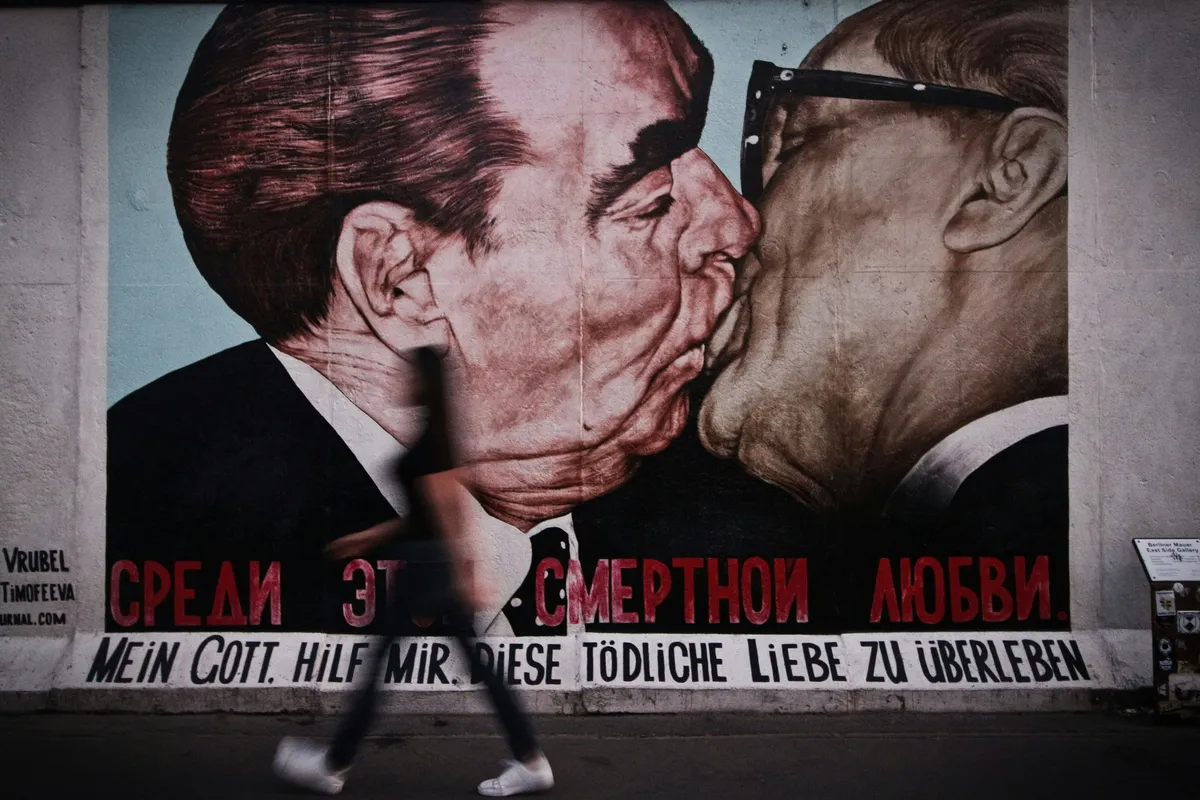
The longest (1.3 km) preserved section of the Berlin Wall, transformed into the world's largest open-air gallery. In 1990, artists from 21 countries painted the gray concrete barrier with artworks reflecting the joy of the Wall's fall and hope for a peaceful future. The most photographed graffiti here is Dmitry Vrubel's “Fraternal Kiss,” depicting the kiss between Brezhnev and Honecker. A walk along the gallery from Ostbahnhof station to Oberbaumbrücke bridge is an excellent way to feel the spirit of freedom that permeated the city after the collapse of the “Iron Curtain.”
Tiergarten
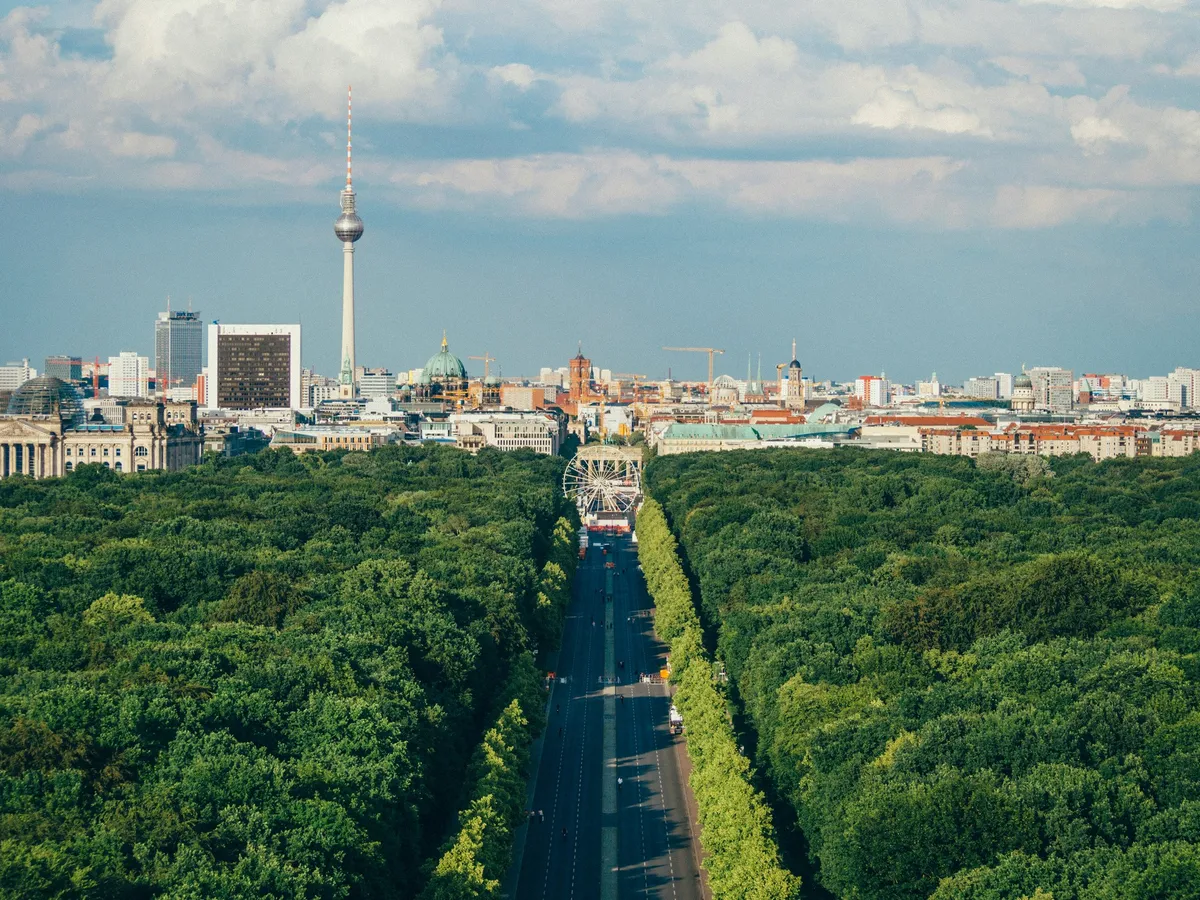
Berlin's answer to New York's Central Park, but with a purely German scale and a healthy dose of nonchalance. Electors used to hunt here (hence the name “animal park”), and now people only hunt for a free spot for a grill. This is a huge green area right in the center, where you can suddenly find yourself in the middle of a dense forest, even though cars are bustling five minutes away at Potsdamer Platz. Here, it's customary to get lost on winding paths, feed cheeky squirrels, and lazily make your way to the Victory Column. In Tiergarten, no one is in a hurry: serious runners, students with beer on the grass, and tourists trying to figure out how this forest even fits here all look equally organic. You might also stumble upon nudists (yes, that's normal in Berlin) or hidden ponds with water lilies, where it's ideal to watch the sunset after a long day in museums.
TV Tower
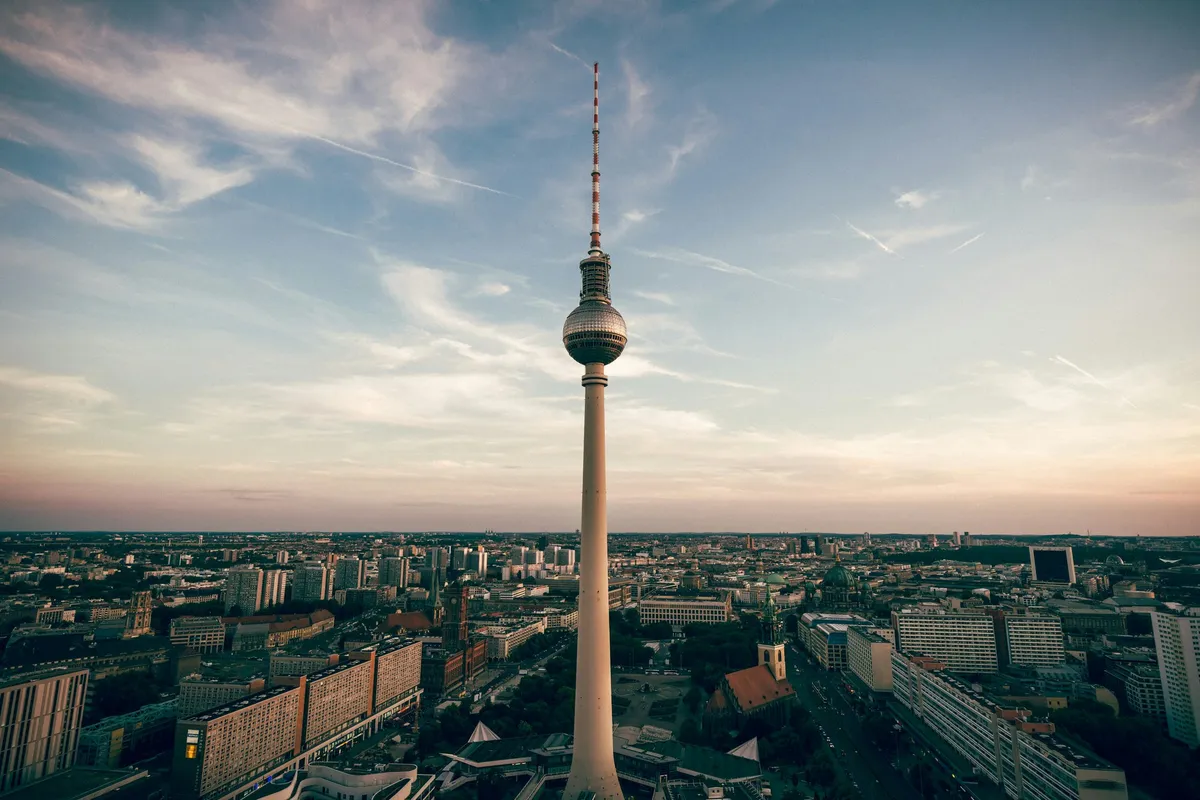
The tallest structure in Germany (368 meters), built by the GDR government as a symbol of socialist power. Today, its steel sphere, towering over Alexanderplatz, is visible from almost anywhere in the city and is its main landmark. At a height of 203 meters, there is an observation deck from which, on a clear day, visibility reaches 40 kilometers, and slightly above it is the revolving restaurant Sphere, which completes a full rotation around its axis in half an hour. It's best to book tickets on Kupi.com in advance for the evening to see Berlin light up and transform into an ocean of light.
Kreuzberg
This is the place where Berlin finally stops pretending to be a respectable city and shows its true character. The district has long become a legend: once it was squeezed by the wall on three sides and became a refuge for punk rockers, squatters, and Turkish immigrants, and today the city's best specialty coffee is brewed here right next to gritty rock bars. The main attraction is Oranienstrasse, where the concentration of quirky shops and drinking establishments is off the charts.
What to see in Berlin in one day
If you only have 24 hours, your itinerary should be as efficient as possible. Start your morning at Alexanderplatz to get up the TV Tower without queues. Then walk past the Cathedral to Museum Island (visit at least one museum). Next, stroll along the main street Unter den Linden to the Brandenburg Gate. After lunch, be sure to visit the Reichstag. Spend the evening at the East Side Gallery, and end the day with dinner in the Kreuzberg district, where you can experience the real, informal Berlin with its pubs and street food.
What to see around Berlin
Potsdam: Prussian Versailles, a 30-minute train ride away. Here you'll find the magnificent Sanssouci Park and Palace with its vineyard terraces, as well as Cecilienhof Palace, where the Potsdam Conference took place in 1945. Be sure to visit Alexandrowka – a Russian village with 19th-century log houses.
Spreewald: “German Venice,” an hour's drive away. This is a huge biosphere reserve where instead of roads, there are hundreds of canals. You can rent a canoe or take a ride on a traditional punt, and afterwards, try the famous Spreewald pickled cucumbers.
Sachsenhausen: a memorial complex on the site of the former concentration camp in Oranienburg. This is a difficult but necessary place to visit, preserving the memory of tragic pages in European history.
Transport in Berlin
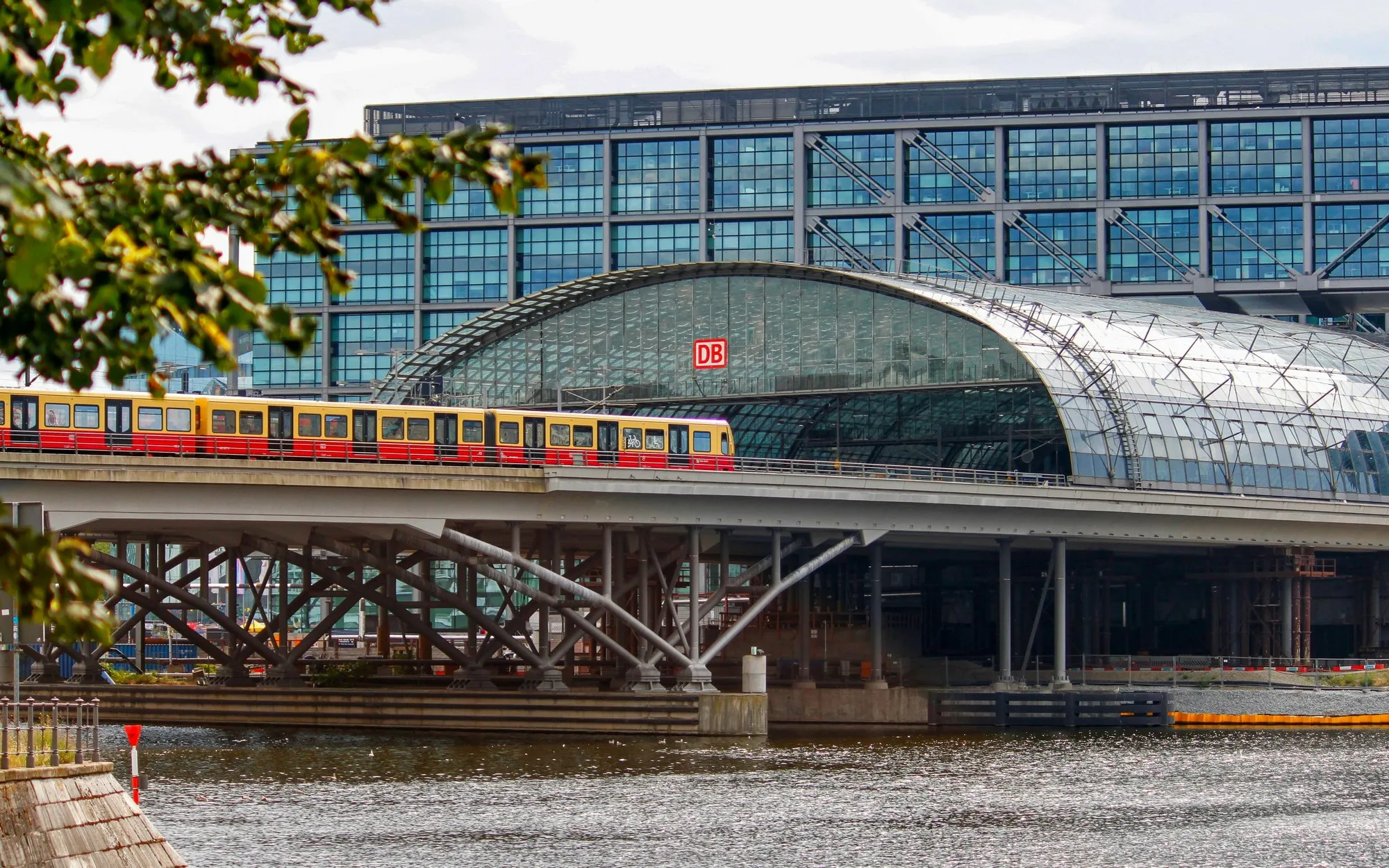
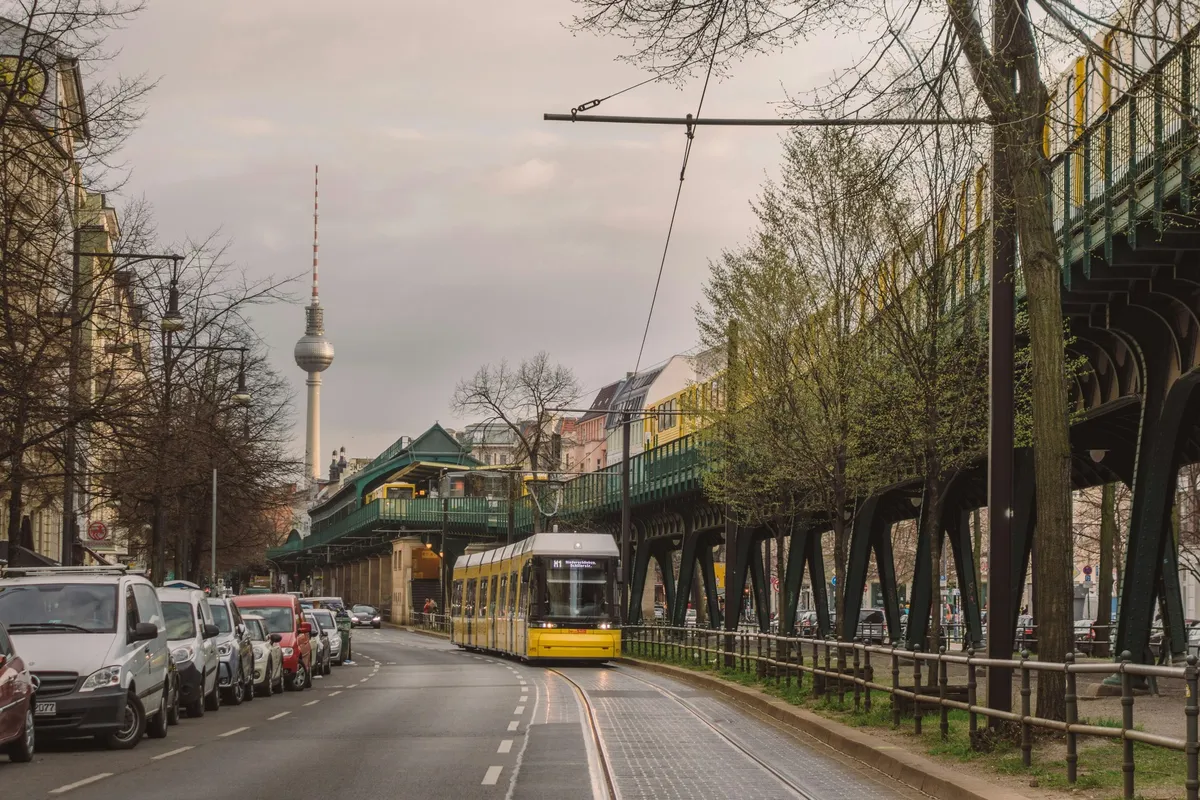
Berlin's transport system (BVG) is considered one of the best in the world. The city is divided into three fare zones: A (within the Ringbahn), B (city outskirts), and C (suburbs, including Potsdam and BER airport).
Single ticket (Einzelfahrschein): allows one-way travel for 2 hours on any mode of transport (approx. 3.50 € for zone AB).
Day ticket (24-Stunden-Karte): the most cost-effective option if you plan more than three trips (approx. 9.90 €).
Validation: a purchased ticket must be validated (stamped) in the small red or yellow boxes on the platform. The fine for “forgetfulness” is 60 €.
Where to eat in Berlin
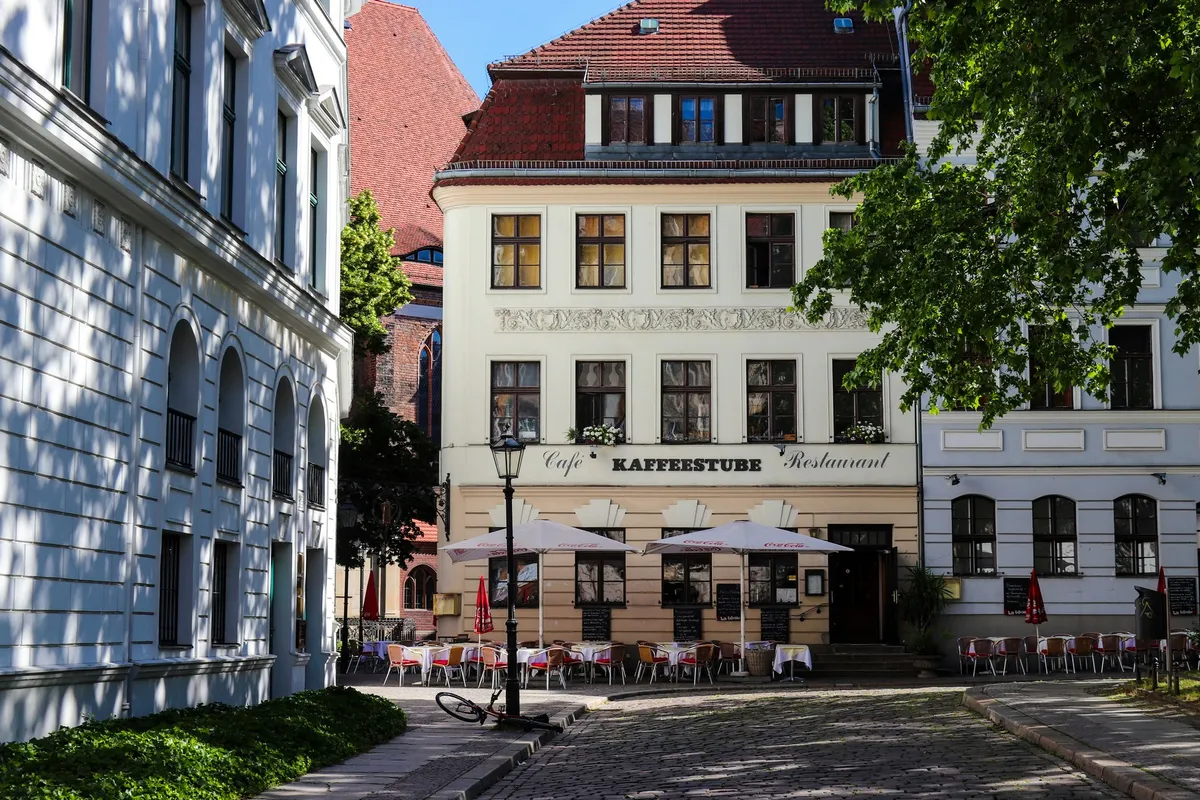
Berlin is an important spot on the world street food map. Be sure to try currywurst (sausage with curry sauce) at the legendary Curry 36. For the best kebab in the world, head to Mustafa's Gemüse Kebap – the queue is long, but the taste is worth it. If you want classic German pork knuckle and beer in huge mugs, go to Hofbräu Wirtshaus or the city's oldest restaurant, Zur letzten Instanz. And for market lovers, Markthalle Neun in Kreuzberg is ideal, where street food evenings are held on Thursdays.
What to bring from Berlin
Ampelmännchen: the cute little man in a hat from East Berlin's traffic lights. In official stores, you can buy everything from pasta in his shape to nightlights.
Buddy Bear: a painted bear figurine – a symbol of the city. You can find tiny souvenirs as well as designer statues.
Piece of the Wall: sold in souvenir shops as concrete fragments on postcards or in clear boxes.
Cosmetics and sweets: German brands from DM or Rossmann stores and, of course, chocolate from the flagship Ritter Sport store, where you can create your own bar with any ingredients.
Berlin is a city you fall in love with not for its beauty, but for its character. We hope your visit will be unforgettable!