Support

White Cliffs of Dover

About

The White Cliffs of Dover are one of the most famous and impressive natural wonders of the United Kingdom. These majestic cliffs, a true creation of nature, frame the coast of the Strait of Dover (English Channel) and are located in southeast England, near the town of Dover in the county of Kent. Their dazzling whiteness and imposing size make them a truly unforgettable sight and a symbol of the English coast.
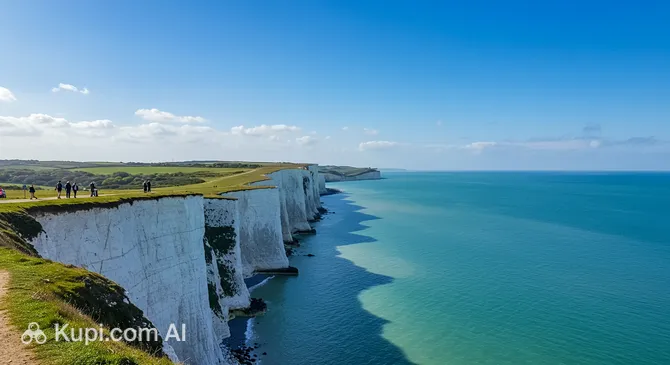
White Cliffs of Dover. Illustration.
Source: Kupi.com AI

Traveller photos:

The cliffs owe their characteristic bright white color and name to their high chalk content, which contrasts strikingly with veins of dark flint. Stretching along the coast for about 13 kilometers, these natural giants reach heights of up to 110 meters above sea level, creating a dramatic and breathtaking landscape.

The White Cliffs of Dover are not just a geological formation but a true symbol of England, deeply rooted in the country's culture and history. They are frequently mentioned in literature, music, and film, embodying the resilience and beauty of the British shores. Due to their unique appearance, the cliffs are clearly visible even from the French coast and have served as an important landmark for sailors returning home or approaching England for centuries, becoming a kind of calling card for the area.

Contacts

To get the most up-to-date information on visiting the White Cliffs of Dover, including opening hours, ticket prices, and potential schedule changes, it is recommended to use official channels. Below are the available contact details to help you plan your visit.

How to contactContact
AddressUpper Rd, Guston, Dover CT16 1HJ, UK
Phone+44 1304 202756
Websitewww.nationaltrust.org.uk

What to Do

The White Cliffs of Dover, a majestic natural monument and one of the most recognizable landmarks of Dover, offer visitors an unforgettable experience. The main activity here is, of course, the scenic walks along the specially maintained trails that wind along the very edge of the precipice. They offer breathtaking panoramic views of the English Channel, and on a clear day, you can even see the coast of France. It is an ideal spot for an outdoor picnic, birdwatching, and taking stunning photos against the backdrop of the dazzling white cliffs.

In addition to enjoying the natural beauty, guests of the White Cliffs of Dover can expand their itinerary. Nearby, atop the cliff, stands the famous Dover Castle, which is also well worth a visit. To learn more about the geology, unique flora and fauna of the area, as well as its rich history within the context of the United Kingdom, stop by the National Trust visitor center. For the convenience of tourists, there are also cafes, souvenir shops, and comfortable rest areas on-site where you can catch your breath and share your impressions.

Getting There

There are several ways to reach the famous White Cliffs of Dover, the most popular being a train ride from London. Trains depart regularly from London St Pancras International and arrive at Dover Priory station. The journey takes approximately 1 hour and 10 minutes, making this a quick and convenient option. From Dover railway station, you can reach the start of the hiking trails leading to the cliffs in about 30 minutes on foot, or you can take a local taxi.

For those who prefer traveling by car, the White Cliffs of Dover are also easy to reach. From London, follow the A2 or M20. Traveling by car offers more flexibility and allows you to enjoy the views along the way. There are dedicated visitor parking lots near the entrance to the cliffs, which is very convenient.

Additionally, the White Cliffs can be reached by public transport from Dover city center. Local buses run to a stop located in the immediate vicinity of the visitor center at the cliffs. This is a good option for those already in town who wish to visit this natural landmark of the United Kingdom without using a private car or taxi.

Nearest city: Dover

History & Facts

The White Cliffs of Dover are a majestic natural formation with roots going back to the Late Cretaceous period, about 70 million years ago. Their formation resulted from the slow accumulation of countless microscopic marine organisms on the seabed, whose skeletons and shells were eventually compressed into thick layers of pure white chalk. Over time, the relentless work of the sea and wind carved these chalk deposits into the impressive sheer cliffs we see today, making them one of the most recognizable symbols of the United Kingdom.

Over the centuries, the White Cliffs of Dover have played a crucial strategic role. For sailors and travelers crossing the English Channel, their dazzling whiteness served as a long-awaited sign of approaching England's shores. It is no surprise that the famous Dover Castle, often called the "Key to England," stands atop these cliffs. This mighty fortress has guarded British borders for many centuries, protecting the country from external threats and serving as a silent witness to many historical events.

In addition to their geological and strategic importance, the White Cliffs of Dover hold deep cultural meaning. Their unique beauty and symbolic significance have repeatedly inspired artists, poets, and writers. They appear in numerous paintings, poems, and songs, becoming an integral part of British cultural heritage. For many, these cliffs represent more than just a geographic feature; they are a symbol of home, resilience, and hope, especially during the country's difficult times.

Time Needed

To fully enjoy the splendor of the White Cliffs of Dover, you should plan to spend 2 to 4 hours there. This is usually enough time to stroll leisurely along the main trails, enjoy the breathtaking views of the English Channel, and take unforgettable photos. This timeframe can also include a visit to the visitor information center, where you can learn more about the history and geology of this unique natural site.

The length of your visit may vary depending on your interests and physical fitness. If you want to explore longer routes or, for example, combine your cliff walk with a visit to the nearby Dover Castle, you will need more time. Photography enthusiasts could easily spend half a day here, searching for the best angles in the changing light. In any case, the White Cliffs of Dover is a place that deserves enough of your time to enjoy its beauty without rushing.

Working Hours

The White Cliffs of Dover are a natural attraction that is generally open to visitors year-round. The official trails and the visitor center usually operate daily from 9:00 AM to 5:00 PM. However, please note that opening hours may vary depending on the season, weather conditions, and special events.

It is highly recommended to check the current schedule and the potential need for advance ticket booking or tour registration on the official National Trust website, which manages the area, or at local tourist information centers before planning your visit. This will help you avoid surprises and plan your trip in the best possible way.

7:00 – 19:00

Nearby

Visiting one attraction is wonderful, but exploring what lies nearby can turn your trip into a true adventure. Often, the most vivid impressions and unexpected discoveries await you just outside the main tourist route, allowing you to see more than what a standard guidebook offers.

By taking the time to explore the surroundings of the White Cliffs of Dover, you can dive deeper into the atmosphere of Dover, discover its other interesting sites, and get a more complete picture of the culture and history of this corner of the United Kingdom. This is a great opportunity to broaden your horizons and make your trip even more fulfilling and memorable.

NameDistance
Dover Castle1 km
Secret Wartime Tunnels1.2 km
The White Horse1.5 km
St James Retail and Leisure Park1.7 km
Chef De Mumbai1.8 km
Aspendos1.8 km
Connaught Park1.8 km

Reached the bottom of the page?

Looks like you know this route inside out