Navigating Warsaw is remarkably easy and efficient, thanks to a well-integrated public transport system managed by ZTM. The network is comprehensive, connecting the city center with outer districts through a combination of the metro, trams, buses, and SKM (urban rapid rail). The metro is the fastest way to travel, consisting of two lines: M1, which runs north to south, and M2, which connects the east and west banks of the Vistula River. Trams are another popular choice; the distinct yellow carriages are a common sight and offer a scenic way to view the city streets while moving between major attractions.
The ticketing system is unified, meaning a single ticket is valid across all modes of transport, including the metro, trams, and buses. Warsaw is divided into two tariff zones: Zone 1 (city limits) and Zone 2 (suburbs). For most tourists, including those traveling to and from the main airport, a Zone 1 ticket is sufficient. Tickets are time-based, with options typically including 20-minute, 75-minute, and 90-minute transfers, as well as 24-hour and weekend passes. Prices are very affordable compared to other European capitals, with a standard 75-minute ticket costing approximately 4.40 PLN (around €1).
Purchasing tickets is straightforward. You can buy them at multilingual ticket machines located at metro stations, near major stops, and often on board vehicles (though onboard machines may only accept cards). For added convenience, many visitors prefer using mobile apps like Jakdojade, SkyCash, or moBiLET, which allow you to plan your route and buy tickets directly on your phone. If you use a paper ticket, you must validate it immediately upon boarding the bus or tram, or at the gate when entering the metro. Failure to do so can result in a hefty fine during routine inspections.
Public transport generally operates from around 5:00 AM until shortly after 11:00 PM. However, the city never truly sleeps thanks to an extensive network of night buses (marked with the letter 'N'), which run every 30 or 60 minutes depending on the route. These buses converge at the central station, making it easy to transfer and get home safely after a night out. On weekends, the metro lines often extend their operating hours until late into the night, providing a quick way to return from evening events.
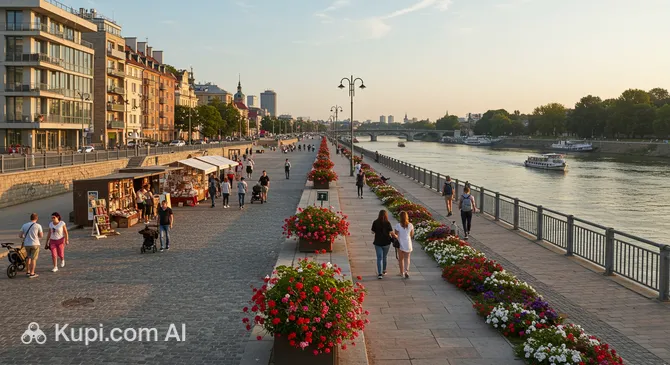
For those who prefer alternative ways to get around, the city offers a popular public bike-sharing system called Veturilo. With stations scattered every few hundred meters, renting a bike via the mobile app is a fantastic way to explore the flat terrain and extensive cycle paths, especially along the river boulevards. Additionally, ride-hailing apps like Uber, Bolt, and FreeNow are widely available, offering a safe and competitively priced alternative to traditional taxis.
A unique feature for summer visitors is the operation of historic tourist lines. During the holiday season, the transport authority launches special lines served by vintage trams and buses from the mid-20th century. Riding these restored vehicles is not just a mode of transport but a journey back in time, allowing you to experience the city's atmosphere as it was decades ago while traveling between key landmarks.