Support

Old Stavanger

About

Old Stavanger (Gamle Stavanger) is not just a landmark, but a true journey back in time to the heart of the coastal city of Stavanger in Norway. This picturesque historic district, located by the harbor, is a labyrinth of narrow, cobbled streets lined with charming white houses.
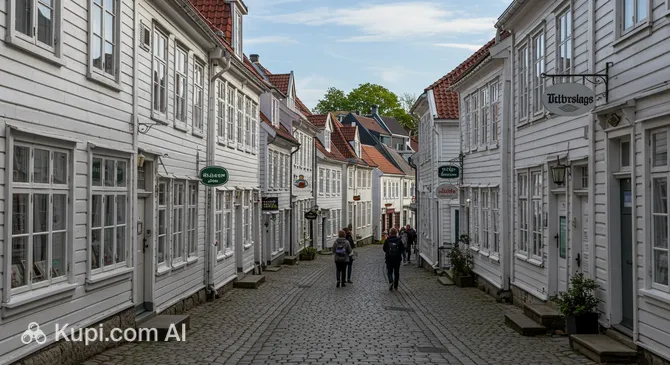
Old Stavanger. Illustration.
Source: Kupi.com AI

Traveller photos:

The architectural ensemble of Old Stavanger is unique—it features more than 170 beautifully preserved wooden houses, mostly built in the 18th and 19th centuries. Neat facades decorated with flower pots, cozy gardens, and an atmosphere of tranquility make this place one of the most photogenic in the country. A walk here allows you to feel the spirit of old Scandinavian life when the city was a center for fishing and seafaring.

What makes Old Stavanger truly special is its status as Europe's largest surviving settlement of wooden buildings. At the same time, the area is not an open-air museum—it is a fully functioning residential neighborhood. Local residents carefully preserve the historical appearance of their homes, maintaining an authentic and incredibly cozy atmosphere that charms travelers from all over the world.

Contacts

Old Stavanger is a historic residential area, not a single establishment, so it doesn't have a single contact phone number or email address. This charming neighborhood is located in the very heart of Stavanger, near the port, and is easily accessible on foot from anywhere in the city center. For information regarding tours or cultural events in the area, it is best to contact the local tourist information center.

How to contactContact
AddressØvre Strandgate, 4005 Stavanger, Norway
Websitewww.visitnorway.no

What to Do

The main thing to do in Old Stavanger is to take a leisurely stroll through its charming cobbled streets. This historic district, consisting of beautifully preserved white wooden houses, is bathed in flowers and greenery. Every building here is a real postcard, so don't forget your camera. While walking, you can stop by numerous craft workshops, art galleries, and souvenir shops located right inside the historic houses, creating a unique atmosphere.

One of the district's key attractions is the Norwegian Canning Museum. It is located in a former cannery and tells the story of this industry's important role in the history of Stavanger. Here you can learn how the city became a center for the fish industry. Additionally, Old Stavanger is a living cultural center. In its alleys, art exhibitions, small festivals, and other events are often held, allowing for a deeper immersion into the atmosphere of authentic Norway.

After your walk, you can relax in one of the cozy cafes or restaurants serving local cuisine. This is a great opportunity to try something new and enjoy the hospitality of the locals. In the evening, when the lanterns are lit, the streets of Old Stavanger become particularly quiet and romantic, offering a perfect conclusion to a day spent in this historical corner.

Getting There

Old Stavanger, also known as Gamle Stavanger, is conveniently located in the central part of the city, making it one of the most accessible attractions. It is in close proximity to the main harbor, so finding it won't be difficult, especially if you start your walk from the center of Stavanger. Thanks to this location, the best way to explore this charming area is a leisurely stroll along its cobbled streets.

If you arrive in Stavanger by train or bus, you can reach the historic quarter in just 10–15 minutes on foot from the central train or bus station. For cruise ship travelers, the journey is even shorter—Old Stavanger is literally just a few steps from the pier. Guests staying in city center hotels will also be able to reach this picturesque spot within 10–20 minutes.

For those who prefer public transport or are coming from more distant parts of the city, Old Stavanger is easily accessible by one of the city buses. Stops are within walking distance of the snow-white houses. Additionally, you can always use a taxi, which will quickly take you to the entrance of this open-air history museum directly from any part of the city.

Nearest city: Stavanger

History & Facts

Old Stavanger (Gamle Stavanger) is more than just a neighborhood; it's a living open-air museum that transports visitors back in time. Its history began in the 18th century when Stavanger was a thriving center for shipping and trade. During those times, cozy wooden houses were built here for sailors, craftsmen, and merchants whose lives were inextricably linked to the sea. Walking through its narrow cobbled streets today, you can easily imagine the bustling life of this port district several centuries ago.

Surprisingly, this charming area could have vanished forever. In the mid-20th century, during an era of modernization and urban redevelopment, Old Stavanger was threatened with demolition. However, thanks to the active stance of local residents and the foresight of city authorities who recognized its unique historical value, the quarter was saved. This decision preserved one of Europe's most cohesive and picturesque ensembles of wooden architecture for future generations.

Today, Old Stavanger is a protected cultural monument and one of the city's main symbols. It consists of more than 170 white wooden houses, decorated with flowers during the warmer months. This historic oasis creates a striking contrast with the modern part of Stavanger, which is known as the oil capital of Norway. Having passed through the centuries—from the herring era to the oil boom—the city has managed to preserve this corner of antiquity, offering travelers a unique glimpse into its soul.

Time Needed

It is usually sufficient to set aside 1 to 2 hours to see Old Stavanger (Gamle Stavanger). This time is enough to take a leisurely stroll through its charming cobbled streets, enjoy the view of the snow-white wooden houses decorated with flowers, and take plenty of atmospheric photos. The historic district itself is quite compact, and its main charm lies precisely in the walk and immersion in the atmosphere of the past.

If you plan for a more detailed acquaintance with this unique place, it's worth allowing about 3 hours or even more. This will let you not only wander the streets but also visit local museums, such as the Norwegian Canning Museum or the Maritime Museum, which are located within the same quarter. Additionally, you'll have time to stop by one of the cozy cafes for a cup of coffee and a rest, fully feeling the spirit of old Stavanger.

Working Hours

Since Old Stavanger is a historic residential quarter and not a separate open-air museum, its picturesque streets are open for walks 24/7, all year round. You can freely enjoy the atmosphere of this unique place at any time convenient for you, without worrying about tickets or opening hours for entering the district itself.

However, it's worth noting that the museums, galleries, and craft workshops located within its charming white houses have their own schedules. Typically, they are open to visitors from 10:00 AM to 4:00 PM. To avoid disappointment, it is highly recommended to check the exact opening hours and the need for prior booking on the official websites of specific establishments or at the Stavanger tourist center before your visit.

Open 24/7

Nearby

Visiting such an iconic landmark as Old Stavanger is certainly a highlight of any trip to Norway. However, to truly feel the city's atmosphere, it's worth exploring the surrounding areas as well. Often, the most interesting discoveries and authentic experiences wait just around the corner, allowing you to see Stavanger from a new and unexpected perspective.

A walk from the historic center will grant you access to unique museums, cozy bars, and colorful streets. Each of these places will add new strokes to your portrait of this charming Norwegian city. Many of them are within walking distance.

NameDistance
Norwegian Canning Museum0.1 km
Stavanger Maritime Museum0.2 km
Lucky Bowl & Lounge0.3 km
Cardinal Pub0.3 km
Bøker og Børst0.4 km
Døgnvill Burger0.4 km
Fargegaten (The Street of Colours)0.4 km

Reached the bottom of the page?

Looks like you know this route inside out