Support

Bryggen

About

Bryggen is not just a waterfront, but an entire historical port district in the city of Bergen, Norway, which is rightfully included in the UNESCO World Heritage list. The name "Bryggen" itself accurately reflects its essence, as it translates from Norwegian as "the pier" or "the wharf." This area is one of the most famous and picturesque parts of Bergen, literally breathing with history.
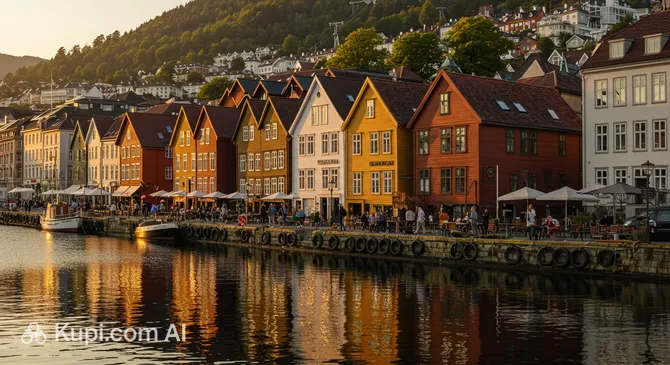
Bryggen. Illustration.
Source: Kupi.com AI

Traveller photos:

The unique architectural ensemble of Bryggen consists of closely packed wooden buildings that reflect the rich history of Hanseatic trade in Scandinavia. These colorful structures lined up along the old harbor are a prime example of medieval urban development. It is no wonder this quarter is also known as the "German Wharf" (Tyskebryggen), as it serves as a reminder of Bergen's importance in the Hanseatic League's trading empire.

Despite numerous fires that devastated the wooden structures over the centuries, Bryggen was restored with amazing precision to its original form each time. Thanks to this, today's visitors can see what Bergen was like in the Middle Ages and feel the atmosphere of the times when the city played a key role in the Hanseatic League, especially between the 14th and mid-16th centuries. A walk through its narrow passages and galleries is a real journey through time.

Contacts

Since Bryggen is a historical district, it is recommended to contact the official tourist information center to obtain the most complete and up-to-date information regarding visits, museum operating hours, and available tours in Bergen.

How to contactContact
Address5003 Bergen, Norway
Phone+47 55 55 20 80
Websitestiftelsenbryggen.no

What to Do

Immerse yourself in the unique atmosphere of a medieval merchant city as you stroll through the narrow streets of Bryggen. Here, you can see ancient wooden buildings that were once warehouses and offices for Hanseatic merchants. Today, these historical structures, preserved in their original form, hospitably open their doors as museums, cozy shops, restaurants, and art galleries. The architecture of this quarter is a true window into the past, allowing you to touch history.

Everyone will find something to their liking in Bryggen. Visit numerous museums with exhibits telling the fascinating history of Bergen and its significant role in the Hanseatic League. Don't miss the chance to buy unique souvenirs as a memento of your trip or taste traditional Norwegian cuisine in one of the local restaurants. The wharf itself is one of the most photographed sights in Norway, so leisurely walks here will bring true pleasure and allow you to take magnificent shots while feeling the spirit of medieval Scandinavia.

Getting There

Bryggen is very conveniently located in the heart of Bergen, close to the famous Fish Market and other key city attractions. If you arrive at the Bergen railway station, walking to Bryggen is a pleasure: the stroll takes about 15-20 minutes; simply follow the signs toward the city center and the waterfront. You can also use public transport—buses or the Bergen Light Rail run regularly through the center and have stops nearby.

For tourists arriving in Bergen by cruise ship, getting to Bryggen is particularly easy. The historical quarter is located in the immediate vicinity and within walking distance of the cruise terminal, allowing you to dive straight into the atmosphere of the old city.

If your trip to Norway involves arriving at Bergen Airport, you will first need to reach the city center. You can take the airport express bus or the light rail, which depart regularly from the airport. Once in the center, you can easily reach Bryggen on foot or by public transport by heading toward the wharf.

Nearest city: Bergen

History & Facts

The history of Bryggen is inextricably linked with the birth of Bergen itself. The city was founded in 1070 and, thanks to its strategic location on the coast of Norway, quickly became a bustling trade center. A landmark event for Bryggen was the establishment of one of the main offices (kontors) of the powerful Hanseatic League here in 1360. This event gave a massive boost to business activity in the harbor, turning it into the heart of international trade.

By the 13th century, Bergen had become a full member of the Hanseatic League—an influential association of merchant cities in Northern Europe. It was Bryggen that took center stage in this alliance, becoming a key transshipment point for the trade of dried fish, especially cod, which was in high demand across Europe. German merchants who settled in the area built the characteristic wooden warehouses and offices used for storing goods and conducting business. These buildings still define the unique appearance of the waterfront today.

For over two centuries, from the 14th to the mid-16th century, Bryggen played a dominant role in the Hanseatic League's trading empire. Remarkably, despite numerous devastating fires that repeatedly turned the wooden structures to ash, the quarter was restored each time with incredible precision to its original form. This resilience and loyalty to tradition have preserved the historical layout and unique architectural style of Bryggen, making it a priceless monument to the medieval merchant culture of Northern Europe and a UNESCO World Heritage site.

Time Needed

When planning a visit to Bryggen, you should expect that a full tour will take from 2 to 4 hours. This time is usually enough to take a leisurely stroll through the picturesque historical quarter, soak in its unique atmosphere, look into the main museums located on its territory, and, of course, take many memorable photos against the backdrop of the famous wooden houses.

If you wish to dive deeper into the history of this amazing place, study the museum exhibits in detail, visit one of the cozy restaurants or cafes to taste local delicacies, or simply enjoy the moment by wandering through the souvenir shops, you should allow for extra time. In that case, you can easily set aside half a day to explore Bergen and its famous wharf to ensure your impressions are as full and vivid as possible.

Working Hours

As an open public space, the historical Bryggen quarter itself is accessible for walks at any time of day and year-round. You can enjoy its atmosphere and architecture whenever it suits you. However, it is important to remember that museums, shops, restaurants, and other establishments located within Bryggen operate on their own schedules.

Most museums in the Bryggen area are usually open to visitors from 10:00 AM to 4:00 PM or 5:00 PM, but their hours may be extended during the summer tourist season. Restaurants and cafes typically open in the morning and remain open until late in the evening. To get the most accurate and up-to-date information on the opening hours of a specific museum, shop, or restaurant you plan to visit, it is strongly recommended to check their official websites or consult local tourist information resources right before your visit. Pre-booking tickets for popular museums or tables at restaurants, especially during the peak season, can also be a good idea.

Nearby

The charm of Bryggen is undoubtedly immense, but Bergen is a city where history and modernity intertwine at every step. To make your journey even more enriching and memorable, it is worth setting aside time to explore the attractions located near the famous Hanseatic wharf. Exploring the surroundings will allow you to dive deeper into the atmosphere of this amazing Norwegian city and see it from different perspectives.

Many interesting spots are within walking distance of Bryggen, making it an ideal starting point for fascinating walks. Discover other historical buildings, museums, and cozy corners, and enjoy the full diversity that Bergen offers its guests. Below is a list of some nearby attractions, along with their distance from Bryggen.

NameDistance
Bryggens Museum0.1 km
Bryggen (Hanseatic Wharf)0.1 km
St. Mary's Church0.2 km
No Stress Bergen0.3 km
Bergenhus Fortress Museum0.3 km
Trekroneren0.3 km
Bergenhus Fortress0.4 km

Reached the bottom of the page?

Looks like you know this route inside out