Support

Nicaragua

Cities in the country

About

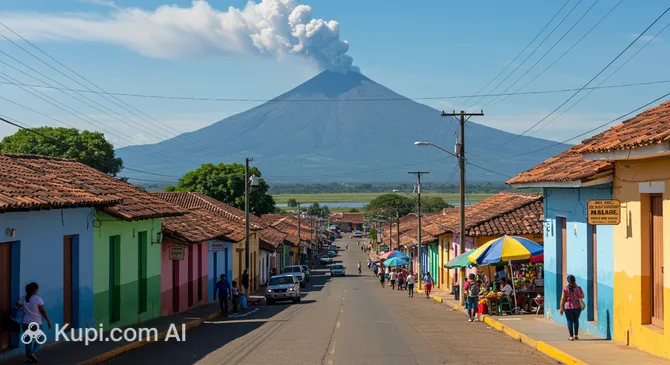
Nicaragua, often called the "land of lakes and volcanoes," is one of the most distinctive destinations in Central America. This country impresses travelers with its diversity: from the colonial architecture of ancient cities to pristine tropical forests and majestic volcanic peaks rising above the horizon.
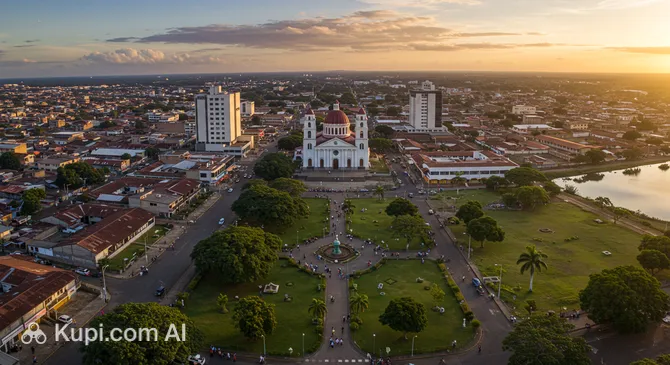
Illustration.
Source: Kupi.com AI

The capital, Managua, serves as the main gateway to the country and the starting point for exploring its natural riches. Located on the shores of Lake Managua, the city offers tourists a chance to get acquainted with modern history and Nicaraguan cultural heritage. From here, it is easy to reach other iconic locations, such as the vibrant and welcoming Granada or historical León, where the spirit of the past is felt in every stone.

Nicaragua's nature is a true paradise for adventure seekers. Here, you can climb an active volcano, surf the waves of the Pacific Ocean, or go in search of rare birds in the jungle. The country's climate is tropical, making it attractive for visiting year-round, especially for those looking for warmth and exoticism away from well-trodden tourist paths.

Currency

The national currency of Nicaragua is the Nicaraguan Córdoba (international code — NIO). Banknotes of various denominations are in circulation, featuring colorful designs of national heroes, historical buildings, and natural landmarks. Coins are used for smaller transactions. Interestingly, in major tourist centers and chain hotels, US dollars are often accepted for payment, but you will likely receive your change in the local currency.

It is recommended to exchange money at official bank branches or specialized exchange offices (casas de cambio) to avoid scams. Credit cards from international payment systems are widely accepted in the capital, Managua, as well as in shopping centers and popular restaurants. However, for trips to the provinces, visiting local markets, and paying for small services, it is always wise to carry a sufficient supply of cash in small denominations.

Visa Requirements

For citizens of most European countries, the USA, and many other nations, a visa is not required in advance to visit Nicaragua. Instead, upon arrival at the airport or border crossing, it is necessary to purchase a tourist card, which typically grants permission to stay in the country for up to 90 days. This makes the destination convenient for spontaneous trips and long journeys through Central America.

To enter, you will definitely need a valid passport, which must be valid for at least six months at the time of crossing the border. It is also recommended to have confirmation of accommodation bookings, return tickets, and medical insurance. Since visa rules can change, always check for up-to-date information on official Nicaraguan embassy websites before planning your trip.

We'll tell you if you need a visa

Specify where you are going, or
Your citizenship
Destination

Timezones

All of Nicaragua is located within a single time zone. Standard time corresponds to GMT-6. This simplifies route planning within the country, as you won't need to change your watch when traveling between cities, such as from the capital to the ocean coast.

It is important to note that Nicaragua does not currently observe Daylight Saving Time. Tourists are advised to take the time difference with their home country into account when booking international flights and planning calls home to stay connected without any inconvenience.

Getting There

The primary way to reach Nicaragua is by air. The country's main aviation hub is Augusto C. Sandino International Airport, located in the capital. It receives regular flights from the USA, Central American countries, and Mexico. Travelers from Europe or Asia usually find it most convenient to fly with one connection in major North American hubs or neighboring Latin American capitals.

For those who prefer regional travel, land transport is also available. Nicaragua has an extensive bus network connecting it to neighboring states—Costa Rica to the south and Honduras to the north. Comfortable international buses cross the borders regularly, offering a budget-friendly and scenic way to travel through the region. It is also worth considering arrival via cruise ships, which dock at ports on the Pacific coast.

When planning your trip, it is recommended to book flights in advance, especially if your visit coincides with Christmas holidays or Easter week (Semana Santa), when demand for tickets increases significantly. Also, don't forget to check transit visa requirements if your route involves a connection in other countries.

AirportCityIATA
Augusto C Sandino International AirportManaguaMGA
Costa Esmeralda AirportRivasECI

Nicaragua offers travelers an amazing variety of destinations: from the colonial charm of ancient cities to tranquil beach resorts. The most visited place is rightfully Granada—an architectural gem on the shores of Lake Cocibolca, famous for its brightly colored facades and boat tours among hundreds of islets. No less interesting is León, considered the cultural and intellectual heart of the country, attracting tourists with its museums and majestic cathedral.

Illustration.
Source: Kupi.com AI

Nature lovers and fans of volcanic landscapes should head to the city of Masaya. This location is famous for its massive craft market and its proximity to the active Masaya Volcano, where you can peer directly into the "mouth" of the earth. For those seeking ocean breezes and surfing, the Rivas region is the perfect choice, providing access to the best Pacific beaches.

For a quieter and more authentic experience of the country's daily life, you can visit towns like Nindirí or Tola. Each of these places has its own unique character, allowing tourists to gain a full impression of the hospitality and beauty of this Central American nation.

Top Attractions

One of the most popular spots for shopping and leisure in the capital is the Metrocentro shopping mall. This modern space features boutiques from famous brands, a cinema, and numerous cafes, making it an excellent choice for a comfortable break after city excursions.

Illustration.
Source: Kupi.com AI

Traveler photos:

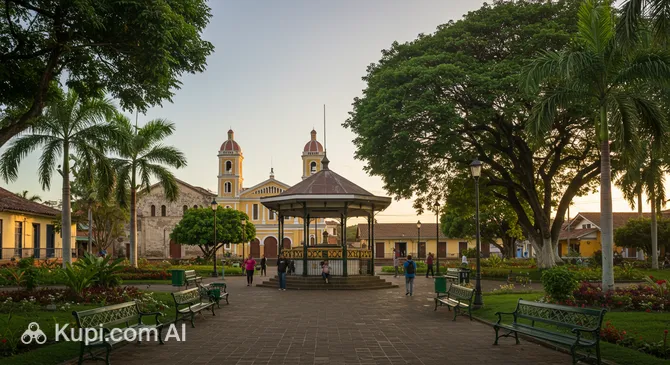
The heart of Granada's cultural life is Granada Central Park. Surrounded by magnificent colonial buildings and cafes, it serves as the perfect vantage point for observing the city's slow-paced life. It is a convenient starting point for walks through ancient streets or for hunting for souvenirs at the colorful Granada Market, which sells the finest products from local artisans.

Illustration.
Source: Kupi.com AI

Traveler photos:

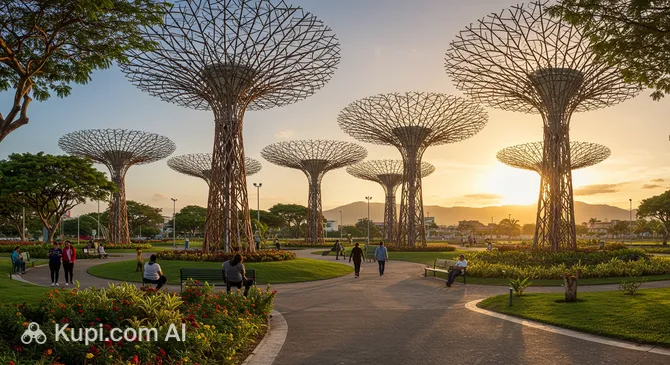
For active family recreation in Managua, Luis Alfonso Velásquez Flores Park is a wonderful choice. This is one of the largest and most well-maintained parks in the country, offering many sports fields, amusement rides, and fountains, making it a favorite spot for both locals and visitors to the capital.

Illustration.
Source: Kupi.com AI

Traveler photos:

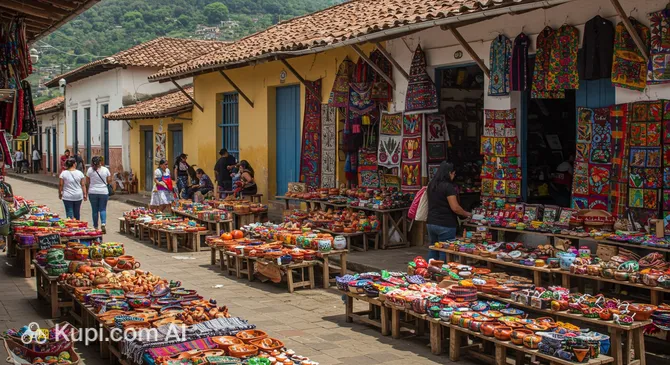
If you want to immerse yourself in local life, be sure to stop by the Granada Market. It is a lively, bustling, and incredibly atmospheric place where you can taste exotic fruits and buy authentic gifts—from famous Nicaraguan hammocks to ceramics.

Illustration.
Source: Kupi.com AI

Traveler photos:

Best Time to Visit

The best time to travel to Nicaragua is during the high season, which lasts from November to April. During this period, the weather is dry and sunny, perfect for visiting cities like Granada and enjoying outdoor activities. This is an ideal time for hiking to volcanic craters and relaxing on the beach, though it is worth noting that during peak dates, tourist numbers increase and prices can be slightly higher.

The low season coincides with the rainy period and lasts from May to October. During this time, Nicaragua's nature flourishes, becoming incredibly green, and hotel rates drop significantly. Precipitation usually occurs as short-lived afternoon showers, which doesn't interfere with morning excursions. This time is especially valued by surfers, as the "green season" brings the most consistent waves, as well as by those seeking a more secluded getaway.

If you are planning a trip, pay attention to the cultural calendar. One of the most vibrant events is the celebration of La Purísima in early December, when streets are filled with songs and altars. It's also worth remembering that the climate on the Caribbean coast is more humid than on the Pacific, so check the weather forecast before heading to remote regions like the Corn Islands.

Traditions

Nicaraguan culture is steeped in warmth and sincere hospitality. Nicaraguans are open people, and a standard greeting is often accompanied by a smile and a polite inquiry about your well-being. Eye contact is important when communicating, and in formal settings, it is customary to use polite forms of address. If you are invited to someone's home, it is good manners to bring a small gift, such as sweets or flowers, to show respect for your hosts.

Religion plays a significant role in the life of the country, so when visiting churches and cathedrals, tourists should choose conservative clothing that covers shoulders and knees. One of the most vibrant traditions is religious festivals, such as La Purísima and La Gritería in honor of the Immaculate Conception, when cities are filled with singing, fireworks, and a festive spirit. Participating in such events is the best way to feel the soul of the Nicaraguan people.

At the table, Nicaraguans value unhurried conversation and community. A meal here is a time for connecting with family and friends. It is considered impolite to start eating before the host or to leave immediately after finishing the meal. Avoid criticizing local customs or engaging in political discussions; instead, show an interest in the national cuisine and traditions, and you will see how warmly this amazing country opens up to you.

Entertainment

Entertainment in Nicaragua is primarily an incredible mix of active recreation and natural exoticism. One of the most unique activities here is volcano boarding—a high-speed descent on a board down the slope of an active volcano, providing an unforgettable adrenaline rush. For water sports enthusiasts, the coast near Rivas and the village of Tola offers excellent surfing conditions, while the country's lakes are perfect for kayaking among islets.

Cultural life is centered in historical hubs like León and Granada. Here, you can visit fascinating museums, contemporary art galleries, and ancient cathedrals. In the evening, these cities transform: cozy bars and restaurants with live music open their doors, where you can sample national cuisine to the sound of the marimba. In Managua, the nightlife is more modern, featuring large clubs and entertainment complexes like Metrocentro.

For family vacations, walking areas and parks are ideal. For example, the capital is home to the popular Luis Alfonso Velásquez Flores Park, featuring playgrounds and attractions. And if you're interested in shopping, be sure to visit local markets, such as the famous Granada Market, where you can purchase leather goods, handmade hammocks, and world-renowned Nicaraguan coffee or rum as memorable souvenirs.

Currency rates

Planning a trip? That's wonderful! To ensure the financial side of your journey doesn't come as a surprise, it’s important to remember that currency rates are constantly changing. Therefore, we strongly advise you to monitor the latest rates, both before you fly and throughout your trip. You can use the data provided below for this; we monitor currency rates 24/7 and strive to provide the most up-to-date information.

Reached the end of the page?

That means the route is fully explored