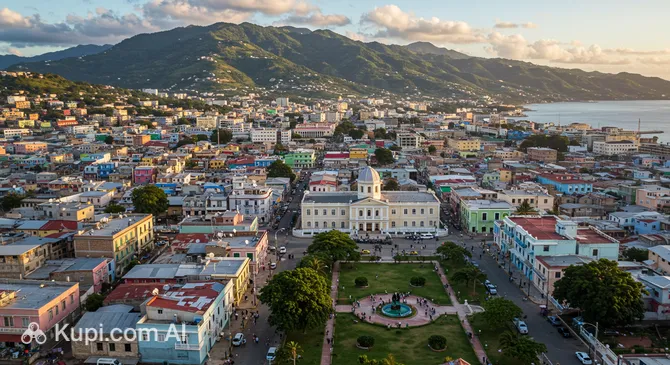
Haiti is a fascinating country occupying the western part of the island of the same name in the heart of the Caribbean. It is a place where vibrant African culture, colonial French heritage, and a unique local flavor intertwine. Here, travelers will find not only pristine white-sand beaches and azure waters but also majestic mountain landscapes and the rich historical past of Latin America's first independent republic.
Illustration.
Source: Kupi.com AI
The heart of the country is its capital, the dynamic Port-au-Prince, where life is in full swing. To experience the true atmosphere of the country, it is worth heading to the cultural capital — Jacmel, famous for its carnival and elegant architecture, or visiting the northern city of Cap-Haïtien, which opens the way to grand historical monuments.
Haiti's nature is striking in its diversity: from dense tropical forests to secluded bays. A unique combination of Voodoo traditions, original fine arts, and the sincere hospitality of the locals creates that unmistakable aura for which adventurers and seekers of authenticity travel to this Caribbean island.
Currency
The national currency of the country is the Haitian gourde (international code — HTG). Banknotes are decorated with images of prominent historical figures and national heroes, reflecting the local pride in their history. Despite having an official currency, US dollars are often accepted for payment in tourist centers and major hotels; however, you will most likely receive your change in gourdes.
It is recommended to exchange currency at official banks or certified exchange offices (bureaux de change) to avoid fraud. Credit cards are accepted in major hotels and some restaurants in Port-au-Prince, but for trips to the provinces and purchases at local markets, it is essential to always carry a sufficient supply of cash.
Visa Requirements
For visiting Haiti, citizens of most countries, including the USA, Canada, European Union member states, and many CIS countries, do not require a visa for tourist stays of up to 90 days. Upon entering the country, it is sufficient to present a valid passport with at least six months of validity remaining at the time of the trip's conclusion.
When passing through border control, tourists will need to fill out an immigration card and pay a small tourist fee. It is recommended to have confirmation of hotel bookings and return flight tickets. Since rules can change, be sure to check the latest information on the website of the nearest embassy or consulate of the Republic of Haiti before your journey.
We'll let you know if you need a visa
Enter your destination or
Your nationality
Destination
Timezones
The territory of Haiti lies within a single time zone — Eastern Standard Time (EST), which corresponds to GMT-5. This greatly simplifies travel planning within the country, as you won't need to change your watch when traveling from the capital to other regions.
It is important to remember that the country observes Daylight Saving Time (EDT), when clocks are moved forward by one hour (GMT-4). This usually happens in sync with most North American countries. Travelers are recommended to check the current local time immediately before their trip to avoid confusion with transport and excursion schedules.
Getting There
The primary way to reach Haiti is by air. The country's main gateway is Toussaint Louverture International Airport, located in the capital. It handles regular flights from the USA, Canada, France, and neighboring Caribbean countries. For those planning to start their journey in the northern part of the island, Cap-Haïtien International Airport is a convenient option.
In addition to air travel, there is the possibility of entering the country by land from the neighboring Dominican Republic. Comfortable international buses run between the major cities of the two countries. Traveling by land allows you to see the changing landscapes, though it requires passing through border control, for which you should prepare in advance.
During peak tourist seasons, especially during winter holidays and carnivals, the demand for tickets increases significantly. Travelers are advised to book flights in advance to ensure convenient connections and better fares. It is also worth noting that internal travel between cities, such as Les Cayes, is often operated by small local airlines.
A trip through Haiti reveals a kaleidoscope of vibrant locations for tourists. Start your acquaintance with the energetic Port-au-Prince, the hub of the country's cultural and political life. For those seeking aesthetic pleasure and inspiration, Jacmel is the perfect choice—a city of artists known for its colonial cast-iron architecture and proximity to natural wonders.
Illustration.
Source: Kupi.com AI
If your goal is to touch upon great history, head north to Cap-Haïtien. Nearby, in the village of Milot, are monumental sites included in the UNESCO World Heritage list. For lovers of classic beach holidays and comfort, Montrouis is an excellent fit, home to the country's best coastal resorts with excellent infrastructure.
Equally interesting are more secluded spots, such as Bassin Bleu, famous for its turquoise waterfalls, or the southern city of Les Cayes, which provides access to pristine beaches and islands. Each of these places has its own unique character, allowing guests to see Haiti from many different perspectives.
Top Attractions
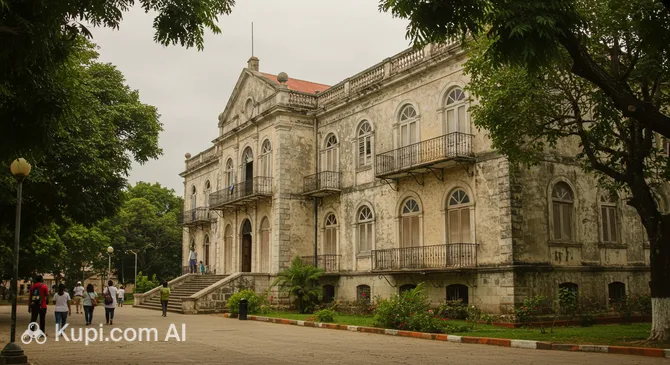
One of the most significant cultural landmarks in the capital is the Musée du Panthéon National Haïtien. It carefully preserves artifacts detailing the country's struggle for independence, including the famous liberty bell and personal belongings of the republic's founding fathers.
Illustration.
Source: Kupi.com AI
Traveller photos:
To enjoy a breathtaking panoramic view of the entire capital and the bay, a visit to the Observatoire Boutilliers is a must. This observation deck is located on high ground, offering tourists cool air and perfect conditions for memorable photos against the backdrop of the sprawling city below.
Illustration.
Source: Kupi.com AI
Traveller photos:
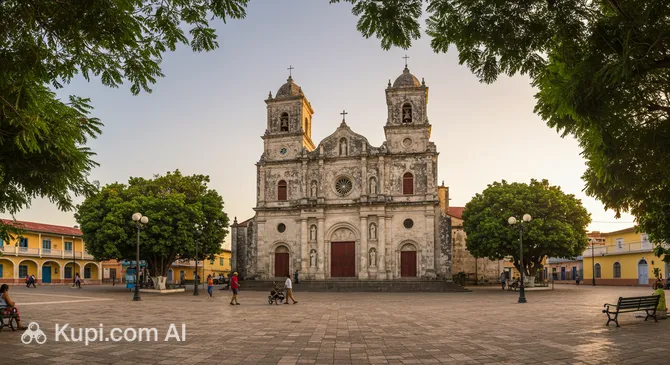
The architectural symbol of the northern part of the country is the Cathedral of Our Lady of the Assumption in Cap-Haïtien. This majestic structure with its recognizable dome is not only an important religious center but also a beautiful example of colonial architecture, restored after historical challenges.
Illustration.
Source: Kupi.com AI
Traveller photos:
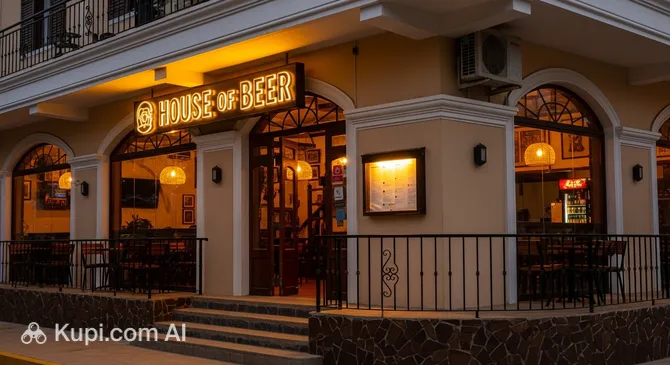
For those who want to combine gastronomic experiences with local flavor, the Maison de la Bière in Port-au-Prince is an excellent spot. This popular establishment allows tourists to sample the best local brews in a friendly and relaxed atmosphere typical of Haitian hospitality.
Illustration.
Source: Kupi.com AI
Traveller photos:
Best Time to Visit
The best time to plan a trip to Haiti is between November and March. This high season is characterized by the most pleasant and dry weather, when the heat is less exhausting and the risk of rain is minimal. This is the ideal time for sightseeing in Cap-Haïtien or relaxing on the coast.
The low season lasts from May to October and coincides with the tropical rainy season. During this time, humidity rises, and strong storms are possible in the second half of summer. However, this period has its perks: accommodation prices in resort areas like Montrouis drop significantly, and tourist locations become less crowded.
If you want to catch the country's most vibrant cultural event, plan your trip for February. This is when the famous Haitian Carnival takes place across the country, especially in Jacmel — a riot of color, music, and folk dances that allows for the deepest immersion into the local culture.
Traditions
The culture of Haiti is a unique blend of African roots and French influence, where traditions permeate every aspect of daily life. Greetings play an important role here: Haitians are very polite and value formal address, so don't forget to greet people before starting a conversation. Eye contact and a warm smile are considered signs of sincerity and openness.
A special place in the country's life is held by religious traditions. Voodoo in Haiti is not just a belief system but a deep layer of culture, music, and art. When visiting churches or participating in cultural ceremonies, it is important to follow a dress code: clothing should be modest and neat. Hospitality is a sacred duty, and if you are invited into a home, a small gift, such as sweets or a souvenir from your country, will be received with great gratitude.
The main national holiday is Independence Day (January 1st), which coincides with New Year's Day. On this day, it is traditional to prepare pumpkin soup (Soup Joumou), which was once forbidden to enslaved people and became a symbol of freedom. Try to avoid political discussions and always ask for permission before taking photos of local residents—such a show of respect will make your interactions with Haitians easy and pleasant.
Entertainment
Entertainment in Haiti primarily revolves around exploring its unique art and nature. For those seeking outdoor activities, head to Montrouis, where popular beach resorts offer diving, snorkeling, and boat trips. The country's mountainous regions provide excellent opportunities for hiking to waterfalls, such as the picturesque Bassin Bleu.
The cultural program will delight fans of painting and music. Haitian naive art is world-renowned for its vibrancy, and the best works can be seen in the capital's galleries. Evenings can be spent at cozy venues like the Asu Rooftop Lounge, which offers magnificent city views, or by enjoying the atmosphere at the Moulin Sur Mer Beach Resort.
Shopping in Haiti is a hunt for authentic souvenirs. Be sure to look for metalwork, wood carvings, and the famous Haitian coffee or rum. At local markets, you can find unique handmade items that will serve as wonderful reminders of your trip.
Currency rates
Planning a trip? Excellent! To ensure the financial side of your journey comes with no surprises, it is important to remember that currency exchange rates are constantly changing. We therefore strongly advise you to monitor the latest rates, both before you depart and throughout your trip. You can use the data provided below for this purpose; we monitor exchange rates 24/7 and strive to provide the most up-to-date information.