Support

Faresmathoda

About

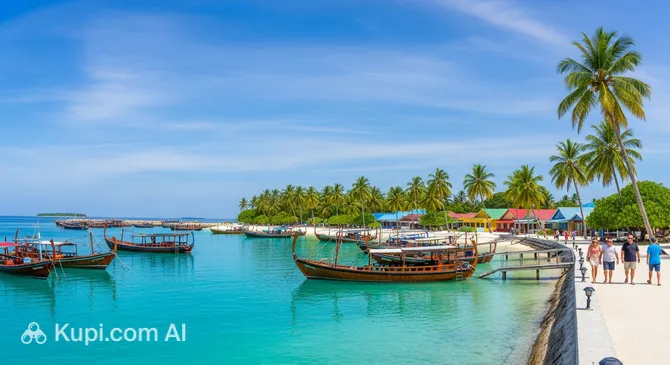
Welcome to Faresmathoda, a captivating destination located in the southern reaches of the Maldives. This unique island is part of the Gaafu Dhaalu Atoll and offers a glimpse into the authentic lifestyle of the Maldivian people, far removed from the bustle of commercial resorts. It is a place where traditional island life blends seamlessly with natural beauty.

Faresmathoda. Illustration.
Source: Kupi.com AI

The island is geographically fascinating as it was formed by the unification of two separate islands, Fares and Maathodaa. This consolidation has created a vibrant community with a distinct identity. To truly appreciate the local culture and the evolution of this community, exploring the history of Faresmathoda is highly recommended for curious travelers.

Faresmathoda is renowned for its skilled fishermen and maritime traditions, making it a fantastic place to observe the daily rhythms of the archipelago. The island is becoming increasingly accessible, serving as a gateway to the stunning Huvadhu Atoll. Visitors can enjoy pristine beaches, explore the surrounding turquoise lagoons, or use the island as a base to discover nearby uninhabited islets and world-class surfing spots.

Whether you are seeking a peaceful retreat or an opportunity to connect with local traditions, Faresmathoda welcomes you with open arms. It is a perfect spot for those looking to experience the genuine warmth and tropical beauty of the southern atolls.

Weather Overview

Faresmathoda enjoys a tropical climate characterized by warm temperatures and humidity year-round, typical of the southern Maldives. The island offers plenty of sunshine, creating a perfect atmosphere for enjoying the pristine beaches and turquoise waters at almost any time of the year.

The weather pattern is generally dictated by the monsoons, shifting between drier periods and seasons with higher chances of rainfall. For a more comprehensive breakdown of conditions during your intended stay, you can consult the guide to the weather in Faresmathoda. While specific data may vary, travelers typically experience a mix of bright, sunny days and brief, refreshing tropical showers.

Expect warm days and balmy nights, making light and breathable clothing the best choice for your suitcase. Regardless of the month, the island's inviting climate ensures that water activities and island hopping remain accessible and enjoyable.

Average monthly temperature

Average monthly precipitation

Interesting Facts

Beyond its serene beaches and turquoise waters, Faresmathoda holds fascinating stories of transformation and community innovation. This island is not just a scenic retreat but a place where history and modern ingenuity intertwine in surprising ways.

  • A Union of Two Islands: The island's unique name is a literal combination of two formerly separate islands, Fares and Maathodaa. They were physically joined in the 1990s through land reclamation, merging two distinct communities into one unified administration that now shares a single continuous landmass.

  • A Tribute in Architecture: The recently developed airport features a terminal designed to resemble traditional thatched huts. This distinctive architectural choice pays homage to the cultural heritage of the Maldives, standing in contrast to the modern concrete structures typical of other domestic airports.

  • Creative Recycling: The local community has gained recognition for its ingenious and quirky approach to waste management. In a resourceful initiative, the island council repurposed discarded washing machines into public dustbins and old refrigerators into storage units, showcasing a unique commitment to sustainability.

  • Gateway to the Waves: Located in the Gaafu Dhaalu Atoll, the island serves as a strategic base for accessing some of the most pristine surf spots in the southern atolls. It acts as a launchpad for surfers seeking uncrowded, world-class breaks that are far removed from the busier northern tourist hubs.

How to Get There

Reaching the serene island of Faresmathoda typically begins with an arrival at Velana International Airport (MLE) in Male', the primary international gateway to the Maldives. Located in the southern Gaafu Dhaalu Atoll, the island is quite a distance from the capital, making air travel the most practical option for the first leg of your domestic journey. For a detailed breakdown of routes and transfer tips, you can read more about how to get to Faresmathoda.

The most convenient way to reach the island is by taking a domestic flight from Male' directly to Faresmathoda Airport, which recently opened to serve the local community and visitors. The flight offers breathtaking aerial views of the coral atolls and takes approximately one hour. Alternatively, travelers can fly to nearby domestic hubs such as Kaadedhdhoo Airport (KDM) or Maavarulu Airport (RUL), followed by a scenic speedboat transfer to Faresmathoda.

Since the Maldives is an archipelago, there are no railway networks connecting the islands. Once you arrive in the atoll, transportation is almost exclusively by sea. Speedboats and traditional dhonis are used to navigate between Faresmathoda and neighboring islands, providing a reliable and authentic way to explore the stunning surroundings of the Huvadhu Atoll.

Main Attractions

Faresmathoda offers a delightful mix of natural wonders and authentic island experiences. While it may not have the commercial theme parks of larger cities, its charm lies in its pristine environment and the unique lifestyle of its residents. The attractions here are deeply connected to the ocean and the island's distinctive geography.

One of the main highlights for visitors is the Bikini Beach. As a local island inhabited by a Muslim community, modest dress is generally required, but this designated area allows tourists to sunbathe and swim in swimwear comfortably. The beach boasts powdery white sand and crystal-clear turquoise waters, offering a secluded and relaxing atmosphere perfect for unwinding under the tropical sun.

The island's House Reef is another natural treasure that draws nature enthusiasts. Easily accessible from the shore, the reef is teeming with vibrant marine life. Snorkelers can explore a colorful underwater world filled with live coral, schools of tropical fish, and occasional sightings of turtles and rays. It provides an exceptional opportunity to witness the rich biodiversity of the Gaafu Dhaalu Atoll without needing a boat.

For those interested in the island's layout, the Causeway Area connecting Fares and Maathodaa is a fascinating spot. Historically two separate islands, they were joined to form a single administrative unit. Walking or cycling across the area where the islands merge offers a unique perspective on how the community has integrated, and it serves as a picturesque spot for evening strolls.

Faresmathoda is also gaining popularity as a strategic base for Surfing. The southern atolls are famous for their world-class surf breaks, which are generally less crowded than those in the north. Surfers often stay on the island to access nearby spots, enjoying the thrill of the waves during the day and the quiet, friendly local vibe in the evenings.

Finally, no trip is complete without a visit to the nearby Sandbanks. Local boat operators offer excursions to these pristine, uninhabited patches of sand surrounded by the open ocean. A picnic on a sandbank, with nothing but the sound of waves and the vast horizon, is the quintessential Maldivian castaway experience.

Local Cuisine

The cuisine of Faresmathoda offers an authentic taste of the southern Maldives, deeply rooted in the island's maritime culture. As a community of skilled fishermen, the local diet revolves heavily around fresh seafood, particularly tuna, combined with the tropical abundance of coconut and starches. For visitors, dining here is a chance to savor simple, flavorful, and organic ingredients prepared with traditional recipes passed down through generations.

A quintessential dish to try is Mas Huni, the beloved Maldivian breakfast. It consists of shredded smoked tuna mixed with grated coconut, onions, and chili, seasoned with a splash of lime. It is typically eaten with roshi, a type of flatbread, and provides a fresh and zesty start to the day. Another staple is Garudhiya, a clear and savory fish broth served with rice, lime, and plenty of chili on the side, representing the soul of local home cooking.

Between meals, the island's food culture shines through Hedhikaa, or "short eats." In the late afternoon, local cafes display these savory snacks, which include gulha (fried dough balls filled with spicy fish), bajiya (pastries similar to samosas), and masroshi. Joining the locals for "evening tea" to sample these treats is a delightful way to experience the community vibe.

Regarding beverages, it is important to note that Faresmathoda is a local island, meaning the sale and consumption of alcohol are prohibited. Instead, the drink of choice is often Kurumba (fresh young coconut water), which is abundant and refreshing under the tropical sun. Tea culture is also strong, with black tea often enjoyed very sweet alongside the spicy short eats.

Dining options on the island range from small, laid-back local cafes (hotas) to the dining rooms of guesthouses. While the cafes offer a window into daily island life and are perfect for budget-friendly meals, guesthouses often cater specifically to tourists, providing a mix of traditional Maldivian curries and western-style dishes to suit various palates.

Travel Tips

Preparing for a trip to Faresmathoda ensures you can fully enjoy the serenity of this southern island without any hassles. As this is a local island rather than a private resort, a few simple adjustments to your travel routine will go a long way in showing respect for the community and making your stay comfortable in the Maldives.

  1. Clothing and Gear: The tropical climate calls for light, breathable fabrics like cotton and linen. However, strict modesty rules apply within the village; both men and women should ensure their shoulders and knees are covered when away from the designated Bikini Beach. Bring high-SPF sunscreen, a hat, and comfortable sandals or flip-flops, as you will likely be walking on sand most of the time.
  2. Transportation: Faresmathoda is a compact island that is best explored on foot. There is no public transport system like buses or trains, and ride-hailing apps do not operate here. For moving luggage or traveling between the airport and your guesthouse, locals use small pickup trucks or battery-operated buggies, which your host can arrange for you.
  3. Finances: The local currency is the Maldivian Rufiyaa (MVR). While US Dollars are often accepted by guesthouses and dive centers, small shops and local cafes (hotas) prefer the local currency. ATMs on remote islands can be unreliable or out of service, so it is highly recommended to withdraw sufficient cash at the international airport before arriving. Tipping is not mandatory but is appreciated for good service.
  4. Health and Safety: The island has a health center for basic medical assistance, but serious conditions may require transfer to a larger facility. Pharmacies are available but may have limited stock, so bring a personal kit with essentials like mosquito repellent, seasickness pills, and any prescription medications. The island is very safe, but standard precautions for personal belongings apply.
  5. Communication: Dhivehi is the local language, but English is widely spoken by guesthouse staff and many younger locals. Buying a local SIM card (Dhiraagu or Ooredoo) at the airport in Male' is the best way to ensure you have mobile data, as Wi-Fi quality can vary. Useful apps include WhatsApp for communicating with hosts and Google Maps for general orientation.
  6. Local Etiquette: Maldivians are warm and welcoming people. A common greeting is "Assalaamu Alaikum" (Peace be upon you). It is customary to remove your shoes before entering a private home or a mosque. When handing money or food to someone, use your right hand, as using the left hand is considered impolite in local culture.
  7. What to Avoid: Alcohol is strictly prohibited on local islands; do not bring it with you or attempt to find it here. Additionally, avoid public displays of affection, such as kissing or hugging in the streets, and never walk through the village in swimwear, as this violates local social norms.
  8. Friday Routine: Keep in mind that Friday is the Islamic holy day. Most shops, cafes, and administrative services will close between 11:00 AM and 2:00 PM for the congregational Jumu'ah prayer. Plan your lunch and activities around this pause in the day to avoid inconvenience.

By keeping these practical tips in mind, you will find it easy to settle into the slow, rhythmic pace of life on Faresmathoda. Respecting these local customs not only ensures a hassle-free trip but also opens the door to genuine interactions with the friendly islanders who call this beautiful place home.

Entertainment & Nightlife

Nightlife in Faresmathoda offers a distinct and peaceful alternative to the bustling club scenes found in many international destinations. As a local island in the Maldives, the evening entertainment here is defined by a relaxed, alcohol-free atmosphere that centers around community, culinary traditions, and the natural beauty of the atoll under the stars. Instead of neon-lit discos, you will find a vibrant "coffee culture" where locals gather to socialize well into the night.

The social heart of the island beats strongest in the areas surrounding the harbor and the main roads connecting the districts of Fares and Maathodaa. Here, the "nightlife" revolves around cozy cafes that stay open late, serving as the primary meeting spots for friends and families. The vibe is incredibly laid-back and welcoming; the dress code is casual and modest, respecting local customs. Visitors are warmly invited to join these gatherings, which often last until around midnight.

For a taste of this authentic evening scene, Cafe Laiha is a popular venue known for its friendly service and extensive menu of local delicacies. It is a perfect place to unwind after a day in the sun, offering everything from heavy meals to light snacks. Another bustling spot is Dhefas Cafe, where you can enjoy the cool evening breeze while sipping on black tea or fresh juices. These establishments are inexpensive, with a hearty meal and drinks often costing just a few dollars, making them accessible to all travelers.

Beyond the cafes, the island offers unique nocturnal activities that take advantage of its pristine environment. Night fishing is a favorite pastime; local fishermen often take visitors out on traditional dhonis to catch red snapper or grouper using handlines under the moonlight. For a more romantic or serene experience, a beach barbecue on the soft sands is highly recommended. With minimal light pollution, Faresmathoda is also a world-class destination for stargazing, where the Milky Way is often visible with the naked eye.

Safety at night is excellent, as the island is a close-knit community with virtually no crime. Walking around after dark is safe, though some side streets can be dimly lit, so carrying a phone flashlight is practical. Transportation is rarely needed due to the island's walkable size, but local buggies are available if you prefer not to walk. Daytime entertainment complements the quiet nights, with visitors spending their hours snorkeling in the turquoise lagoons, exploring local heritage museums, or relaxing on the sun-drenched beaches.

Parks & Museums

Faresmathoda is a destination where the natural environment and living history serve as the primary attractions, rather than formal enclosed institutions. While you will not find grand national museums or sprawling botanical gardens here, the island offers charming green spaces and a "living museum" atmosphere where traditional Maldivian culture is displayed through daily life, heritage architecture, and preserved ecosystems.

The most significant green space is the Faresmathoda Nature Park, located in the Maathoda section of the island. This protected area acts as a vital sanctuary for the island's wetlands, offering a lush, cool contrast to the sun-drenched sandy beaches. The park features well-maintained wooden boardwalks that wind through the dense vegetation, allowing visitors to explore the heart of the ecosystem without disturbing it. It is not just a nature reserve but a social hub where the community gathers to enjoy the fresh air and tranquility. Birdwatchers will appreciate the chance to spot local species in their natural habitat, making it a perfect spot for a peaceful nature walk.

In terms of cultural heritage, the village streets themselves offer a rich historical experience. Walking through the older residential areas, you will encounter the remnants of traditional Coral Stone Architecture. These historic walls and structures were built using blocks hand-carved from coral reefs long before modern construction materials arrived. They stand as silent witnesses to the island's past, showcasing the incredible craftsmanship of ancestors who built durable homes entirely from the ocean's resources. Observing the weathered textures of these coral blocks provides a tangible connection to the pre-industrial history of the Maldives.

Adding to the island's cultural landscape are its religious landmarks, most notably the local mosques such as Masjid Al-Noor. While entry is often reserved for worshippers, the exterior of this mosque serves as a significant architectural landmark. Its design reflects the modest yet dignified style of religious buildings in the southern atolls, functioning as a spiritual anchor for the community. Admiring the peaceful courtyards and the structure's presence from the street offers insight into the deep-rooted Islamic traditions that shape daily life on Faresmathoda.

Insider Tip: For the most atmospheric experience, visit the Nature Park in the early morning just after sunrise. The air is at its coolest, the birds are most active, and the soft light filtering through the leaves creates a serene, meditative environment that feels worlds away from the coast.

Getting Around

Given the compact geography of Faresmathoda, the city does not maintain a large-scale public transport network. There are no subways, trams, or scheduled bus services operating on the island. Instead, the transport system is informal and adapted to the laid-back lifestyle of the community. The primary way to navigate the area is simply by walking, as most key locations—including guesthouses, cafes, and the beach—are within a comfortable walking distance of one another.

For distances that are too far to walk, or when transporting heavy luggage, the local equivalent of a taxi service is available. These "taxis" are typically small pickup trucks, battery-operated buggies, or golf carts. They do not operate on fixed routes like buses but rather function as on-demand private transport. They are perfect for crossing the causeway between the Fares and Maathodaa districts or getting to and from the airport.

The payment system is straightforward and exclusively cash-based. There are no travel cards, digital apps, or ticket validation machines to worry about. You simply pay the driver directly at the end of your journey. Prices are generally fixed and very affordable, often costing just a nominal fee per trip within the island. It is essential to carry small denominations of the local currency, as drivers may not always have change for large bills.

Since there are no official taxi stands or dispatch centers, the best practical advice for tourists is to rely on your accommodation provider. Guesthouses usually have the direct phone numbers of reliable local drivers and can arrange a pickup for you within minutes. While these services operate throughout the day, availability may decrease late at night, so it is wise to book in advance if you have an early morning departure or a late arrival.

A popular and eco-friendly alternative for getting around is cycling. Many guesthouses offer bicycle rentals to their guests, often free of charge or for a small daily fee. Riding a bike allows you to enjoy the scenic causeway and the coastal breeze at your own pace. Motorbikes are also common among locals, but for visitors, a bicycle is usually sufficient and offers a more immersive way to experience the charm of the streets.

Accommodation

Accommodation in Faresmathoda offers a distinct alternative to the ultra-luxury private island resorts typically associated with the Maldives. Here, the hospitality landscape is defined by "guesthouse tourism," which allows visitors to stay on a local inhabited island. Options range from budget-friendly rooms to stylish, mid-range boutique guesthouses that provide modern amenities such as air conditioning, Wi-Fi, and en-suite bathrooms. These establishments are often family-run, offering a more intimate and authentic connection to the local community.

Since Faresmathoda is a relatively compact island formed by the union of Fares and Maathodaa, location is rarely a major concern; almost every accommodation is within walking distance of the sea. However, many tourists prefer staying near the designated Bikini Beach area or the causeway that connects the two districts. Staying in these central zones provides easy access to the pristine shoreline for sunbathing while keeping you close to the harbor and local cafes for dining and socializing.

Because the island is an emerging destination and guesthouses typically have a small number of rooms—often fewer than ten—availability can be limited. It is highly recommended to book your accommodation well in advance, particularly if you plan to visit during the peak dry season from December to April. Securing your room early ensures you get your preferred choice and often allows hosts to arrange your domestic flight and speedboat transfers ahead of time.

The price range for staying in Faresmathoda is significantly more affordable than the private resort islands, falling generally into the budget to mid-range category. Travelers can expect excellent value for money, with prices often including breakfast and sometimes excursions. Booking is straightforward, with most reputable guesthouses listed on major online travel platforms. Alternatively, contacting properties directly via social media or their websites can sometimes yield better rates or personalized package deals that include transfers and activities.

Nearby Cities

When staying in Faresmathoda, the concept of "nearby cities" takes on a unique meaning characteristic of the Maldives. Instead of driving to a neighboring town, visitors explore other inhabited islands scattered across the vast Huvadhu Atoll. These islands serve as distinct communities, each with its own atmosphere, reachable only by crossing the azure waters of the Indian Ocean.

The most significant urban hub in the vicinity is Thinadhoo, the capital of the Gaafu Dhaalu Atoll. Just a short speedboat ride away, Thinadhoo functions as the region's primary commercial and administrative center. It is where locals go for higher-level medical services, banking, and more extensive shopping options. For travelers, a day trip here offers a look at a bustling Maldivian island city that contrasts with the quiet village life of Faresmathoda.

Connectivity to the wider world is facilitated by nearby airport islands such as Kaadedhdhoo and Maavarulu. While these islands are primarily transit points, they are vital nodes in the local network. Traveling to these locations often involves a scenic journey through the lagoon, offering glimpses of uninhabited islets and sandbanks along the way.

Transportation between these "floating cities" is exclusively maritime. Scheduled speedboats and traditional dhonis operate like water buses, linking Faresmathoda to its neighbors. Island hopping in this region is an adventure in itself, allowing visitors to experience the diverse lifestyles of the southern atolls while navigating the stunning marine environment that connects them.

Shopping & Souvenirs

Shopping in Faresmathoda offers a humble and authentic experience that contrasts sharply with the commercialized retail therapy found in major global cities. Instead of high-end boutiques and sprawling complexes, visitors will encounter a network of small, family-owned convenience stores known as fiharas. These shops are the lifeline of the community, stocked with daily essentials, and provide a charming insight into the unhurried pace of life in the southern Maldives.

The retail activity is primarily concentrated along the main roads that run through the heart of the village and near the harbor area. Walking along the central avenue that connects the districts of Fares and Maathodaa, you will find a variety of colorful storefronts. These establishments are generally multipurpose, selling everything from groceries and toiletries to beach accessories and simple clothing, catering to the immediate needs of both residents and travelers.

There are no shopping malls or department stores on the island. The retail landscape is entirely local and independent. Travelers looking for branded luxury goods, extensive electronics, or designer fashion should plan to make those purchases in the capital, Male', or at the duty-free shops in the international airport. In Faresmathoda, the focus is on simplicity and utility.

While there is no permanent covered market hall, the area near the harbor often bustles with activity, particularly in the late afternoon when fishermen return with their catch. This informal market atmosphere allows visitors to see the freshest tuna and reef fish being traded. Occasionally, you may find small stalls or tables set up by locals selling fresh produce grown in their home gardens, such as coconuts, chilies, and tropical fruits.

For those seeking souvenirs, the best items to bring back are those that reflect the island's culture and flavors. The southern atolls are famous for traditional craftsmanship, so look for locally woven mats or handicrafts made from coconut shells and palm leaves. Edible souvenirs are also popular; packets of Theluli Mas (spicy fried tuna) or Addu Bondi (a sweet coconut delicacy wrapped in dried leaves) offer a delicious taste of the islands to share with friends back home.

Stores generally operate from around 8:00 AM until 10:00 PM or 11:00 PM. However, it is important to remember that Faresmathoda is a traditional Muslim community, so shops will close for 15 to 20 minutes during prayer times throughout the day. On Fridays, most businesses remain closed between 11:00 AM and 2:00 PM for the congregational Jumu'ah prayer. Cash is the primary mode of payment; while some larger guesthouses accept US dollars, small shops expect payment in Maldivian Rufiyaa (MVR).

Tax-free shopping and VAT refunds are not applicable on local residential islands. The prices marked on items are final, and bargaining is not a standard practice in the convenience stores, although friendly negotiation might be possible if you are purchasing handicrafts directly from a local artisan.
Reached the end of the page?

That means the route is fully explored