Support

Maavarulu

About

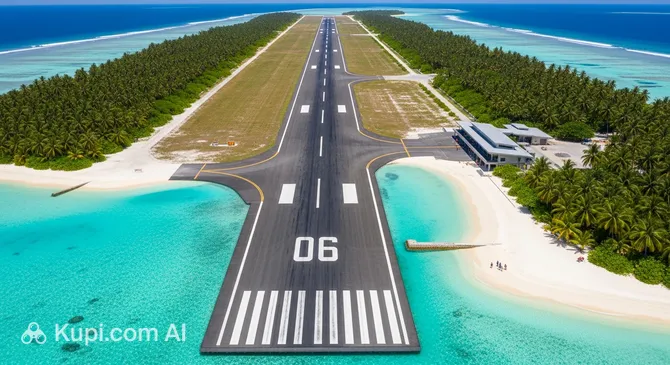
Maavarulu is a captivating island situated in the pristine Gaafu Dhaalu Atoll, serving as an important gateway to the southern region of the Maldives. Known primarily for its domestic airport, this destination connects travelers to the remote beauty of the Huvadhu Atoll, which is celebrated as one of the largest and deepest natural atolls in the world.

The island features a classic tropical climate with warm temperatures year-round, making it an inviting stop for those venturing into the deep south of the archipelago. While the island is modernizing to facilitate travel, the history of Maavarulu reflects the broader narrative of the southern islands, evolving from a quiet, palm-covered landmass into a vital link for regional tourism and transport.

Maavarulu. Illustration.
Source: Kupi.com AI

Travelers arriving here are immediately greeted by turquoise lagoons and lush vegetation that characterize the Maldivian landscape. Maavarulu serves as a perfect launching pad for exploring nearby luxury resorts and world-class surfing spots for which the atoll is famous. The surrounding waters are teeming with vibrant marine life, offering a glimpse into the underwater wonders that attract divers from across the globe.

Whether you are transiting to a secluded retreat or simply admiring the breathtaking aerial views of the coral formations upon landing, Maavarulu offers a warm and scenic welcome. It is an essential starting point for an unforgettable adventure in one of the most beautiful parts of the Indian Ocean.

Weather Overview

Maavarulu enjoys a classic tropical climate characterized by warmth and humidity throughout the year, typical of the southern atolls in the Maldives. The island benefits from abundant sunshine, creating an ideal environment for beach lovers and water sports enthusiasts looking to explore the surrounding lagoons.

Although specific historical statistics may vary, the region is generally influenced by two main monsoon seasons that dictate the rhythm of dry spells and rainfall. To help plan your trip around these patterns, you can view more details about the weather in Maavarulu. Expect consistently warm temperatures averaging between 25°C and 30°C year-round, with the possibility of short, refreshing tropical showers even during the sunnier months.

Average monthly temperature

Average monthly precipitation

Interesting Facts

Beyond its primary function as a transport hub, Maavarulu serves as a portal to some of the most geographically significant and adventurous territories in the Indian Ocean.
  • Gateway to a Giant: Maavarulu is situated within the Gaafu Dhaalu Atoll, which is part of the Huvadhu Atoll. This massive geological formation is recognized as the second-largest natural atoll in the world and the deepest in the Maldives, creating a marine environment teeming with pelagic species that are rarely seen in shallower northern waters.

  • Surfer's Secret Access: The island has become a strategic landing point for wave hunters. It offers significantly easier access to some of the region's legendary surf breaks, such as "Blue Bowls" and "Love Charms," which were previously difficult to reach without lengthy boat journeys from more distant airports.

  • Isolated by Design: The atoll is separated from the central Maldives by the unique One-and-Half Degree Channel. This deep channel acts as a natural barrier, allowing the marine life and coral systems here to evolve with distinct characteristics, making the underwater scenery noticeably different from the rest of the archipelago.

  • A Modern Transformation: Unlike islands with centuries of settlement history, Maavarulu's significance is a very recent chapter. It transformed from a quiet, uninhabited landmass into a vital aviation link only in mid-2020, marking a major engineering feat designed to unlock the remote southern tourism zone.

How to Get There

Reaching this remote island is an exciting part of the journey, typically involving a combination of international and domestic travel across the stunning Maldivian archipelago. Since the island is located in the deep south, planning your transfers in advance is essential for a smooth trip. You can read more about how to get to Maavarulu and the specific transfer options available.

The primary gateway for almost all travelers is Velana International Airport (MLE) in Male, the capital of the Maldives. This is the main hub receiving flights from major cities worldwide. From Male, you will need to take a domestic flight to Maavarulu Airport (RUL), which is conveniently located directly on the island. The domestic flight usually takes about an hour and offers breathtaking aerial views of the atolls scattered across the Indian Ocean.

Once you arrive at Maavarulu's local airport, the final leg of your journey to a specific resort, guesthouse, or surf camp is typically completed by speedboat. Accommodation providers in the Gaafu Dhaalu Atoll usually arrange these boat transfers for their guests. While there are no road links or railways connecting the islands, the network of speedboats and traditional dhonis ensures reliable connectivity within the atoll.

Main Attractions

While Maavarulu itself is primarily a gateway island dominated by its airport and pristine coastline, it serves as the perfect jumping-off point for exploring the wonders of the Gaafu Dhaalu Atoll. The main attractions here are not built structures, but rather the spectacular natural environments and neighboring local communities that define the southern Maldives.

Gadhdhoo Island is one of the most culturally significant neighbors to Maavarulu and is easily accessible by a short boat ride. This inhabited island is renowned across the archipelago for the production of "Thundu Kunaa," intricate traditional mats woven from local reeds. A visit here offers tourists a rare chance to witness this dying art form firsthand, wander through a genuine Maldivian village, and interact with the friendly local community, providing a stark contrast to the isolation of resort life.

For adventure seekers, the Surfing Breaks in this region are world-class attractions in their own right. The area surrounding Maavarulu grants access to legendary spots like "Blue Bowls" and "Five Islands," which are celebrated for their smooth, consistent waves. Unlike the crowded breaks in the northern atolls, these surf points offer a more secluded experience, attracting wave riders who want to enjoy the Indian Ocean's swell in a pristine, unhurried setting.

The Underwater Gardens of Huvadhu constitute the biggest attraction for nature lovers. Being part of one of the deepest atolls in the world, the reefs around Maavarulu are teeming with vibrant marine life, including sea turtles, eagle rays, and reef sharks. Snorkeling or diving excursions here are exceptional because the water clarity is often superior to other parts of the country, allowing for breathtaking views of the untouched coral formations that thrive in these deep southern waters.

Local Cuisine

The culinary scene in Maavarulu and the surrounding Gaafu Dhaalu Atoll is a delicious reflection of the island nation's reliance on the ocean and the coconut palm. Travelers arriving here will find that the local cuisine is defined by three main ingredients: tuna, coconut, and starches. Because Maavarulu serves primarily as a gateway, the food experiences here and on neighboring inhabited islands are authentic and unpretentious, offering a genuine taste of the traditional Maldives lifestyle.

One dish that you simply cannot miss is Mas Huni, the quintessential Maldivian breakfast. It consists of shredded smoked tuna mixed with grated coconut, lime, and chili, traditionally eaten with roshi (a thin flatbread). For lunch or dinner, the staple is often Garudhiya, a clear and fragrant fish broth served with rice, lime, and plenty of chili on the side. In the southern atolls, you might also encounter slightly spicier curries compared to the capital, showcasing the region's unique flavor profile.

Between meals, the local food culture revolves around Hedhikaa, or "short eats." These are savory snacks typically served in the late afternoon at local cafés. Favorites include Bajiya (fish-filled pastries similar to samosas), Gulha (fried dough balls stuffed with smoked tuna), and Masroshi. These bite-sized treats are perfect for a quick energy boost after a day of exploring or surfing.

When it comes to drinks, the most refreshing option is undoubtedly Kurumba (fresh young coconut water), which is widely available and perfect for the tropical heat. Black tea, often enjoyed very sweet, is the standard hot beverage accompanying short eats. It is important for visitors to note that alcohol is strictly prohibited on local inhabited islands and at the airport; it is only available at the private resort islands nearby. On Maavarulu and its neighbors, mocktails and fresh fruit juices are the norm.

Dining in this region is a relaxed affair. You won't find fine dining chains on the local islands; instead, you will eat at small, family-run eateries known as hotaas or at guesthouses. These places offer a welcoming atmosphere where you can dine alongside locals. The experience is less about white-tablecloth service and more about fresh ingredients, bold flavors, and the warm hospitality of the southern islands.

Travel Tips

Traveling to Maavarulu and the surrounding Gaafu Dhaalu Atoll offers a glimpse into the serene, untouched side of the Maldives, far removed from the bustle of the capital. To ensure your journey through this southern gateway is as smooth as the calm lagoon waters, here are some essential practical tips to help you prepare.

  1. Pack Light and Dress Modestly: Since the climate is tropical and humid, bring lightweight, breathable clothing like cotton or linen. While swimwear is perfect for the beach, remember that this is a Muslim country; when you are on local inhabited islands (like nearby Gadhdhoo) or at the airport, you must dress modestly. This means covering your shoulders and knees. Don't forget high-SPF, reef-safe sunscreen and a pair of sturdy sandals for walking on sandy paths.
  2. Navigating by Sea: Unlike city destinations, "public transport" here consists of speedboats and traditional dhonis. There are no buses or trains. Transfers from Maavarulu Airport to your guesthouse or resort must be arranged in advance, as boats do not wait like taxis. If you plan to island-hop, check the schedule for the local ferry network, but be prepared for it to be slower and less frequent than private speedboats.
  3. Managing Your Finances: The local currency is the Maldivian Rufiyaa (MVR). While resorts and larger guesthouses accept US Dollars and credit cards, smaller local shops and cafes on inhabited islands often prefer cash in Rufiyaa. ATMs are scarce in remote atolls, so it is highly recommended to withdraw sufficient cash at Velana International Airport in Male before flying south to Maavarulu.
  4. Health and Safety Essentials: The sun in the southern atolls is exceptionally strong, so staying hydrated and protected is vital. Bring a basic medical kit with you, including mosquito repellent, motion sickness medication for boat rides, and any prescription drugs you need, as pharmacies on nearby islands may have limited stock. The area is generally very safe, but always keep an eye on your belongings during transfers.
  5. Staying Connected: English is widely spoken in the tourism sector and by many locals, so you will have no trouble communicating. Dhivehi is the local language; learning a simple "Assalaamu Alaikum" (Peace be upon you) is a great way to greet people. Wi-Fi is standard in guesthouses, but for reliable mobile data, purchase a local SIM card (Dhiraagu or Ooredoo) at the airport in Male upon arrival.
  6. Respecting Local Etiquette: Maldivians are incredibly hospitable, and returning a smile goes a long way. When visiting a local home or a mosque on a neighboring island, always remove your shoes before entering. Use your right hand for eating and handing money to others, as this is the cultural norm. Public displays of affection should be kept to a minimum in inhabited areas.
  7. What to Avoid: Strictly avoid bringing alcohol into the country or looking for it on local islands (like Maavarulu or Gadhdhoo), as it is prohibited by law; it is only available on private resort islands. Additionally, do not wear bikinis or skimpy swimwear on public beaches of inhabited islands; stick to designated "Bikini Beaches" or the privacy of your resort.
  8. Friday Planning: Keep in mind that Friday is the weekly holiday in this island nation. On inhabited islands, shops, cafes, and some ferry services may halt operations for a few hours around midday prayers. Plan your transfers and meals accordingly to avoid any inconvenience during this time of rest.

By keeping these practical points in mind, you can navigate the unique logistics of the deep south with confidence and ease. We hope these tips help you relax and fully immerse yourself in the breathtaking natural beauty and warm hospitality that await you in Maavarulu.

Entertainment & Nightlife

Nightlife in Maavarulu and the wider Gaafu Dhaalu Atoll offers a unique duality that depends entirely on where you stay. Visitors should be aware that Maavarulu is a local island with a domestic airport, and like all inhabited islands in the Maldives, it is strictly alcohol-free. Consequently, you will not find neon-lit nightclubs, cocktail bars, or rowdy party districts here. Instead, the evening atmosphere is defined by serenity, the sound of the ocean, and a blanket of stars that is incredibly vivid due to the lack of light pollution.

For those staying on Maavarulu or visiting neighboring local islands like Gadhdhoo, the "nightlife" centers around the Harbor Area. This is the social heart of the community where locals gather after sunset. The vibe is laid-back and family-friendly. The main venues here are traditional Hotaas (local cafes). These establishments typically stay open late, serving black tea, coffee, and hedhikaa (short eats) while people socialize, play cards, or watch football matches. It is a fantastic way to immerse yourself in the authentic Maldivian lifestyle, but do not expect dance floors or dress codes; casual island wear is the norm.

If you are seeking a classic nightlife experience with bars, DJs, and alcoholic beverages, you must head to the nearby luxury resorts. Properties in the Gaafu Dhaalu Atoll, such as Ayada Maldives or Amari Havodda, are just a speedboat ride away and operate under different regulations. These private islands feature sunset bars, overwater lounges, and occasionally host beach parties with live music. Guests usually transfer to these resorts for their stay, where the dress code shifts to "island chic," and the entertainment runs late into the night.

For a different kind of evening entertainment on the local islands, nature provides the show. Night Fishing is a popular activity organized by guesthouses. You head out on a boat at dusk to catch your dinner using traditional handlines, followed by a beach BBQ under the stars. Another magical experience is walking along the shoreline to look for bioluminescent plankton. These tiny organisms sometimes light up the water's edge with a glowing blue shimmer, creating a surreal and romantic atmosphere perfect for a quiet night walk.

Regarding safety and logistics, Maavarulu and its neighbors are incredibly safe for night walks. Crime is virtually non-existent. However, street lighting can be minimal on the outskirts, so carrying a torch or using your phone light is practical advice. There are no "night taxis" to hail on the street; if you need to move between islands at night, boat transfers must be pre-arranged with your host. Prices for private night boat charters can be high, so it is best to plan your movements during the day.

Before the sun goes down, daytime entertainment is entirely focused on the ocean. While there are no theaters or amusement parks, the "museum" here is the coral reef. Visitors spend their days snorkeling in crystal-clear lagoons, surfing the world-class breaks off the coast, or taking excursions to uninhabited sandbanks for picnics. The transition from an active day in the water to a peaceful, starry night on the island is what makes a trip to the deep south so rejuvenating.
Parks & Museums

Unlike bustling urban centers filled with manicured botanical gardens and grand exhibition halls, Maavarulu redefines the concept of parks and museums. Here, the "parks" are the untouched tropical wildernesses, and the "museums" are the living communities and ancient traditions found on neighboring islands. Visitors arriving at this gateway to the Gaafu Dhaalu Atoll should not expect ticketed entrances or audio guides, but rather an immersive experience where nature and culture are seamlessly integrated into daily life.

The Coastal Green Belt serves as the island's primary natural park. Encircling the airport and the inhabited areas, this lush perimeter of coconut palms, screw pines, and sea hibiscus provides a cooling canopy and a habitat for local birdlife. It is a perfect spot for a shaded walk, offering a raw, unlandscaped beauty that contrasts with the structured gardens of luxury resorts. The transition from this green belt to the blindingly white sandy beaches creates a pristine environment where visitors can relax in what is essentially a nature reserve.

Just a short boat ride away, the Uninhabited Sandbanks of the atoll function as floating natural parks. These ephemeral strips of sand, surrounded by crystal-clear turquoise waters, offer a sense of isolation and tranquility that no city park can match. They are ideal for picnics, sunbathing, and observing the marine ecosystem in the shallow lagoons. For many travelers, spending a day on one of these secluded patches of sand is the highlight of their trip, offering a private slice of paradise.

While there are no conventional museums on Maavarulu, the nearby island of Gadhdhoo acts as a vibrant "living museum" of Maldivian heritage. It is the heart of the region's cultural identity, famous for the production of Thundu Kunaa. These intricate, hand-woven reed mats are considered masterpieces of local craftsmanship. Walking through the village, you can watch artisans dyeing reeds and weaving complex geometric patterns, a tradition passed down through generations that serves as a dynamic gallery of the atoll's artistic history.

For architecture enthusiasts, the Coral Stone Mosques found on older inhabited islands in the atoll serve as open-air historical exhibits. These structures, built from interlocking coral blocks without mortar, showcase the ingenuity of early Maldivian engineering. While Maavarulu itself is more modern, a visit to nearby historical settlements allows you to appreciate the intricate carvings and lacquer work that define traditional Islamic architecture in the Maldives.

Insider Tip: Treat the coral reef as your primary museum visit. The underwater world here is often described as a "gallery of marine life." If you grab a snorkel and mask, you can explore one of the most biodiverse ecosystems on the planet, where the coral formations are the sculptures and the vibrant schools of fish are the moving art.

Getting Around

Travelers arriving in Maavarulu will quickly discover that the public transport system here differs significantly from typical urban destinations. As a small island primarily serving as a domestic aviation hub, there are no railways, subways, trams, or public bus networks. Instead, the primary mode of transportation is maritime, with the deep blue ocean serving as the "highway" connecting the airport to neighboring inhabited islands and resorts.

For movement within the island itself, the system is incredibly simple: walking is the most common and practical way to get around. The distances between the terminal and the jetty are short and easily navigable on foot. Occasionally, electric buggies or small shuttle vans operated by the airport or nearby guesthouses may be available to assist with luggage, but these are not public transport vehicles with fixed routes or stops.

The true public transport network consists of sea vessels. Public Ferries, locally known as dhonis, operate on specific schedules connecting the atoll's inhabited islands. These are slow, wooden boats that offer a scenic and authentic way to travel at a very low cost. For a faster and more direct option, Speedboats act as the region's express service. These are often shared transfers arranged by hotels or private charter companies, whisking passengers across the lagoon to their final destinations in a fraction of the time taken by ferries.

Regarding the payment system, cash is the standard for local public transport. Tickets for the slow public ferries are inexpensive and are usually purchased directly on the boat or at the harbor ticket counter using the local currency. Prices are nominal, often costing just a few dollars per trip. Conversely, speedboat transfers are significantly more expensive and are typically booked and paid for in advance through your accommodation provider using credit cards or online transfers. There are no travel passes, tap-on cards, or transport apps available for use here.

Practical advice for tourists centers on preparation. Transport schedules can be infrequent and subject to change based on weather conditions. Public ferries often do not run on Fridays, the weekly holiday. It is highly advisable to confirm your transfer logistics with your guesthouse or resort well before you land. Unlike hailing a cab in a city, you cannot simply wave down a boat from the jetty; almost all inter-island travel requires prior coordination.

Alternatives such as car-sharing services, taxi apps, or car rentals do not exist in Maavarulu due to the lack of road infrastructure. However, once you reach a larger neighboring inhabited island, bicycles are a popular alternative. Many guesthouses offer bike rentals, allowing you to explore local villages at your own pace. For the initial arrival and departure at Maavarulu, however, relying on the pre-arranged boat transfer provided by your host is the most practical and stress-free option.

Accommodation

Where to Stay:

Accommodation options in and around Maavarulu cater to two distinct types of travelers: those seeking an authentic local experience and those looking for high-end luxury. As Maavarulu is primarily an airport island and a transit hub, most visitors do not stay directly on the island itself. Instead, they transfer to nearby inhabited islands for budget-friendly guesthouses or travel further into the Gaafu Dhaalu Atoll to reach exclusive private island resorts.

For budget-conscious travelers and surfers, the local islands offer a growing number of guesthouses and boutique hotels. These establishments provide comfortable, modern amenities including air conditioning and Wi-Fi, often at a fraction of the cost of a resort. Staying here allows for immersion in the local culture, with easy access to shops and cafes. The island of Gadhdhoo, located just a short boat ride away, is a popular choice, particularly for those wanting to be close to the famous surf breaks.

On the other end of the spectrum, the region is home to some of the most secluded luxury resorts in the Maldives. These properties are located on their own private islands and are designed for complete privacy and relaxation. They typically feature iconic overwater villas, private pools, and all-inclusive dining plans. These resorts are ideal for honeymooners and travelers willing to splurge for a "castaway" experience in the deep south.

Booking Tip: The most critical aspect of booking accommodation here is arranging your transfer. Unlike in the capital, you cannot simply hail a taxi to your hotel. Whether you choose a guesthouse or a resort, ensure you contact the property in advance to coordinate your speedboat transfer from Maavarulu Airport. Most reliable hosts will arrange this for you as part of your booking package.

Prices and Availability: The price range is vast, reflecting the diversity of options. Guesthouses on local islands generally range from budget to mid-range, costing significantly less than the national average for resort stays. Luxury resorts in this atoll command premium prices due to their exclusivity and remote location. It is highly recommended to book via major online travel platforms or directly through the property's website, especially during the peak season (December to April), as the limited number of rooms in this remote region can fill up quickly.

Nearby Cities

Maavarulu serves as the aviation gateway to the Gaafu Dhaalu Atoll, offering travelers easy access to some of the most fascinating inhabited islands in the southern Maldives. While Maavarulu itself is primarily a transport hub, a short boat ride connects you to vibrant local communities that showcase the authentic island lifestyle and rich heritage of the deep south.

Gadhdhoo is the most prominent neighbor and a highly recommended stop for culture enthusiasts. Located just a brief speedboat trip away, this island is renowned throughout the nation for the intricate art of weaving "Thundu Kunaa," traditional reed mats that hold deep cultural significance. Beyond its unique craftsmanship, Gadhdhoo is a magnet for the surfing community, serving as the closest inhabited base to world-class surf breaks like "Blue Bowls." A visit here offers a perfect blend of observing local artisans at work and watching surfers tackle the Indian Ocean swells.

For a glimpse into the region's urban life, travelers can visit Thinadhoo, the capital of the Gaafu Dhaalu Atoll. As the administrative and economic center of the area, Thinadhoo presents a more bustling atmosphere compared to the sleepy charm of smaller islands. It features a wider array of local shops, cafes, and essential services, making it an interesting day trip for those wanting to see the modern development of the southern atolls while enjoying the hospitality of a larger local community.

These nearby destinations are accessible via the local network of speedboats and dhonis. Exploring them provides a valuable opportunity to step outside the "resort bubble" and experience the genuine culture, history, and daily rhythm of the Huvadhu Atoll.

Shopping & Souvenirs

Shopping in Maavarulu is a unique experience that differs significantly from typical retail therapy in bustling cities. As the island primarily functions as a domestic airport hub for the Gaafu Dhaalu Atoll, commercial activities here are limited and functional, designed to cater to the immediate needs of travelers in transit. You will not find sprawling shopping complexes or high-end fashion boutiques; instead, the focus is on essential items and authentic local craftsmanship found on the neighboring inhabited islands accessible by boat.

Main Shopping Areas on Maavarulu itself are restricted to the airport terminal, where small kiosks may offer snacks, beverages, and basic travel necessities. For a more genuine shopping experience, visitors are encouraged to take a short speedboat ride to nearby inhabited islands such as Gadhdhoo or the atoll capital, Thinadhoo. These islands feature small local streets lined with independent shops known as "fuhara," where you can browse for groceries, beachwear, and everyday household items alongside the local residents.

There are no Shopping Malls in Maavarulu or the surrounding islands. The retail landscape in this remote southern atoll is defined by small, family-run convenience stores and specialized workshops rather than large department stores. Travelers looking for branded luxury goods or extensive electronics will need to do their shopping in Male or at the duty-free section of Velana International Airport before flying down to the south.

Markets in the region are informal and vibrant, often centered around the harbor areas of inhabited islands. While Maavarulu acts as the transit point, a visit to a neighboring island's local market offers a glimpse into the daily life of the Maldives. Here, you can find fresh tropical fruits like papaya, watermelon, and coconuts, as well as the catch of the day sold directly by fishermen. These markets are less about souvenirs and more about fresh sustenance, providing a colorful and aromatic atmosphere.

When it comes to Souvenirs, the region is famous for one specific treasure: the Thundu Kunaa. These are intricate, hand-woven reed mats produced primarily on the nearby island of Gadhdhoo. They are considered some of the finest handicrafts in the nation and make for a culturally significant memento. Additionally, you can look for jars of "Rihaakuru" (fish paste) or vacuum-packed smoked tuna, which are culinary staples of the south and make excellent gifts for foodies back home.

Opening Hours and Payment require some planning. Shops on local islands typically open around 8:00 AM or 9:00 AM and close by 10:00 PM or 11:00 PM. However, it is crucial to remember that stores close for prayer times several times a day for about 15-20 minutes. On Fridays, the weekly holiday, shops may remain closed until the afternoon prayers conclude around 2:00 PM. Cash is the preferred method of payment; while some larger merchants on Thinadhoo might accept cards, small vendors and ferry ticket counters deal exclusively in Maldivian Rufiyaa (MVR).

Tax-Free shopping is not available in Maavarulu or the local islands of the Gaafu Dhaalu Atoll. The tax refund schemes generally apply only to specific goods purchased at the international departure terminal in Male. Therefore, the prices you see on the shelves here are the final prices, usually inclusive of the local Goods and Services Tax (GST).

Reached the end of the page?

That means the route is fully explored