Support

Sengaku-ji Temple

About

Sengaku-ji is an iconic Soto Zen Buddhist temple located in the historic Meguro district of Japan. This site is more than just a religious landmark; it is a true monument to the samurai spirit, world-renowned as the final resting place of the legendary forty-seven ronin. The temple has become a symbol of absolute loyalty, honor, and devotion—values deeply cherished in Japanese culture.
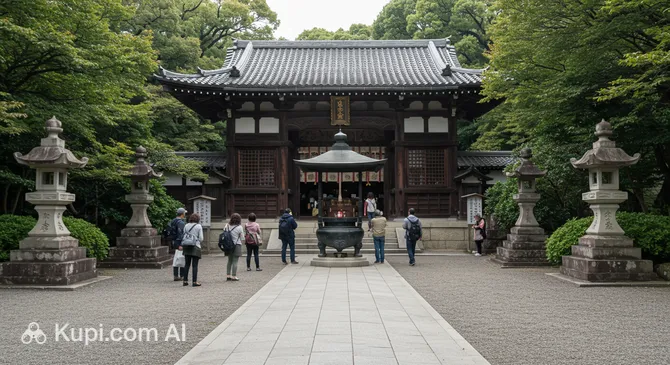
Sengaku-ji Temple. Illustration.
Source: Kupi.com AI

Traveller photos:

The temple's architectural ensemble draws attention with its elegant gates and austere forms characteristic of Zen Buddhist monasteries. Visitors come here not only for prayer but also to touch the living history of the Edo period by visiting the memorial cemetery where the loyal warriors and their lord are buried.

On the grounds of Sengaku-ji, there is also a museum that carefully preserves authentic samurai items, armor, and weapons. This makes the temple an important cultural center, allowing guests to gain a deeper understanding of the Bushido philosophy and learn about one of the most dramatic and revered chapters in Japanese history.

Contacts

When planning your visit to Sengaku-ji, it is recommended to check the current contact information in advance. This will help you better organize your itinerary through Meguro and avoid any inconveniences during your trip to Japan.

Below is the official information and contact methods to help you confirm details regarding your visit to this historic site and the museum on its grounds.

How to contactContact
Address2-chōme-11-1 Takanawa, Minato City, Tokyo 108-0074, Japan
Phone+81 3-3441-5560
Websitewww.sengakuji.or.jp

What to Do

A visit to Sengaku-ji in Meguro offers a unique opportunity to connect with Japan's authentic samurai heritage. One of the essential stops is the memorial cemetery, where the graves of the 47 ronin are arranged in a solemn order. It is customary to offer incense and flowers here, paying tribute to their feat and unwavering loyalty to duty.

Be sure to stop by the Ako Gishi Kijitsukan Museum, located right on the temple grounds. Its halls display unique artifacts: letters, pieces of armor, and personal belongings of the samurai, helping to reconstruct the events of the 18th century in great detail. Also worth noting are the statue of the ronin leader, Oishi Kuranosuke, and the ancient well associated with key moments of this historical drama.

While walking through the grounds, notice the stone tablets engraved with poems. Traditionally, samurai wrote farewell verses before performing seppuku, and these texts allow modern visitors to glimpse the souls of warriors from the past. The calm and majestic atmosphere of Sengaku-ji is perfect for thoughtful historical exploration and contemplating traditional Japanese architecture.

Getting There

Reaching Sengaku-ji in Meguro is easy thanks to the capital's well-developed transport system. The temple is located at 2-chōme-11-1 Takanawa, Minato City, Tokyo. The most convenient way is to use the subway: the namesake Sengaku-ji Station is just a few minutes' walk from the entrance; it is best to use exit A2.

The station is served by key lines of the Tokyo subway, providing excellent connections to various parts of the city. If you prefer comfort, a taxi from central Tokyo will bring you to the temple gates in a short time. Its proximity to the major Shinagawa transport hub makes this site accessible even for travelers with limited time in the country.

Nearest city: Meguro

History & Facts

Founded in 1612, Sengaku-ji has witnessed many events, but it gained worldwide fame through the Ako Incident in the early 18th century. The story of forty-seven samurai who became ronin after their lord's death and spent two years secretly planning revenge for his unjust demise became a cornerstone of Japanese national identity and a symbol of the Bushido code.

After their revenge was complete, the ronin came to Sengaku-ji to bring news of their fulfilled duty to their master's grave. Subsequently, they all committed ritual suicide (seppuku) and were buried here. This drama served as the basis for the famous Kabuki play "Chushingura," which remains one of the most popular cultural works in Japan.

Today, the temple continues to carefully preserve the memory of these events. Every year on December 14, a grand festival dedicated to the forty-seven ronin is held here. Many people from across the country travel to Meguro to honor the memory of the heroes whose story of loyalty and honor continues to inspire generations.

Time Needed

To leisurely explore all the key sites of Sengaku-ji, visit the museum exhibition, and walk through the memorial cemetery, it is recommended to set aside 1 to 2 hours. This is plenty of time to soak in the solemn tranquility of the place and reflect on its profound history.

If you plan to visit the temple during the festival on December 14 or on weekends, when the number of pilgrims and tourists increases, it is worth allowing a bit more time for your visit. On weekdays, the temple is usually quiet, ideal for a detailed study of artifacts and contemplation of classical temple architecture.

Working Hours

Sengaku-ji temple in Meguro is open to visitors daily, making it easy to include in your Japan travel plans. According to the established schedule, the complex gates are open to guests from 7:00 AM to 4:00 PM. This timeframe is ideal for a morning or afternoon visit when the soft light highlights the beauty of the temple architecture.

Before visiting, please note that the operating hours for the museum and special exhibitions may vary slightly from the temple's general schedule. If your visit falls on a public holiday or the December 14 festival date, it is a good idea to check the current schedule on the official website beforehand to fully enjoy everything this historic site has to offer.

7:00 – 16:00

Nearby

Exploring the area around Sengaku-ji will make your trip to Meguro even more enriching and multifaceted. The neighborhood around the temple offers interesting contrasts, from quiet historical corners to modern cultural venues. For example, the Tokyo Metropolitan Teien Art Museum is within walking distance, where art meets magnificent Art Deco architecture.

If you'd like a breath of fresh air after visiting the temple complex, you can head to Shiba Park, which offers picturesque views of city landmarks. The combination of Sengaku-ji's deep historical heritage and the nearby museums and parks will allow you to fully experience the unique atmosphere of Japan.

NameDistance
Togoshi Ginza Shopping Street3.1 km
Tokyo Whisky Library3.6 km
Watarium Museum of Contemporary Art4.2 km
Tokyu Plaza Omotesando Harajuku4.4 km
Togo Shrine4.7 km
Takeshita Street4.7 km

Reached the bottom of the page?

Looks like you know this route inside out