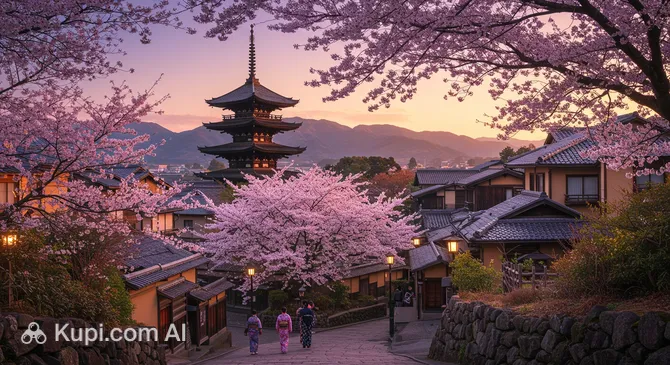
Kyoto is the spiritual heart of Japan, a city where time seems to stand still among thousands of ancient temples and elegant rock gardens. Serving as the imperial capital for over ten centuries, from 794 to 1869, it has preserved a unique atmosphere where age-old traditions harmoniously coexist with the rhythm of modern life. Nestled in a picturesque valley on Honshu Island and surrounded by mountains, the city is home to approximately 1.46 million residents.
Kyoto. Illustration.
Source: Kupi.com AI
The rich historical heritage of Kyoto is evident in every neighborhood, from famous golden pavilions to bamboo groves. The city is considered the country’s primary cultural center, where you can still encounter geisha in the Gion district and participate in an authentic tea ceremony. Yet, it hasn't become a stagnant museum; it remains a vibrant metropolis with prestigious universities and a bustling business environment.
Visiting this city is a must for any traveler wishing to touch the origins of Japanese aesthetics. Each season brings its own colors here: from the delicate pink cherry blossoms in spring to the fiery red maples in autumn, inviting you on an unforgettable journey through the pages of Japanese history.
Weather Overview
Kyoto is characterized by a humid subtropical climate with four distinct seasons. Because the city is located in a basin surrounded by mountains, the air often remains stagnant, making the summer heat feel more intense and the winter chill more piercing. Typical weather in Kyoto in summer consists of hot and humid Julys and Augusts, when average daytime temperatures often exceed +30°C.
Winters in the city are relatively cool but without extreme cold: in January and February, average temperatures range from +1°C to +8°C. Precipitation is distributed fairly evenly throughout the year, though the peak of the rainy season usually falls in June and July. Expect a humid summer with occasional thunderstorms, as well as cool, mostly dry winters that sometimes delight with a brief snowfall, turning the temples into fairytale settings.
Average monthly temperature
Average monthly precipitation
Interesting Facts
Kyoto is a city with a thousand-year history that holds many surprising features highlighting its exceptional status in Japanese culture.
From 794 to 1869, the city served as the official capital of the country and the residence of the Japanese emperors, remaining the political center for over ten centuries.
The city was originally called Heian-kyo, which translates to "Capital of Peace and Tranquility," and its founding marked the beginning of the great Heian historical era.
There are 17 UNESCO World Heritage sites located within the city and its surroundings, including magnificent temples, gardens, and Nijo Castle.
Despite its ancient appearance, it is a modern metropolis with a population of over 1.46 million, serving as a key scientific and university hub for the region.
Kyoto miraculously escaped large-scale destruction during World War II, which allowed for the preservation of a vast number of authentic wooden structures from past eras.
How to Get There
Kyoto boasts excellent transport accessibility, making it one of the most convenient locations for travelers. Most tourists prefer the Shinkansen high-speed trains, which connect the city with the country's largest metropolises. Before your trip, it is worth studying all the ways to get to Kyoto to choose the most comfortable option depending on your itinerary around the country.
Although the city does not have its own airport, it is served by two major aviation hubs in the neighboring Osaka Prefecture. Kansai International Airport handles most international flights, while Itami Airport specializes in domestic travel. The journey from these airports to the city center by express trains or airport limousine buses takes between 60 and 80 minutes.
The main transportation hub is Kyoto Station, an impressive modern building where Tokaido Shinkansen trains arrive from Tokyo and Nagoya. The journey from the capital by express train takes just over two hours. Additionally, the station is connected by a dense network of suburban lines to Osaka and Kobe, allowing you to reach them in just 15–30 minutes.
Station
Passenger traffic
Distance
Kyōto Station
33
3 km
Yamato-Saidaiji Station
15
35 km
Ōsaka Station
22
42 km
Ōsaka Station
22
42 km
Tennōji Station
22
47 km
Maibara Station
18
58 km
Main Attractions
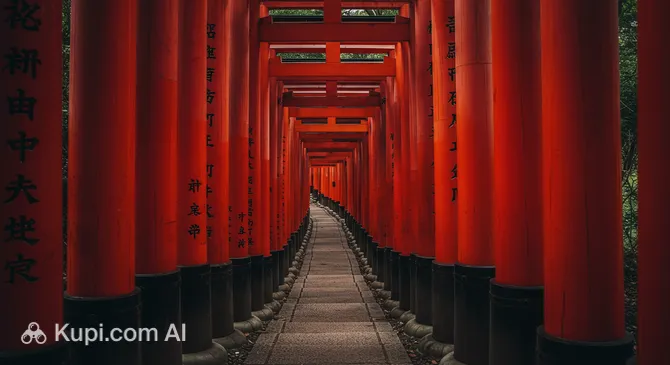
The main attractions of Kyoto are a living chronicle of Japanese architecture and landscape gardening. One of the most recognizable locations is the Fushimi Inari Shrine, famous for its thousands of bright orange torii gates that form endless tunnels on the slopes of a sacred mountain. This site is dedicated to the deity of rice and business prosperity, and a walk here offers a truly mystical experience.
Fushimi Inari Shrine. Illustration.
Source: Kupi.com AI
Traveller photos:
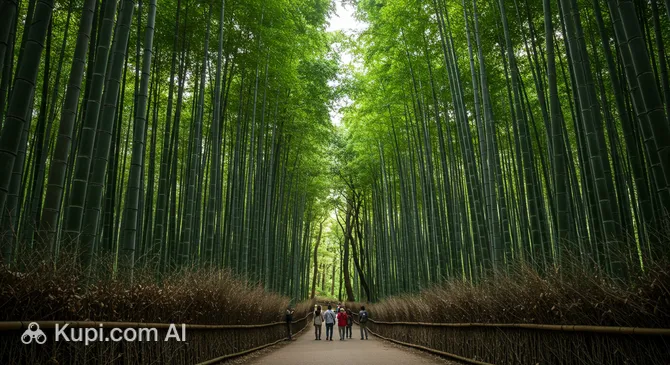
For those seeking solitude amidst nature, the Arashiyama district is a must-visit. It is renowned for its emerald Sagano Bamboo Grove, where the rustling of the stalks creates a unique acoustic atmosphere. Beyond the bamboo forest, it is worth walking across the historic Togetsukyo Bridge to enjoy views of the river and mountains, which are particularly beautiful during cherry blossom and autumn maple seasons.
Arashiyama. Illustration.
Source: Kupi.com AI
Traveller photos:
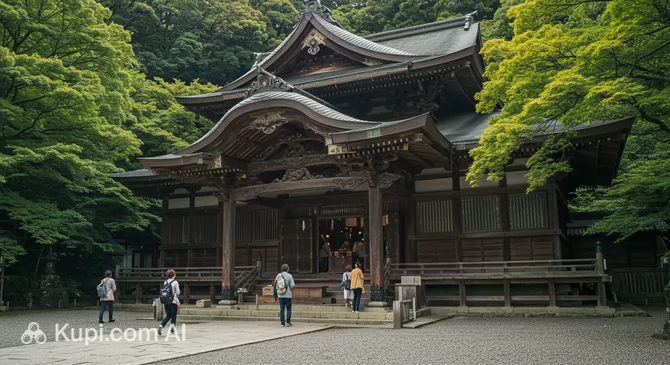
Another fascinating site is Katsuo-ji Temple, known as the "temple of winners." It attracts visitors with its many Daruma dolls, left here as a sign of gratitude for achieved goals. The traditional temple architecture combined with magnificent landscaped gardens makes it an excellent place to explore the spiritual culture of the region.
Katsuo-ji Temple. Illustration.
Source: Kupi.com AI
Traveller photos:
Local Cuisine
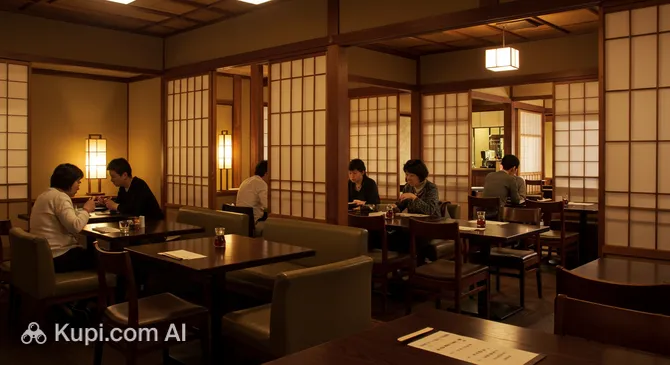
Kyoto's cuisine, known as Kyo-ryori, is considered the pinnacle of Japanese gastronomic art. It is famous for its refinement, seasonality, and emphasis on the natural flavor of ingredients. Be sure to try yudofu—delicate tofu cooked in broth—as well as yuba (soy milk skin) dishes. A special place is held by kaiseki haute cuisine, which turns a meal into a multi-hour ritual with aesthetically flawless presentation.
The city is the recognized capital of green tea, so matcha-based desserts can be found at every turn. You can immerse yourself in tea culture in a unique setting by visiting Ninenzaka Yasaka Chaya, located in a restored traditional Japanese house. For those looking for modern interpretations of meat dishes, a popular spot is Hikiniku to Come, known for its juicy hambagu steaks.
Hikiniku to Come. Illustration.
Source: Kupi.com AI
Traveller photos:
The gastronomic heart of the city beats at Nishiki Market, often called "Kyoto's Kitchen." Here you can sample street food, fresh seafood, and Kyoto's famous tsukemono pickles. In the evening, head to the Gion or Ponto-cho districts, where cozy izakayas serve local sake and traditional snacks, creating a unique atmosphere of old Japan.
Travel Tips
Traveling to Kyoto requires some preparation to ensure your encounter with the ancient capital is as comfortable and positive as possible. We have gathered several practical recommendations to help you navigate the nuances of local life.
Clothing and Essentials: Choose layered clothing, as the weather can change throughout the day. The most important thing is comfortable shoes that are easy to take off, as you will be asked to remove your shoes when entering most temples and ryokans.
Transport: The city has an extensive bus network, but they are often overcrowded during the tourist season. Try to combine bus routes with the subway and railway lines. For payment, it is most convenient to use rechargeable transport cards.
Finances: The official currency is the yen. Although cards are accepted in large shopping centers, Japan remains a cash-heavy country, especially in smaller temples and souvenir shops. It is best to withdraw cash from ATMs in 7-Eleven convenience stores.
Health and Safety: The city is exceptionally safe. Drugstores are easy to find by their bright signs; you can buy basic medications and hygiene products there. Tap water is safe to drink.
Communication: English is spoken in hotels and large museums, but knowing a few basic phrases in Japanese is highly appreciated. It's better to book a SIM card or a portable Wi-Fi router in advance and pick it up at the airport.
Local Etiquette: Be reserved in your behavior and maintain silence on temple grounds. Tipping is not practiced in Japan and may be perceived as a mistake or a breach of etiquette.
What to Avoid: Do not eat while walking—this is considered bad manners. It is also strictly forbidden to photograph geisha and maiko in historical districts without their explicit consent.
Early Starts: To enjoy the beauty of popular temples without the crowds, try to arrive for their opening, which is usually around 8:00 AM.
By following these simple tips, you can immerse yourself deeper into the unique atmosphere of the city and feel the true hospitality of its residents.
Entertainment & Nightlife
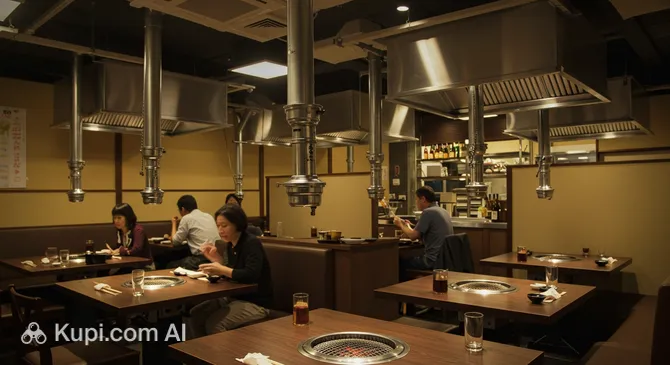
Nightlife in Kyoto is notably different from the neon frenzy of Tokyo—it is more intimate, atmospheric, and cultural. The epicenter of evening entertainment is the Shijo Kawaramachi area and the adjacent narrow Ponto-cho alley, which is lined with dozens of bars, izakayas, and restaurants overlooking the Kamo River. Here, the crowd enjoys craft beer or sake tastings in cozy spots like Kyoto Yakiniku Enen Shijo Kawaramachi.
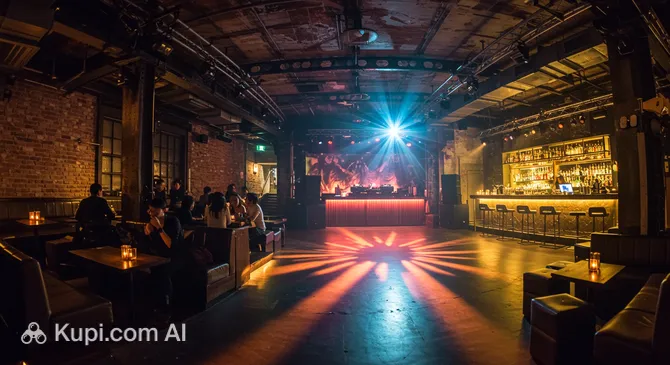
For fans of more energetic recreation, the city features dance floors and clubs. Kitsune Kyoto is a popular choice, frequently hosting famous DJs, while its stylish interior attracts both locals and tourists. Another notable venue is Pink Kyoto, which stands out for its vibrant conceptual design and energetic music program.
Kitsune Kyoto. Illustration.
Source: Kupi.com AI
Traveller photos:
In addition to the club scene, the city offers many cultural activities in the evening. In the Gion district, you can visit theaters featuring traditional performing arts, including maiko dances. Generally, nighttime walks through historic neighborhoods are perfectly safe, and taxis are easy to call via mobile apps or hail on the street, which is especially relevant after midnight when public transport stops running.
Parks & Museums
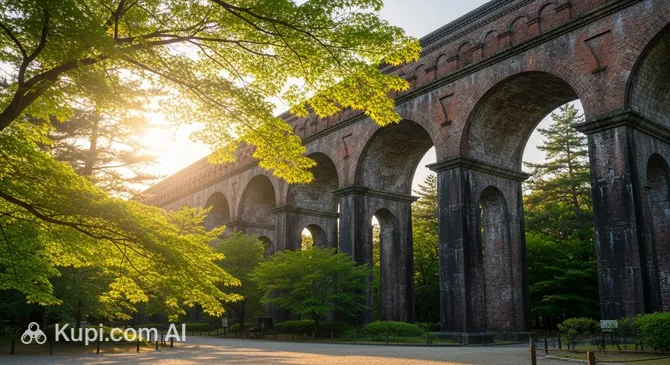
Kyoto is famous for its exquisite gardens, which are true masterpieces of landscape design. One of the most photogenic spots is the Nanzen-ji Aqueduct—an unusual Roman-style brick structure located on the grounds of an ancient Zen Buddhist temple. Walking along it allows you to enjoy the harmony between man-made architecture and the surrounding nature, which is particularly beautiful during the autumn leaf fall.
Nanzen-ji Aqueduct. Illustration.
Source: Kupi.com AI
Traveller photos:
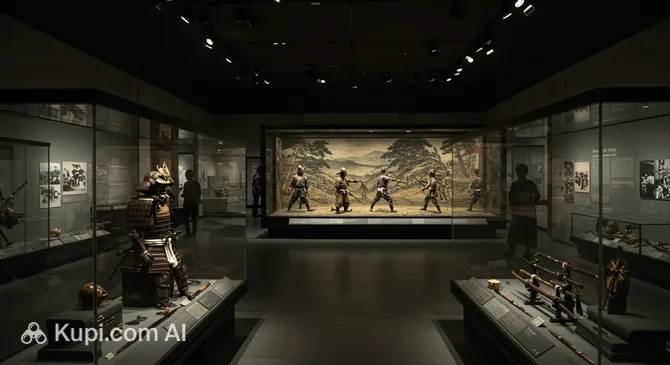
For those interested in the history of ancient warriors, the Samurai and Ninja Museum with Experience Kyoto is a must-visit. Here, you can not only see authentic armor and swords but also participate in interactive workshops, stepping into the role of a legendary protector. It is one of the most engaging ways to learn about Japan's military past in an accessible and interesting format.
Kyoto Samurai and Ninja Museum. Illustration.
Source: Kupi.com AI
Traveller photos:
Fans of unusual leisure and animals should check out Pug Cafe Living Room Kyoto, where you can relax in the company of friendly pugs. If you prefer traditional museums, the Kyoto National Museum offers a vast collection of art and crafts, allowing you to trace the development of Japanese aesthetics from ancient times to the present day.
Getting Around
The transport system in Kyoto has its own specifics that every traveler should know. Unlike other Japanese metropolises, the subway network here consists of only two lines, so the main burden of transportation falls on city buses. They cover almost all attractions; however, during peak hours and tourist seasons, they can be very crowded, and traffic on the narrow streets of the center sometimes slows down due to congestion.
For fare payment, it is most convenient to use contactless IC cards such as Icoca, Suica, or Pasmo. Tickets can also be purchased at station vending machines, but a card allows you to simply tap the validator. Kyoto buses operate on a flat fare for the central zone; you enter through the rear door and pay the driver when exiting through the front door.
In addition to buses and the subway, private railways and JR lines play an important role and are convenient for trips to outlying areas like Arashiyama or Fushimi. As an alternative, many tourists choose bicycles—there are many rental points in the city, but remember that you can only park them in designated parking areas. Taxis in Kyoto are easily accessible, but it is a relatively expensive way to get around, best reserved for short distances.
Accommodation
The choice of accommodation in Kyoto is immense: from ultra-modern skyscrapers to authentic ryokans—traditional inns with tatami mats and futons. If transportation logistics are your priority, it's best to book a hotel in the Kyoto Station area. This area is home to many mid-range chain hotels and budget hostels, and its proximity to trains and bus terminals will save you travel time.
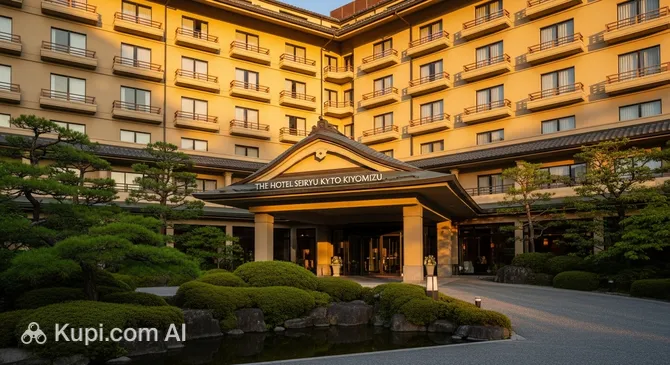
For those seeking luxury and a historical atmosphere, hotels in the Higashiyama district are ideal. A prime example of a premium stay is the Four Seasons Hotel Kyoto, offering guests impeccable service and views of ancient gardens. Another unique option is The Hotel Seiryu Kyoto Kiyomizu, located in a converted elementary school building, offering a stunning panorama of the city.
The Hotel Seiryu Kyoto Kiyomizu. Illustration.
Source: Kupi.com AI
Traveller photos:
Keep in mind that Kyoto is one of the most popular tourist destinations, so accommodation for the cherry blossom and autumn maple seasons should be booked six months in advance. During these periods, prices rise significantly, and vacancies in popular ryokans disappear instantly. For a more budget-friendly stay, consider residential areas in the city center that are well-connected to the main subway lines.
Nearby Cities
Kyoto serves as an ideal base for exploring the Kansai region, offering travelers many interesting destinations within a short train ride. Just minutes away is the city of Otsu, located on the shores of picturesque Lake Biwa—the country's largest freshwater lake—where you can enjoy boat trips and beautiful coastal views.
Another essential destination for a day trip is Uji, the recognized center of tea culture. It's worth coming here to visit the magnificent Byodo-in Temple and taste some of the world's best matcha green tea at local shops. For those interested in history off the beaten path, the cozy Muko is perfect, known for its tranquil bamboo paths and historical monuments.
Thanks to the extensive network of high-speed and suburban trains, it is also easy to reach energetic Osaka or ancient Nara, where deer roam freely through the parks. This variety allows you to discover new facets of Japanese culture every day, while always returning to the cozy atmosphere of the ancient capital by evening.
Shopping & Souvenirs
Shopping in Kyoto is a fascinating blend of modern shopping centers and tiny craft shops that are centuries old. The city's main shopping arteries run along Shijo and Kawaramachi streets, where major department stores and famous brand boutiques are located. Fans of stylish spaces and concept stores should visit Shinpukan—this complex, converted from an old post office building, combines fashion, design, and gastronomy.
Shinpuhkan. Illustration.
Source: Kupi.com AI
Traveller photos:
For those who appreciate aesthetic interiors and a curated selection of goods, Kyoto BAL is an excellent destination. This shopping center is known for its bookstores and premium home goods boutiques. If your goal is traditional products, there is no better place than Nishiki Market: here you can purchase unique ceramics, handmade Japanese knives, and exotic spices.
Kyoto BAL. Illustration.
Source: Kupi.com AI
Traveller photos:
Popular souvenirs from the city include silk products, fans, lacquerware, and, of course, high-quality matcha tea. Most shops are open from 10:00 AM to 8:00 PM, and major shopping centers offer a Tax Free system for international tourists, allowing you to receive a tax refund on-site upon presentation of your passport.