Support

Kashima Jingu Shrine

About

Kashima Jingu is one of the oldest and most revered Shinto shrines in all of Japan, located in the city of Kashima. This sacred place is dedicated to Takemikazuchi-no-mikoto, the patron deity of martial arts and protector of the country. Due to its rich history and deep spiritual significance, the shrine attracts pilgrims and tourists eager to touch the roots of Japanese culture.
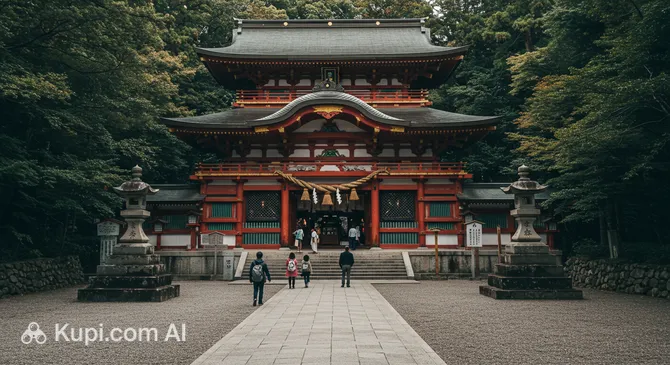
Kashima Jingu Shrine. Illustration.
Source: Kupi.com AI

Traveller photos:

The shrine grounds are impressive in their scale and beauty. The path to the main halls runs through a dense, centuries-old forest, creating a unique atmosphere of peace and solitude. The entrance to the shrine is marked by the stone Kashima-torii gate, and further on, visitors are greeted by the majestic, bright red romon gate, considered one of the largest in the country.

The shrine's architecture is a defining feature. The main buildings are constructed in the unique gongen-zukuri style, where the hall of worship and the main sanctuary are connected by a small room. A visit to Kashima Jingu is not just about sightseeing, but a true immersion into a world of ancient legends, natural harmony, and exquisite Japanese architecture.

Contacts

For the latest information on opening hours, special events, or visiting rules for the Kashima Jingu shrine, it is recommended to contact the tourist information centers in the city of Kashima. Major religious sites like this usually have official websites that are worth checking before your visit. Finding the shrine once you're there is easy, as it is one of the region's main landmarks.

How to contactContact
Address2306-1 Kyūchū, Kashima, Ibaraki 314-0031, Japan
Phone+81 299-82-1209
Websitekashimajingu.jp

What to Do

Visiting Kashima Jingu is an opportunity to immerse yourself in an atmosphere of tranquility and the ancient traditions of Japan. Guests can take a leisurely stroll through the picturesque grounds, admiring the well-kept paths and sacred groves. The main architectural treasures are the impressive romon gate and the shrine's main halls, richly decorated with masterful carvings and gold leaf. These structures are fine examples of traditional Japanese architecture that leave an unforgettable impression.

For a deeper insight into the local culture, try to catch one of the traditional Shinto ceremonies or festivals regularly held at the shrine. This is a unique chance to see ancient rituals with your own eyes. Nature lovers will appreciate the sacred pond where carp and turtles swim peacefully, and can observe the local flora and fauna in the surrounding forests. A walk through these areas brings a sense of harmony and peace.

The Kashima Jingu grounds have everything needed for a comfortable visit. Souvenir shops offer traditional luck charms and commemorative gifts, while small, cozy cafes provide a place to rest and try local cuisine. For those who want to learn more about the history of this iconic site and the intricacies of Shinto rites, informative guided tours are available. This is a wonderful way to make your trip to Kashima even more meaningful.

Getting There

Reaching Kashima Jingu is quite simple, as it is conveniently located near major transport hubs. The main landmark for travelers is the eponymous Kashima-Jingu railway station. From the station, the shrine entrance is just a 10-minute leisurely walk away. The path leads through the picturesque streets of Kashima, allowing you to soak in the local atmosphere even before reaching the main gates.

If you are coming from Tokyo, the journey takes about 2 hours. You can take JR trains with a transfer on the appropriate line, or catch one of the many buses departing from the capital of Japan. Additionally, Kashima can be reached by bus from neighboring cities in Ibaraki Prefecture, making the shrine accessible from various parts of the region.

For those who prefer traveling by private vehicle, parking spaces are available near Kashima Jingu. This is especially convenient if you plan to explore other nearby attractions or are traveling with family. Thanks to clear signage and good transport accessibility, the journey to this ancient temple will be hassle-free.

Nearest city: Kashima

History & Facts

Kashima Jingu is one of the oldest and most revered Shinto shrines in Japan. According to legend, its history dates back to 660 BC, the year the Japanese state was founded by the first Emperor Jimmu. The shrine is dedicated to the deity Takemikazuchi-no-mikoto, the god of thunder and swords, who is considered the patron of martial arts. Over the centuries, Kashima Jingu enjoyed the special patronage of the Imperial Court and the samurai class, underscoring its immense cultural and spiritual significance.

The shrine's historical importance is confirmed by its status. From 1871 to 1946, it was officially classified as a kanpei-taisha, the highest category of Imperial shrines. Although many ancient structures have not survived, the current architectural ensemble is stunning. The modern buildings, including the main hall (honden), the offering hall (haiden), and other structures, were erected in the early 17th century by order of Shogun Tokugawa Hidetada. They are exquisite examples of the gongen-zukuri style, characterized by intricate wood carvings and the lavish use of gold leaf.

One of the shrine's most remarkable features is its monumental romon gate, painted in a vibrant bright red. It is considered one of Japan's three largest gates of this type, along with those at Hakogi Jinja and Tsurugaoka Hachiman-gu. Strolling through the vast grounds surrounded by ancient forest, visitors can feel a connection to the centuries of history and traditions carefully preserved in this sacred place.

Time Needed

When planning a visit to Kashima Jingu, it is worth setting aside 1.5 to 3 hours. This will be enough time to enjoy the atmosphere of this ancient and significant site without rushing. During this time, you can explore the main pavilions, including the main hall (honden) and the offering hall (haiden), as well as pass through the majestic torii gates.

If your time is limited, a brief look at the main buildings will take about an hour. However, for a fuller experience, it is recommended to allow more time. Walking along the scenic forest paths to the sacred Mitarashi Pond, visiting the treasure house with ancient artifacts, and observing the sacred deer will require at least two hours. If you wish to participate in a ceremony or simply meditate in the silence of the ancient trees, feel free to plan for three hours or more.

Working Hours

Kashima Jingu is generally open to visitors year-round. The main grounds of the shrine complex are typically accessible from early morning until sunset, allowing guests to enjoy its peaceful atmosphere at different times of the day. It is important to note that exact opening hours may vary slightly depending on the season, as well as during special ceremonies and festivals.

For a standard visit to the shrine grounds, advance booking is usually not required. However, participation in special rituals or guided tours may require prior registration. To ensure your visit goes smoothly, it is highly recommended to check the current schedule on the shrine's official website or at local information centers before traveling to Kashima.

8:30 – 16:30

Nearby

A visit to such a significant landmark as Kashima Jingu is undoubtedly the highlight of any trip to Kashima. However, to get a complete sense of the place, it is worth exploring the surroundings as well. Often, the true spirit of the city is hidden in its unassuming streets, local eateries, and parks, which will enrich your experience.

A walk around the shrine is a great opportunity to discover something new, whether it's a cozy cafe with an authentic atmosphere or another interesting site. Below is a list of nearby places that may interest you.

NameDistance
Espresso D Works Kashima1.1 km
Kitaki1.8 km

Reached the bottom of the page?

Looks like you know this route inside out