Support

Hasedera Temple

About

Hasedera (長谷寺) is a famous Buddhist temple picturesquely located on a hillside in the city of Kamakurayama, Japan. Belonging to the Jodo sect of Buddhism, this temple attracts pilgrims and tourists from all over the world thanks to its peaceful atmosphere and cultural treasures. It is also known as Hase Kannon.
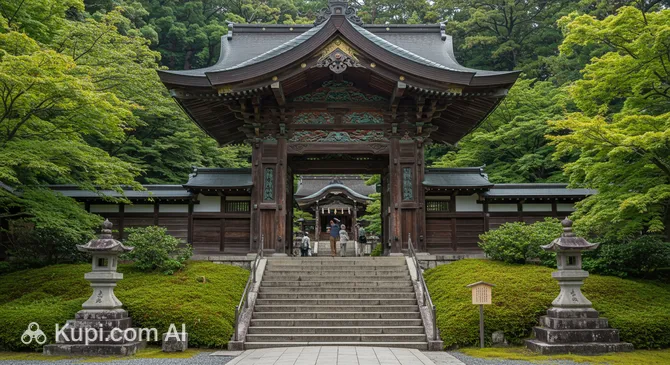
Hasedera Temple. Illustration.
Source: Kupi.com AI

Traveller photos:

The temple's main treasure is a majestic wooden statue of the eleven-headed goddess of mercy, Kannon. Standing over 9 meters tall, it is considered one of the largest wooden sculptures in Japan, and its craftsmanship leaves a lasting impression. According to legend, this statue was carved in the 8th century and then cast into the sea so that the goddess could choose the location for her temple, eventually washing ashore near Kamakura.

The grounds of the Hasedera temple complex are an attraction in themselves. It features a beautiful Japanese garden with ponds, designed to delight visitors with blooms in any season. A walk along the well-kept paths, past numerous deity figurines, gives a sense of peace and harmony. Additionally, the temple's observation decks offer stunning panoramic views of the coastal city and the Yuigahama and Zaimokuza beaches, making it an ideal place for contemplation and relaxation.

Contacts

To plan your visit to Hasedera Temple, find the current opening hours, ticket prices, or information about special events, you can use the official contact details. It is recommended to check the information on the official website before your trip.

How to contactContact
Address3-chōme-11-2 Hase, Kamakura, Kanagawa 248-0016, Japan
Phone+81 467-22-6300
Websitewww.hasedera.jp

What to Do

A visit to Hasedera Temple offers a variety of experiences combining spiritual contemplation and the enjoyment of nature. The main reason people come here is to see the famous statue of the eleven-headed goddess of mercy, Kannon. According to legend, it was carved from camphor wood as early as 721. Later, in 1342, it was covered in gold leaf, and in 1392, a halo of precious metal was added, giving it even greater majesty. In addition to this central shrine, the temple halls house many other Buddhist statues and cultural-historical artifacts, the study of which allows for a deeper dive into the history and art of Japan.

One of the most pleasant activities at Hasedera is a leisurely stroll through its magnificent Japanese garden. The garden is planned with great attention to detail, featuring picturesque ponds with bright koi carp, well-maintained paths, and stone compositions. Thanks to its thoughtful design, something is always in bloom in the garden, creating a peaceful atmosphere of harmony with nature in any season. It is an ideal place to take a break from the hustle and bustle and enjoy the silence and beauty of the surrounding landscape.

Finally, don't miss the chance to go up to the observation decks of the temple complex. Since Hasedera is located on a hillside, its upper levels offer breathtaking panoramic views of the coastal part of Kamakurayama, including the Yuigahama and Zaimokuza beaches. It is a wonderful spot to take memorable photos and simply admire the seascape. Thus, a visit to the temple offers not only an introduction to Buddhist culture but also the aesthetic pleasure of contemplating natural beauty.

Getting There

Getting to Hasedera Temple is quite simple, as it is conveniently located in the city of Kamakurayama. The main way to get here is by public transport. You will need to take a train on the scenic Enoden Line, which connects Kamakura and Fujisawa. Your destination is Hase Station (Hase-eki), located in the immediate vicinity of the temple.

From Hase Station to the temple itself, it is a short and pleasant walk. The route takes only about 5–10 minutes and leads through charming streets filled with the atmosphere of old Japan. Along the way, you will find many small shops and cafes, so the walk itself is enjoyable and helps set a contemplative mood before visiting the sanctuary.

When planning your route, it is worth noting that on the way to Hasedera Temple, you can also visit another iconic landmark—the statue of the Great Buddha (Daibutsu) at Kotoku-in Temple. It is located a bit further down the same street leading toward the mountains. Many tourists combine a visit to these two great shrines into one trip, which is very convenient and allows for a rich experience in this part of Kamakurayama.

Nearest city: Kamakurayama

History & Facts

The history of Hasedera Temple is shrouded in a beautiful legend dating back to the 8th century. According to tradition, in 721, a Buddhist monk named Tokudo discovered a huge camphor tree in the mountains near the ancient capital of Nara. He carved two statues of the goddess Kannon from its trunk. The smaller one remained in a local temple, while the monk cast the larger one into the sea, believing that the goddess would choose the site for her future home and the waves would carry the image to a shore she favored.

The statue's journey was long and full of mysterious events. After drifting more than 500 kilometers, it was spotted by people who tried to install it on land. However, as the legend goes, everyone who touched the statue fell ill. This was seen as a sign that the goddess Kannon had not yet reached her destination, and the statue was returned to the water. It was not until 736 that the waves finally washed it ashore near Kamakurayama, pointing to the sacred site where the temple was founded.

Over the centuries, the temple has been held in high esteem. During the Edo period (1603–1868), the Tokugawa shogunate patronized Hasedera, making it one of the favorite temples of the ruling dynasty due to its popularity among the people. Even earlier, in 1342, by order of Shogun Ashikaga Takauji, the statue was covered in gold leaf, and in 1392, a radiant halo of precious metal was added. These events highlight the immense cultural and spiritual significance that Hasedera Temple maintains in the history of Japan.

Time Needed

For a standard introduction to Hasedera Temple, 1 to 2 hours will be sufficient for most visitors. During this time, you can leisurely explore the main sanctuary with its majestic statue of the goddess Kannon, walk through the lower garden with its scenic ponds, and head up to the observation deck to enjoy panoramic views of the city and the ocean. This is enough time to get a general impression of the beauty and atmosphere of the place.

However, if you want to dive deeper into the details and explore every corner of the complex, you should plan for more time. True connoisseurs of Japanese gardens, photographers, or those who prefer a slower pace may need up to half a day. The extra time will allow you to study the exhibits in the small Kannon Museum, explore the mysterious Benten-kutsu cave with its numerous figurines, and find all the hidden Jizo deity statues throughout the grounds. This is especially relevant during the hydrangea season (usually in June), when the temple garden attracts many visitors, and walking the dedicated trail may take longer due to queues.

Working Hours

Hasedera Temple is open to visitors year-round, but opening hours may vary slightly depending on the season. Generally, from March to September, the temple is open from 8:00 to 17:00. During the autumn-winter period, from October to February, the hours are shortened, and the temple is open from 8:00 to 16:30. At certain times, such as from April to June, opening hours may be extended until 17:30. Entry to the grounds usually stops 30 minutes before closing.

Special ticket booking for individual visits is not usually required; you can purchase them on-site. However, if you are planning a visit during a particularly popular time, such as the hydrangea season in June, or as part of a large group, it is worth checking the conditions in advance. To avoid misunderstandings and to get the most up-to-date information on opening hours, special events, or temporary schedule changes, it is highly recommended to check the temple's official website before your trip.

8:00 – 17:00

Nearby

Visiting Hasedera Temple is a wonderful opportunity to experience the spiritual and cultural life of Japan, but you shouldn't stop there. The city of Kamakurayama is a true treasure trove of history, where ancient shrines and picturesque corners can be found at every turn. Exploring the temple's surroundings will allow you to immerse yourself deeper in the atmosphere of the ancient capital and make your trip more rewarding and memorable.

The area around Hasedera is particularly rich in iconic sites, many of which are within walking distance. This allows for a fascinating full-day itinerary, moving seamlessly from one great sanctuary to another. Below is a list of nearby attractions with their distance from Hasedera Temple to help you plan your walk.

Reached the bottom of the page?

Looks like you know this route inside out