Support

Suwa Taisha Kamisha Maemiya

About

Suwa Taisha Kamisha Maemiya is one of the four shrines that make up the ancient and revered Shinto complex of Suwa Taisha. Located in Nagano Prefecture, in the picturesque city of Chino on the southern shore of Lake Suwa, this shrine is part of the Upper Shrines (Kamisha) and is an important site of pilgrimage and cultural heritage in Japan.
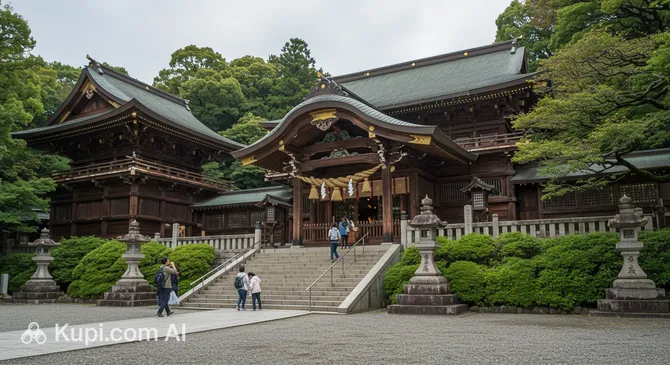
Suwa Taisha Kamisha Maemiya. Illustration.
Source: Kupi.com AI

Traveller photos:

A distinctive feature of Maemiya that sets it apart from the other shrines in the Suwa Taisha complex is the presence of a main sanctuary building known as a honden. This pavilion houses the shintai—a sacred object considered the dwelling place of the deity's spirit (kami). The three other shrines in the complex feature only worship halls, called haiden or heihaiden, which underscores the unique role of Maemiya.

The entire Suwa Taisha complex, including Kamisha Maemiya, is among the so-called "country-creating shrines" (kuniduzukuri-jinja), alongside iconic sites like the Ise and Izumo shrines. One of the most famous traditions associated with Suwa Taisha is the Onbashira Festival. During this grand event, held every six years, massive logs of hewn tree trunks—which play a vital ritual role in the life of the shrine—are replaced. A visit to Suwa Taisha Kamisha Maemiya offers a chance to experience the deep spiritual traditions and unique culture of Japan.

Contacts

To find up-to-date information regarding opening hours and contact methods for the Suwa Taisha Kamisha Maemiya shrine complex, we recommend checking the official tourism resources for the city of Chino or specialized Japanese travel portals. Generally, such shrines can be reached by public transport or taxi from central areas of the city.

How to contactContact
Address2030 Miyagawa, Chino, Nagano 391-0013, Japan
Phone+81 266-72-1606
Websitesuwataisha.or.jp

What to Do

Visiting Suwa Taisha Kamisha Maemiya provides a unique opportunity to immerse yourself in the atmosphere of ancient Shinto beliefs tied to nature worship, which have been carefully preserved here for many centuries. Tourists can closely examine the distinctive architecture of the Shinto shrine, including its main sanctuary—the honden. It is within the honden that the shintai is kept—a sacred object worshipped by believers.

Guests of the shrine can not only observe but also participate in traditional Shinto rituals. Here, you can pray, address the deities, and leave offerings following local customs. Of particular interest is visiting Suwa Taisha Kamisha Maemiya during the famous Onbashira festival. This grand event, held once every six years, involves the replacement of ritual pillars and is a rare opportunity to see ancient traditions that are still alive in modern Japan.

In addition to the spiritual experience and introduction to cultural traditions, the shrine offers picturesque views of Lake Suwa, which will be a wonderful addition to your visit. For a more complete understanding of this unique religious complex, it is also recommended to visit its other parts: Honmiya, located on the same southern shore, as well as Harumiya and Akimiya on the northern shore.

Getting There

The Suwa Taisha Kamisha Maemiya shrine is located in the city of Chino, Nagano Prefecture, on the southern shore of scenic Lake Suwa. To get here from major Japanese metropolises like Tokyo or Nagoya, the first step is to travel to the city of Matsumoto. From there, your journey continues south toward the shores of Lake Suwa, where this ancient shrine is situated.

Several options are available for traveling from Matsumoto to Chino. The most convenient choices are trains or buses, which run regularly between these cities. If you prefer more freedom of movement and plan to explore not only Kamisha Maemiya but also other shrines in the Suwa Taisha complex, consider renting a car. This will allow you to easily move around the area and visit all four shrines scattered along the lake's shores.

It is important to note that Suwa Taisha Kamisha Maemiya is part of a larger complex known as Suwa Taisha, which includes four main shrines. Maemiya and Honmiya, known as the Upper Shrines (Kamisha), are located on the southern shore of Lake Suwa. On the northern shore are Harumiya and Akimiya—the Lower Shrines (Shimosha). Therefore, if you are planning a full pilgrimage or simply want to see all the sites, be sure to set aside enough time for travel between the southern and northern shores.

Nearest city: Chino

History & Facts

Suwa Taisha Kamisha Maemiya, located in the city of Chino, is part of the ancient and revered Suwa Taisha shrine complex in Japan. Its history dates back to antiquity: the shrine is believed to have been founded as early as the 6th century, making it one of the country's oldest Shinto shrines. The first written mentions of it appear in the historical chronicles known as the Nihon Shoki. These records state that as early as 690 AD, during the fifth year of Empress Jito's reign, an official envoy was sent to the shrine, testifying to its significance from the earliest times.

During the Middle Ages, Suwa Taisha played a key role in the spiritual life of the region, serving as the main shrine, or ichi-no-miya, of Shinano Province. Historical documents from that era also refer to it as Minakatami-jinja. Additionally, the shrine was included in the Engishiki—an important set of laws and regulations from the Heian period (794–1185)—highlighting its official status and state-level recognition.

The shrine's history is marked by several important changes in status, particularly in the modern era. A milestone event occurred in 1872: the Kamisha (Upper Shrine, which includes Maemiya) and Shimosha (Lower Shrine) were combined into the unified Suwa Taisha complex. At that time, it was granted the status of kokuhei-chusha, or a mid-ranking national shrine. In the following decades, its importance continued to grow: in 1896, it was promoted to kanpei-chusha (mid-ranking imperial shrine), and in 1916, Suwa Taisha achieved the highest rank among state-supported shrines—kanpei-taisha, or a major imperial shrine. This high status was maintained until the post-WWII religious system reforms.

Time Needed

To fully enjoy a visit to the Suwa Taisha Kamisha Maemiya shrine in the city of Chino, you should allocate approximately 1–2 hours. This is typically enough time for a leisurely tour of the main structures, examining the architectural details, and soaking in the peaceful atmosphere of this significant site.

During this time, you can walk through the shrine grounds, see the main hall and other buildings, and experience the spirit of one of Japan's oldest and most important shrines. If you plan a deeper study of the site's history, participation in any rituals (if available to visitors), or simply want to spend more time in meditative contemplation, your stay may be somewhat longer.

Keep in mind that visiting the shrine is not just about looking at buildings, but also an opportunity to connect with Japanese culture and spirituality. Therefore, when planning your visit, leave enough time so you don't have to rush and can get the most out of this unique location.

Working Hours

Exact information regarding the opening hours of the Suwa Taisha Kamisha Maemiya shrine in the city of Chino may vary, so it is highly recommended to check the current schedule on the attraction's official website or at local tourist information centers before visiting. Generally, many Shinto shrines in Japan are open to the public during daylight hours, but hours may change depending on the season or special ceremonies.

It is also worth finding out in advance if pre-booking or ticket purchases are required, especially if you plan to attend any special events or visit the inner areas of the complex. Confirming this information will help you plan your visit and avoid any potential inconvenience.

9:00 – 16:30

Nearby

Visiting such a significant landmark as Suwa Taisha Kamisha Maemiya is a highlight in itself. However, to make your trip to Chino even more fulfilling and memorable, it is worth taking the time to explore the surroundings. Often, it is the smaller, lesser-known nearby spots that hold a unique atmosphere and allow for a deeper immersion into the region's culture.

Near Suwa Taisha Kamisha Maemiya, you will also find interesting sites to complement your experience. Whether it's other cultural monuments, scenic nature spots, or cozy local eateries, exploring them will provide a more complete picture of the city of Chino and its diversity. Below is a list of some of these locations, along with their distances.

NameDistance
Horo Museum0.9 km
Italian Kitchen Suwa1.3 km
Yakiniku En-musubi1.8 km

Reached the bottom of the page?

Looks like you know this route inside out