Guinea is a stunning corner of West Africa, often referred to as the "water tower" of the region due to the abundance of rivers that originate here. The country boasts a diverse array of landscapes, from lush tropical forests along the Atlantic coast to the picturesque highlands of the Fouta Djallon plateau. This destination is ideal for travelers seeking to discover authentic Africa with its unique culture and untouched nature.
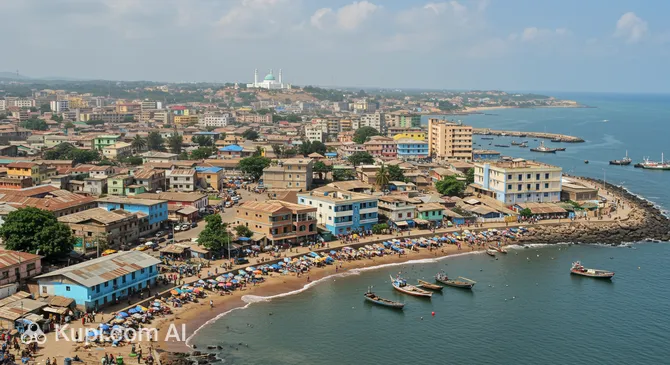
The heart of the country is the dynamic city of Conakry, located on the Kaloum Peninsula and the Loos Islands. The capital is a vibrant kaleidoscope of markets, port bustle, and colonial architecture. Here, life is in full swing, and the ocean breeze softens the tropical heat.
Illustration.
Source: Kupi.com AI
Beyond the capital, cities such as Kindia, famous for its waterfalls and textiles, and the high-altitude Dalaba, often compared to European resorts for its mild climate and pine forests, are well worth a visit. Guinea invites those who are ready to trade standard tourist gloss for sincere hospitality and the majesty of the wild.
Currency
The national currency of the country is the Guinean franc (international designation — GNF). Banknotes of various denominations are in circulation, often featuring symbols of national progress, portraits of famous figures, or traditional patterns. Coins are extremely rare, as their value is negligible due to inflation. Guinea remains a country where cash is the primary means of payment.
It is recommended to exchange currency (preferably US dollars or Euros) at official bank branches or licensed exchange offices in major cities. Credit cards are accepted only in a very limited number of places: major hotels in Conakry and international airline offices. When planning a trip outside the capital, be sure to carry a sufficient supply of cash in francs, as ATMs may be unavailable.
Visa Requirements
To visit Guinea, most foreign nationals, including tourists from the CIS, Europe, and America, require an entry visa. The process usually involves applying for an electronic visa (e-visa) through the official government portal or contacting the nearest Guinean embassy. For the application, you will need a standard set of documents: a passport valid for at least six months, proof of accommodation booking, and return tickets.
In addition to a passport, a mandatory requirement for entry is an international certificate of vaccination against yellow fever—this may be checked by border control officers. Before your trip, we strongly recommend checking the latest visa requirements and medical recommendations on official government websites, as rules may change based on the current international situation.
We'll let you know if you need a visa
Enter your destination or
Your nationality
Destination
Timezones
The territory of Guinea is located entirely within a single time zone. The country operates on Greenwich Mean Time — GMT (UTC+0). This simplifies itinerary planning, as you won't need to adjust your watch when traveling from coastal areas further inland.
It is important to remember that Guinea does not observe daylight saving time. This should be taken into account when calculating the time difference with your home region if seasonal clock changes are practiced there. A stable time schedule allows tourists to easily navigate transport schedules and the operating hours of government institutions.
Getting There
The primary way for international travelers to reach Guinea is by air. The country's main aviation hub is Conakry Airport, which receives flights from major cities in Europe and Africa. Direct connections are often available from Paris, Brussels, and Casablanca, as well as via convenient transfers in regional centers like Dakar or Addis Ababa.
Overland travel is possible through neighboring countries, but it is less popular with tourists due to road conditions and the duration of the journeys. International buses run between Guinea and its neighbors, but this option is better suited for experienced travelers. If you are planning a trip on a cruise ship, it is worth noting that the port of the capital, Conakry, is sometimes included in West African itineraries.
It is recommended to book flights in advance, especially if your trip coincides with the winter holidays or major festivals when demand for flights to the region increases. Also, remember the need to obtain a visa and check current entry requirements before purchasing your tickets.
Guinea offers travelers an amazing choice of destinations, from ocean shores to cool mountain peaks. The main center of attraction remains Conakry—the bustling capital where the colonial past meets the energetic rhythm of modern Africa. It is a city of ports, markets, and beautiful views of the Loos Islands.
Illustration.
Source: Kupi.com AI
For those seeking cultural immersion, the city of Kankan is of interest, serving as an important historical center for the Malinke people. If you are drawn to nature and cooler temperatures, head to Labé or Dalaba—these cities in the Fouta Djallon region are famous for their misty hills and magnificent waterfalls. The industrial and port city of Kamsar on the coast shows another side of the country, linked to its natural resources.
Equally charming is Kindia, nestled among banana plantations and mountains. Each of these cities reveals Guinea from a new perspective, whether for a business trip, historical exploration, or eco-tourism.
Top Attractions
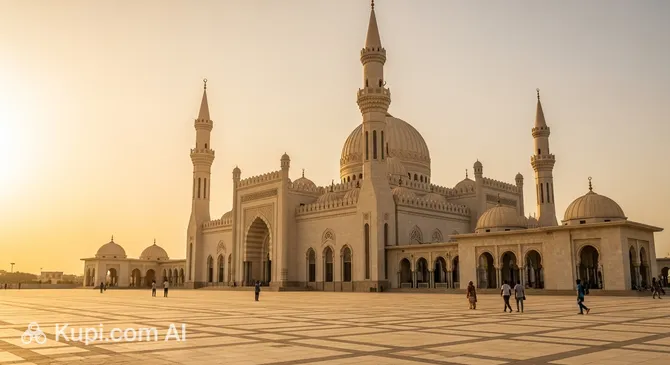
One of the most majestic landmarks of the capital is the Conakry Grand Mosque. This grand structure with four tall minarets is considered one of the largest mosques in West Africa. Its architecture is impressive in scale, and its interior reflects the country's deep religious traditions.
Illustration.
Source: Kupi.com AI
Traveller photos:
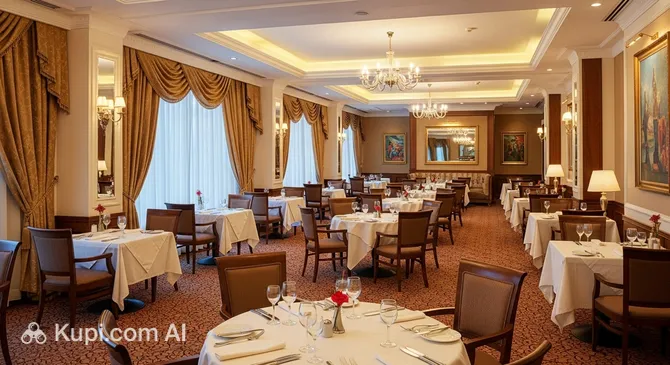
For a comfortable stay in the city center, many travelers choose the Riviera Royal Hotel. This location is known not only as a luxury hotel but also as a center of social life, offering guests beautiful garden views and a high level of service, making it an oasis of tranquility in bustling Conakry.
Illustration.
Source: Kupi.com AI
Traveller photos:
In addition to architectural sites, Guinea is famous for its natural treasures. One must mention the Fouta Djallon highland plateau with its cascading waterfalls and the Nzérékoré region, home to unique forest reserves. These places attract nature lovers from all over the world who wish to see rare animals and enjoy pristine silence.
Best Time to Visit
When planning a trip to Guinea, it is important to consider the pronounced seasonality of the tropical climate. The country follows the rhythm of two main periods: the dry season and the rainy season. The peak tourist season falls between November and March. During this time, the weather is most comfortable for exploring Conakry and hiking in the Fouta Djallon mountains—the sky remains clear, and humidity levels drop.
The low season begins in May and lasts until October. This is the monsoon period, when heavy rains hit the coast. The advantage of this period is the incredibly lush and green landscapes, as well as the full-flowing waterfalls that the Kindia region is famous for. However, be prepared for rural roads becoming difficult to navigate and some tourist routes being restricted.
For fans of cultural events, the end of the holy month of Ramadan or major religious holidays are interesting times to visit, as cities fill with music and traditional dances. In any case, due to significant climate differences between the ocean coast and the inland highlands, it is recommended to check the local forecast for each region of your itinerary.
Traditions
The culture of Guinea is steeped in a spirit of community and deep respect for tradition. Greetings play a key role here: they can last several minutes and always include inquiries about family health and affairs. Skipping a greeting is considered highly impolite. In communication, it is important to show respect to elders, and it is customary to remove your shoes when entering someone's home.
Hospitality is a point of pride for every Guinean. If you are invited to a meal, remember that food is often served from a communal plate, and by tradition, it is customary to use the right hand. Guinea is a predominantly Muslim country, so when visiting mosques or traditional villages, you should choose modest clothing that covers your shoulders and knees. A conservative style is also appreciated in public places.
Major holidays, such as Eid al-Fitr, are celebrated on a grand scale: people wear their best outfits made of vibrant national fabrics, visit each other, and share treats. Be mindful when photographing local residents or official sites—it is always best to ask for permission first to show respect for personal space and local rules.
Entertainment
Entertainment in Guinea is closely linked to its natural wealth and cultural heritage. For fans of outdoor activities, the main draw is the Fouta Djallon highlands, where hiking and trekking to picturesque waterfalls and canyons are popular. On the coast, near Conakry, the Loos Islands offer opportunities for beach relaxation and boat trips.
The cultural program includes visiting vibrant local markets, where you can not only witness the daily life of Guineans but also purchase unique handicrafts: wood carvings, traditional fabrics, and jewelry. Music holds a special place in the country's life—Guinea is famous for its virtuoso masters of the djembe drum and kora, whose performances can be heard at festivals and in small cafes.
Nightlife is concentrated in the capital, which features restaurants with live music and bars offering local and French cuisine. Be sure to try traditional rice and cassava dishes. For family leisure, walks through botanical gardens or trips to the waterfalls near Kindia, where nature appears in all its glory, are ideal.
Currency rates
Planning a trip? That's wonderful! To avoid any financial surprises during your travels, it's important to remember that currency exchange rates are constantly changing. We therefore strongly advise monitoring the latest rates, both before you depart and throughout your stay. You can use the data below for this purpose; we monitor exchange rates 24/7 to provide the most current information available.