Support

Harbor Quarter – Ancient Agora of Kos

About

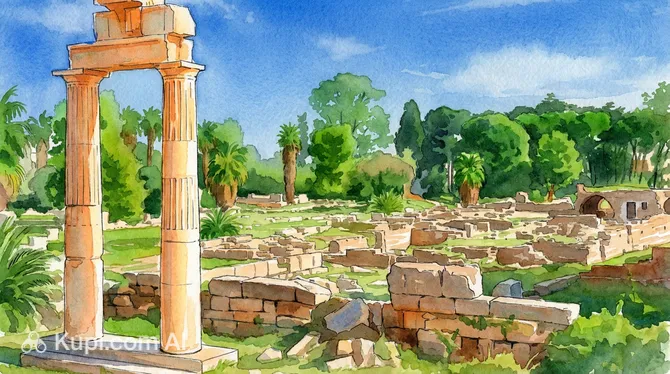
The Harbour and Ancient Agora of Kos is a majestic open-air archaeological complex located in the heart of the town of Kos on the island of the same name in Greece. In ancient times, this site served as the center of commercial and social life, being one of the largest market squares in the ancient world. Today, the ruins of the agora represent a unique museum quarter where the shadows of a great past come to life amidst modern streets.
\n\n
Harbor Quarter – Ancient Agora of Kos. Illustration.
Source: Kupi.com AI

Traveler photos:

\n\n

Walking through the complex, visitors can see the remains of ancient temples dedicated to Aphrodite and Hercules, fragments of monumental colonnades, and the ruins of residential houses with surviving decorative elements. A special charm is added to this place by the intertwining of eras: ancient stones sit side-by-side with medieval fortifications and Ottoman-period monuments, creating the unique architectural ensemble of the Old Town.

\n\n

The Agora occupies a strategic position near the city port, making it an ideal starting point for exploring the island's history. Thanks to its high rating among travelers and its open atmosphere, this site has become a must-see on the itinerary of any tourist wishing to touch the origins of European civilization and enjoy authentic Greek flavor.

Contacts

When planning a visit to such a significant historical site as the Harbour and Ancient Agora of Kos, we recommend checking contact information in advance. Although the ruins are in an open-access area, verifying current details will help you better plan your route through the city.

\n\n

We suggest checking for any changes to operating hours or ongoing restoration work immediately before your visit to ensure your trip across the island of Kos in Greece is as comfortable and productive as possible.

How to contactContact
AddressКос 853 00, Греция
Phone+30 2241 365200

What to Do

Within the Ancient Agora, visitors can immerse themselves in the atmosphere of antiquity. Here, you can take a leisurely stroll along ancient paved streets, observing the outlines of former market stalls and grand public buildings. It is an ideal spot for those who appreciate the aesthetic of ruins: fragments of porticos and free-standing columns against the bright sky and sea horizon create wonderful opportunities for artistic photography.

\n\n

One of the main highlights of a visit is seeing how antiquity coexists with the modern rhythm of the city. After exploring the archaeological zone, it is worth walking toward the port to watch the incoming yachts or venturing into the narrow alleys of the Old Town, where cozy tavernas are located. Here, you can sample traditional Greek dishes while enjoying views of the illuminated agora ruins, which look particularly mysterious in the evening.

\n\n

To complete the experience, it is recommended to pair a visit to the agora with a trip to the Archaeological Museum located nearby. There, you can see the mosaics and statues that once adorned these very streets. This combination of an open-air walk and a look at museum exhibits allows you to most fully reconstruct in your imagination the appearance of the prosperous ancient polis that Kos was thousands of years ago.

Getting There

The Harbour and Ancient Agora of Kos are located in the very heart of the island's administrative center, in close proximity to the port and the bustling Eleftherias Square. Thanks to its central location, the archaeological zone is easily accessible on foot from most hotels in Kos town—a walk from the main embankments or shopping districts takes no more than 5–10 minutes.

\n\n

For those arriving from Kos International Airport, the journey by taxi or regular bus takes about 15–20 minutes. If you are traveling by rental car, there are several parking zones around the Old Town, although finding a free space can be challenging during peak season.

\n\n

Many tourists prefer to get around the city by bicycle or scooter, which are extremely popular on the island. The Ancient Agora fits perfectly into a walking route: it is just a 5-minute walk from Neratzia Castle and 10 minutes from the famous Plane Tree of Hippocrates, making the logistics of sightseeing simple and pleasant.

Nearest city: Kos

History & Facts

The history of the Ancient Agora of Kos began back in the 4th century BC when it was established as the city's primary market and public square. During the Hellenistic era and the period of Roman rule, this place was the center of urban life: it was not only a place for trade but also for important assemblies, religious festivals, and deciding the fate of the polis. Today, the foundations of luxurious villas, remnants of temples, and fragments of massive colonnades serve as reminders of its former greatness.

\n\n

Archaeological excavations, which began in the first half of the 20th century, revealed a wealth of artifacts to the world, testifying to the prosperity of the island of Kos. Unique mosaics and ancient sculptures found within the agora now form the pride of the local Archaeological Museum's collection. Every stone slab and column fragment here holds the memory of a time when the city was a vital economic hub of the Dodecanese.

\n\n

Interestingly, the architectural character of the area was formed over centuries, layering one era upon another. Beside the ancient ruins, one can see traces of the presence of the Knights Hospitaller and monuments from the Ottoman period, such as the Defterdar Mosque. This proximity makes the agora not just a monument of antiquity, but a living chronicle of the multifaceted history of Greece.

Time Needed

To leisurely explore the ruins of the Ancient Agora and soak in the atmosphere of the ancient city, 45 minutes to one hour is usually sufficient. This is enough time to walk along the main paths of the complex, examine the surviving building foundations, and take commemorative photos against the backdrop of the majestic columns.

\n\n

If you decide to combine the visit with a stroll through the entire Harbour area, a visit to nearby museums, and a break at one of the local cafes, you should set aside about 2–3 hours for this route. The total duration of the visit largely depends on your interest in the details of ancient architecture and your desire to study the information boards placed throughout the complex.

Working Hours

The Ancient Agora of Kos is open to visitors most of the week, offering guests the chance to connect with history from early morning until evening. The standard operating hours for the complex are 08:00 to 20:00. Please note that the official closing day is Tuesday, when access to the main territory of the complex may be restricted.

\n\n

Since a significant portion of the ruins is integrated into the urban environment and visible from the surrounding streets, the atmosphere of the ancient city can be felt at any time of day. However, it is during the official working hours that tourists have the opportunity to study the information plaques in detail and walk through all the paths of the archaeological zone.

DayWorking hours
Monday08:00–20:00
TuesdayЗакрыто
Wednesday08:00–20:00
Thursday08:00–20:00
Friday08:00–20:00
Saturday08:00–20:00
Sunday08:00–20:00

Nearby

Exploring the surroundings of the Ancient Agora allows visitors to the town of Kos to fully experience the historical layers of this region. Objects from vastly different eras are located just a few steps away from the ancient ruins, making a walk through the center incredibly rich and educational.

\n\n

Be sure to visit the Archaeological Museum of Kos, which houses the most valuable finds discovered on the grounds of the agora, and pay a visit to the legendary Plane Tree of Hippocrates. The proximity of the colorful Municipal Market and the cozy tavernas of the Old Town allows you to perfectly complement your cultural program with gastronomic experiences and local souvenir shopping.

NameDistance
Archaeological Museum of Kos0.1 km
Kos Municipal Market0.1 km
Kos Old Town0.2 km
Hippocrates Plane Tree0.2 km
Camel Bar0.2 km
Global0.2 km
'I Love Kos' Sign0.2 km

Reached the end of the page?

That means the route is fully explored