Support

Gitega

About

Gitega is not just the second-largest city, but also the official political capital of Burundi since 2019. Located in the heart of the country on a high plateau at an altitude of about 1,845 meters above sea level, it embodies a living connection between eras. Here, modern administrative status harmoniously blends with deep respect for the ancient traditions of the African kingdom.

\n

The city's high-altitude geographical position provides it with a temperate and pleasant climate, free from exhausting tropical heat. With a population of about 135,000, Gitega maintains the atmosphere of a cozy and quiet city where life flows at a measured pace.
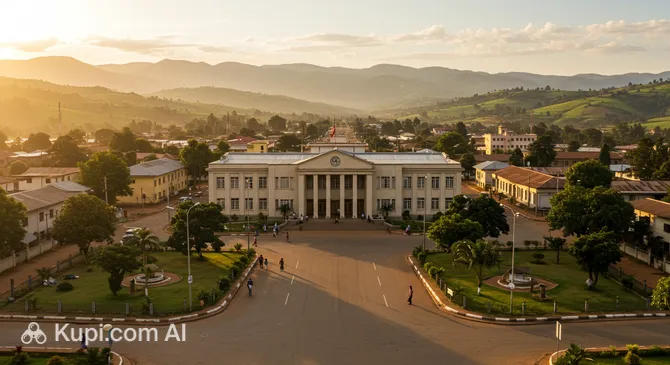
Gitega. Illustration.
Source: Kupi.com AI
The city was founded in 1912 by German authorities, but its rich history is rooted in the era of the great rulers—the Mwami—whose residence these lands served for centuries.

\n

Gitega attracts tourists primarily as a cultural hub. It is home to essential national institutions, including the National Museum, and hosts sacred drum ceremonies, which are recognized as a World Heritage site. A walk through the city's hilly streets allows you to feel the authentic spirit of East Africa, far from the hustle and bustle of seaside metropolises.

\n

We invite you to discover Gitega—a city where every hill holds a legend, and the hospitality of the locals will make your journey unforgettable. It is the perfect place for those who want to understand the true soul of Burundi, explore its ethnography, and enjoy the views of endless plateaus.

Weather Overview

Thanks to its location on a high plateau, Gitega delights travelers with a mild and comfortable equatorial climate. There is no exhausting heat typical of the lowlands, and the average annual temperature remains stable at around 19–20°C. A typical day in the capital consists of pleasant warmth with highs up to 24–26°C and refreshing coolness at night.

\n

The city has clearly defined rainy seasons, which fall between October and December and from March to May. During this time, rainfall is heavy but often takes the form of short-lived downpours, after which the sun comes out again. The driest and sunniest period is from June to August, making this time ideal for walking and excursions. Detailed weather in Gitega by month will help you choose the best time for your visit.

\n

In general, the city's climate is favorable for visiting at any time of year. Even in the rainy months, Gitega's nature is transformed, becoming emerald green, and the air is incredibly clean and fresh. We recommend always having a light windbreaker for the evening hours and sunscreen, as UV rays are more active at high altitudes.

Average monthly temperature

Average monthly precipitation

Interesting Facts

    \n
  • Traditional Residence: Long before colonization and its official status as the capital, Gitega was a sacred site and the permanent residence of the Kings of Burundi (Mwami), maintaining this status until the mid-1960s.

  • \n
  • Religious Center: In 1959, by decree of Pope John XXIII, the Archdiocese of Gitega was established here, making the city an important stronghold of Catholicism in East Africa.

  • \n
  • Giant Ceramics: Local potters are known throughout the region for their ability to make vessels of incredible sizes, which are used not only for grain storage but also as decorative elements in interiors worldwide.

  • \n
  • Educational Hub: Gitega is considered a "student city" due to the high concentration of prestigious lyceums and higher education institutions compared to other cities in the country.

  • \n
  • Mineral Wealth: One of the world's largest nickel deposits is located in the immediate vicinity of the city, making the region strategically significant for the regional economy.

  • \n

How to Get There

Gitega occupies a central position in the country's transport system, making it an important hub for travelers exploring the interior. The city is connected by a network of roads to major economic centers, and it can be reached both by air and by land. More detailed ways to get there will help you better plan your route.

\n

Air service is provided through Gitega Airport (IATA: GID), located within the city limits. It mainly serves domestic flights and administrative travel. Most international tourists arrive in the economic capital, Bujumbura, and then take a short flight or transfer to a car to reach the central plateau.

\n
AirportPassenger trafficDistance
Bujumbura International Airport229 33368 km
Kamembe22 547156 km
Kigali International Airport1.2 mln164 km
Kigoma Airport35 000164 km
Goma Airport280 739209 km
\n

Land transport is the most popular way to travel. A high-quality highway leads from Bujumbura to Gitega, passing through scenic mountain passes. The trip of about 100 km usually takes 2–3 hours by regular bus or taxi. Buses depart regularly, offering a budget-friendly and colorful way to move between cities.

\n

As for rail service, there is currently no active passenger railway in Gitega, as in all of Burundi. Projects to build tracks that will link the city with neighboring countries (Tanzania and Rwanda) are under discussion, so tourists should rely exclusively on aviation and road transport.

\n

Main Attractions

One of the city's key attractions is the Royal Palace (Ibwami). This building, designed in a modern style with elegant elements of traditional architecture, serves as a powerful symbol of the country's historical heritage. The palace is a reminder of the times when Gitega was the residence of kings and allows visitors to touch Burundi's aristocratic past.

\n

Right nearby is the National Museum of Burundi, a must-visit for all ethnography enthusiasts. Its halls house an impressive collection of royal drums—sacred objects symbolizing the power and unity of the nation. Additionally, it features rare archival photographs, household items, and archaeological finds that detail the region's development from antiquity to the present day.

\n

For those who want to immerse themselves in the city's daily life, the Pottery Market will be a true discovery. Gitega is famous for its Hutu artisans, who handcraft enormous clay vessels, sometimes reaching human height. These unique products are not only exported but are also an important part of local life, and watching the creation process is a fascinating sight.

\n

Equally interesting is the central livestock market, where you can see traditional forms of trade and experience the flavor of an African commercial hub. The noisy bargaining, vibrant clothing, and special atmosphere make this an excellent spot for observing the city's authentic life. Gitega offers travelers a rare combination of ceremonial history and living craft traditions.

Local Cuisine

The gastronomic character of Gitega is formed around the traditional products of the central plateau: beans, various types of bananas, corn, and cassava. The basis of the local diet consists of hearty and aromatic sauces. Be sure to try ubukukwa—a thick red bean dish often served with fried bananas or sumbuza (small stuffed pastries).

\n

Meat dishes in the city are primarily represented by roasted goat or beef, prepared over coals with local spices. Fish brought from Lake Tanganyika is also popular in Gitega. The taste of the dishes is simple and natural, without excessive spiciness, allowing you to fully enjoy the quality of farm products grown in the province's fertile soil.

\n

The drink culture in the region is represented by the famous sorghum beer and the local brand amasita. For lovers of non-alcoholic options, the city offers fresh juices and, of course, magnificent Burundian coffee, which is famous for its deep aroma and is considered one of the best in East Africa. The best places to eat are small hotel cafes and colorful eateries near the city markets, where you can try food that tastes "just like home."

Travel Tips

Preparing for a trip to Gitega requires attention to detail, but these tips will help you feel confident in the heart of Burundi.

\n
    \n
  1. Clothing and Essentials: Choose light clothing made of natural fabrics for daytime walks, but be sure to bring a warm sweater or windbreaker, as evenings can be cool at an altitude of 1,800 meters. For visiting museums and the palace, a modest dress code is recommended: covered shoulders and knees.
  2. \n
  3. Transport: The best way to get around the city is by moto-taxi. They are maneuverable and inexpensive. For intercity travel, use official bus companies departing from the central bus station.
  4. \n
  5. Finances: Cards are rarely accepted, so always have a sufficient supply of cash Burundian francs. It is better to exchange currency in Bujumbura or at Gitega banks immediately upon arrival. Tips in cafes are welcome but left to your discretion.
  6. \n
  7. Health: Drink only bottled water. There are pharmacies in the central part of the city, but it is better to bring specific medications with you. Don't forget insect repellent, even despite the high altitude.
  8. \n
  9. Communication: The main languages are Kirundi and French. English is only understood in large hotels. Learn a few phrases in Kirundi: "Amahoro" (peace/hello) will ensure the warmest smile from your interlocutor.
  10. \n
  11. Local Etiquette: Burundians are very polite. It is customary to shake hands when greeting. Before taking a photo of a local resident, be sure to ask for permission.
  12. \n
  13. What to Avoid: You should not discuss sensitive social or political topics. Also, refrain from smoking in public places and showing overly intense emotions in official institutions.
  14. \n
  15. Additional Tip: Try to catch a drummers' performance—it is the most powerful cultural impression Gitega can offer.
  16. \n
\n

Following these simple rules will make your visit to Gitega comfortable and allow you to fully immerse yourself in the atmosphere of this amazing city.

Entertainment & Nightlife

Entertainment in Gitega is primarily cultural and educational. The main event for tourists is often attending traditional performances by master drummers. These rhythmic shows, deeply rooted in the kingdom's history, are held in open areas or at the base of palace complexes, turning the evening into a magical experience.

\n

Daytime leisure focuses on walking through the picturesque hills surrounding the city and visiting local markets. The Pottery Market offers not only shopping but also the opportunity to observe the craftsmen, which is a great educational experience in itself. For those who prefer a quiet rest, city cafes in the central part offer a cozy atmosphere for tasting local coffee in the open air.

\n

Nightlife in Gitega is quite quiet and steady, typical for an administrative center. After sunset, most activity moves to the restaurants and bars of major hotels, where you can spend the evening in conversation. There are almost no loud clubs here, but the safety and tranquility of the streets invite leisurely evening strolls. Travelers are advised to plan restaurant visits in advance, as many establishments close quite early.

Parks & Museums

The city's main cultural treasure is the National Museum of Burundi, opened in 1955. This museum is recognized as one of the best in the region due to its exceptional ethnographic collection. Visitors can see unique exhibits: from ancient musical instruments and sacred drums to traditional tools and royal regalia. The museum is housed in a historic building whose architecture is itself of interest to researchers.

\n

Although there are few city parks in the classical sense in Gitega, the vast territories of the Royal Palace complexes and the hilly surroundings serve as green zones. A walk through the palace grounds allows you to enjoy manicured landscapes and silence, broken only by birdsong. It is a great place for those seeking solitude and wanting to soak in the atmosphere of the monarchy's past grandeur.

\n

For nature lovers, Gitega offers natural "parks"—the hills and plateaus surrounding the city. Climbing one of the elevations, you can appreciate the full beauty of the Burundian landscape with its terraced farming and endless green distances. These areas are ideal for light trekking and discovering the ecosystem of the central part of the country, where the flora and fauna have retained their pristine appearance.

Getting Around

The transport system in Gitega reflects the city's compact and functional nature. The main form of public transport here is microbuses and minivans, which locals call motorri. They connect the central market with the outskirts and neighboring settlements. Routes usually do not have strict schedules, and transport departs as it fills up, which gives trips a special local flavor.

\n

Due to the city's area being only about 22 km², many interesting places are within walking distance. For faster movement around the city, tourists often use moto-taxis and bicycle rickshaws. This is the fastest and most affordable way to get to your destination, especially during peak hours. You should always agree on the price of the trip in advance, as meters are not provided in these types of transport.

\n

Fare payment is made exclusively in cash in Burundian francs. Travelers are advised to carry small bills, as drivers often have trouble with change. For trips to other major cities, such as Bujumbura, comfortable intercity buses are used, with terminals located in the center. Despite the informality of the system, transport in Gitega works quite efficiently, allowing you to easily explore the capital and its surroundings.

Accommodation

Accommodation options in Gitega are mainly represented by middle-class hotels, cozy guest houses, and budget hostels. There are practically no luxury five-star hotels from international chains here; however, local hotels offer a decent level of comfort, complemented by sincere African hospitality and a homely feel.

\n

The most convenient area to stay is the city center, especially the blocks located within walking distance of the National Museum and administrative buildings. Hotels here are often chosen for their safety and proximity to major cultural sites. Establishments on the outskirts, located on hilltops offering stunning panoramic views of the Gitega plateau, are also popular.

\n

When planning a trip, it's worth noting that during public holidays or cultural festivals, accommodation may be booked in advance by official delegations. We recommend booking a room several weeks before arrival through local travel agencies or available online services. In most Gitega hotels, payment is made in local francs, and cards are accepted only in the largest establishments, so having cash is essential.

Nearby Cities

Thanks to its location in the very heart of the country, Gitega is an ideal base for exploring provincial life. The city's surroundings hide many small settlements, each with its own unique character, allowing you to see the real Burundi as it is.

\n

Just 38 kilometers away is Muramvya—a historically significant city that was also a royal capital and is famous for its sacred groves. To the east, you can head to Ruyigi to learn about the lifestyle of the eastern regions, or visit Karuzi, surrounded by vast agricultural lands. Lovers of panoramic views will be interested in visiting Isale or Rutana, where the landscape becomes even more mountainous.

\n
CityPopulationDistance
Ruyigi7 13936 km
Muramvya5 45838 km
Karuzi10 70544 km
Isale50 km
Rutana5 86556 km
\n

Exploring these directions will allow you to appreciate the diversity of the plateau's nature and the hospitality of the locals. Trips to neighboring cities usually do not take much time and are easily made using local transport, turning every outing into an exciting mini-journey.

Shopping & Souvenirs

Shopping in Gitega is, first and foremost, a journey for authentic handmade products. The city does not abound with modern shopping centers featuring global brands, but it offers something much more valuable: unique goods that cannot be found elsewhere. The main attraction for tourists is the famous Pottery Market, where Hutu craftsmen sell their legendary clay bowls and vases.

\n

For those looking for souvenirs, it's worth paying attention to leather goods and traditional kitenge fabrics with bright African prints, which are sold at the central market. Additionally, Gitega is a great place to buy high-quality Burundian coffee beans and local honey collected on the surrounding plateaus. These products make excellent gifts that convey the taste and aroma of the country.

\n

Shops in the city center are usually open from early morning until sunset, with a short break in the middle of the day. It is important to remember that cash in local francs (BIF) is the predominant payment method in Gitega, and card terminals are very rare. Bargaining in markets is not only possible but necessary: it is part of the local culture of communication, which allows you to not only save money but also strike up a friendly conversation with the seller.

Nearby cities

Reached the end of the page?

That means the route is fully explored