Support

Stone chapel

About

Tucked away amidst the picturesque landscapes of Bahia is the Stone Chapel — a small but wonderfully atmospheric religious landmark. Located in the city of Itapetinga, this site draws the eye with its simple architecture and construction material that is unusual for these parts. It is a place where the history and traditions of Brazil are harmoniously intertwined with the natural beauty of the region.
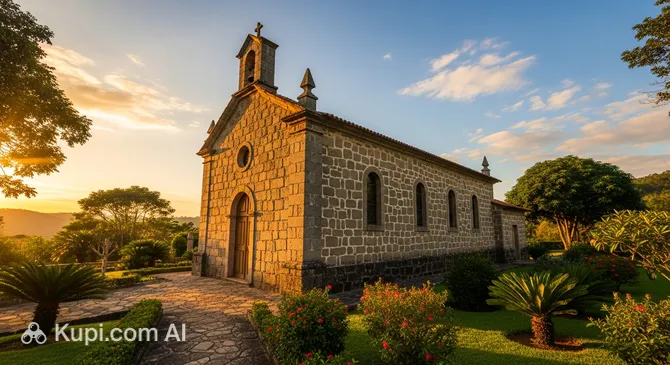
Stone Chapel. Illustration.
Source: Kupi.com AI

Traveler photos:

The chapel is an example of local rural architecture, built from rough stone. With a high trust rating among travelers, it is a significant cultural site reflecting the spiritual life of the community. It is not just a building, but a symbol of resilience and faith, etched into the landscape of the Catolé River basin.

For visitors, the Stone Chapel is primarily a place of peace. Despite its modest size, it stands out against the backdrop of the farmland and pastures for which this region is famous. Here, you can feel the true spirit of the Brazilian heartland, far from the bustling metropolises.

Contacts

For those planning a visit to the Stone Chapel, it is helpful to have the exact coordinates of the site. The attraction is located within the city limits and is easily accessible for tourists.

How to contactContact
AddressItapetinga, Итапетинга - Баия, 45700-000, Бразилия

What to Do

A visit to this place sets a contemplative mood. First and foremost, it is worth paying attention to the architectural details of the building itself: the stonework creates a unique visual rhythm that looks especially striking in the rays of the setting sun. This is an ideal location for photography enthusiasts looking to capture authentic corners of Bahia.

Silence reigns around the chapel, broken only by the sounds of nature, making it a wonderful spot for meditation and a brief escape from the city bustle. Many tourists combine their visit with walks in the surrounding area, admiring the panoramas of the river basin and the typical fazendas of the region. If you are lucky enough to be here during local religious festivals, you can witness the vibrant cultural traditions of the people of Itapetinga.

Getting There

There are several ways to reach this secluded spot. The city of Itapetinga is located in the southwestern part of Bahia and has well-established road links. If you are traveling from afar, it is most convenient to first fly into the airport in Vitória da Conquista, which is about 100 kilometers away, and then use a transfer or rent a car.

From the center of Itapetinga, the easiest way to reach the chapel is by taxi or local public transport. The roads in this part of the region are kept in good condition, as the city serves as an important commercial hub. For precise navigation, it is recommended to use GPS coordinates, which will lead you directly to the stone walls of the building in the 45700-000 zip code area.

Nearest city: Itapetinga

History & Facts

The history of this site is inextricably linked to the development of the state of Bahia. The name Itapetinga itself translates from the Tupi language as "broken stone" or "stone that rings," highlighting the unique geological features of the region. The city began to take shape around 1912, when the first settlers arrived, such as Bernardino Francisco de Souza and the city's founder, Augusto de Carvalho.

The Stone Chapel is considered an important symbol of faith for the early farmers and residents of the region. Originally, the settlement was named Itatinga ("white stone"), but it was later renamed. In 1952, Itapetinga gained administrative independence; by that time, the chapel was already part of the locals' cultural code, reflecting the traditions of natural stone architecture characteristic of the first half of the 20th century.

Today, this site serves as a reminder of the times when the city was becoming the "livestock capital" of southwestern Bahia. Building with stone was not only a practical solution but also symbolized the strength and longevity of the community that settled on the fertile lands by the Catolé River.

Time Needed

A visit to this attraction won't take much time, making it an excellent stop on a weekend itinerary. Usually, 30–60 minutes is enough for tourists to leisurely inspect the building, study the texture of the stone, and take memorable photos against the backdrop of the picturesque landscape.

If you plan to combine a visit to the chapel with a walk through the city itself or a tour of nearby farms and pastures, it is worth setting aside about 2 hours for the trip. This will allow you to enjoy the peaceful atmosphere without rushing.

Working Hours

Currently, there is no strict operating schedule for the site, as it is a small religious structure. The chapel is most often accessible for external viewing during daylight hours.

Before your trip, it is recommended to check for information on the region's official tourism portals or ask local residents to find out if interior access is available on the day of your visit.

Nearby

After visiting the chapel, it is worth spending some time exploring the surrounding area to better experience the local flavor and hospitality of Bahia. There are many establishments nearby where you can relax and try traditional regional dishes.

NameDistance
Acarajé da Lagoa3.1 km
Pit Stop do Espeto3.2 km
Nono Restaurante3.7 km
Matinha Zoo Park4.8 km

Reached the end of the page?

That means the route is fully explored