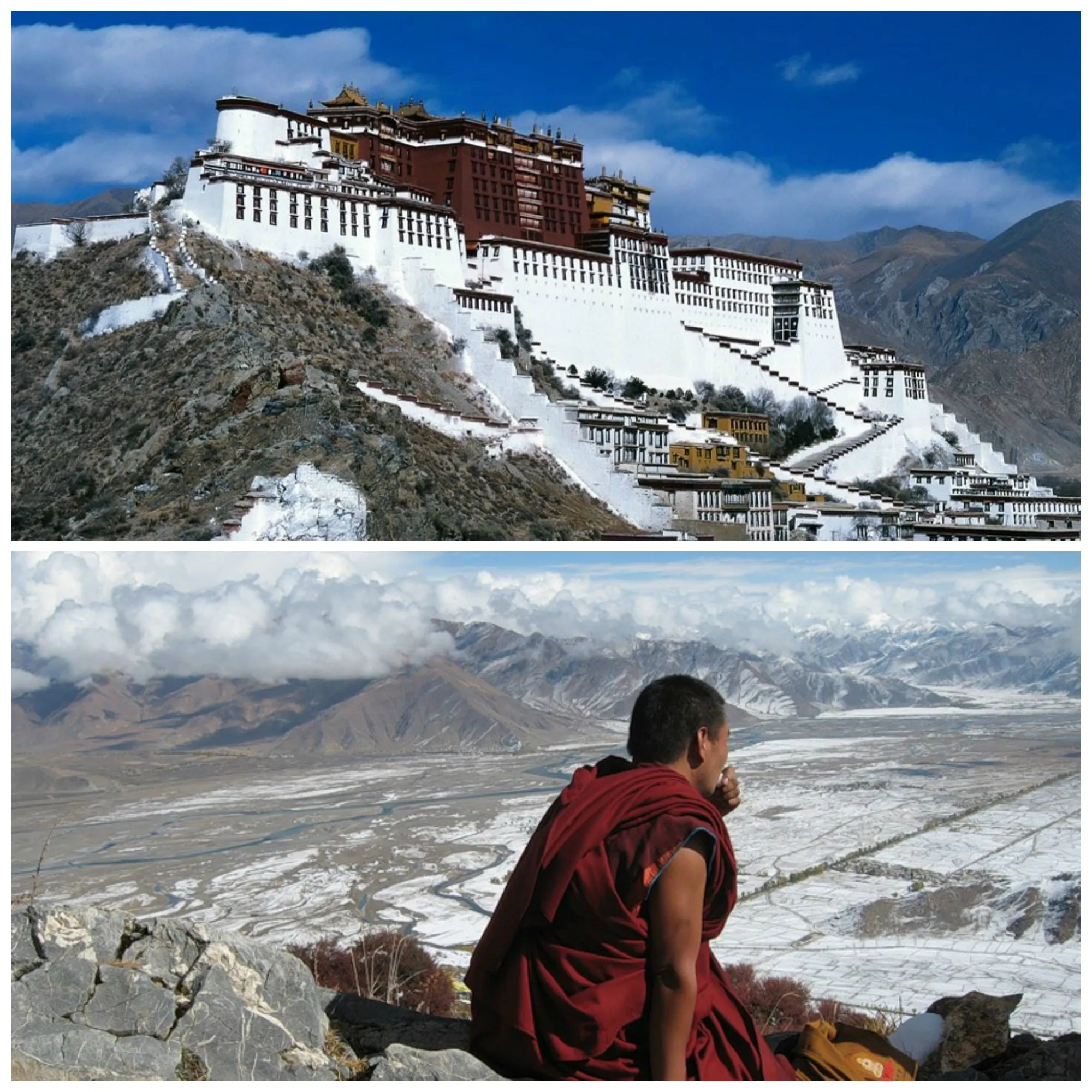
Why traveling in the second half of January is the most profitable
 Polina
In late January, most people return to their offices, fall into a mild winter melancholy, and postpone thoughts of vacation until at least May. And it is at this moment that “travel hackers” – experienced tourists who know the industry’s main secret – emerge: the second half of January is the “golden time” for travel. This is a period when prices drop, crowds disappear, and service improves.
If you have the opportunity to take a vacation after January 15-20, you’ve hit the jackpot. We’ve broken down why it’s so profitable and where to go to get the most impressions for the least money.
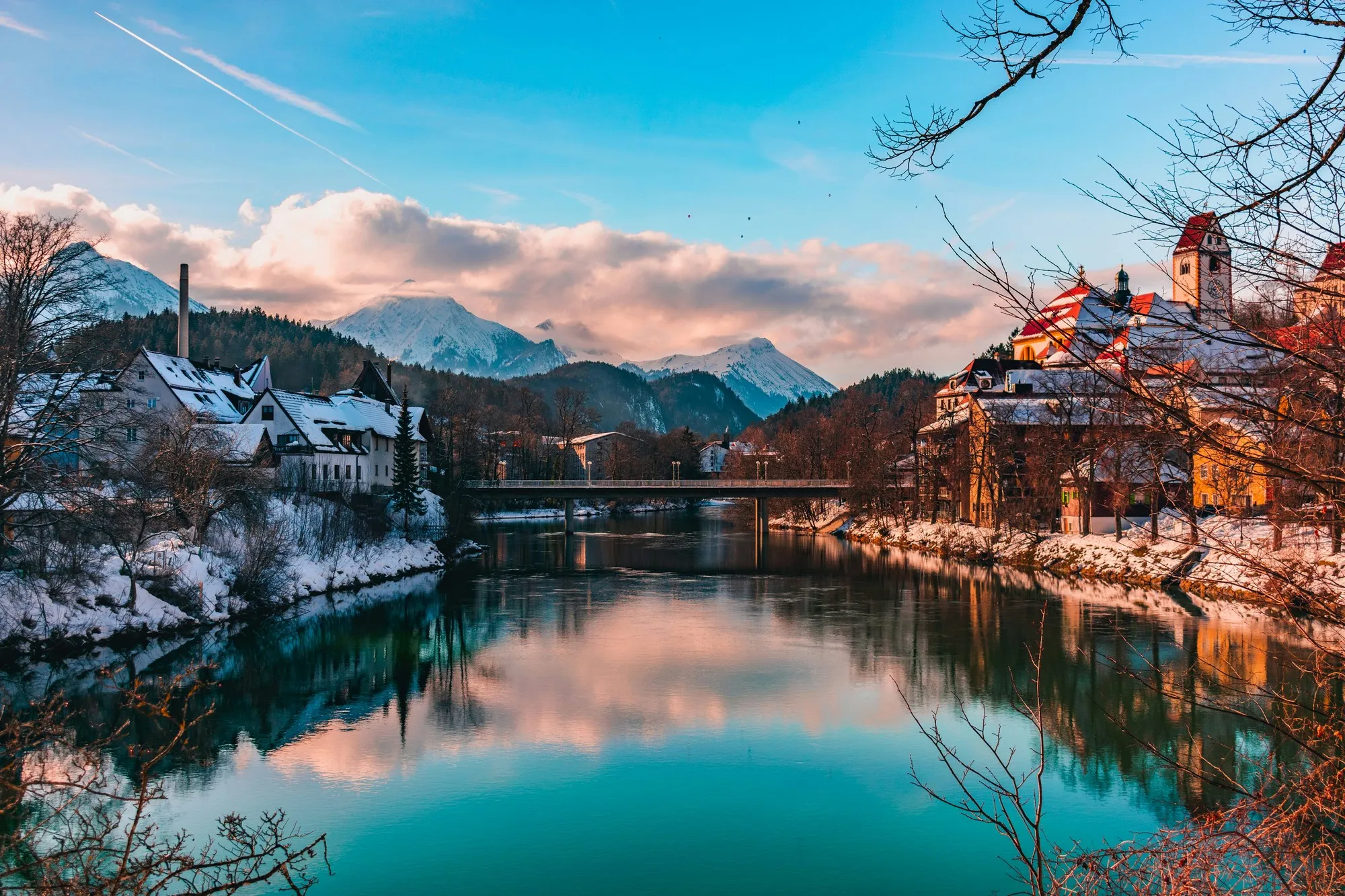
Reason №1: The tourism market’s “hangover”
The economics of tourism operate under strict laws of supply and demand. The period from December 25 to January 10 is the peak, the “high season,” when prices skyrocket simply because millions of people want to fly at the same time.
But as soon as the official holidays in Russia and Europe end, demand sharply plummets. Planes continue to fly on schedule, hotels remain in place, but the number of people wanting to fill them decreases significantly. To avoid operating at a loss and flying empty, airlines and hoteliers are forced to lower prices.
The difference in ticket prices for the same departure date (e.g., January 2 and January 22) can reach 30–50%. This is the best time to buy tickets to Dubai on Kupi.com or Bangkok at a price that seemed fantastic on New Year’s Eve.
Reason №2: Hotels fight for every guest
In the second half of January, hotels (especially in resort areas) face a sharp outflow of guests. For tourists, this opens up several advantages at once:
- Reduced base rate. A room that cost 20,000 rubles during the holidays might now cost 10,000.
- Free upgrades. When a hotel is half-empty, reception managers are much more willing to upgrade room categories for free. You booked a “standard” with a garden view, but you get a “deluxe” with a sea view simply because it’s available.
- Staff attention. Waiters, housekeepers, and guides, tired from the New Year rush, finally get a breather. Service becomes more personalized and relaxed.
Reason №3: Absence of crowds
For many, this is even more important than saving money. Traveling in the second half of January is a chance to see popular attractions as they should be: majestic and peaceful.
- No queues in museums.
- No need to reserve a sun lounger at 7 AM on the beaches.
- Popular restaurants always have free tables.
- Photos are taken without hundreds of strangers in the background.

Where to go in the second half of January?
We have selected places where the combination of “weather – price – quality” becomes ideal at the end of January.
UAE: Dubai and Abu Dhabi
January in the Emirates is an ideal “Russian spring.” There is no exhausting heat (+23...+25°C), you can walk a lot and go on excursions. But the main thing is the Dubai Shopping Festival. Traditionally, in January, Dubai hosts a grand shopping festival with huge discounts, prize draws, and shows.
- Benefit: tour prices drop after January 15, and mall discounts reach 70%.
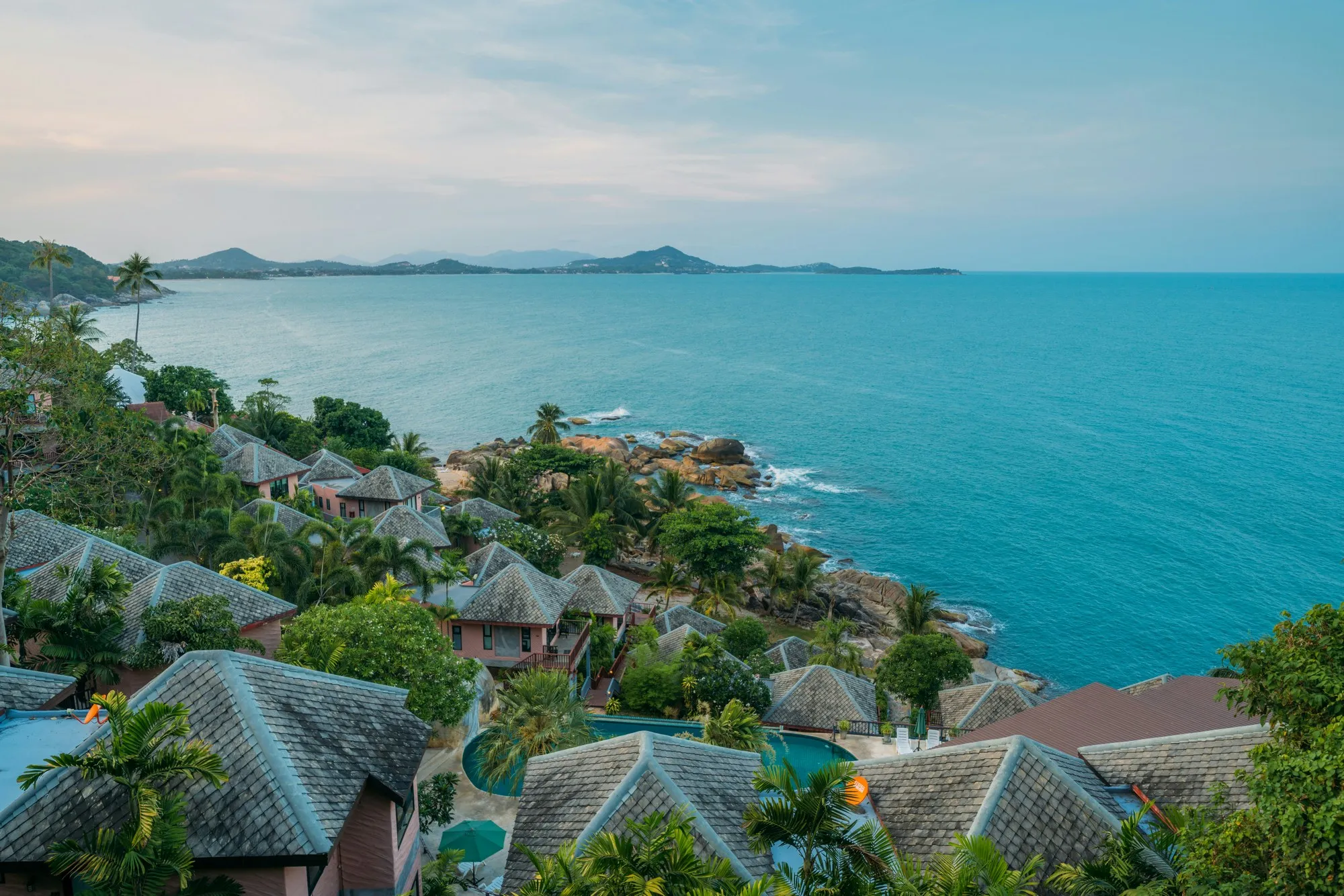
Thailand: Phuket and Samui
In Thailand, January is the peak of the high season in terms of weather (dry, sunny, calm sea). But the main flow of tourists has subsided after the holidays. Flight prices become reasonable. This is a great chance to buy tickets to Phuket on Kupi.com and enjoy the perfect climate without overpaying for the New Year rush.
Ski resorts: Sochi and Turkey
For skiers, the second half of January is the “Holy Grail.”
- Snow: there is already a guaranteed lot of it (unlike December), the base is formed.
- Slopes: they are free. No 20-minute queues for lifts.
- Price: ski passes and accommodation in Krasnaya Polyana or Turkish Erciyes become cheaper immediately after the end of school holidays.
Turkey: Istanbul
Winter Istanbul can be windy, but it is incredibly atmospheric. This is a time for gastronomic tourism, museum visits, and shopping. In January, seasonal clothing sales begin in Turkey. You can update your wardrobe with quality brands for pennies. If you live in the north, tickets Saint Petersburg – Istanbul during this period often cost less than a weekend trip to a neighboring region.
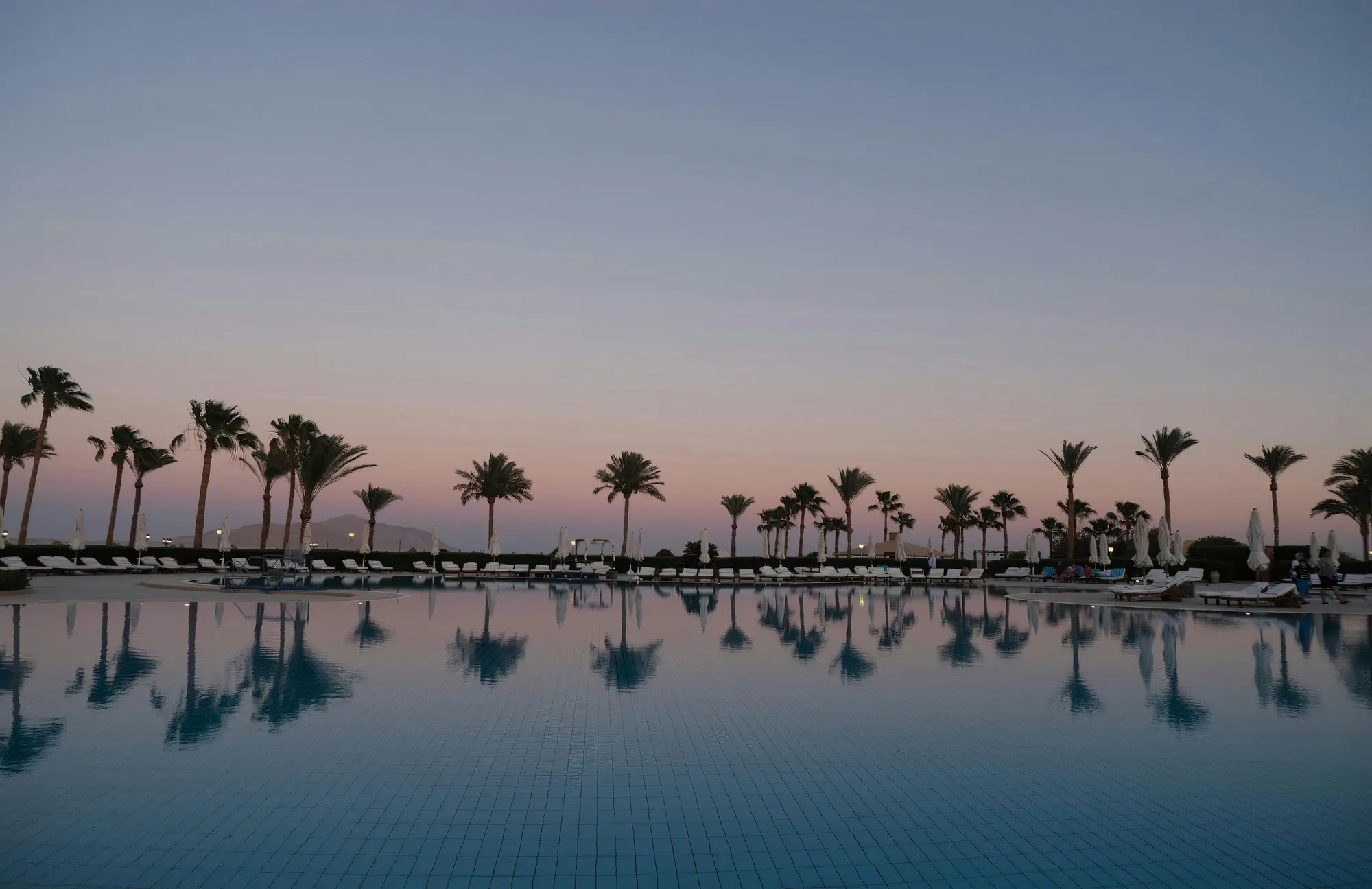
Egypt: Sharm El Sheikh
For those who want an “all-inclusive” experience as budget-friendly as possible. In January, Egypt can be windy, but in the sheltered bays of Sharm, it is quite comfortable to sunbathe and swim. The price for 5* hotels at the end of January reaches its annual minimum.
How to catch the best price
To maximize your savings, follow these simple tips:
- Avoid weekends. Try to fly on a Tuesday or Wednesday. Mid-week is traditionally the cheapest time for flights, and in January, this effect is amplified.
- Watch out for Chinese New Year. This is the only factor that can drive up prices in Asia in late January or early February. The holiday dates are floating (in 2026, it will be February 17, so January is safe). During this period, millions of Chinese tourists travel around the region, and prices in Thailand, Vietnam, and Malaysia may increase.
- Buy “last minute” or in advance. For the second half of January, the rule of last-minute tours often applies (3–5 days before departure), as tour operators need to fill seat blocks on planes. Alternatively, book 2–3 months in advance – this guarantees a low price for regular flights.
Traveling in the second half of January is a choice for pragmatists and hedonists. It’s an opportunity to get the same (or better) service as during New Year’s, but for half the cost. It’s quiet beaches, empty slopes in the mountains, and the joy of outsmarting the system.
So, if you have a couple of weeks of vacation left, don’t save them until summer. Pack your bags now. Winter is no reason to stay home, especially when the world offers such discounts.