Which Belgrade District is Best to Stay In
 Polina
Belgrade is a city with incredible charisma, but a very complex geography of moods. It can be noisy and smoky, or quiet and aristocratic. It can look like concrete jungles from fantasy films or a cozy Austro-Hungarian town with tiled roofs.
Choosing a district here determines not just the travel time to attractions, but how you will see this city. A mistake with the location can spoil the impression, making you think that Belgrade is solid concrete or, conversely, an endless noise of bars.
We have compiled a guide to the main districts of the Serbian capital so you can choose the one that suits your travel style.
Stari Grad (Old Town)
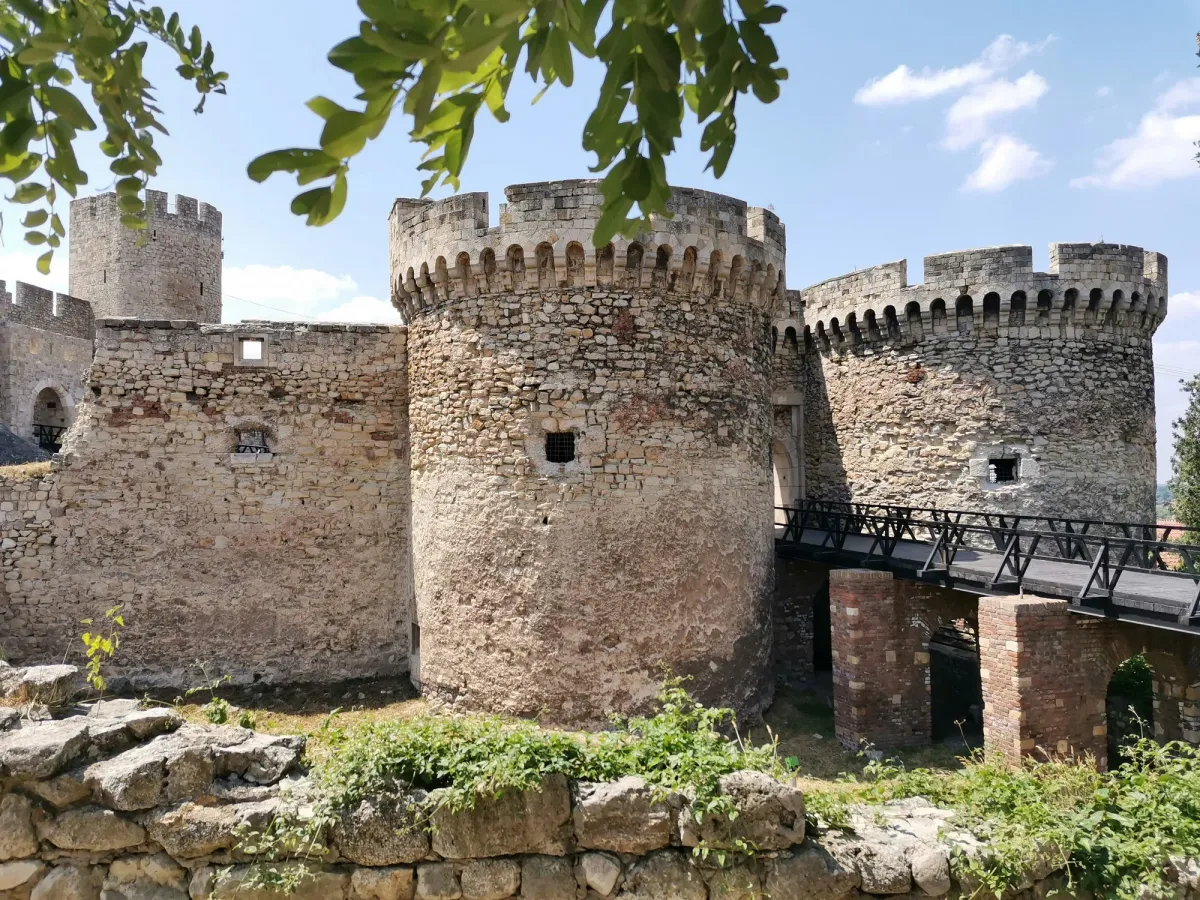
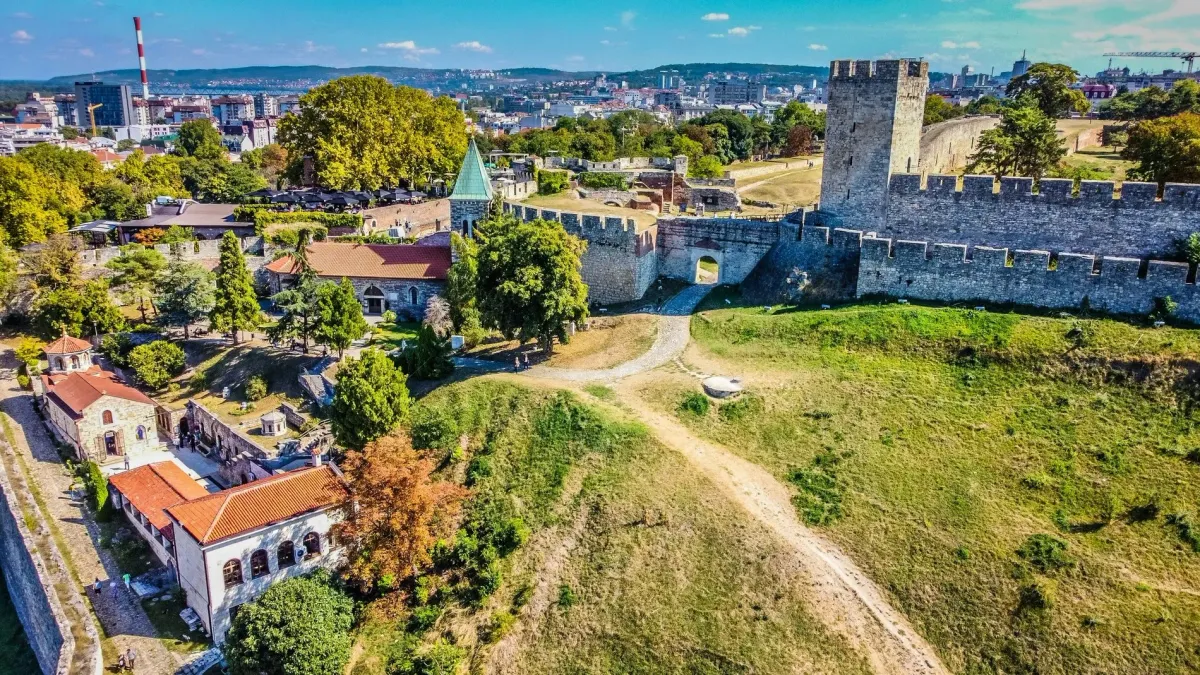
If you are in Belgrade for the first time and only for a couple of days, this is the place for you. This is the historical core. Here you will find Knez Mihailova Street (the local Arbat), Kalemegdan Fortress, and Republic Square.
Pros: all main attractions are within walking distance. You don't waste time and money on taxis. There are hundreds of restaurants, shops, and museums around.
Cons: noisy, crowded, and expensive. Parking is impossible to find (if you rented a car, it's hell). Old buildings may not have elevators, and sound insulation leaves much to be desired.
Who it suits: first-time tourists, those who want to be in the thick of things, and those who don't plan to use public transport.
Dorćol
Formally, it's part of the Old Town, but in spirit, it's a separate universe. Dorćol is divided into Upper and Lower. This is Belgrade's most fashionable, lively, and "Berlin-like" district. Here, old mansions stand alongside the best third-wave coffee shops, graffiti-covered walls, and secret bars in courtyards.
Pros: an incredible concentration of cool establishments per square meter. Here you'll find the most delicious food, the best coffee, and the most interesting crowd. The center is a 10-15 minute walk away.
Cons: Lower Dorćol can be a bit noisy due to the bars. Apartment rental prices here are among the highest in the city.
Who it suits: young people, freelancers, coffee lovers, bar hoppers, and street art enthusiasts.
Vračar
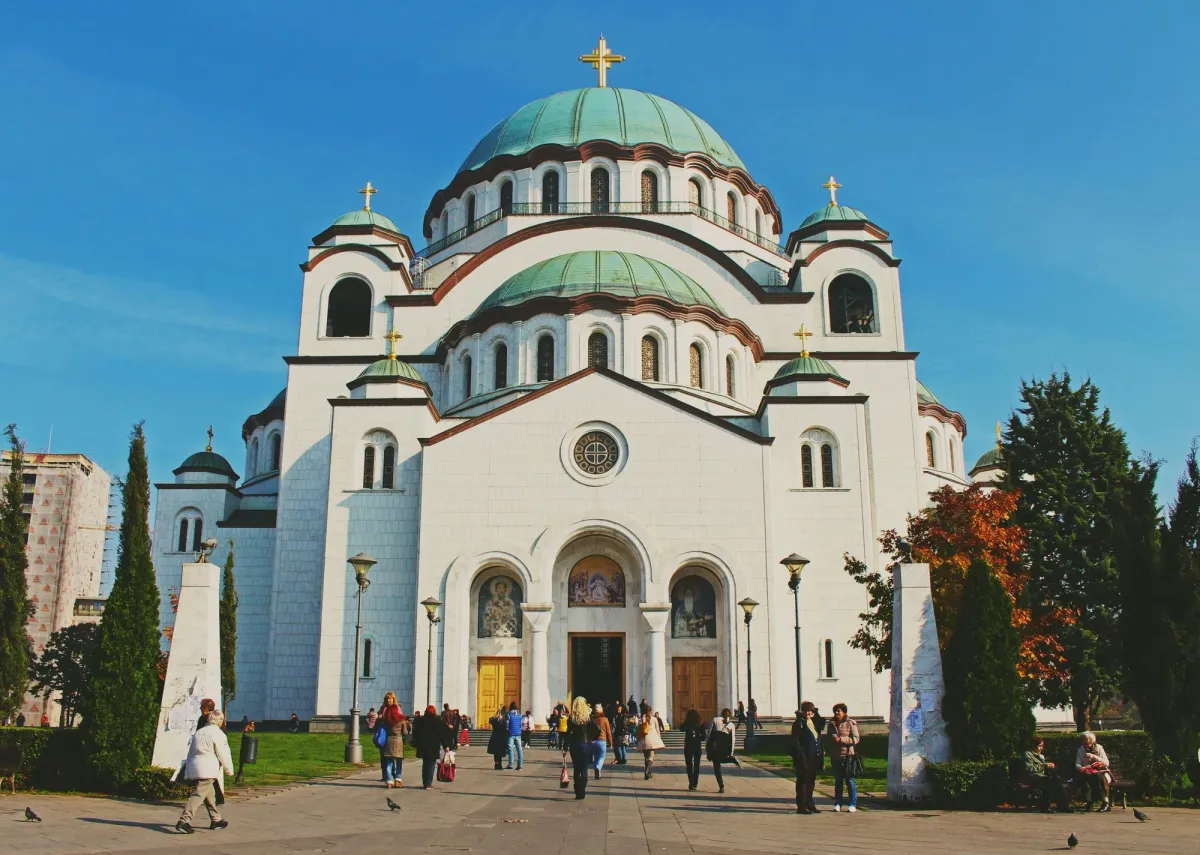
If Dorćol is a tattooed hipster, then Vračar is an intellectual in a cashmere coat. This is a prestigious, quiet, and very beautiful district. The dominant feature of the area is the gigantic Temple of Saint Sava, visible from almost everywhere. The streets here are wide, green, with beautiful early 20th-century architecture.
Pros: safe, clean, respectable. Here are the best fine dining restaurants (not just street food). Nearby is Kalenić Market – the gastronomic heart of the city, where you can buy farm products.
Cons: you'll have to walk 20-30 minutes or take a trolleybus to the very center (Knez Mihailova). There's less nightlife here than in Dorćol.
Who it suits: families with children, couples who value comfort and quiet, and those who want to feel like a "well-off" local.
Novi Beograd (New Belgrade)
We cross the bridge to the other bank of the Sava. New Belgrade is a monument to Yugoslav brutalism. Huge concrete blocks, wide avenues, and endless residential areas. Previously considered a dormitory ghetto, it is now a business center and a mecca for architecture fans.
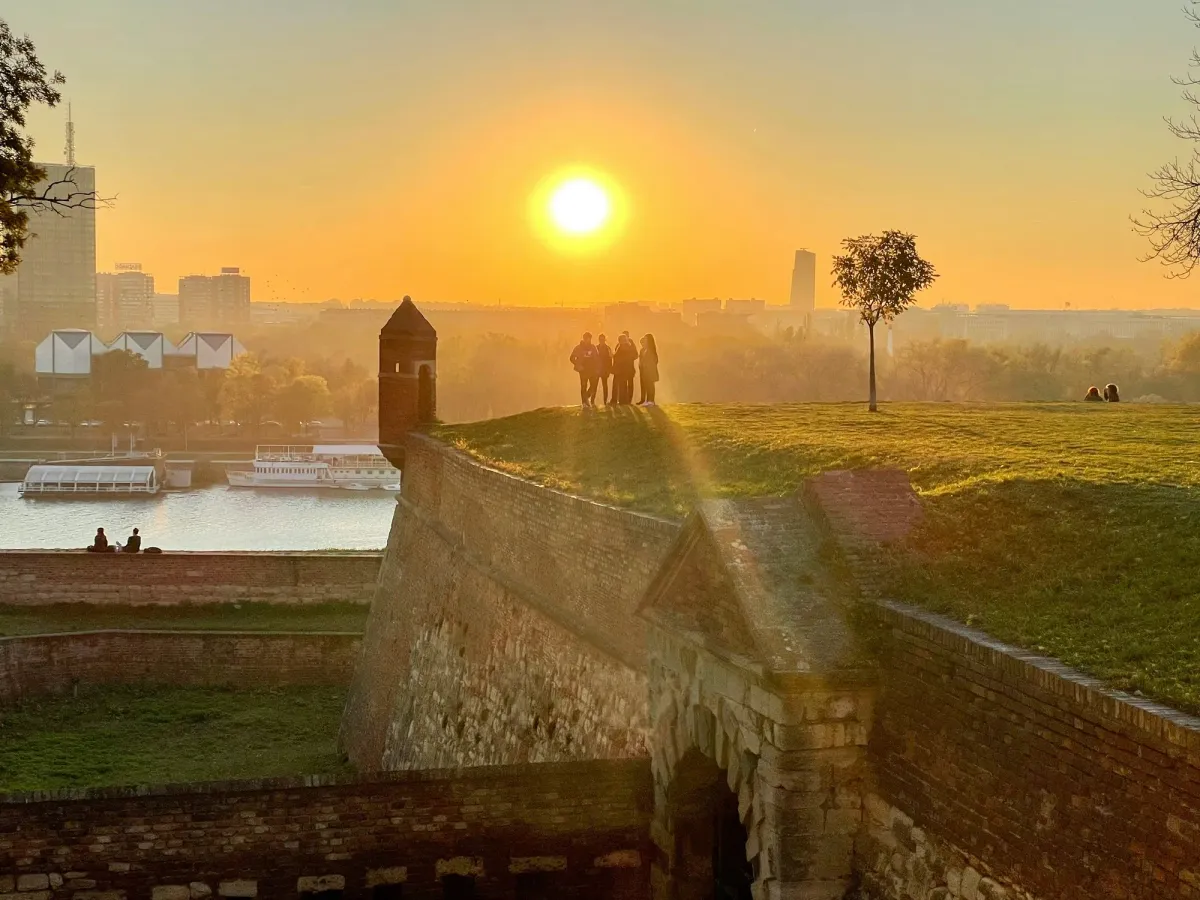
Pros: proximity to the river and embankment, where the famous "splavovi" (floating nightclubs) are located. Wide roads, no parking problems. Large shopping centers (Ušće, Delta City) are located here. Hotels here are mostly modern chain "glass boxes" with good service.
Cons: the historical center is not reachable on foot (transport is needed). The district may seem uncomfortable and "cold" due to the gigantic scale of development.
Who it suits: business tourists, brutalism fans, shopping enthusiasts, and those who came to party on the splavovi until morning.
Zemun
Zemun was once a separate Austro-Hungarian town on the border with the Ottoman Empire, and this is still felt today. Narrow cobbled streets, tiled roofs, Catholic churches, and the Danube embankment with swans. This is the most romantic district.
Pros: unique atmosphere of old Europe. Magnificent embankment with the best fish restaurants. The view from Gardoš Tower is one of the best in the city. It's quiet and unhurried here.
Cons: far from the center of Belgrade. You'll have to travel by bus or taxi for 15-30 minutes (depending on traffic on the bridge). This is not a transit point, but a place for solitude.
Who it suits: romantics, those who have already seen the main Belgrade, and lovers of long walks by the water and fresh fish.
Savamala and Belgrade Waterfront
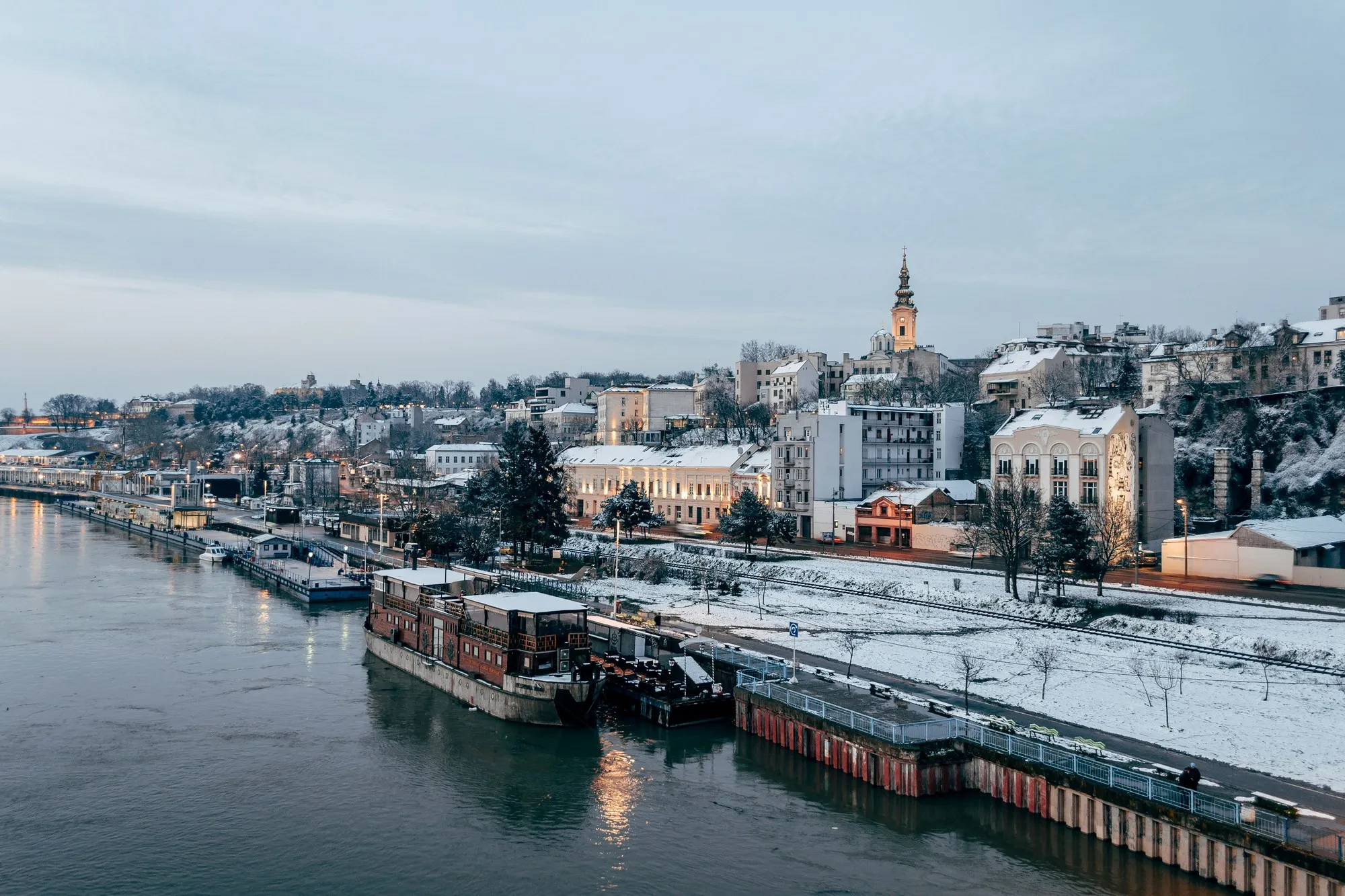
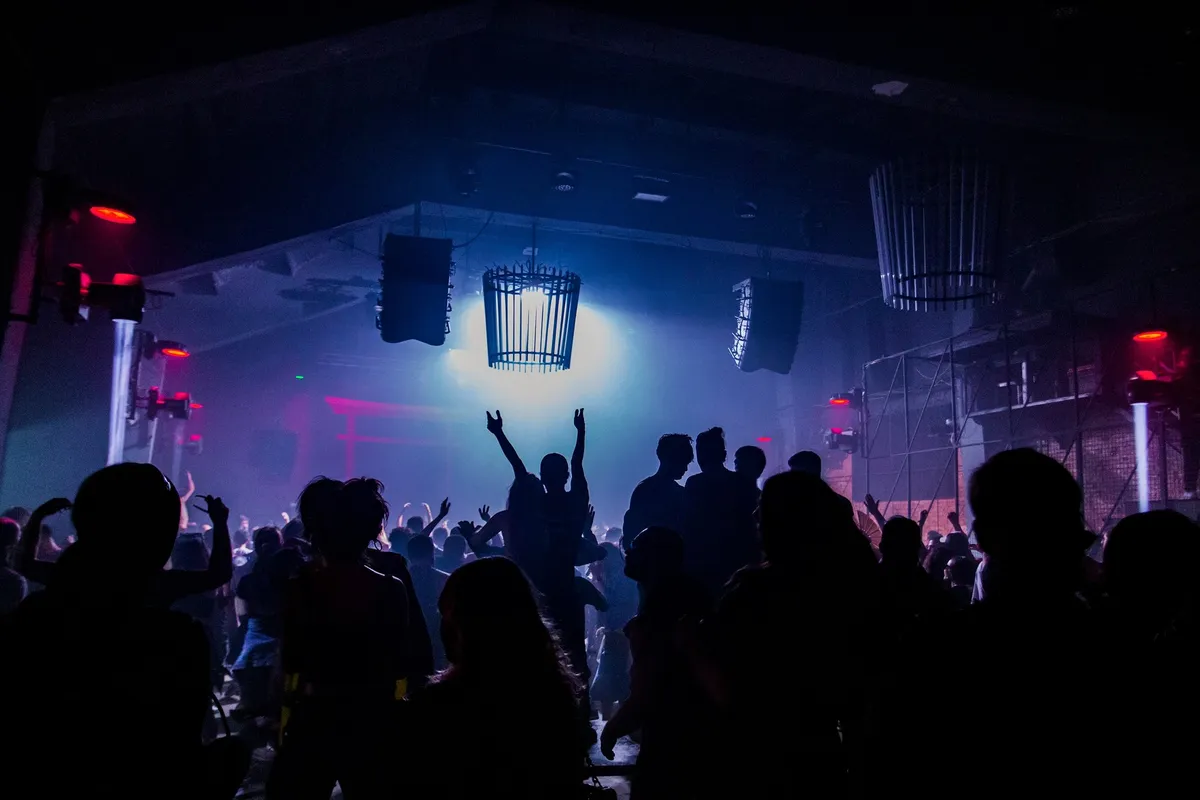
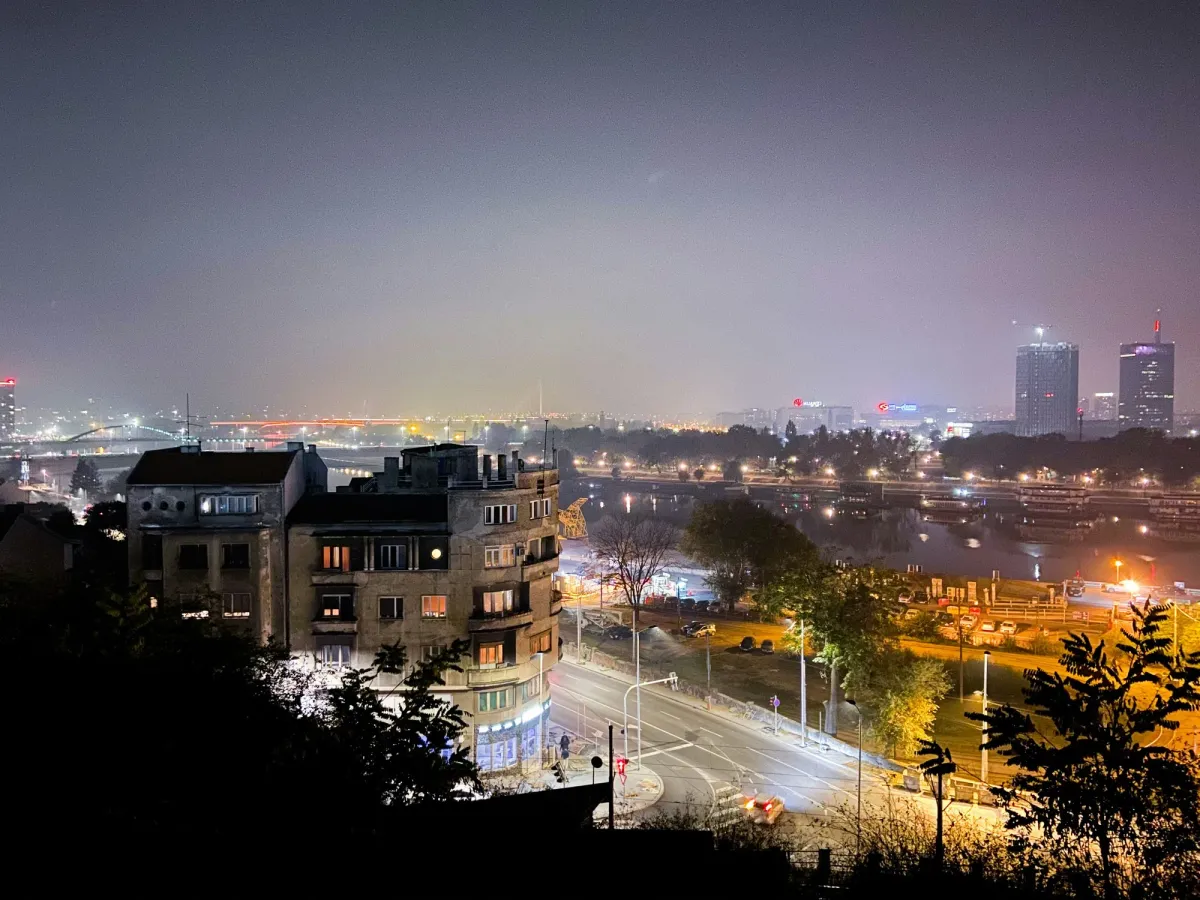
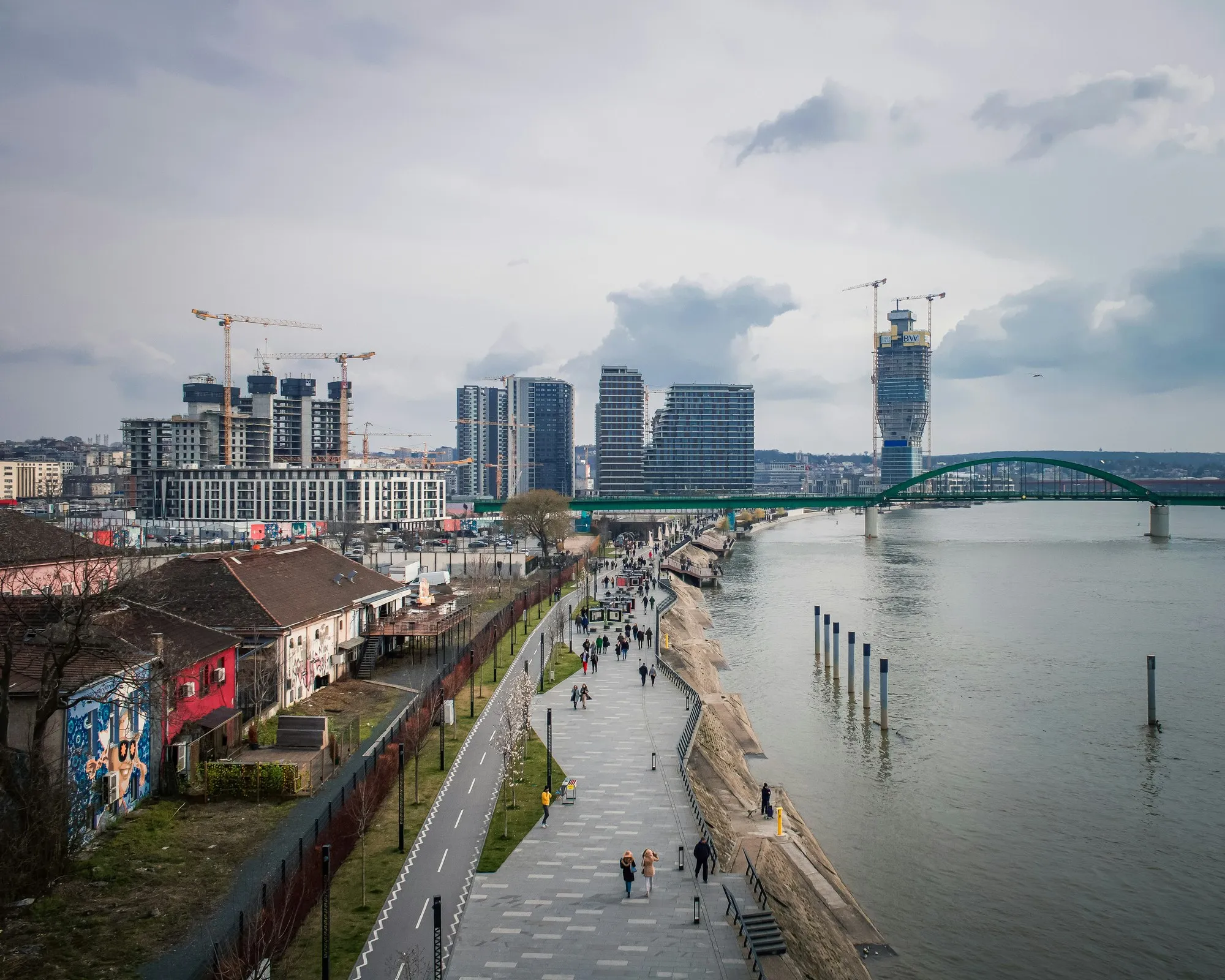
Savamala is a former industrial district under Branko's Bridge, which has become a center for underground and techno clubs. Right next to it, "Belgrade Waterfront" has grown – an ultra-modern skyscraper district built by investors from the UAE. It's "Dubai in the Balkans."
Pros: living in Waterfront means living in the newest and most expensive apartments with river views. Nearby are the gigantic Galerija shopping center and a promenade. Savamala, on the other hand, is suitable for those who want to dance techno until morning in hangars.
Cons: Waterfront seems artificial and "lifeless" to many, lacking the spirit of Belgrade. Savamala is noise, graffiti, and sometimes dirt.
Who it suits: luxury and panoramic view lovers (Waterfront) or party-goers (Savamala).
Practical Logistics Advice
Belgrade is currently one of Europe's main air hubs for Russians. If you are planning a trip, remember that direct Air Serbia flights operate regularly, but demand for them is always high.
To catch a good price, it's best to look for tickets for the Moscow – Belgrade route 2-3 months before your trip. If direct flights are too expensive, consider options with a layover in Istanbul – this often saves the budget.
Belgrade is a city you don't fall in love with immediately, but forever. Choose your district with your heart: do you want to drink coffee in the shade of Vračar's plane trees or look at the Danube from Zemun's embankment? In any case, this city will not disappoint you.