Gorges, meat 'cookies' and quirky exhibitions: let's go on holiday to Serbia
Serbs are very welcoming and hospitable. Since October 15, Russia and Serbia have resumed air travel, and the Serbian side does not require certificates from Russian tourists and does not quarantine them. Isn't that a gift? You should go! And we will tell you how to have the best time in the country.
From the airport to the city
Buses and trains run from Nikola Tesla Airport to the center of Belgrade, it's only a short distance – 12 km.
Express A1 will take you to Slavija Square almost non-stop, that's why it's an express. It also stops near the railway station, and the bus station is also nearby. It costs 300 dinars, payment in cash to the driver, journey takes 30 minutes.
Bus No. 72 – a regular city bus operating between the airport and Zeleni Venac market, journey takes 40-50 minutes, costs 150 dinars from the driver (with a BusPlus card – 89 dinars).
Taxis and transfers are also at your disposal.
Serbia has its own currency – the Serbian Dinar. As of October 19, 2020, 100 dinars = 77.7 rubles. Exchange in advance, there may be a commission at the airport.
Transport card
Belgrade is not that big, so the center and main attractions can be explored on foot. But if you're not keen on exerting yourself and walking a lot, you can use public transport. To avoid worrying about fare costs, get a card. There are two options:
BusPlus – costs 250 dinars, works like Troika in Moscow or Podorozhnik in St. Petersburg. You can load any amount onto the card and travel almost at a discounted fare. That is, for one trip you will pay the driver 150 dinars, but with the card, it's 89. You can buy it at any newsstand.
Regular pass for 1, 3, or 5 days. It costs 250, 700, and 1000 dinars respectively (+40 dinars for the card itself) and grants unlimited travel within the pass's validity period.
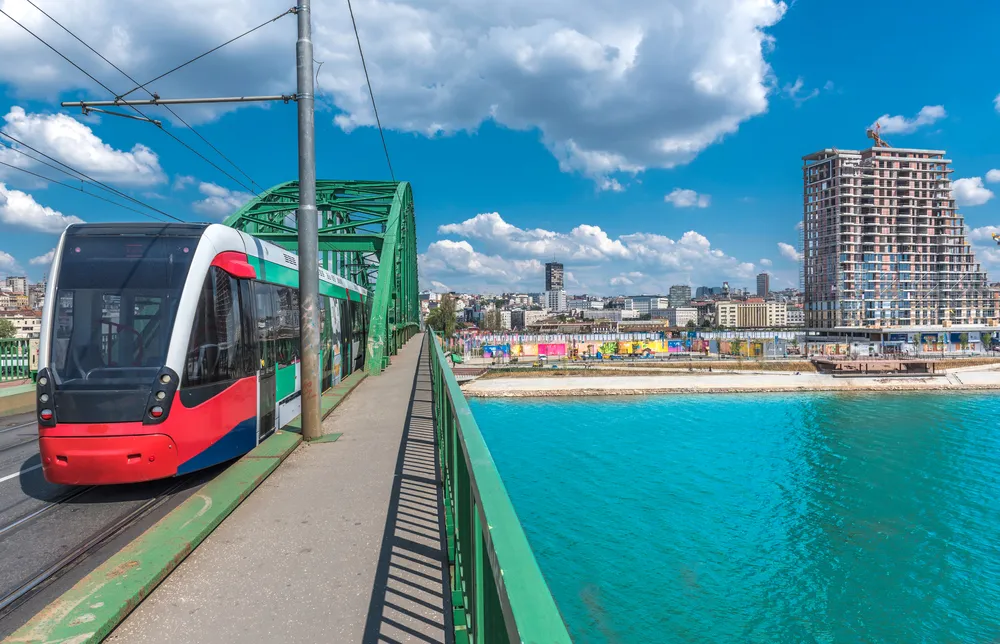
However, no pass is valid for night trips; at night, you pay cash directly to the driver upon boarding.
On some public transport, you can pay with a bank card, however, it will cost 98 dinars instead of 89, and you can only pay with Mastercard cards.
What to see in Belgrade
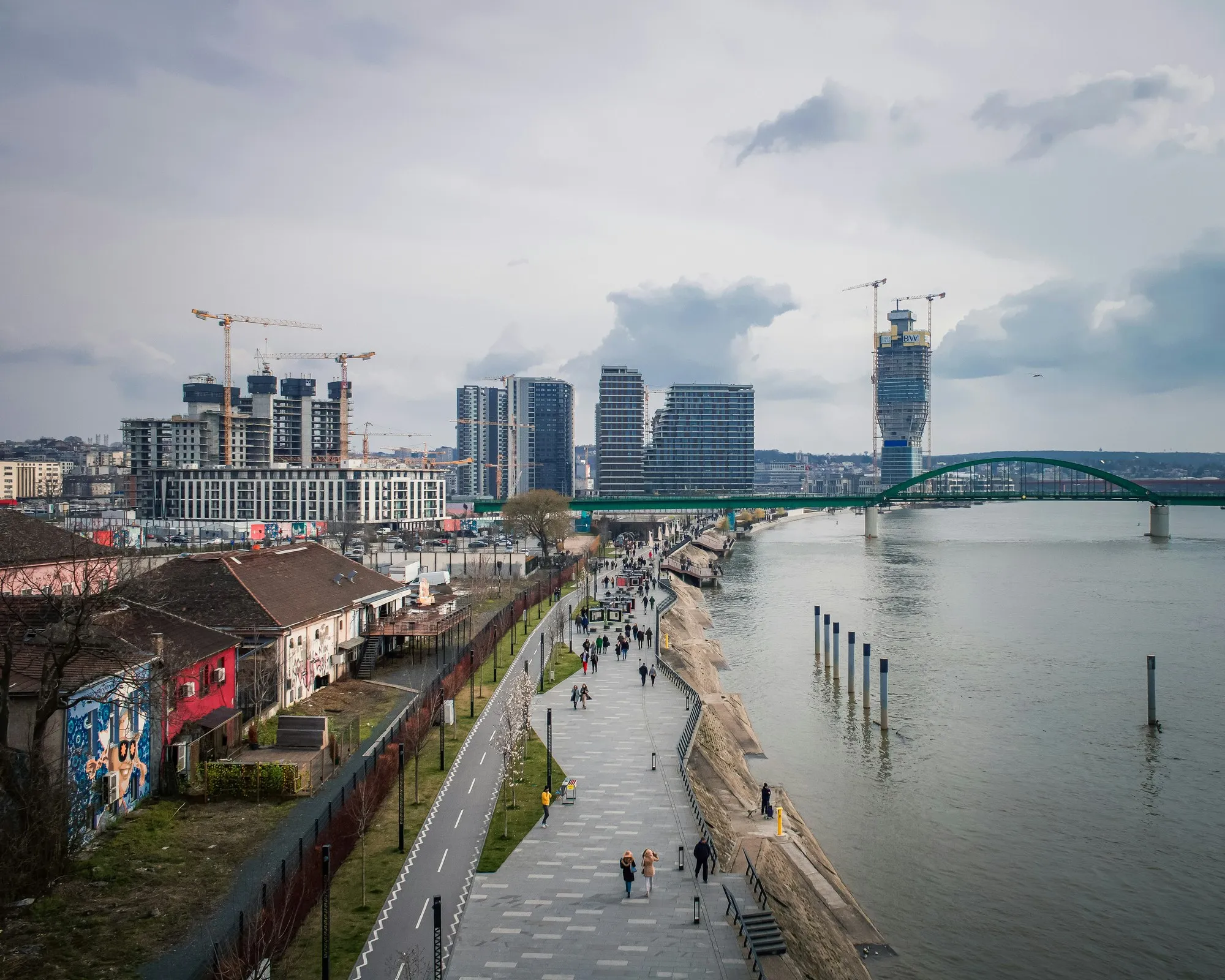
Although the city was bombed and in some places is still not restored, it has still retained its charm. 2-3 days are enough for sightseeing. And here's where it will definitely be interesting.
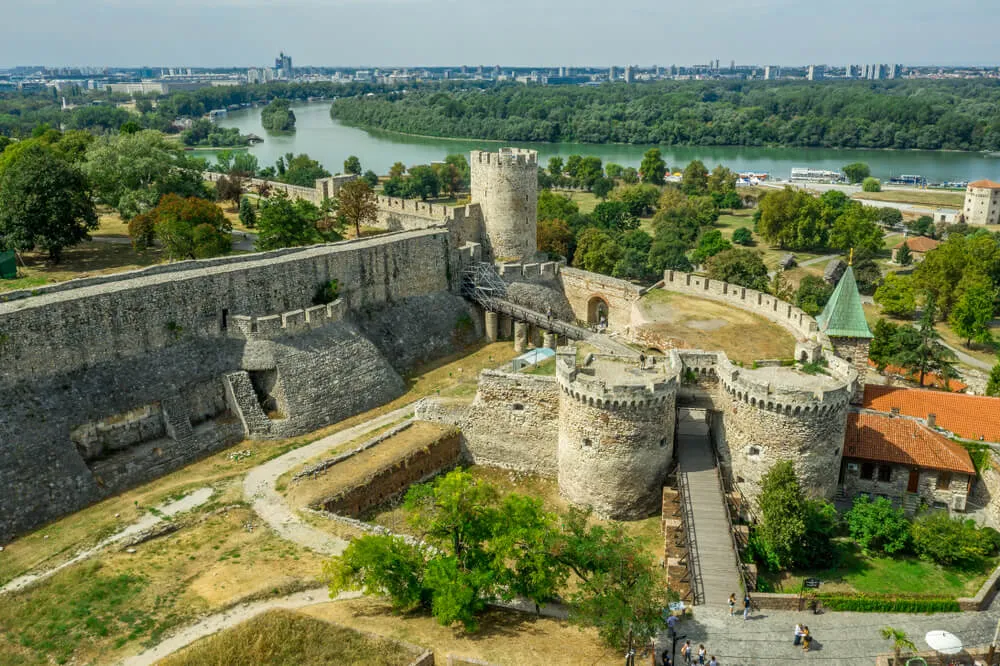
Belgrade Fortress and Kalemegdan Park
Imagine, this fortress was built as early as the 1st century, over 100 battles were fought for it, it was destroyed and rebuilt more than 40 times – in short, the poor fortress has suffered a lot! Now there is a landscape park on its territory – a real oasis in the middle of the city, and the fortress itself looks good! Be sure to come and visit these guys.
Serbian 'Montmartre'
Belgrade has an old quarter that is no worse than the famous Parisian one – Skadarlija. It was here that local famous writers and publicists lived and created their masterpieces, even our native Bunin lived here for some time! Now the place attracts with its atmosphere of creativity and boundless freedom.
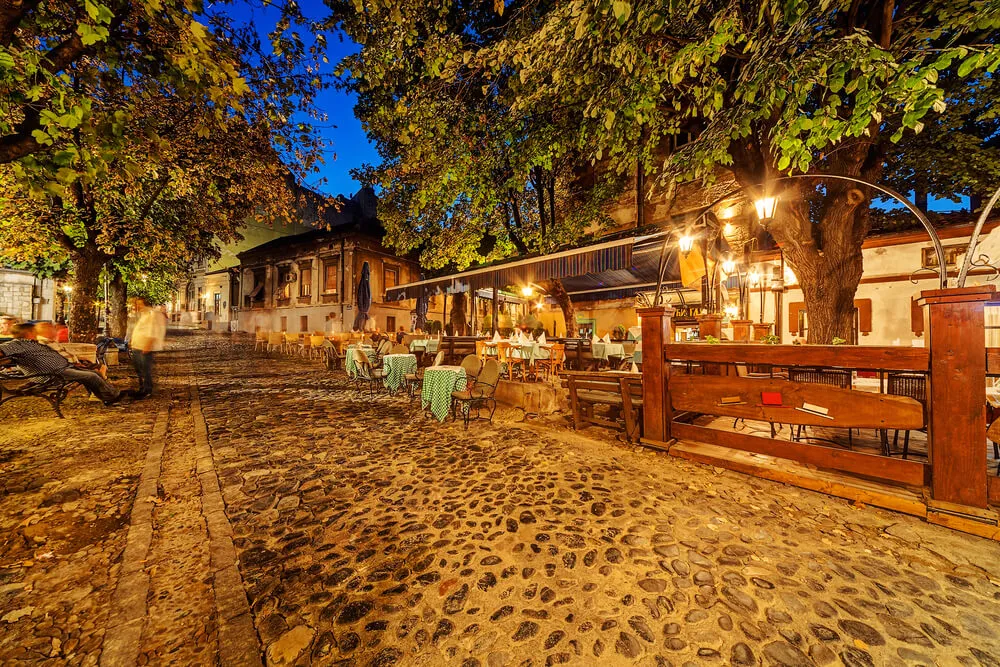
Prince Mihailo Street
You definitely won't miss it, because it's the main street of the city – all the gatherings are here. Artists, street musicians, cozy cafes, shops, souvenir and antique stores – everything you need for a leisurely stroll.
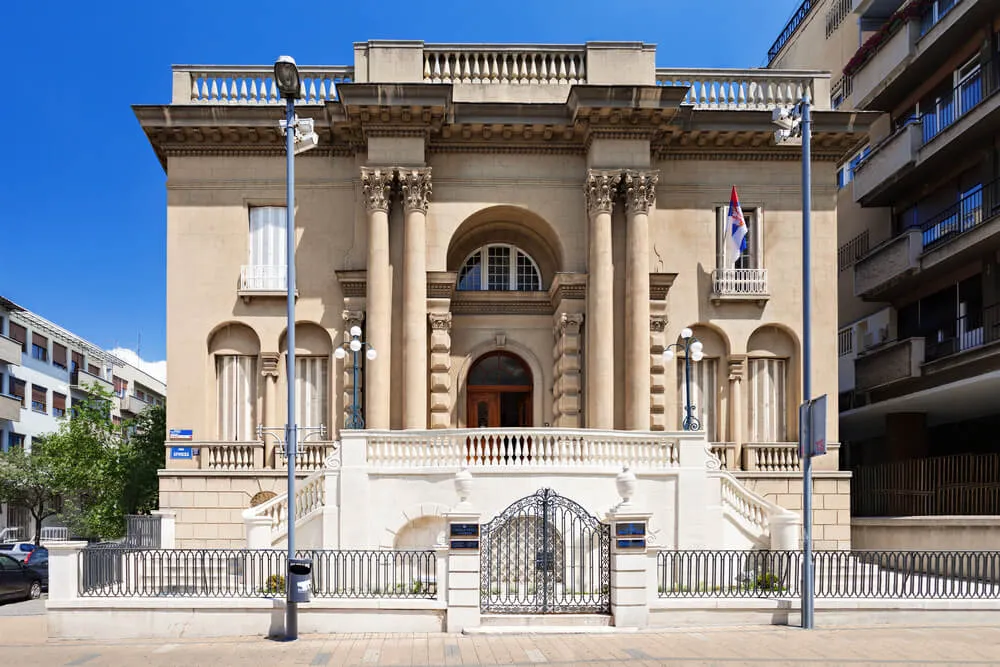
Nikola Tesla Museum
To come to Tesla's homeland and not visit his museum is a karma deficit. Even those who are allergic to the word 'museum' will like it here – everything is different. The museum has two parts: the first contains his personal belongings, notes, drawings, and the second contains inventions, and this is the interactive part! Star Wars fans will especially enjoy it – a surprise awaits you.
Museum of Aviation
Love aircraft? Then check out the building that looks like a glass flying saucer. Here you'll find all sorts of rockets, aircraft, engines, and equipment.
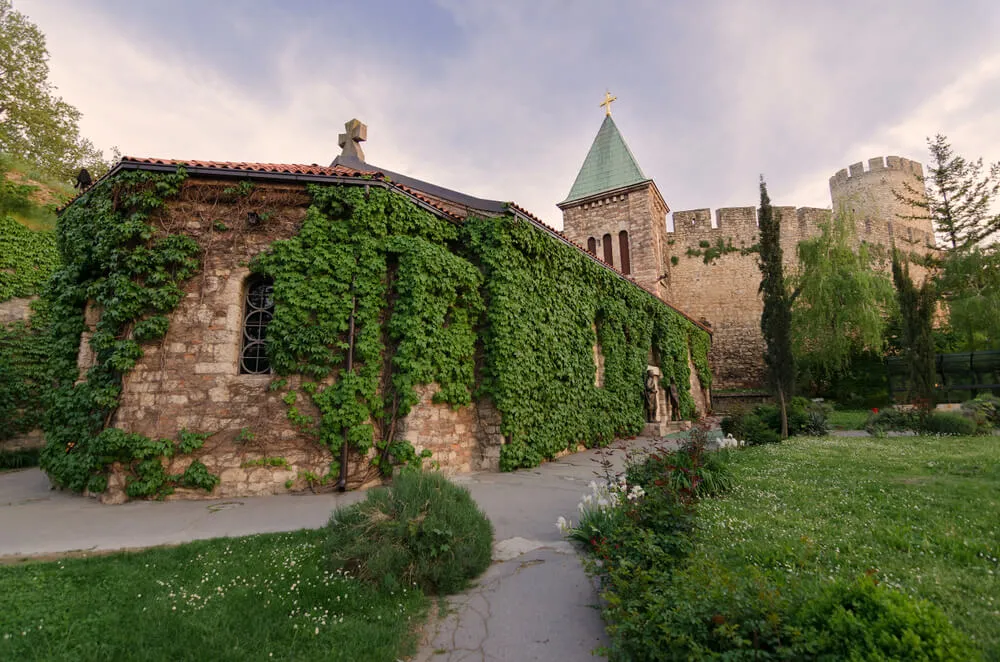
Ružica Church
A church that doesn't look like a classic church. In the green season, it's covered in ivy, which looks very beautiful. The temple stands right by the walls of Belgrade Fortress, so you won't miss it.
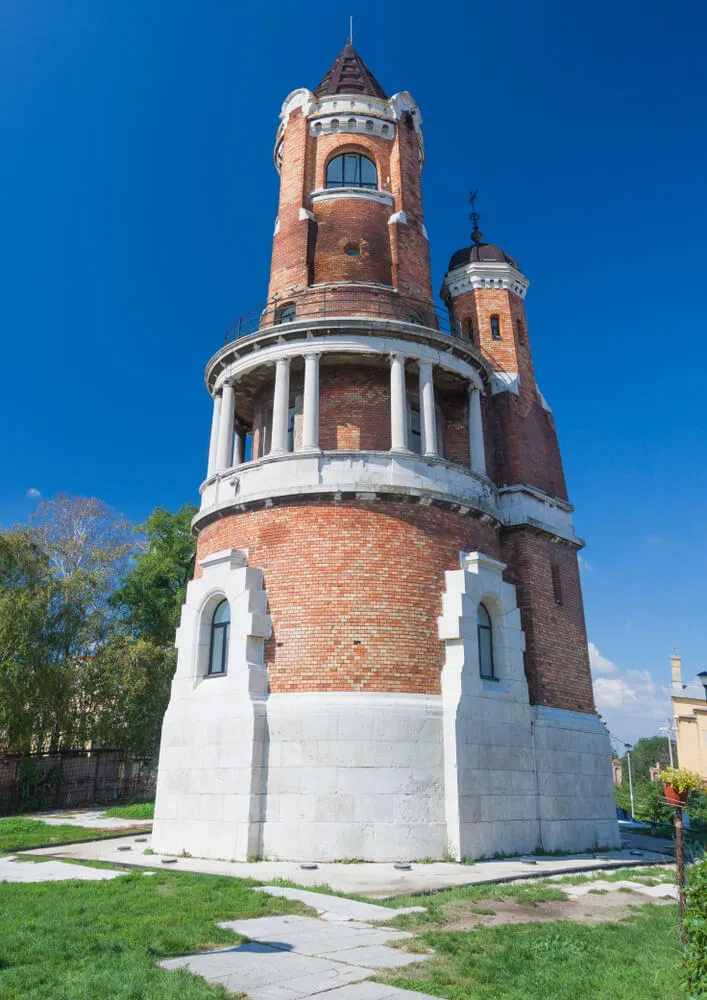
Gardoš Tower
Outwardly, the tower looks more like an annex; it's unusually shaped and seems to be missing something. However, it was built for fire detection. Now there's a free observation deck on the top floor. Hopefully, you won't see any fires.
U10
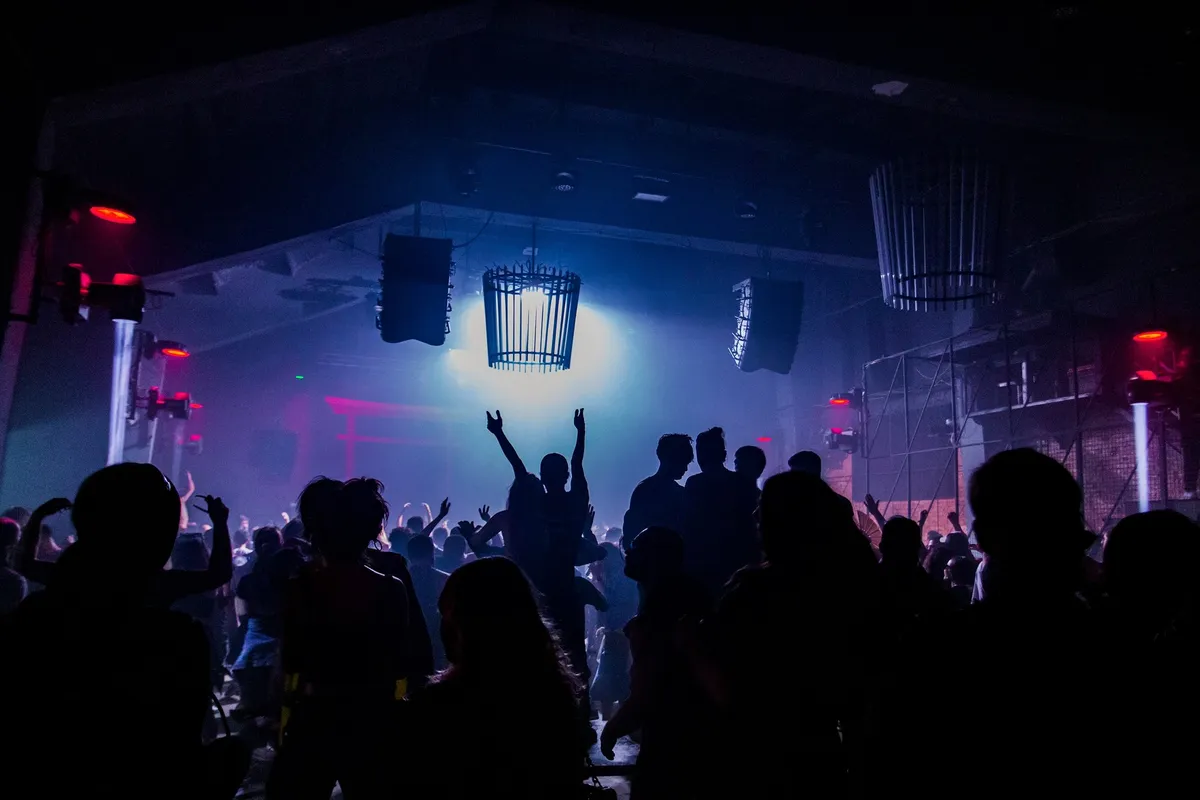
This place will be interesting for those who want to see modern and a bit quirky Belgrade. The U10 space was created by contemporary young artists and musicians; they organize conceptual exhibitions and concerts by unusual bands. And generally, you can come there at any time, it will always be interesting.
What to see outside Belgrade
Serbia is not only a colorful capital but also beautiful nature that it would be a shame not to see if you find yourself in the country. There are several interesting directions.
Ovčar-Kablar Gorge
A gorge is always beautiful, and if there's also a winding river, it's simply indescribable.
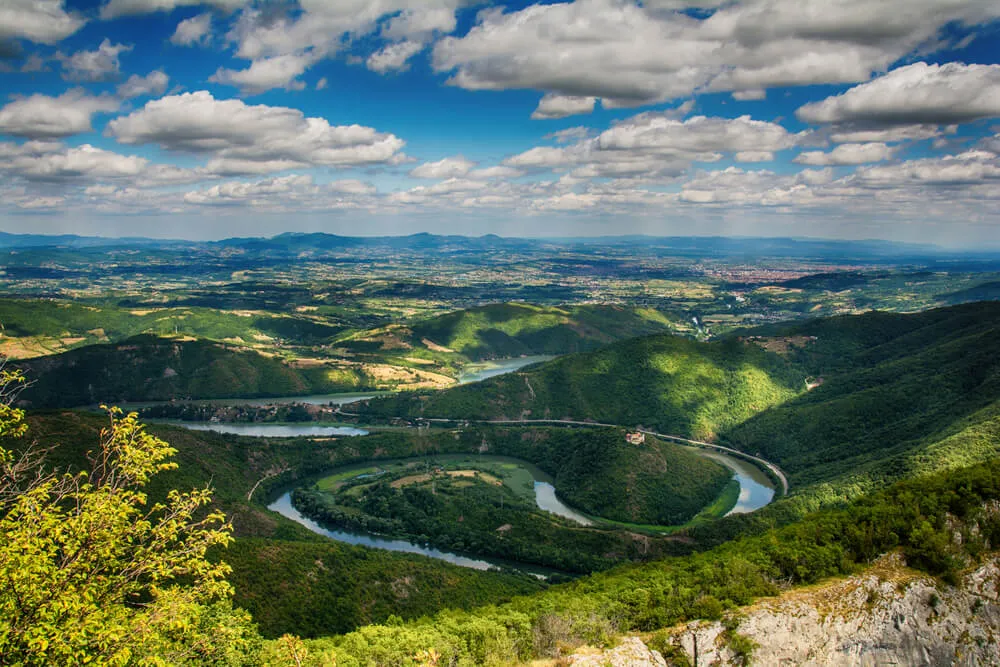
Besides national parks, Serbia has the Ovčar and Kablar mountains, which form a gorge, with the Morava River winding below. In this gorge, there's a church right in the rock, but it's difficult to reach. The place is not very touristy, so there are practically no amenities. But on the other hand, there are many ancient monasteries here that are hard to look away from.
The gorge is located 150 km from Belgrade; first, you need to get to the city of Čačak, which can be reached by bus from the bus station or by train. However, by train, you'll have to make a transfer, while the bus goes direct. The journey takes a little over two hours. From Čačak, head towards Ovčar Banja. By the way, there are thermal resorts and SPA hotels there, be sure to take advantage of their hospitality!
Tara National Park
The place is so beautiful that you'll want to cry from what you see. Seriously! However, we recommend renting a car, as it will be easier to get around. Railway communication in Serbia is not very developed, and trains often don't arrive on time and can be behind schedule.
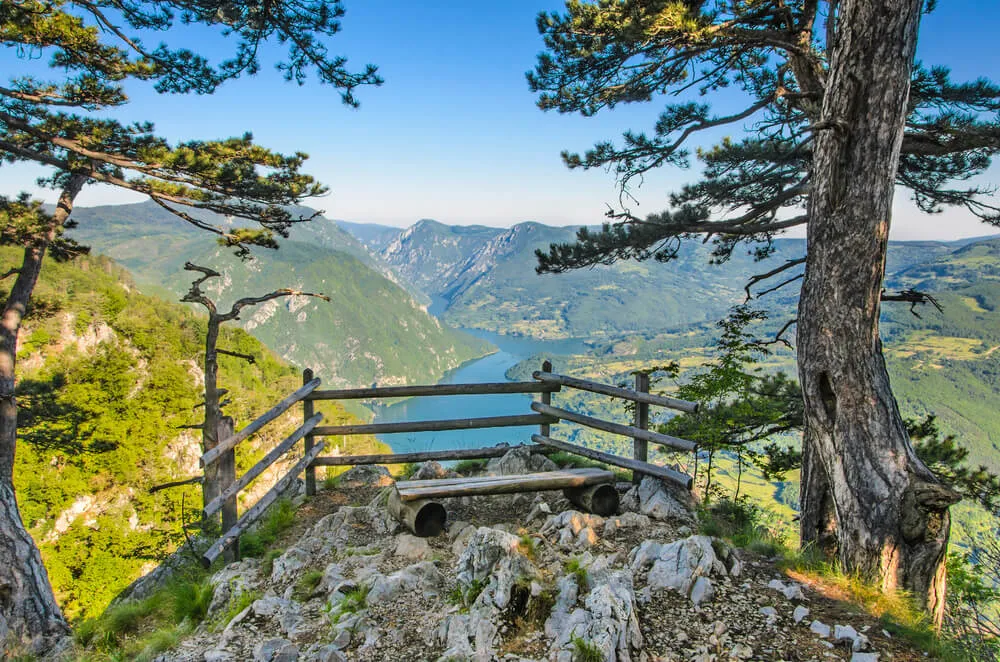
You can get to the park by train or bus, but you'll have to make transfers, and in some places even take a taxi. On the way to the park, also visit Kusturica's village of Drvengrad, orient yourself towards Mokra Gora.
Novi Sad
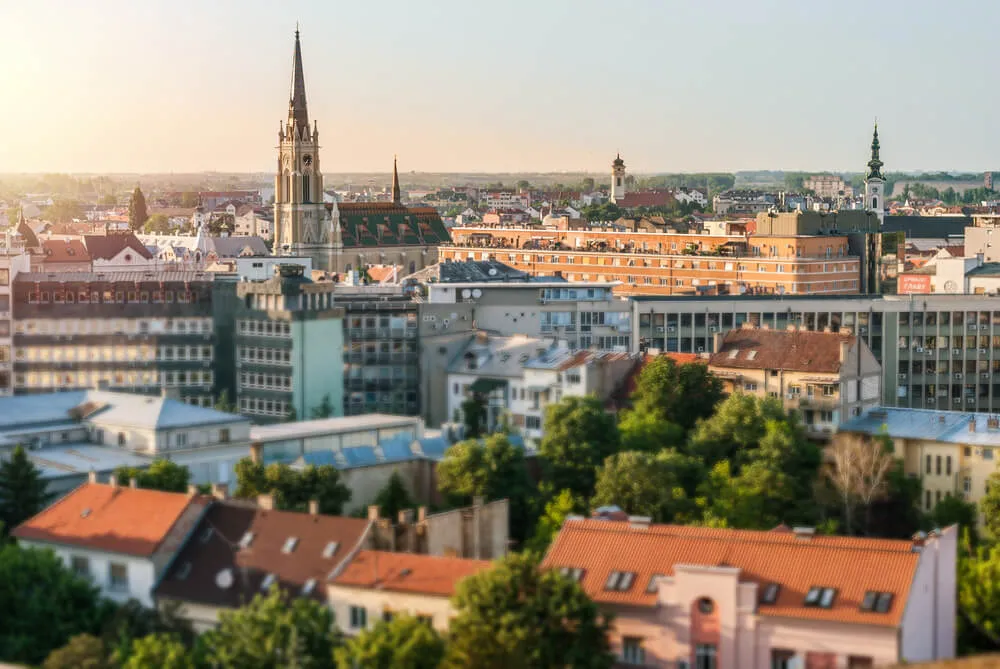
The city is almost a hundred kilometers from the capital; you can get there by bus or train. But we recommend the bus, because trains are more complicated. The journey takes a little over two hours, but we recommend staying for a couple of days to explore all corners at your leisure.
What to try in Serbia
Those who don't eat meat will definitely find it a bit difficult in Serbia, because Serbian cuisine consists almost entirely of meat in various forms. For example, ćevapčići – sausages made of pork or minced pork, wrapped in a bun and sprinkled with herbs and paprika. You can often buy this dish right on the street, which we recommend doing.
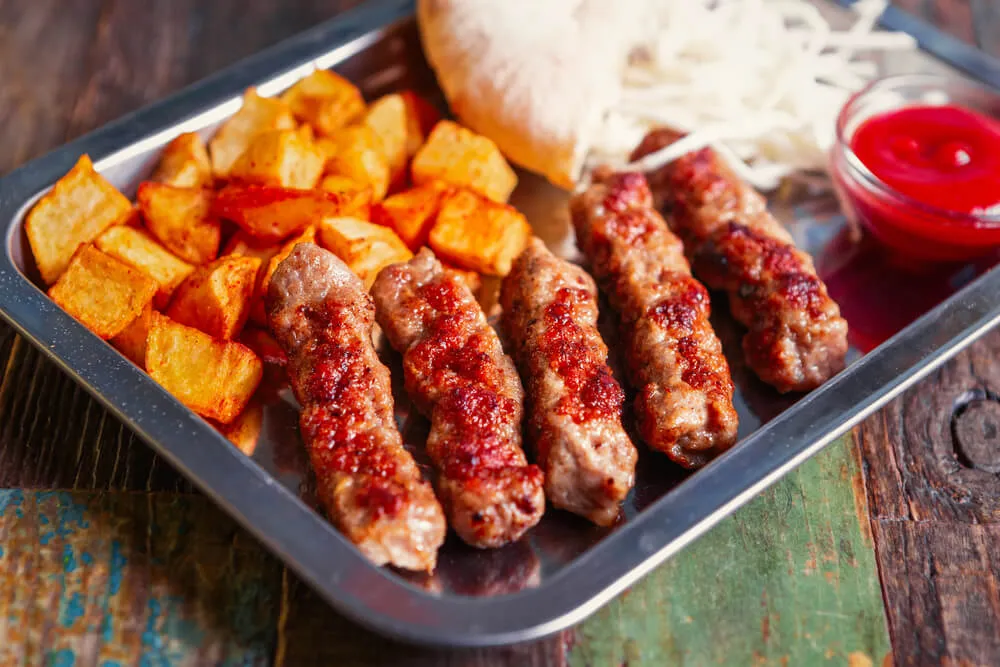
Or take Karađorđeva šnicla – also a pork sausage, but much thicker and with a filling of fermented salty milk foam inside, and fried in breadcrumbs on the outside. Sounds delicious, but hard to imagine? Agreed, you just have to try it. French fries are usually served with the schnitzel. Also, note that the portion is quite large and is more suitable for lunch than a snack.
Pljeskavica is also made of pork, but in the form of a patty. So if you really want a burger, it's better to order pljeskavica. To avoid overeating it and leave room for something else, you can wash down the patty with plain yogurt instead of bread.
And there's pečenje, but it's not the cookie you thought of. It's a piece of pork roasted on a spit. And if you want something lighter, pay attention to pršut – it's like Spanish jamón, but Serbian.
But there are still a few dishes for tourists who don't want or don't eat meat. Shopska salad – coarsely chopped cucumbers, tomatoes, peppers, grated cheese, and lemon. Also try ajvar spread on toast – it's something like lecho, but in paste form.
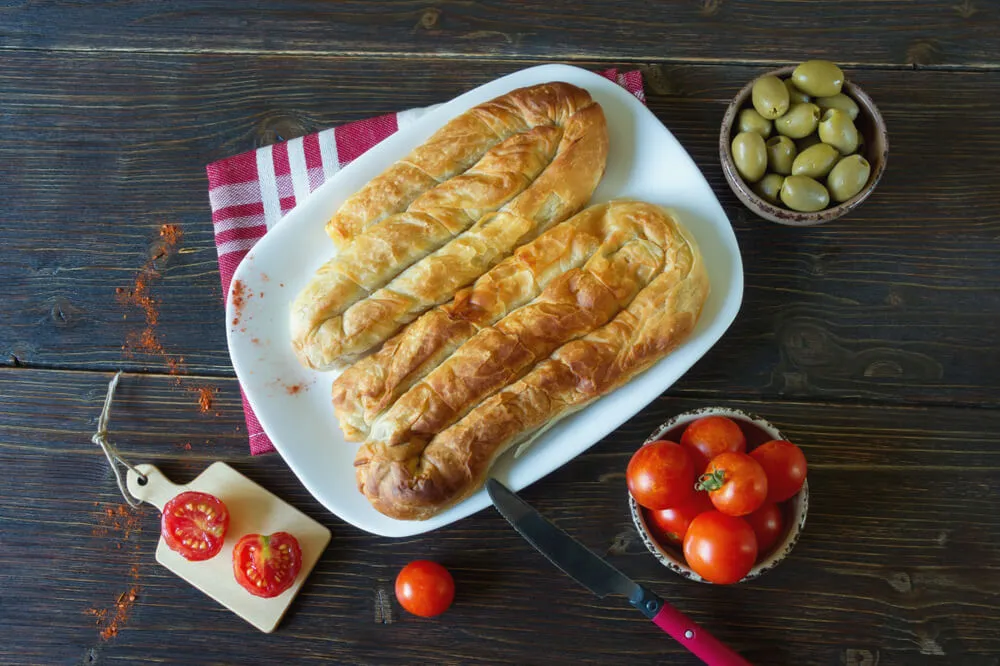
Time for dessert? Then try pita – puff pastry with various fillings, from savory to sweet. If you like pies, try burek. As for classic sweet desserts, it's almost like in Turkey – honey, nuts, dried fruits, and other additions. Try potica – it's a layered cake with tarragon. And there's a dish that might challenge kindergarten millet porridge – palačinke – pancakes with walnuts and millet. We highly recommend giving this dish a chance!