What to see in Tula?
We tell you what to visit in Tula if you find yourself in this small city for a couple of days. Spoiler: there's more than just gingerbread here.

What to visit in Tula in one or two days
Tula Kremlin
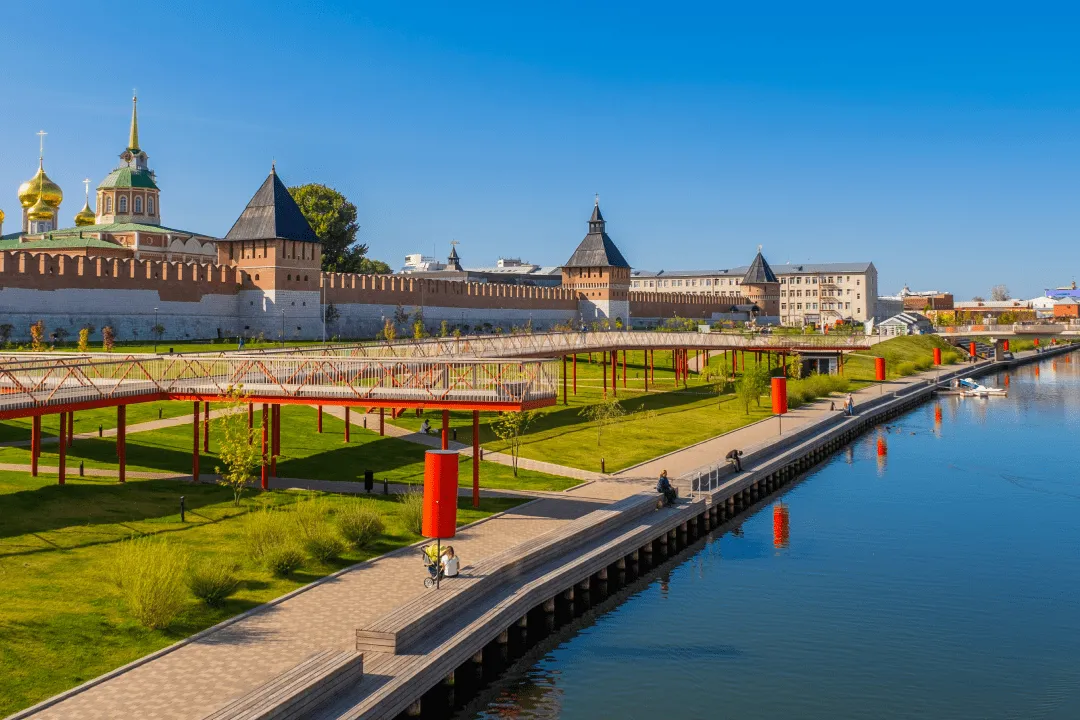
Under Ivan the Terrible, the historic fortress protected the city from enemies, and now it gathers curious tourists. The local Kremlin is the heart of the city, from where you should start exploring the sights. On all sides of the Kremlin stand nine fortress towers connected by high walls, and there are two main entrances – the Western and Eastern Gates. One of the Kremlin walls lacks battlements – not for aesthetics, but to protect the city from raids: it was to this wall that the enemy often approached during a siege, but they never managed to take the fortress.
There's plenty of interest inside: the 1764 Assumption Cathedral, the trading rows building, the city power station building, the reconstruction of defensive outbuildings – your one-day Tula itinerary is ready.
Tula Gingerbread Museum
A whole museum is dedicated to the history and culture of gingerbread making in Tula! And local gingerbread truly is a work of art: it's not only baked according to ancient recipes but also beautifully painted and decorated.
The 'Tula Gingerbread' collection includes cooking utensils like old gingerbread molds, documents, and photographs. For particularly engaged guests, culinary masterclasses are held – this is your chance to learn the secrets of dough preparation and product decoration. A souvenir shop operates on the museum grounds – grab authentic baked goods to go and stock up on non-edible themed souvenirs.
Gingerbread Monument
The love for gingerbread has extended beyond the museum and is reflected in a huge bronze sculpture weighing a ton. The monument was installed in 2014 in the city's main square – named after Lenin. The gingerbread is adorned with ornaments that reproduce traditional patterns on the products, and the inscription 'For happiness'. So come take a photo next to it – for good luck!
Historical Quarter on Metallistov Street
Pedestrian Metallistov Street is easily accessible from the embankment, offering a complete immersion into the old city's atmosphere. Once, local masters and artisans specializing in weapons and samovars lived and worked here. Cultural heritage sites and architectural monuments are scattered at every turn: the merchant houses of Melnikov, Ermolaev, Popov, and Postnikov have been preserved in the quarter. Now they have been transformed into museums, galleries, cafes, and shops, and the local bohemia has taken a liking to the quarter.
Iskra Space
A multifunctional cultural center, officially speaking, and simply a hipster hangout spot, in our terms. The space was created to develop and promote contemporary art, which is why 'Iskra' pays special attention to supporting young artists, musicians, and directors, helping them find like-minded people and audiences.
People of various ages, interests, and professions, united by a passion for creativity, come here to see an exhibition, a film or theatrical performance, listen to a lecture or concert, or participate in a masterclass. The space hosts classes in painting, sculpture, photography, and dance.
Historical and Architectural Monuments
Demidov Necropolis
The Demidov Necropolis is a historic cemetery where representatives of the famous Russian noble and industrial Demidov family, one of the most influential and wealthy families in Russia in the 18th–19th centuries, are buried. The complex is a treasure trove of architectural wonders: elements of the necropolis are made in various styles, from classicism to neo-Gothic. The Demidov tomb, in the form of a Gothic-style temple with columns, attracts special attention. A museum operates in the adjacent building, with exhibits including Russian weapons from the Northern War, personal belongings of the Demidovs, a handprint of Peter I, and a miniature cannon.
Batashov Samovar Factory Building
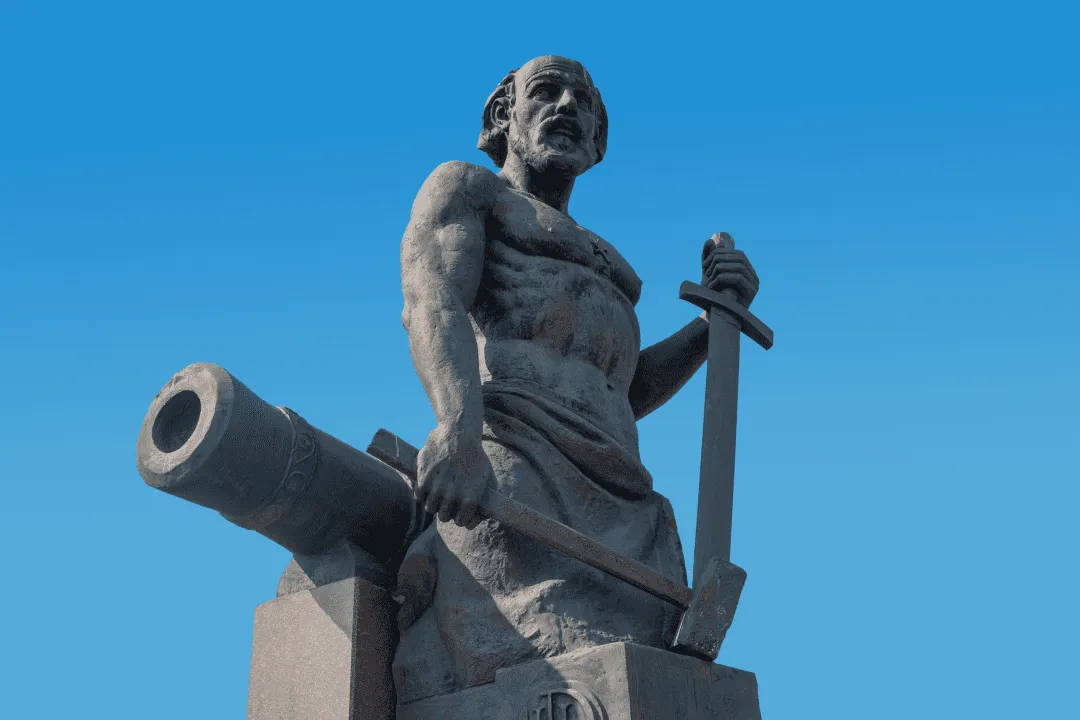
The factory building stands right in the city center and once belonged to the Batashov family – one of the leading manufacturers in Russia in the 19th–20th centuries. Thanks to them, you don't need to bring your own samovar to Tula! Today, it houses apartments and offices, though you wouldn't guess it from the building itself: the eclectic factory building is a three-story brick structure with many embellishments like bas-reliefs, columns, and stucco.
Trading Rows
The Trading Rows are located on the inner side of the Kremlin wall – it's a brick structure with high windows, columns, arches, and reliefs on the facade. The Trading Rows were conceived as a place for trade and shops – Tula's commercial and cultural center. Today, the place is a cultural heritage site and an architectural monument, but trading continues here: gingerbread, samovars, pastila, and other local souvenirs.
Museums
Samovar Museum
Everything about the history, technology, and art of samovar making is known here. Samovar production in Tula began in the 18th century, so there's a lot of information awaiting you. The museum will introduce you to the craftsmanship of making Tula samovars and the traditions of Russian tea drinking. The collection features over 200 exhibits, including samovars of various shapes, sizes, and styles: there's a 70-liter giant and a samovar for three drops of water.
Weapon Museum
One of Russia's oldest museums was founded in Tula in 1724 by decree of Peter I and has since introduced visitors to the history of weaponry in the city and the country. The exhibition includes over 12,000 exhibits, among them samples of cold and firearms, military ammunition, medals, and awards. While exhibits once fit within the arms factory grounds, the museum now has two buildings. The old one is in the former Epiphany Cathedral on the Kremlin grounds, and the new one is in a helmet-shaped building, so immersion in the theme begins even before entry.
Cafes, Bars, and Restaurants
Mr.Cup Coffee Shop
The city's most popular coffee spot: come for savory pancakes and a cup of cappuccino for breakfast, or drop in for brunch and baked sweet potato with shrimp.
Karl Marx Burger Joint
They know their way around good burgers here and aren't afraid to experiment: you can get a classic, or try a burger with beef cheeks and Tambov ham. They bake their own buns.
Bottega Italiana Restaurant
A place with pizza and pasta right by the Kremlin. Get the porcini mushroom risotto or seafood pasta. And don't hesitate to ask for more cheese – the restaurant has its own cheese shop.
Lil Pil Shot Bar
They pour distillates and tinctures here, and for a snack, they'll serve, for example, a random (literal quote from the menu) soup for 250 rubles or a jar of red caviar with butter for 2,000.
Where to walk
Kazanskaya Embankment
The Kazanskaya Embankment along the Upa River is named after the Kazan Cathedral nearby. In 2016, the area was beautified with alleys, flowerbeds, and benches, breathing new life into the place: now people come here to drink coffee with a river view, and exhibitions and fairs are held. Rent a boat and go for a river cruise. If you get seasick, you can relax in a wooden gazebo, exercise on specially equipped grounds, or take some trendy photos on the floating observation bridge.
Kremlin Garden
The Kremlin Garden in Tula is the city's oldest park, located, as the name suggests, next to the Tula Kremlin on the site of former moats surrounding the walls. The park has cozy alleys and a pond with a fountain and bridges, but you don't have to limit yourself to walks: in summer, you can swing on swings, sit in cafes, ride a bicycle, and in winter, an ice slide is set up here.
Interesting art objects can also be found in the garden: for example, the 'Tula Alphabet' – a monument in the shape of an open book, where each letter symbolizes a local landmark, location, or famous resident. 'Б' stands for Turgenev's 'Bezhin Meadow', and 'У' for the Upa River flowing through the city.
Tula Churches and Cathedrals
Assumption Cathedral
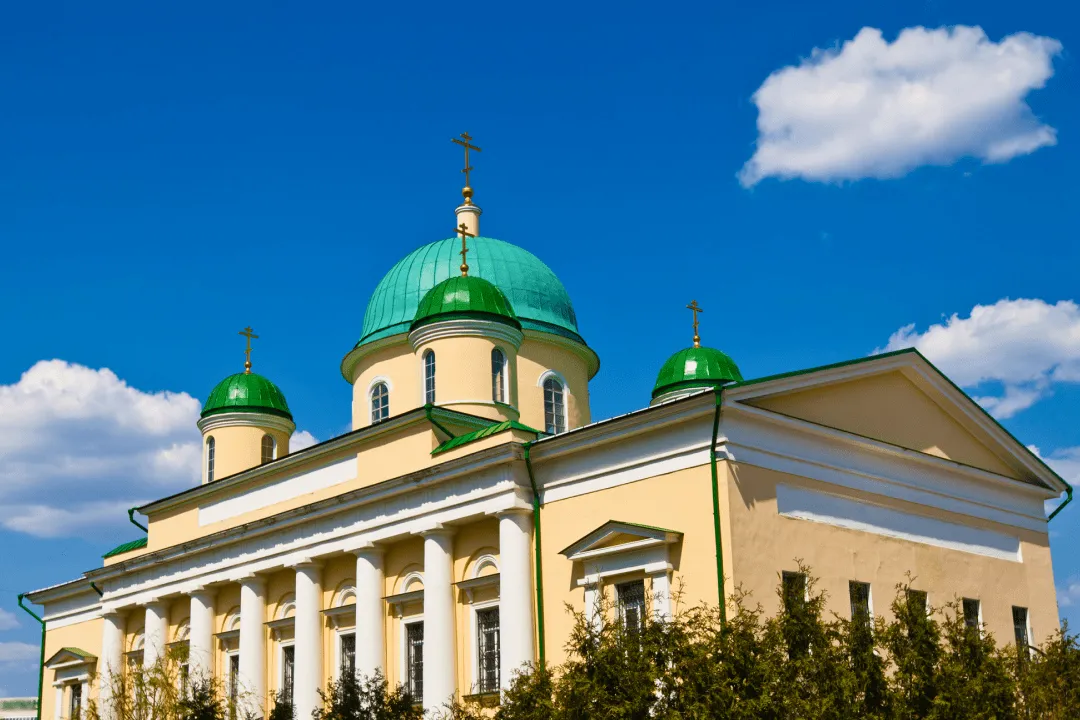
There are several Assumption Cathedrals in Tula, so let's clarify: one stands right on the Kremlin grounds – it was built in 1764, and another was erected nearby in 1902.
The Assumption Cathedral of the Tula Kremlin, in Baroque style, was built on the site of an earlier wooden church. Its main architectural features include a monumental facade adorned with stucco and bas-reliefs, and a tall bell tower that serves as one of Tula's symbols.
The elegant Assumption Cathedral in Byzantine style was built between 1898 and 1902. During the Soviet period, attempts were made to blow up the cathedral, but it withstood, though it was used by the Bolsheviks as a State Archive. In 2007, the building was returned to the Tula Diocese, and the church has been active ever since. The main decoration of the cathedral is five vibrant frescoes, accurately replicating the paintings by V. M. Vasnetsov in the Vladimir Cathedral of Kyiv.
Transfiguration Church
The Transfiguration Church in Tula is an example of Neoclassical architecture, an active Orthodox church that appeared in 1817 on the site of a burned wooden church. Its building is constructed in the traditional cruciform shape for Russian Orthodox architecture, with a monumental facade, columns in ancient Greek style, and a triangular roof. The 19th-century icons preserved here are especially valued and protected: it is believed that the church was built around a swamp, at the bottom of which an icon of Nicholas the Wonderworker was once found. The relic was kept in the church until the October Revolution – it was later lost.
Where to go with children
Tula Exotarium
Reptiles and amphibians can be seen at the Tula Exotarium. Here you'll find creatures of all types and sizes: lizards, pythons, monitor lizards, geckos, turtles, but also mammals like lemurs, fish, and tropical birds. The Exotarium is both a zoo and a scientific and educational center: exotic animals are studied and bred here to preserve rare species. It will be especially interesting for children – the Exotarium holds lectures and classes even for toddlers from two years old.
Locals have nicknamed the tyrannosaurus statue near the exotarium building the 'Mother-in-Law Monument' – residents call it Serpentina Yuryevna and even decorate it for October 26th, when Mother-in-Law's Day is celebrated in Russia.
Belousov Central Park
A great option for what to see in Tula with children, especially if you enjoy active leisure. Come feed squirrels and ducks, ride attractions, bring a bicycle, scooter, or roller skates. In summer, the park has cafes where you can grab a snack or coffee, and boat rental points, while in winter, the park turns into a spot for ice skating, skiing, and sledding.
Where to go in the vicinity of Tula
Kulikovo Field Museum Complex
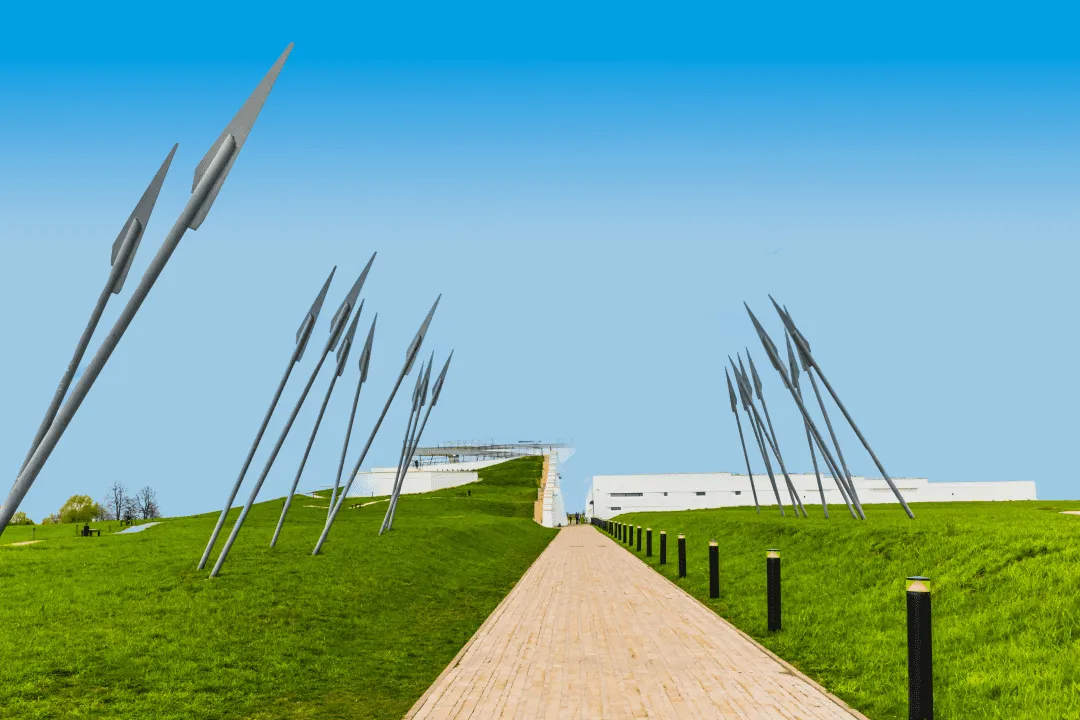
The complex is located in the Tula region, near the site of the Battle of Kulikovo, which took place in 1380 between Russian troops and the Golden Horde. The main museum building is an interactive exhibition complex where visitors can learn about the history of the battle, see medieval weaponry, and learn about people's lives in the 14th century. Also, on the museum grounds, there is a place where, according to legend, the Mongol Khan Mamai was buried after the battle.
Bezhin Meadow Museum-Reserve
This museum-reserve got its name in honor of Turgenev's famous story 'Bezhin Meadow': it is dedicated to the history and culture of the rural area and Turgenev's work. Come and explore the estate where the author lived and worked, walk along the linden alleys planted by the writer's grandfather. From the old Turgenev estate, the carriage shed, the servants' house, and the paper mill have been preserved – the factory building now houses an exhibition of 19th-century paintings.
L. N. Tolstoy Estate Museum
The 'Yasnaya Polyana' complex operates in L. N. Tolstoy's ancestral estate, where he lived most of his life and was buried. The main point of the complex is Tolstoy's house, where 19th-century life has been reconstructed: here you will see furniture, paintings, books, and other items from that era. In the manor house, you can listen to a recording of the classic's voice and look into the study where Tolstoy wrote 'War and Peace' and 'Anna Karenina'.
Traditionally, churches were built on estate grounds, but not at the Tolstoys': Leo Nikolaevich's grandfather was against it, and the writer himself was excommunicated from the church due to his non-canonical views on religion. But no more words – you'll learn more about the life and work of the great Russian writer on the tour.
We wish you great travel experiences from Tula!