What to see in Munich
 Polina
Munich is a city that masterfully balances centuries-old traditions and future technologies. Here, on one street, you can meet a gentleman in leather lederhosen shorts and a silent electric car speeding towards BMW headquarters. The Bavarian capital knows how to welcome guests, enveloping them in the scent of fried sausages, the heady spirit of beer gardens, and the ringing of cathedral bells.
If you decide to buy tickets to Munich on Kupi.com or book tickets to Munich on Kupi.com with a convenient layover in Belgrade, be prepared that one day will definitely not be enough. We have prepared a detailed guide for you to experience the city's atmosphere.
How to get to Munich
There are no direct flights currently, so the journey will be through major international hubs. The most popular options are layovers in Turkey, Serbia, Armenia, or Georgia. From Munich Franz Josef Strauss Airport (MUC) to the city center, the most convenient way is by S-Bahn trains on lines S1 and S8. Trains run every 20 minutes and will take you to the central station or Marienplatz in about 45 minutes. The cost of an Airport-City-Day-Ticket for the whole day is about 17,50 €, and it grants unlimited travel throughout the city until early morning the next day.
Munich Attractions
New Town Hall and Glockenspiel (Neues Rathaus)
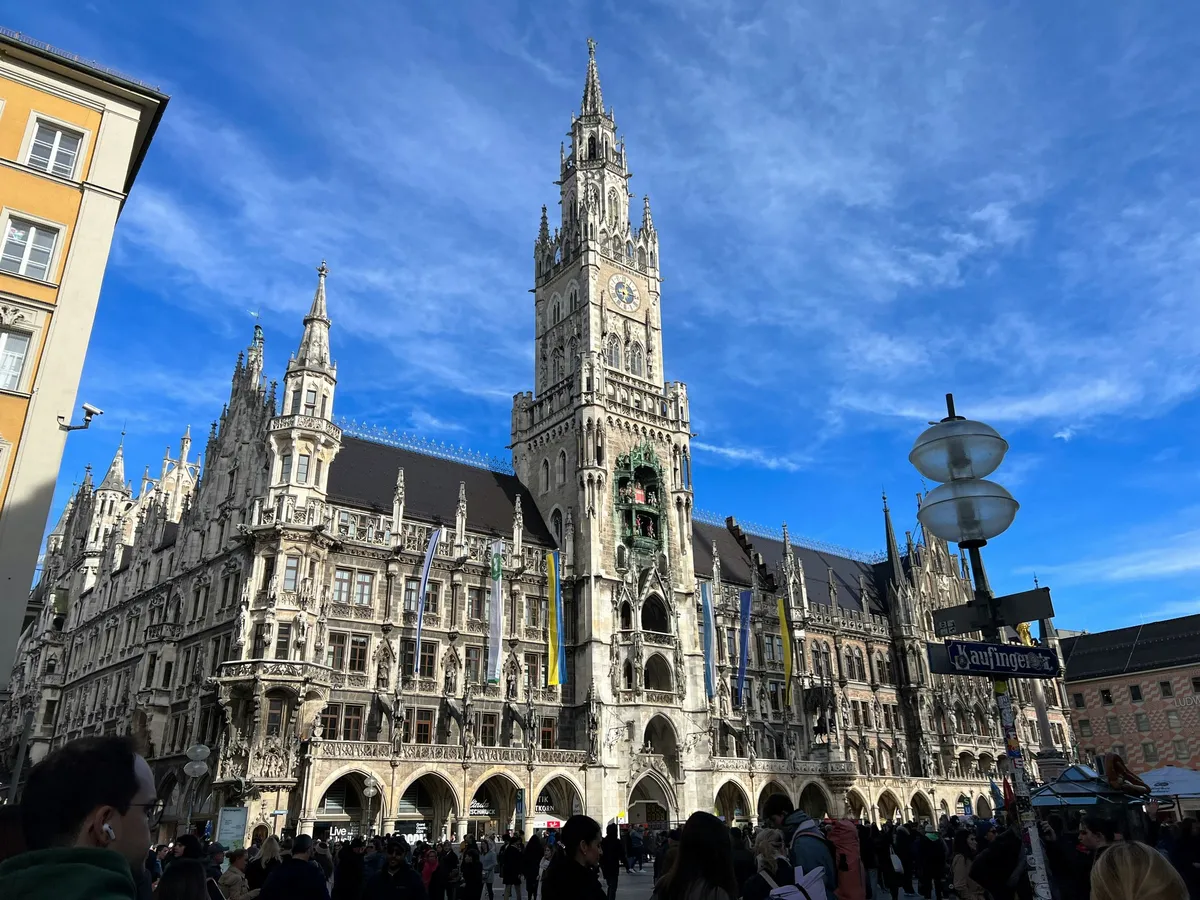
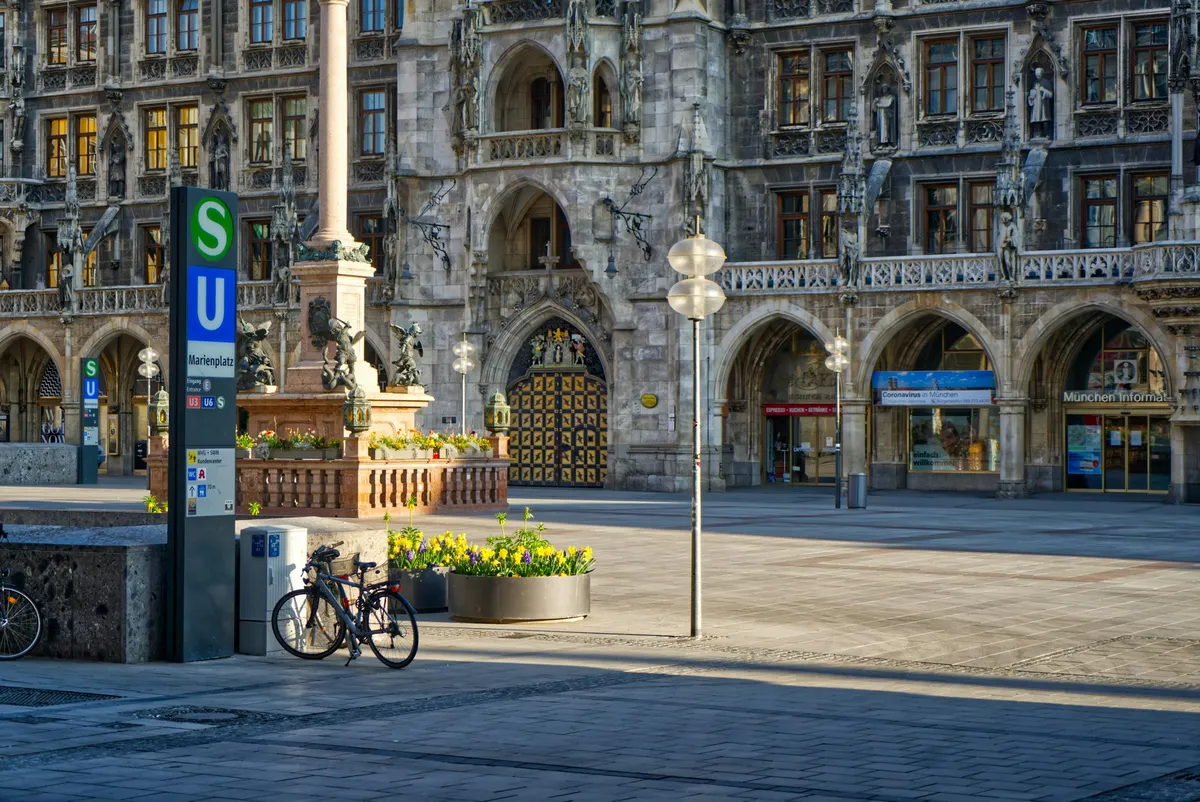
This Gothic stone lace is the visual center of Munich. The Town Hall looks as if it was built in the Middle Ages, although in reality, it is younger than many Moscow skyscrapers. The main show takes place on its facade: the huge mechanical Glockenspiel clock brings Bavarian history to life with the ringing of bells. Knights clash in a duel, and coopers dance, celebrating the end of the plague. To see the details, it's best to arrive at Marienplatz in advance. And if you want to see the city from a bird's-eye view, for 7 € you can climb the observation tower – from there, Munich looks like a toy.
Frauenkirche Cathedral (Frauenkirche)
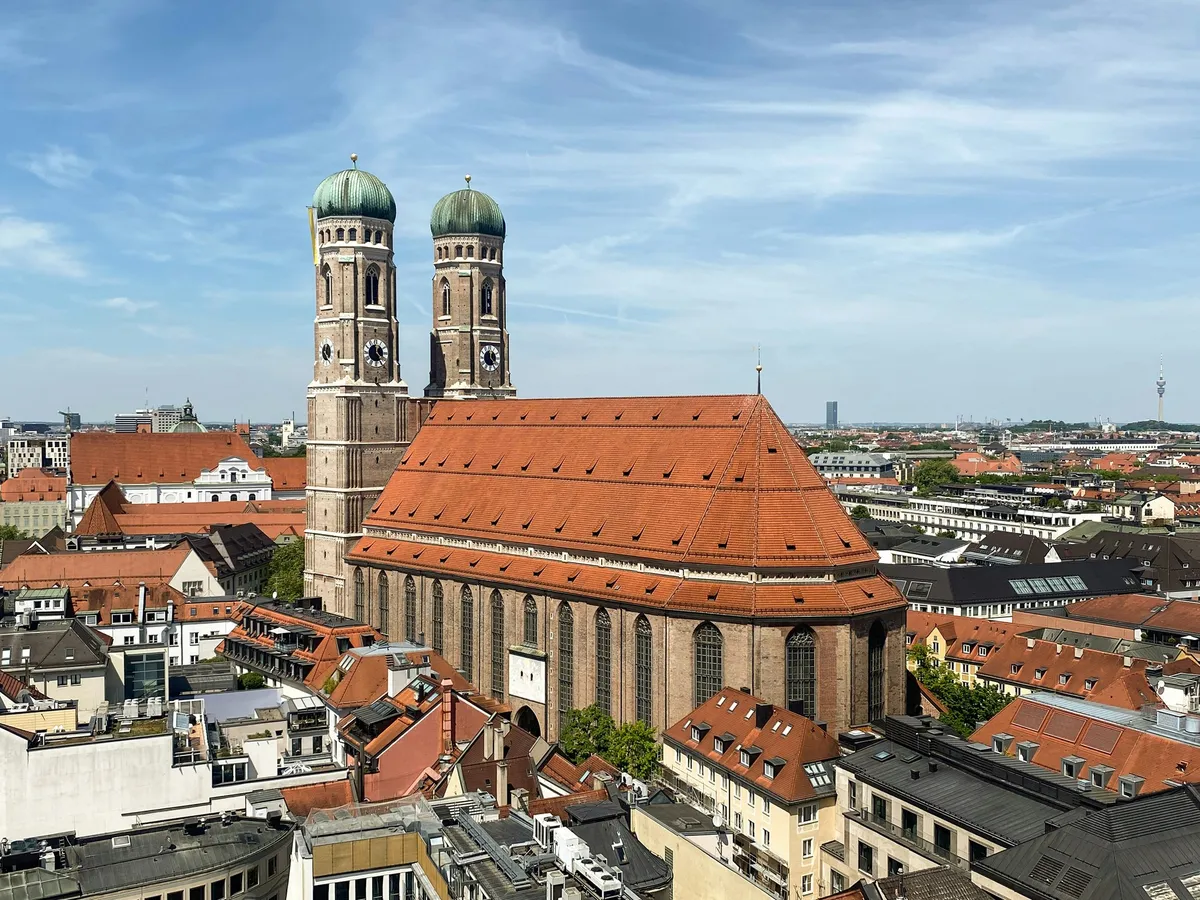
Two towers with characteristic "onion" domes are the main symbol of the city, without which no postcard can be imagined. Inside, the cathedral impresses with its asceticism and vast, light-filled space. Be sure to find the "devil's footprint" on the floor – a dark foot impression associated with a legend about how the builder outsmarted evil forces. For 8 €, you can climb the South Tower: the elevator ride will save your energy, and the view of the old city's tiled roofs and the distant silhouettes of the Alps will be the best shot of your trip.
Munich Residenz (Residenz)
This is a place where luxury is elevated to the absolute. The former castle and palace of the Wittelsbach kings is a labyrinth of a hundred halls, each more beautiful than the last. The most impressive room is the Antiquarium, a huge hall with vaulted ceilings, completely covered with delicate Renaissance frescoes. The scale of Bavarian history is palpable here. An entrance ticket costs 10-15 € depending on the chosen halls, and this is a fair price for the opportunity to walk through the state rooms where the fates of Europe were decided.
English Garden (Englischer Garten)
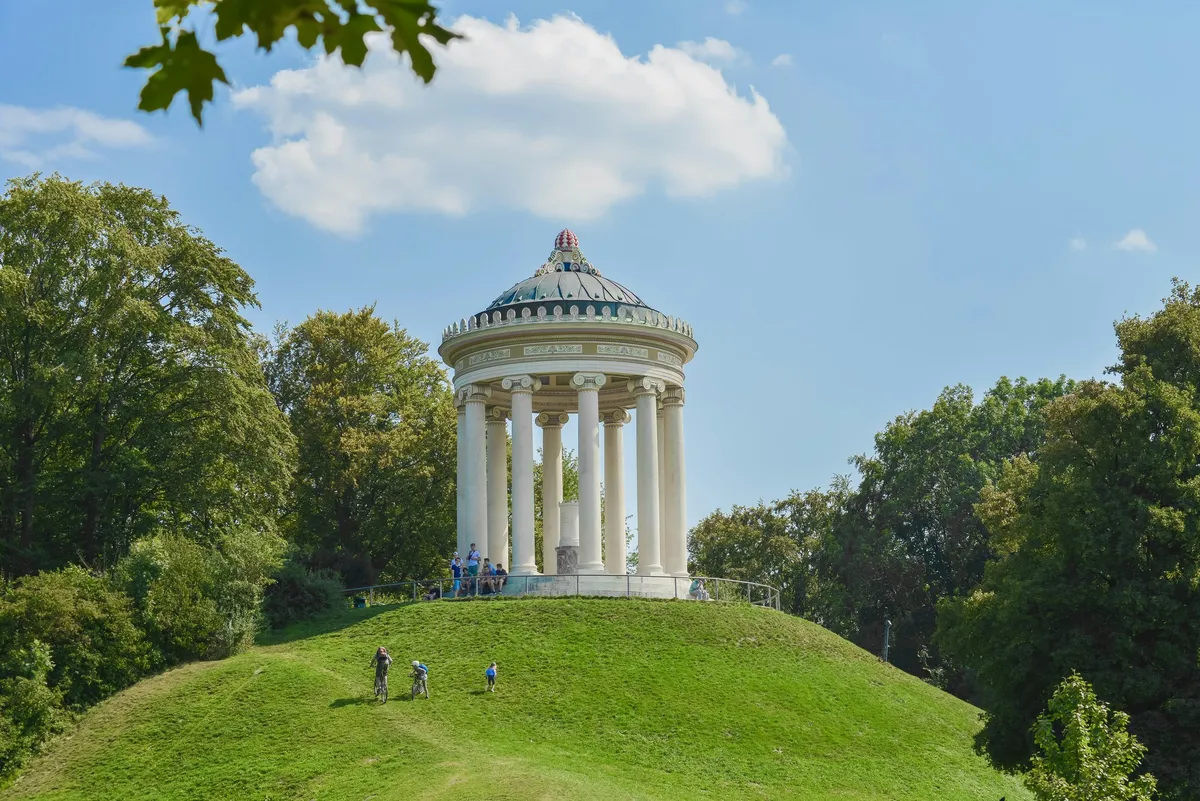
A park that breaks the stereotype of German primness. It is huge, wild, and vibrant. The main "rock star" here is the Eisbach River. Right at the entrance to the garden, a natural standing wave has formed, which surfers in wetsuits ride year-round. You can watch them for hours, leaning on the bridge railings. A little further into the garden is the Chinese Tower with a giant beer garden. Entry here is free, and the atmosphere of a universal celebration of life is priceless. A mug of cold drink and a pretzel in the shade of chestnut trees – that's the real Munich.
BMW Welt & Museum
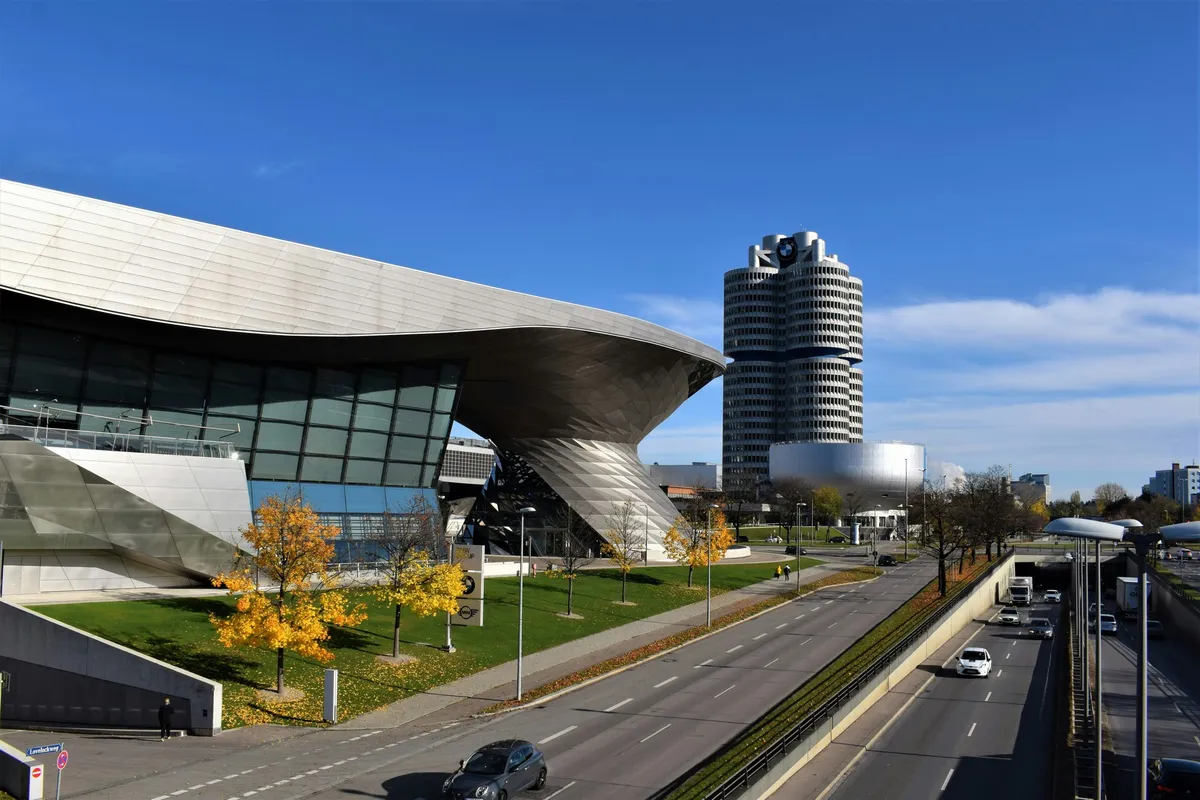
Even if you are indifferent to cars, this place will captivate you. The BMW Welt building is a masterpiece of modern architecture, resembling a steel cloud or a giant funnel. Entry here is free, and inside you can sit in the latest car or motorcycle models. Across the road is the Museum itself – a futuristic "bowl" where, for 14 €, the history of progress unfolds before you: from propeller planes to racing cars and concept cars that seem like visitors from the future.
Old Pinakothek (Alte Pinakothek)
One of the oldest and most significant galleries in the world, which is an architectural monument in itself. This is a place where you can come face to face with masterpieces of the Renaissance and Baroque – from Leonardo da Vinci and Raphael to Rubens and Albrecht Dürer. A special feature of the museum is its huge halls with overhead lighting, which create ideal conditions for contemplating art. An entrance ticket costs 7 €, and on Sundays, there is a pleasant tradition – entry for all visitors costs only 1 €, making high culture accessible to everyone.
Nymphenburg Palace (Schloss Nymphenburg)
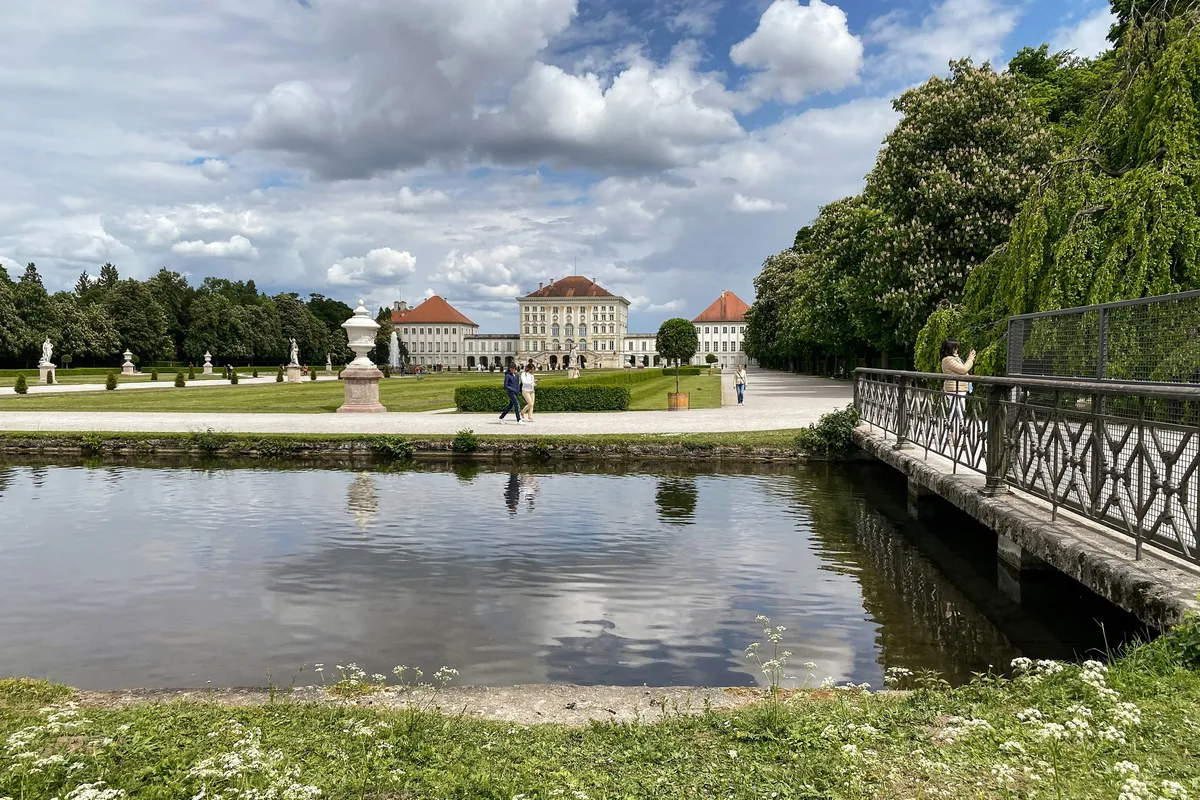
The country residence of Bavarian rulers, which over time found itself almost within the city limits. This elegant Baroque palace is surrounded by a magnificent formal park with canals where swans swim. The main highlight inside is the "Gallery of Beauties," a series of portraits of the most beautiful women of 19th-century Munich, commissioned by King Ludwig I. A walk through the park is free, and a ticket to the palace and adjacent pavilions costs about 15 €, offering an immersion into the atmosphere of royal leisure surrounded by blooming gardens.
Viktualienmarkt
This is not just a food market, but the gastronomic soul of the city under the open sky. For two hundred years, everything has been sold here: from rare spices and exotic fruits to traditional Bavarian cheeses and homemade pickles. The special feature of the place is its indescribable charm and the "Maypole" in the center of the square. Entry, of course, is free, but it's practically impossible to leave without spending 10-20 € on the freshest farm delicacies or lunch in a local beer garden under the shade of trees.
What to see in Munich in one day
If you only have 24 hours, focus on the old town. Start your morning at Marienplatz to catch the clock chime. Then visit Frauenkirche and climb the tower of St. Peter's Church – only from there can you get a panoramic shot of the Town Hall in all its glory. Around noon, head to Viktualienmarkt for farm delicacies, and after lunch, stroll to the English Garden to appreciate the surfers' skill. Spend the evening at the legendary beer hall Hofbräuhaus – it's not just a restaurant, but a true temple of Bavarian life with brass bands and waiters carrying six liter mugs in each hand.
Transport in Munich
Munich's transport system (MVV) operates with German punctuality. A single ticket is valid for all types of transport here, which must be validated in small blue or orange machines before your first journey.
Metro (U-Bahn): this is the backbone of urban transport. Bright blue trains will quickly take you anywhere. Lines intersect in the center at Marienplatz and the main station. The interval between trains is about 5-10 minutes. Note that doors in older carriages must be opened manually by pulling the handles.
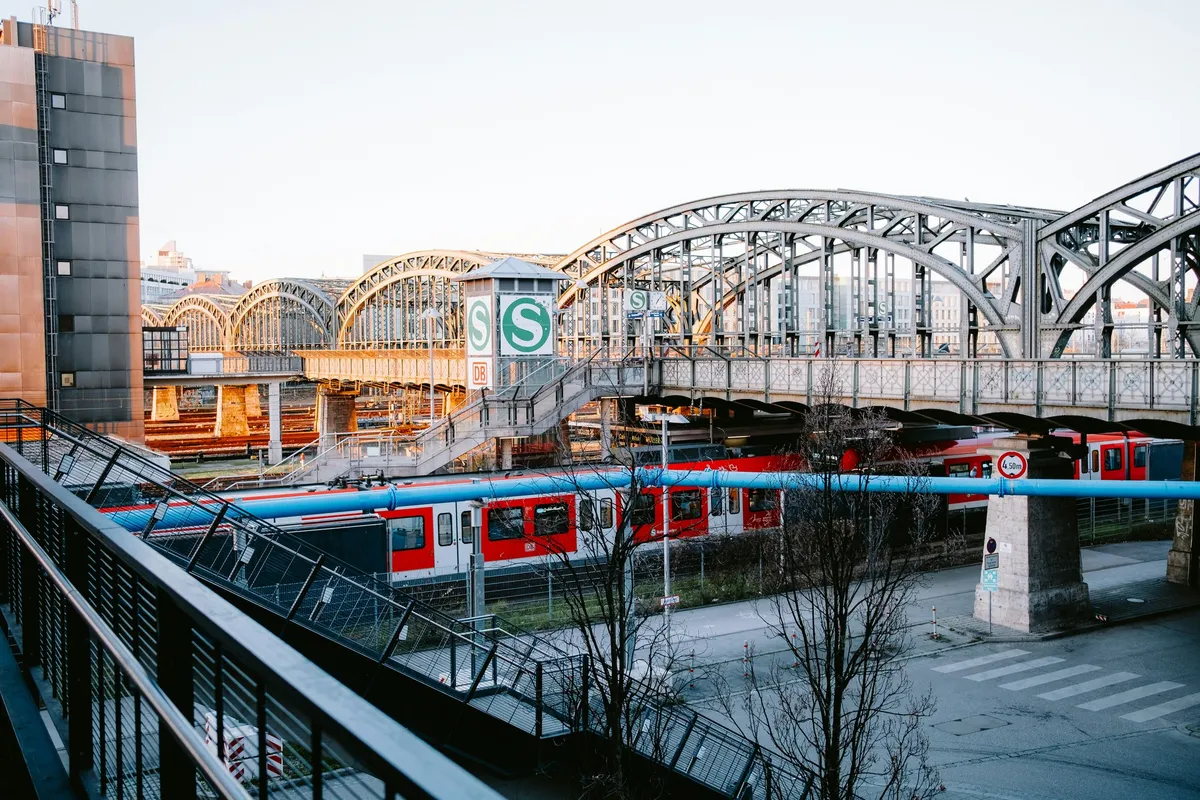
Suburban trains (S-Bahn): red electric trains that connect the city with its outskirts and the airport. In the central part of Munich, they run through the so-called "trunk line" (Stammstrecke) underground, duplicating the metro. This is the fastest way to cross the city from end to end.
Trams (Straßenbahn): Munich's tram is not just transport, but an opportunity for a budget-friendly tour. For example, route No. 19 passes many iconic buildings in the center. Trams run very quietly and smoothly, and there are always display boards at stops with exact arrival times.
Buses: help you get to places where the rails don't reach. In addition to regular daytime routes, Munich has a well-developed network of night buses (Nachtbus), which will come in handy if you stay out late at a bar after the metro closes.
Bicycles: the city is completely flat and crisscrossed with bike paths. You can rent a bicycle through city apps (e.g., MVG Rad) and leave it in any permitted location.
Where to eat in Munich
Hofbräuhaus: a tourist mecca where you should order pork knuckle (Schweinshaxe) and feel the vibrations of centuries of history.
Schneider Bräuhaus: a cozy place serving legendary wheat beer and homemade Bavarian specialties away from the main tourist hustle.
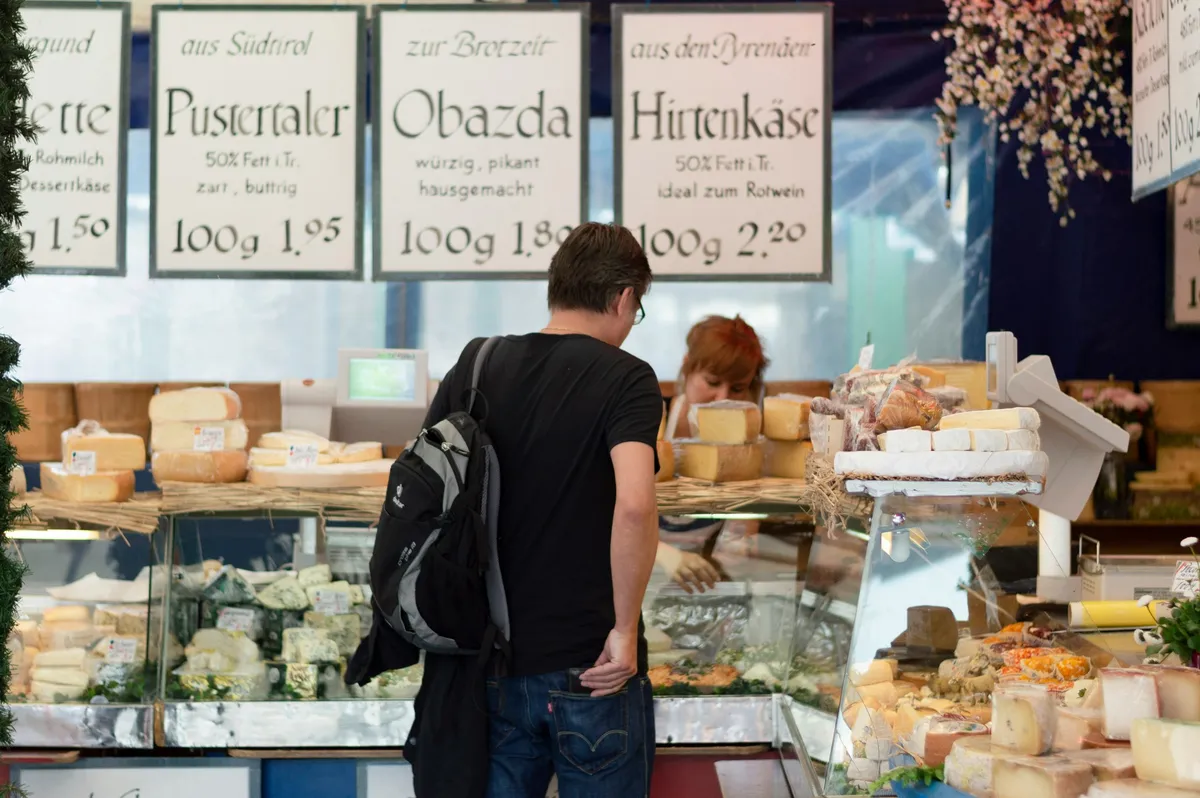
Viktualienmarkt: a market where you can grab a quick bite on the go or settle down at a table with a selection of local cheeses and famous white sausages.
Where to stay in Munich
The choice of district in Munich directly depends on what you want to see when you open your curtains in the morning.
Altstadt: the very heart of the city. Ideal if you want to be within walking distance of the Town Hall and main cathedrals. Here you'll find fashionable hotels with history. Living here is expensive, but you'll save on transport and can stroll through empty medieval streets before they fill with crowds of tourists.
Maxvorstadt: the student and museum quarter. Life here is bustling: endless coffee shops, bookstores, and the best art galleries. Hotels here are slightly more affordable, and the crowd is younger and more international. This is the best choice for those who appreciate an intellectual atmosphere and breakfasts at craft bakeries.
Ludwigsvorstadt and Isarvorstadt: districts adjacent to the main train station and Theresienwiese (where Oktoberfest takes place). Near the station, there are many budget chain hotels and hostels, which is convenient for early trips to castles. Isarvorstadt, on the other hand, is famous for its bars and proximity to the river – it's the epicenter of the city's nightlife.
Haidhausen: a quiet, almost "French" in spirit district on the right bank of the Isar. There's a lot of greenery here, few tourists, and very beautiful squares. If you're looking for an authentic Munich without the hustle and bustle, with small boutiques and family restaurants, this is definitely the place for you.
Schwabing: a former bohemian district north of the center. Here you'll find wide avenues, expensive real estate, and proximity to the English Garden. An excellent option for those who enjoy evening runs in the park and elegant dinners.
What to bring from Munich
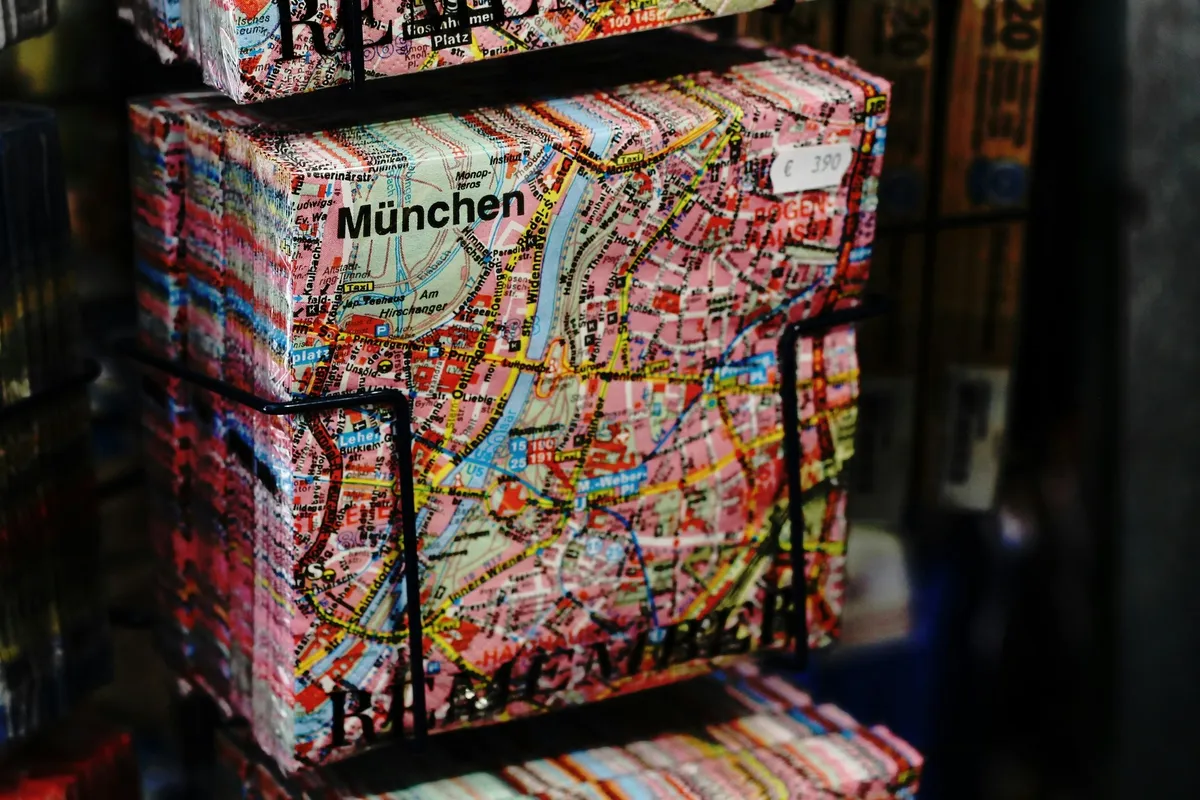
The best souvenir is one you can eat or use. Buy a jar of sweet mustard, which will remind you of the taste of a Bavarian breakfast even at home. A massive ceramic mug or a football club "Bayern" T-shirt makes an excellent gift. If you're looking for something more refined, visit Dallmayr for aromatic coffee or a set of handmade chocolates.
Munich is a city that makes you fall in love with its thoroughness and quality. It doesn't tolerate fuss, so allow yourself to simply get lost in its streets.