Flying to Mauritius: when is the season and what to see
Mauritius is one of the countries where you can leave Russia right now, to walk through places where the Dodo bird lived (yes, the one from the legendary pizza box), try diving to explore one of the largest coral reefs, and visit the oldest lighthouse on the island.
We figured out when it's best to go to the island, what entry rules for the country are in effect, and what you definitely need to see. Let's go!
Key Information
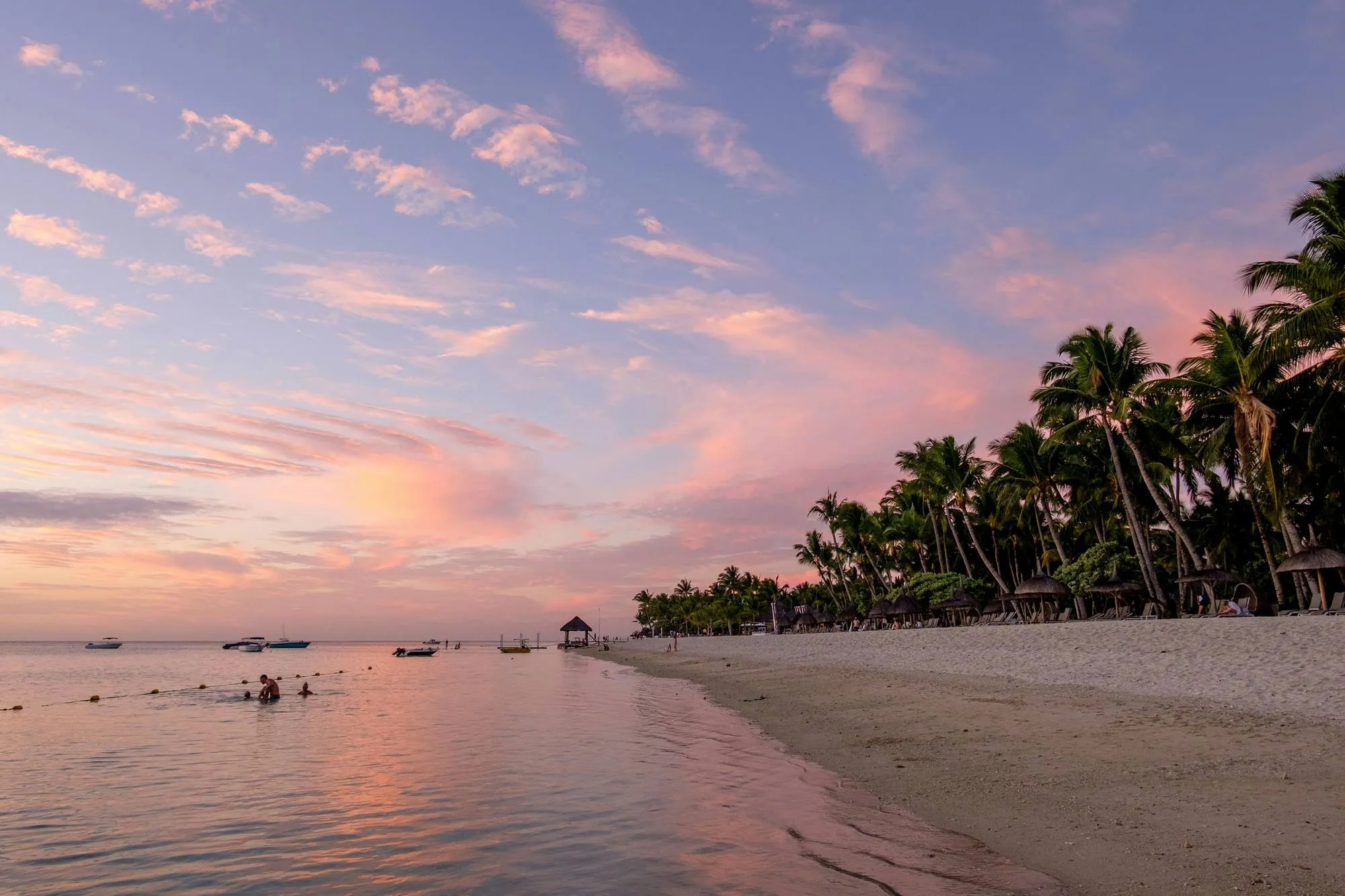
Mauritius is a state on a volcanic island located in Southeast Africa. The location was discovered in the 16th century by the Portuguese, later became a colony of France and Great Britain, and is now considered the second wealthiest population after the Seychelles in the region.
So the level of comfort for tourists here is appropriate: you'll have to spend money for vivid impressions. But afterwards, you'll have the aftertaste of a journey to an authentic African country.
How to Organize a Trip to Mauritius
How to get to Mauritius
Only by flying. Unfortunately, there are no direct flights currently, so the fastest option is with a layover in Dubai. When buying tickets to Mauritius or , expect to arrive at Sir Seewoosagur Ramgoolam International Airport. It is located approximately 50 km from the capital, Port Louis.
When is the season in Mauritius
The most favorable time for travel is from November to May, when summer arrives in the hemisphere. During this period, rainfall is extremely rare, and the air warms up to a comfortable +29 degrees Celsius, which, due to the influence of the Indian Ocean, is much easier to tolerate than in continental Africa.
During the summer in Russia (and, consequently, winter in Mauritius), the thermometer rarely drops below +20 degrees Celsius during the day, but winds pick up strength. Therefore, if you suddenly decide to explore the island between May and October inclusive, you can certainly do so, but it's better to choose the northern and western coasts to avoid bothersome air currents.
Do you need a visa to travel to Mauritius
In short, no, if you are flying there for up to 60 days. But here's what's really important: at passport control, they will check for return tickets, a bank statement showing financial means on your cards at a rate of at least $100 per day, and documents confirming your hotel booking and purpose of travel. Your international passport must be valid for the entire duration of your trip.
What currency to pay with
The main currency used in the country is the Mauritian Rupee (MUR). Since the state was previously a European colony, they still maintain a close financial connection, so it is most advantageous to exchange Euros for Rupees.
What to see in Mauritius
Le Morne Brabant Mountain
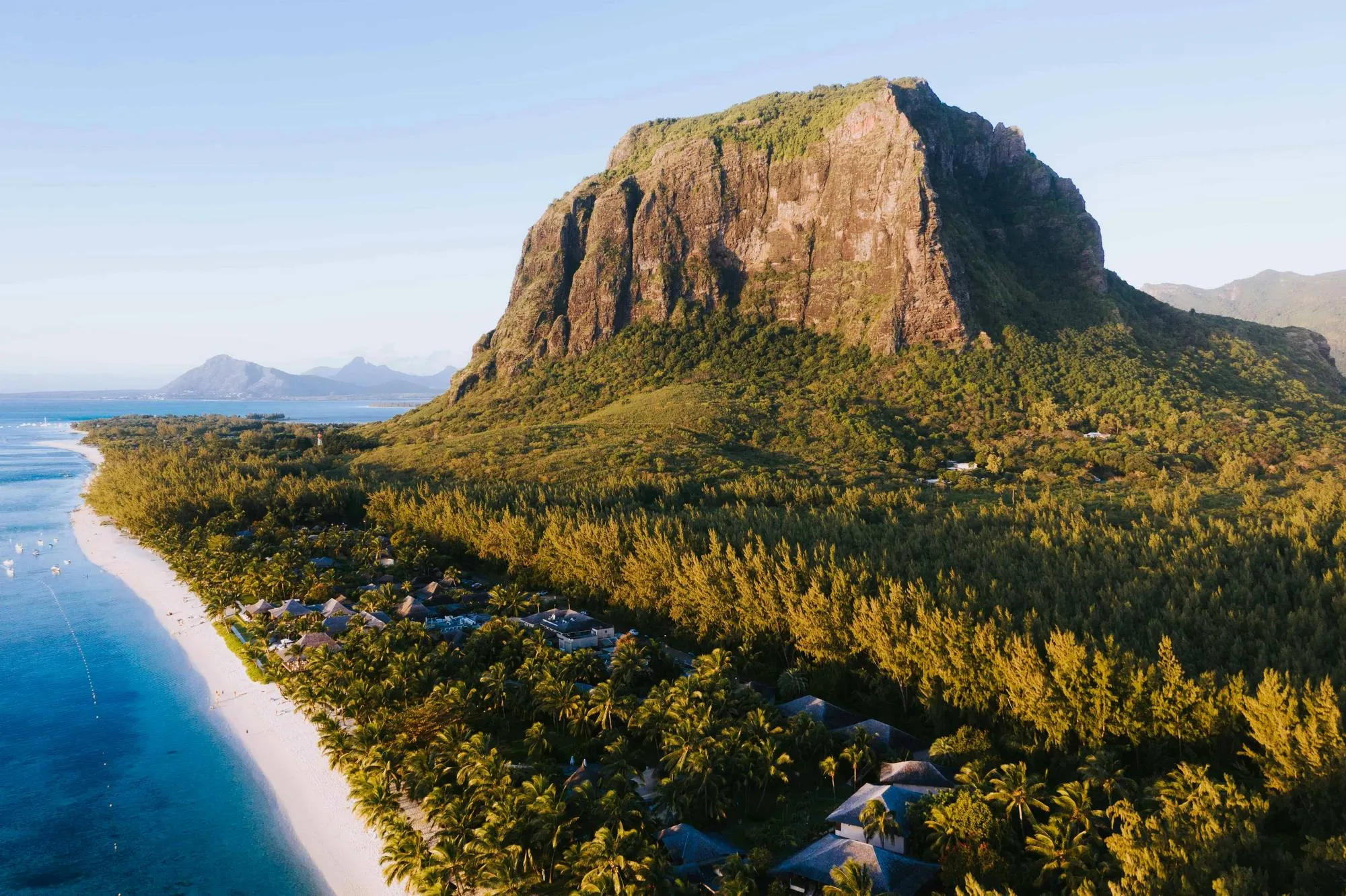
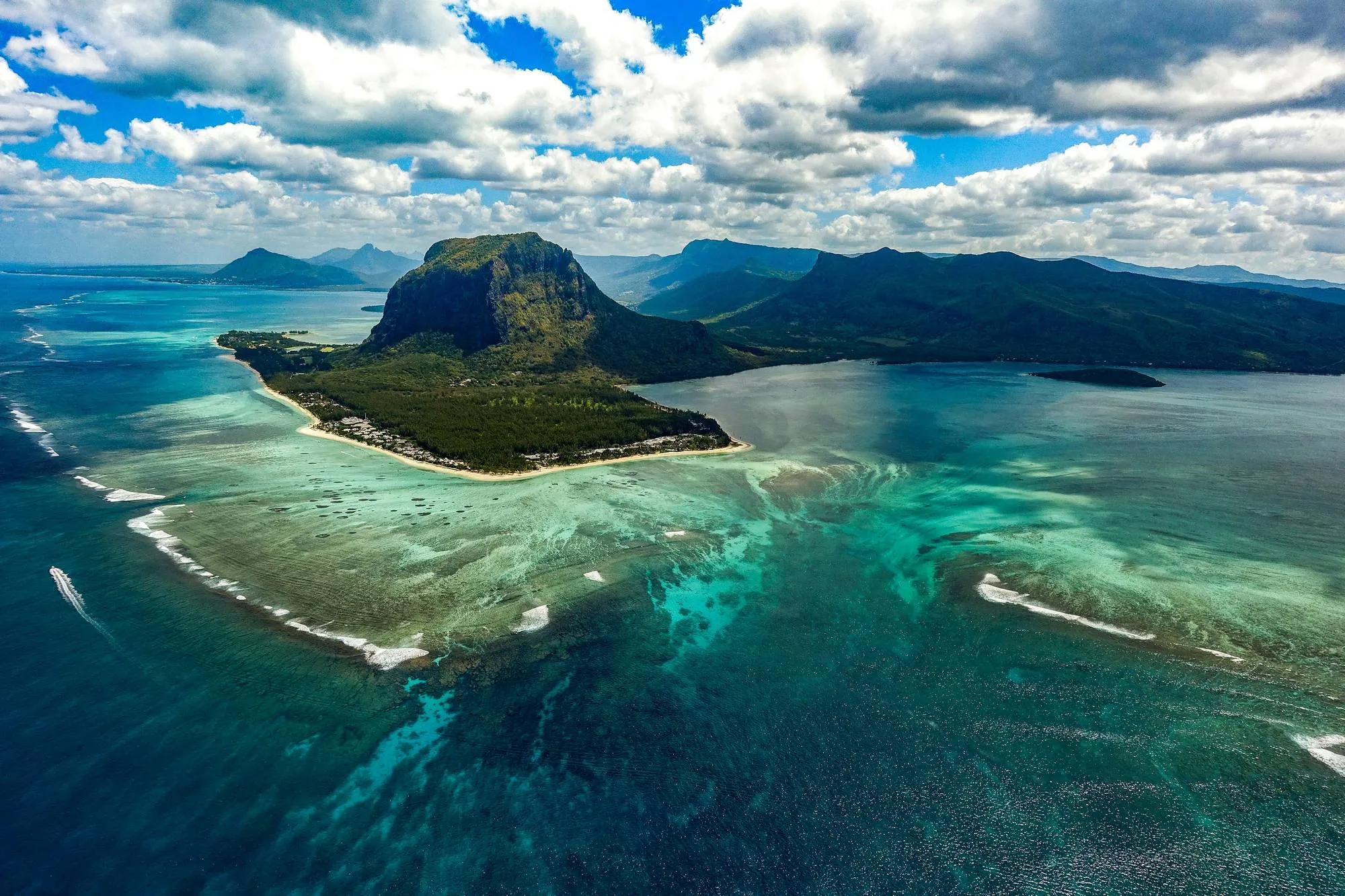
One of the most visited attractions in Mauritius with a rich history. In the 19th century, runaway slaves hid here until the abolition of slavery on February 1, 1835. Hiking enthusiasts can walk along the tourist trail on Le Morne Brabant to a height of 490 meters to admire the picturesque panorama of the Indian Ocean. But the location also has another side that attracts guests — a cool spot for surfing, diving, kiting, and other "-ings" responsible for active recreation. Blue water and a wondrous underwater world — and nothing more is needed for happiness.
Underwater Waterfall of Mauritius
The trick of an optical illusion and no fraud. The underwater waterfall of Mauritius doesn't actually exist, but this information doesn't make the location any less picturesque. Due to the movement of silt along the bottom of the Indian Ocean and its flow down the underwater slope, it creates the sensation that a stream of water is cascading into the depths. You can capture this phenomenon near Le Morne Brabant Cape, so after climbing the mountain, be sure to take the opportunity to photograph this natural wonder.
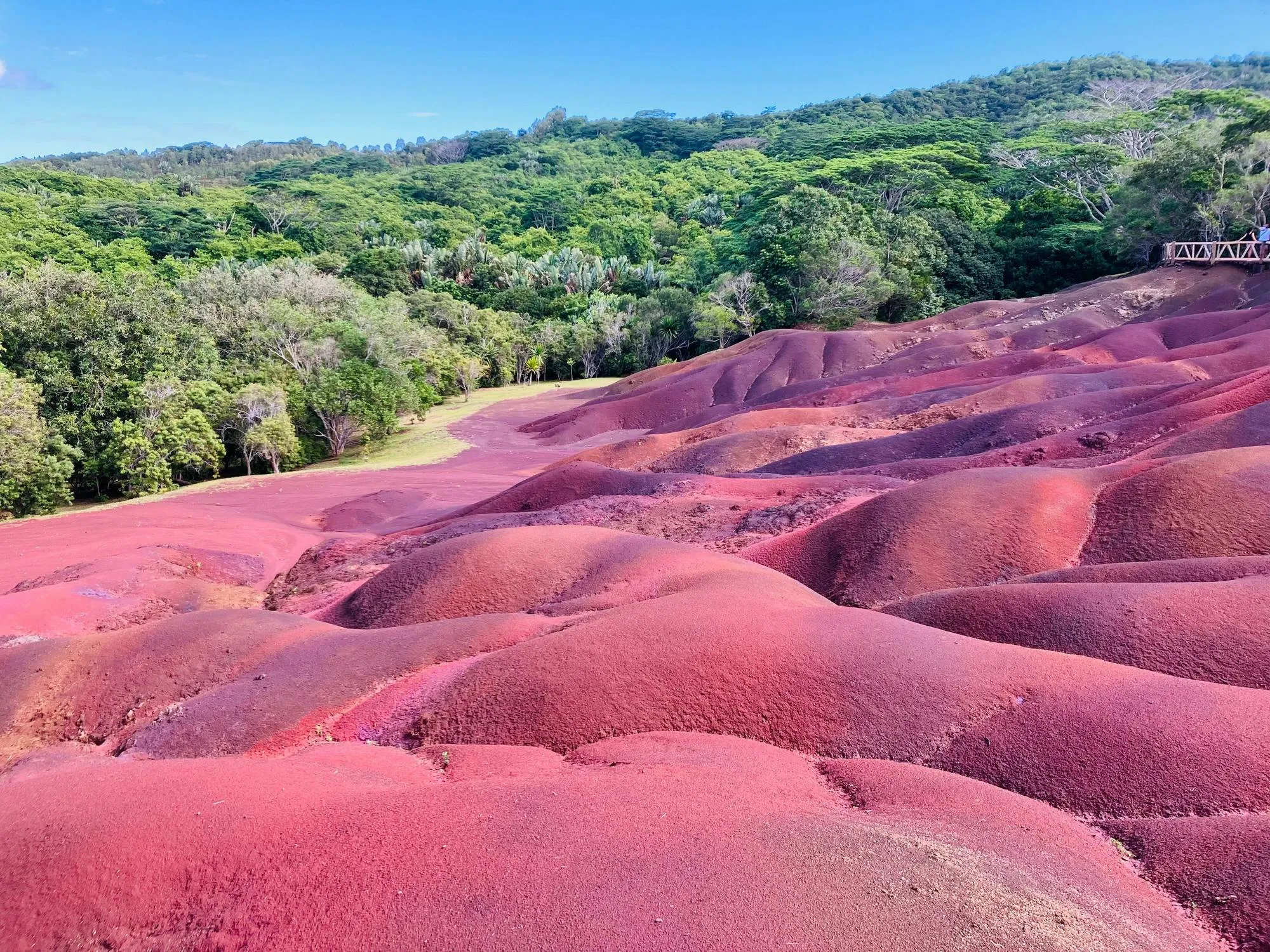
Seven Coloured Earths of Chamarel
The location in the southwestern part of the island is quite popular among travelers. Due to volcanic eruptions and the cooling of lava on different soil types, the sands have acquired unusual shades, which merge into dunes with an interesting gradient within the area. Guests most often come to the geopark closer to evening to see the Chamarel waterfall and the shimmering sands in the sunset rays. Touching the sand with hands and taking it outside the territory is prohibited, but for a certain number of Mauritian rupees, you can buy it in a flask at a souvenir shop.
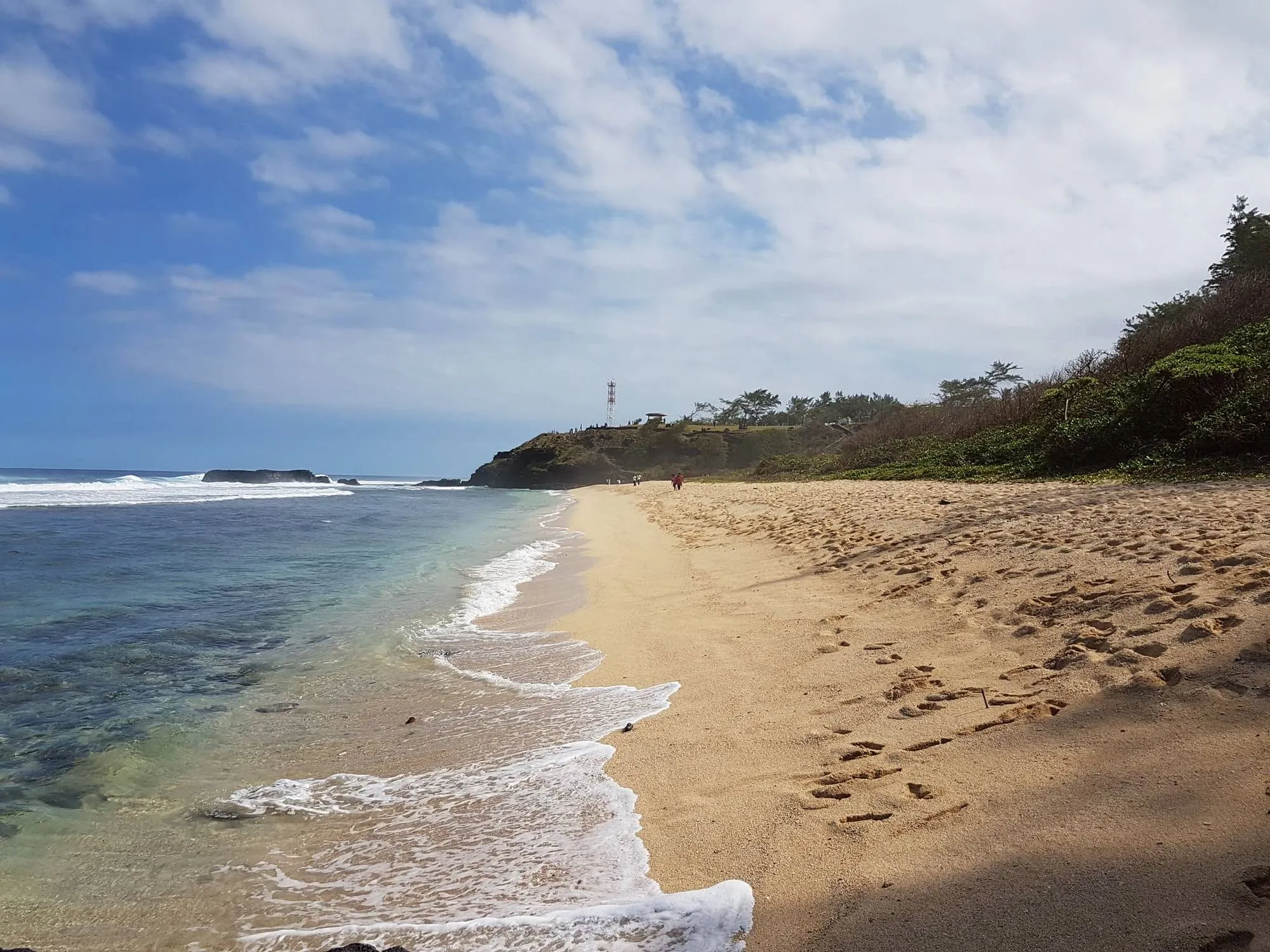
Gris Gris Cape
You must visit the southernmost point of the island, Gris Gris Cape, to see the only location not protected by a coral reef. From the observation deck located on the cape's shore, a stunning view of the ocean unfolds. By the way, an interesting fact — due to strong gusts of wind, local trees grow at an incline. Being here, you feel as if you've reached the end of the world. However, it's always best to keep a jacket or warm clothing handy — intermittent air currents rage here constantly, regardless of the season.
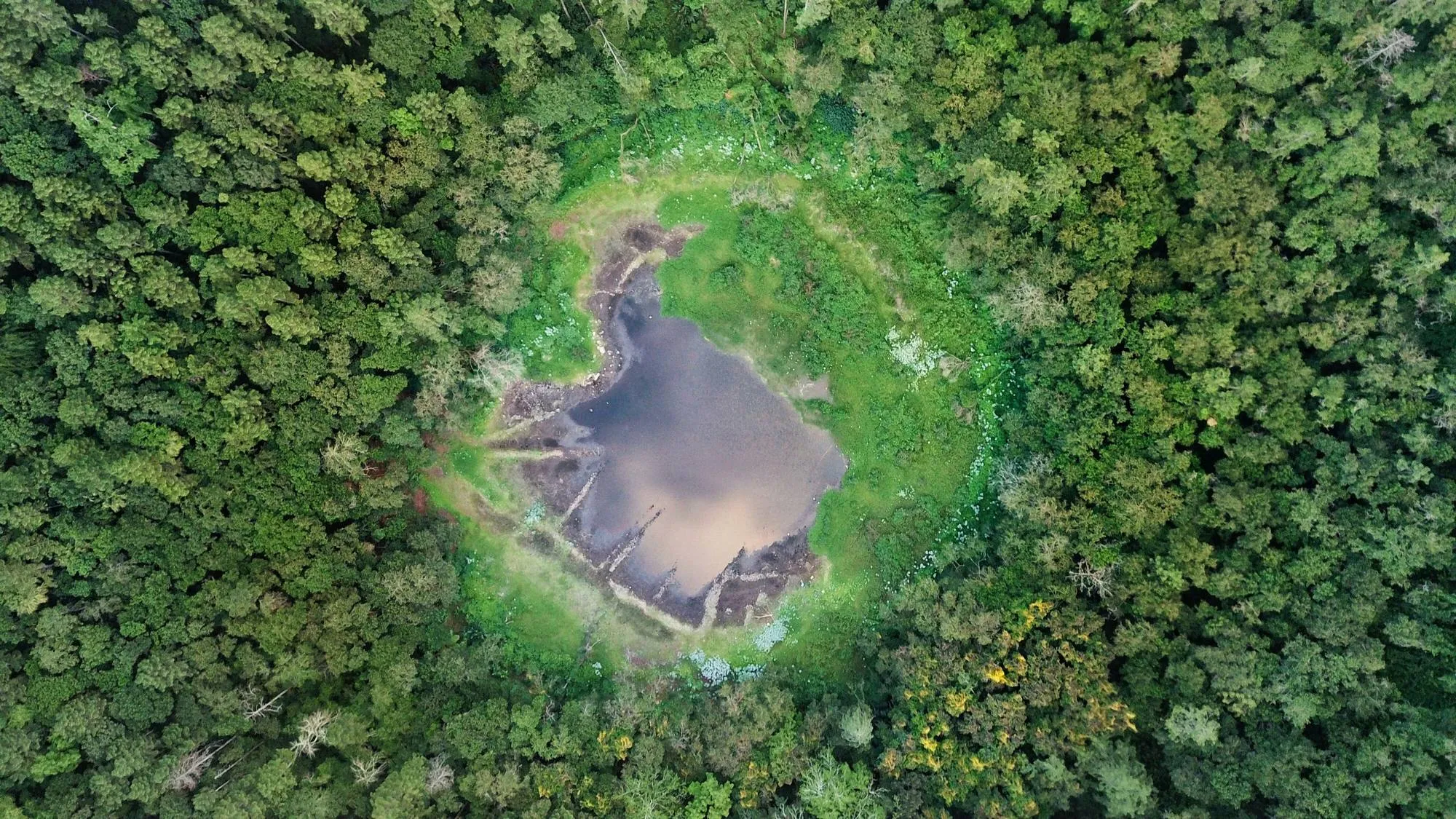
Trou aux Cerfs Volcano Crater
Long, long ago (specifically, about two million years ago), volcanoes erupted with all their might to form the island of Mauritius. And now, centuries later, evidence of this history can be seen firsthand in the central part of the island. Not far from the town of Curepipe is the dormant volcano Trou aux Cerfs, whose crater is overgrown with forests, giving the location a unique appearance. At its bottom lies Grand Bassin Lake, whose waters are considered sacred — a temple to the god Shiva rises on its shore. In the center of the reservoir is a small islet, God's Island, where people are not allowed to tread.
Albion Lighthouse
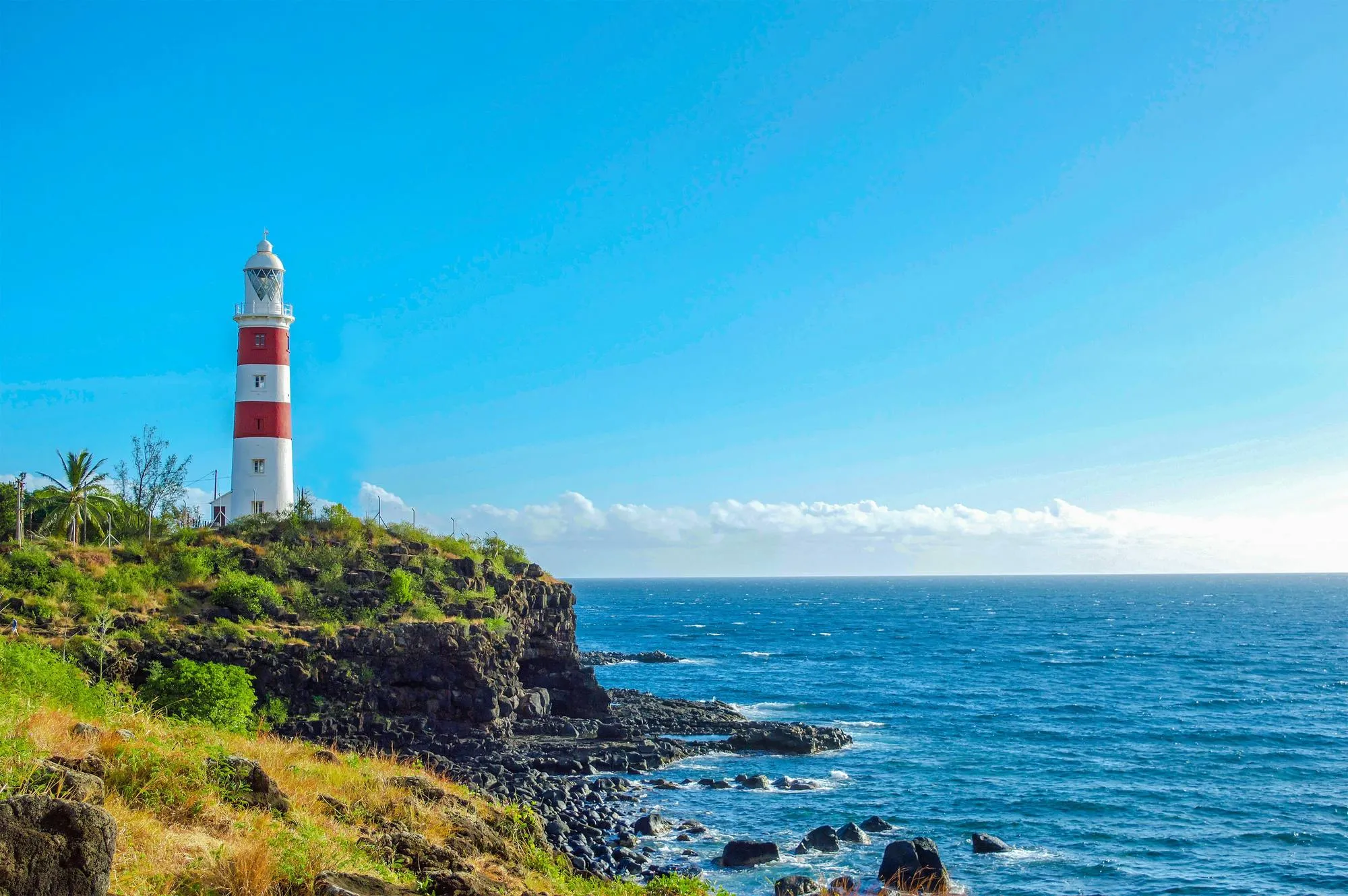
This lighthouse, also known as Pointe aux Caves, is considered the oldest in Mauritius. It was built in 1910 and operates to this day, guiding vessels heading to Port Louis harbor. Tourists say that you can climb the lighthouse itself, but you need permission from the Mauritius Ports Authority. Even if you don't get to climb the lighthouse, don't despair: simply walking through the local nature is an incomparable experience!
Bois Cheri Tea Plantation
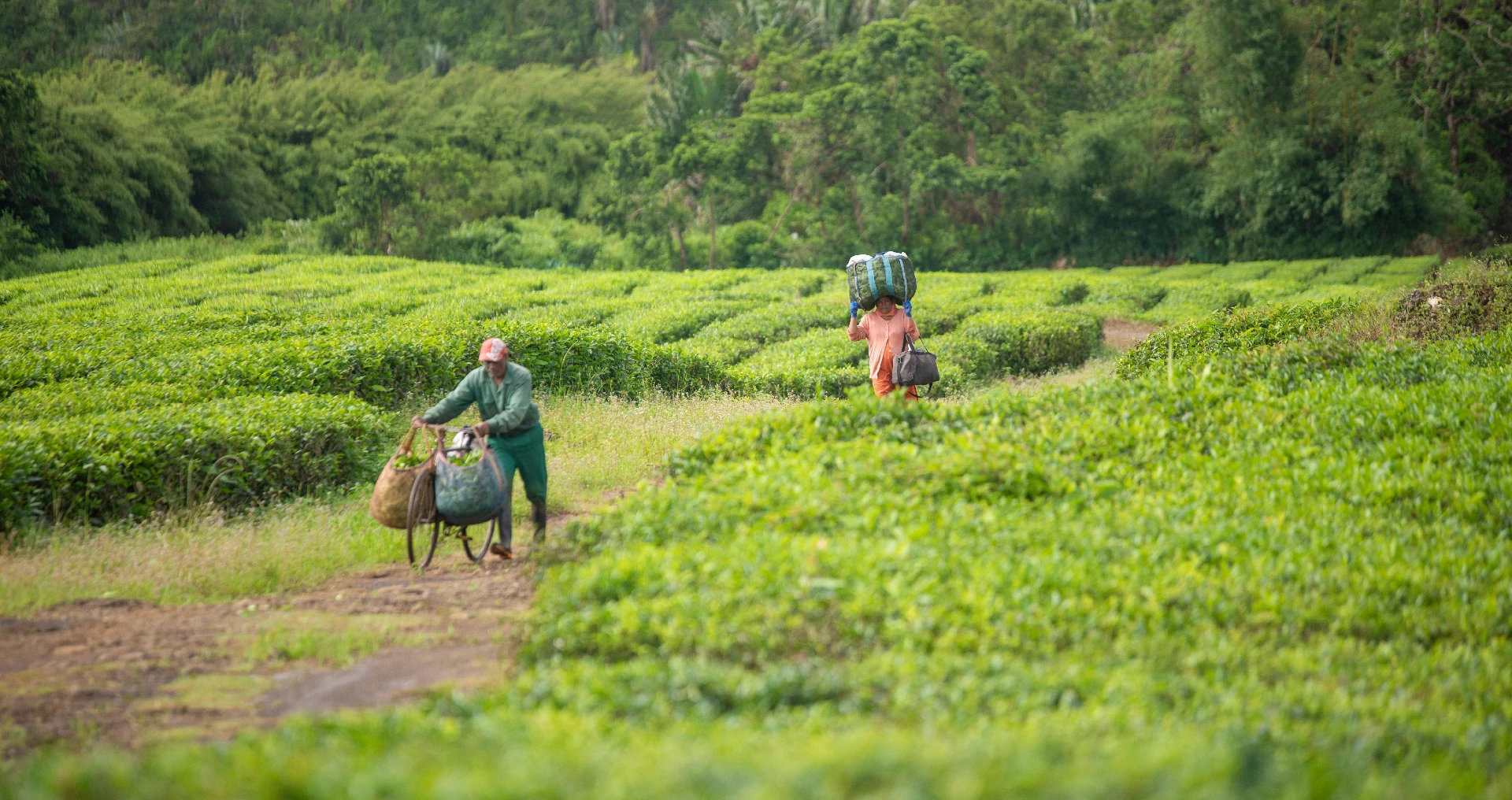
The Bois Cheri Tea Plantation began operating in the Savanne district in the late 19th century and continues to function to this day. Travelers come to visit the fields, learn about the tea cultivation and harvesting process. The easiest way to get here is with an organized tour, which includes tea tasting, lunch, and a visit to the museum.
Things to Do
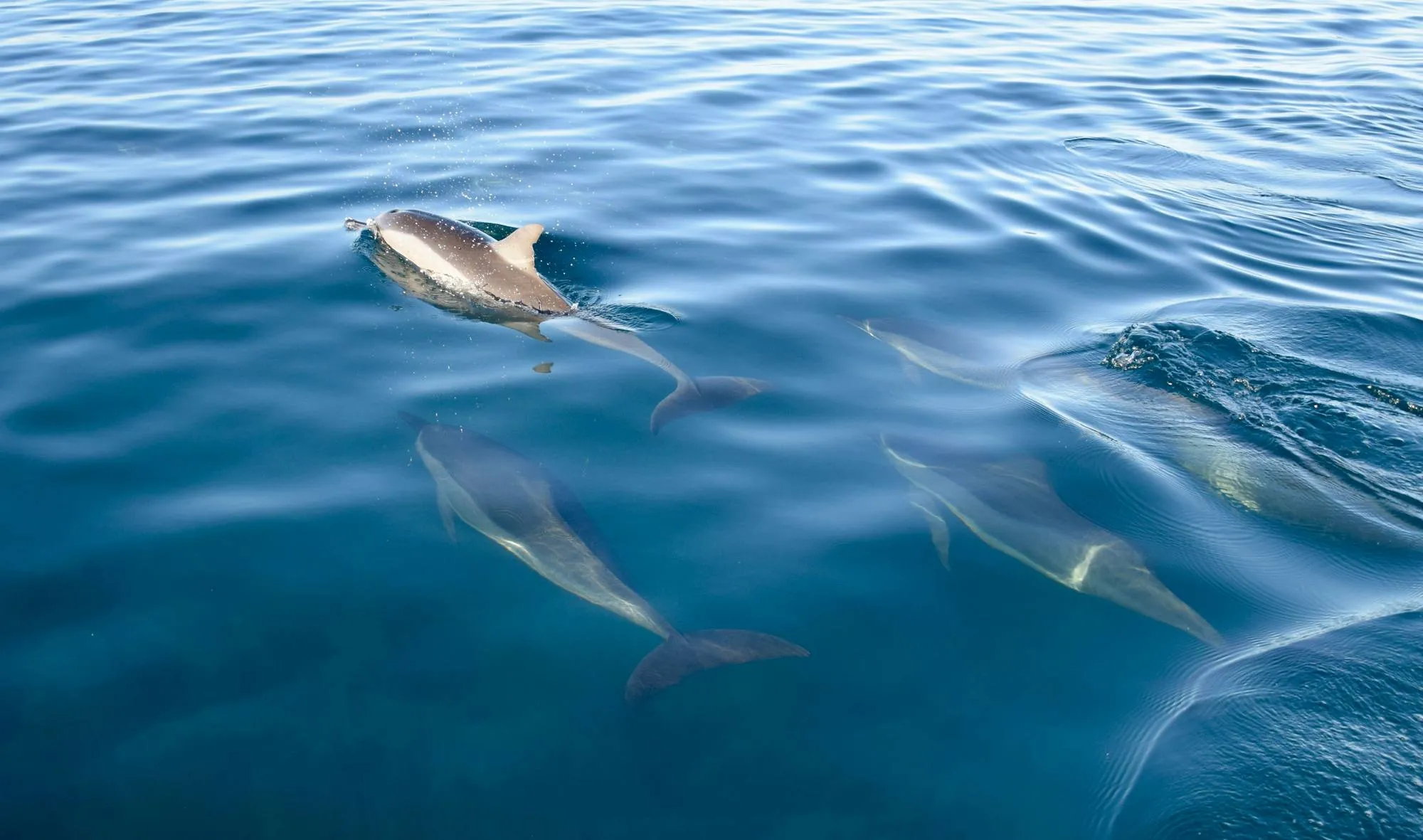
- Go catamaran sailing. The excursions are quite varied — you can explore the west coast in search of dolphins or head to Flat Island and Gabriel Island in the north of Mauritius;
- Have lunch at Flacq open market. On the island, you must try marlin fish in any form and local seafood;
- Visit the fishing village of Grand Baie to buy souvenirs at the local market. Be sure to choose cashmere products, rum, and local sweets;
- Spend a whole day walking through the Pamplemousses Botanical Garden to take photos among baobab trees, giant water lilies, nutmeg, and 85 different species of palms.
Done, you had a great time in Mauritius! See you on the next African island!