What to See in Milan
 Polina
Milan is often called the most underrated city in Europe. Travelers accustomed to open-air museums like Rome or Florence sometimes pass through it in transit, considering it merely a business center and a shopping destination. But this is a profound misconception. What kind of city is Milan really? It is the capital of Lombardy, the economic heart of the country, and a place where history intertwines with the future. Here, Leonardo da Vinci created his masterpieces, and Verdi wrote operas. If you're asking yourself, “Milan: what to see besides boutiques?”, make yourself comfortable. We have prepared for you the most detailed itinerary for a city that knows how to surprise.
Before diving into the Italian dolce vita, it's worth addressing logistical matters. Despite the absence of direct flights, getting here is not difficult via connecting hubs. Many travelers prefer to buy tickets to Milan on Kupi.com in advance (with a layover in Istanbul or Yerevan) to book the best dates. If you're flying from the Northern Capital, you can look for Saint Petersburg – Milan tickets, combining flights using complex routes from Kupi.com for an optimal price.
Milan Cathedral
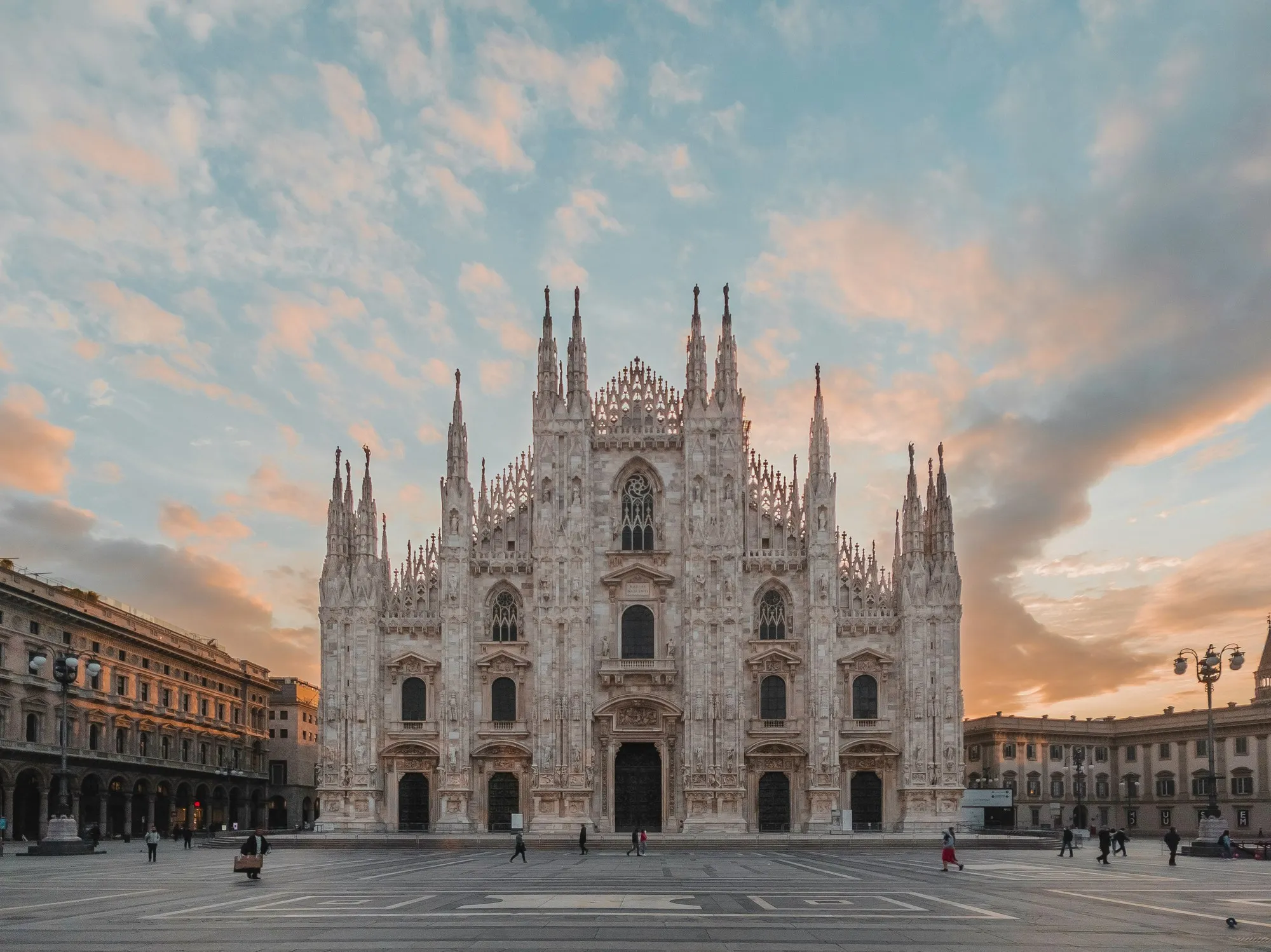
Any itinerary in Milan starts here. It's not just a church; it's a marble marvel that took almost six centuries to build. When you exit the metro at Duomo station, your breath is taken away: a snow-white colossal structure with thousands of spires, statues, and gargoyles rises before you.
The Duomo (Duomo di Milano) is the heart of the city and its geographical center. It is the fifth-largest Christian church in the world, capable of accommodating up to 40,000 people. But the most interesting things here are not only inside but also outside.
Cathedral Roof
Climbing to the Duomo terraces is a must-do. You can do this on foot via stairs (cheaper and more athletic) or by elevator. On the roof, you'll find yourself in a forest of marble spires. From here, a panoramic view of the entire city opens up, and on a clear day, you can even see the snow-capped peaks of the Alps. Here, on the highest spire, sits the golden statue of the Madonna (La Madonnina) – the patroness of Milanese. Taking a photo between the Gothic arches is every tourist's goal.
Inside the Cathedral
The interior impresses with its grandeur and somber solemnity. Pay attention to the stained-glass windows – they are among the largest in the world. And if you look down at your feet upon entering, you can see a sundial: a ray of sun passes through an opening in the roof and points to the zodiac signs on the floor.
Tip: to visit the cathedral without queues, buy tickets on Kupi.com online in advance. The queue at the ticket offices can stretch for an hour.

Galleria Vittorio Emanuele II
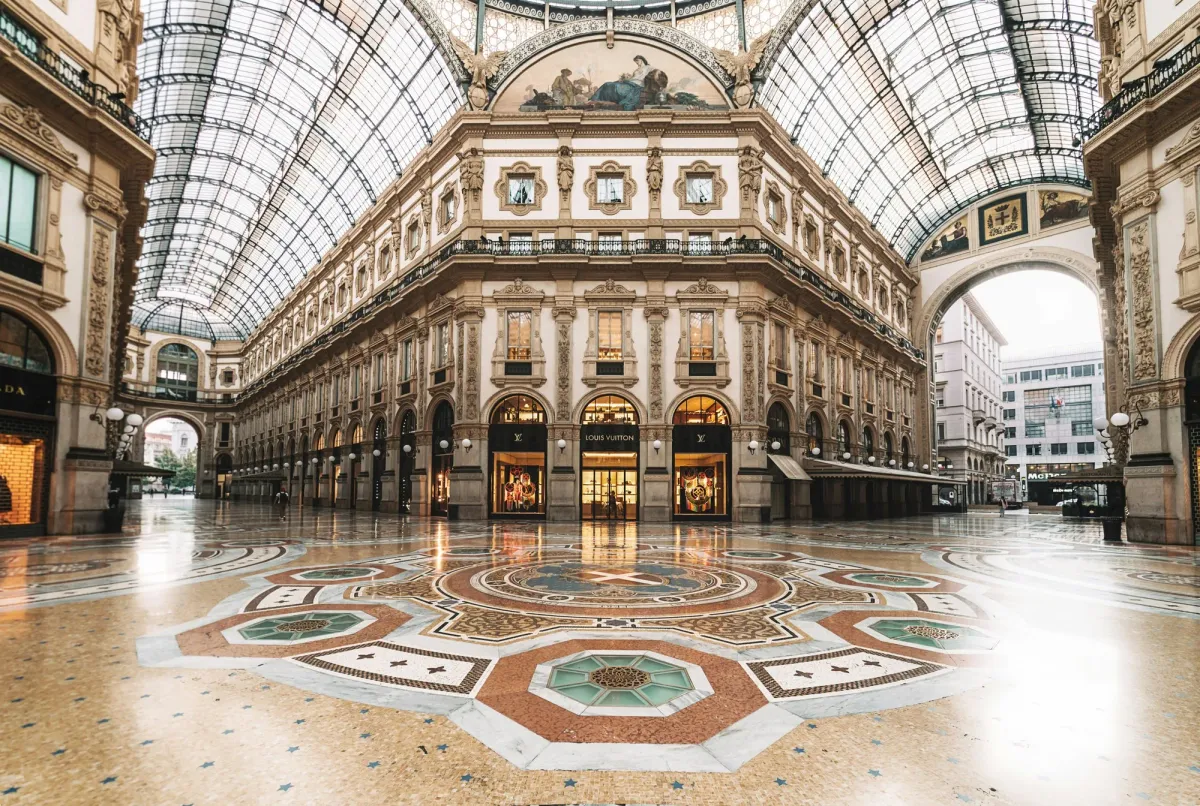
To the right of the Duomo is the entrance to one of the most beautiful shopping arcades in the world. The Galleria Vittorio Emanuele II is called the “Salotto di Milano” (Milan's Drawing Room). It is a 19th-century covered passage with an incredible glass dome and mosaic floor.
Here, expensive perfume and fresh coffee scent the air. This is the epicenter of luxury and the very place where the word “fashion” takes physical form. The display windows of Prada, Louis Vuitton, and Versace gleam with gold, but even if you don't plan to shop, a stroll here is a must.
Good luck ritual: find the mosaic of a bull (Turin's coat of arms) on the floor in the central part of the gallery. Legend has it: if you step on the bull's private parts with your heel and spin around three times, making a wish, it will surely come true, and you will return to Milan. You'll see this spot immediately – people always crowd there, and the mosaic in that area is significantly worn.
La Scala
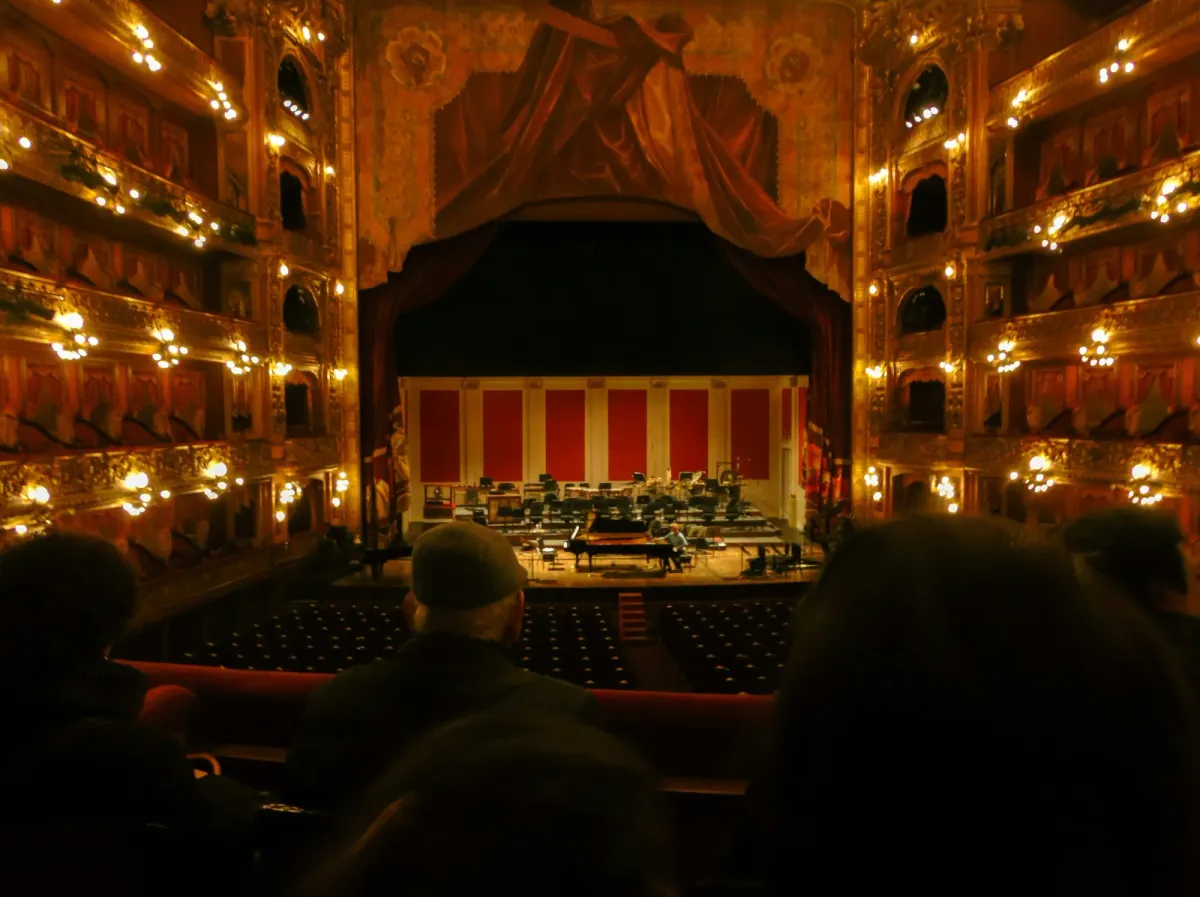
Passing through the Galleria, you will find yourself in Piazza della Scala. From the outside, the Teatro alla Scala building looks modest and even austere, which often disappoints tourists. But all the magic is hidden inside. This is the world's main opera stage, where the greatest voices in history have performed.
If you don't have time or budget for an opera, be sure to visit the theater museum. From there, you can peek into the auditorium with its red velvet-lined boxes and see the very luxury that is spoken of worldwide. This is an important cultural landmark of the city.
The Last Supper
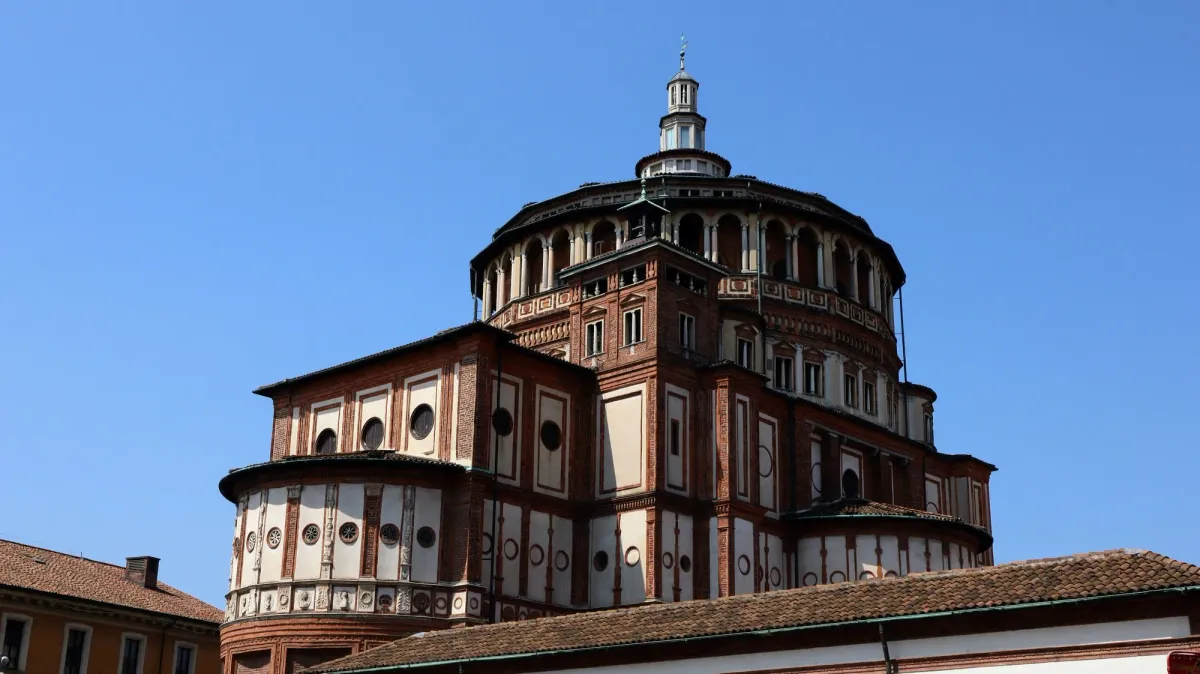
If you ask an art historian what to see in Milan first, they won't name the cathedral, but the refectory of the Church of Santa Maria delle Grazie. It is here, on the wall, that Leonardo da Vinci's fresco “The Last Supper” (L'Ultima Cena) is located.
This is not just a painting; it's a miracle that miraculously survived the bombings of World War II (the church was destroyed, but the wall with the fresco, protected by sandbags, stood firm).
Important: spontaneous entry here is impossible. Tickets sell out 2-3 months in advance. If you plan to explore Milan on your own, arrange your visit to Leonardo's masterpiece well in advance. Small groups are allowed inside for only 15 minutes, and the air there undergoes special filtration.
Sforza Castle and Sempione Park
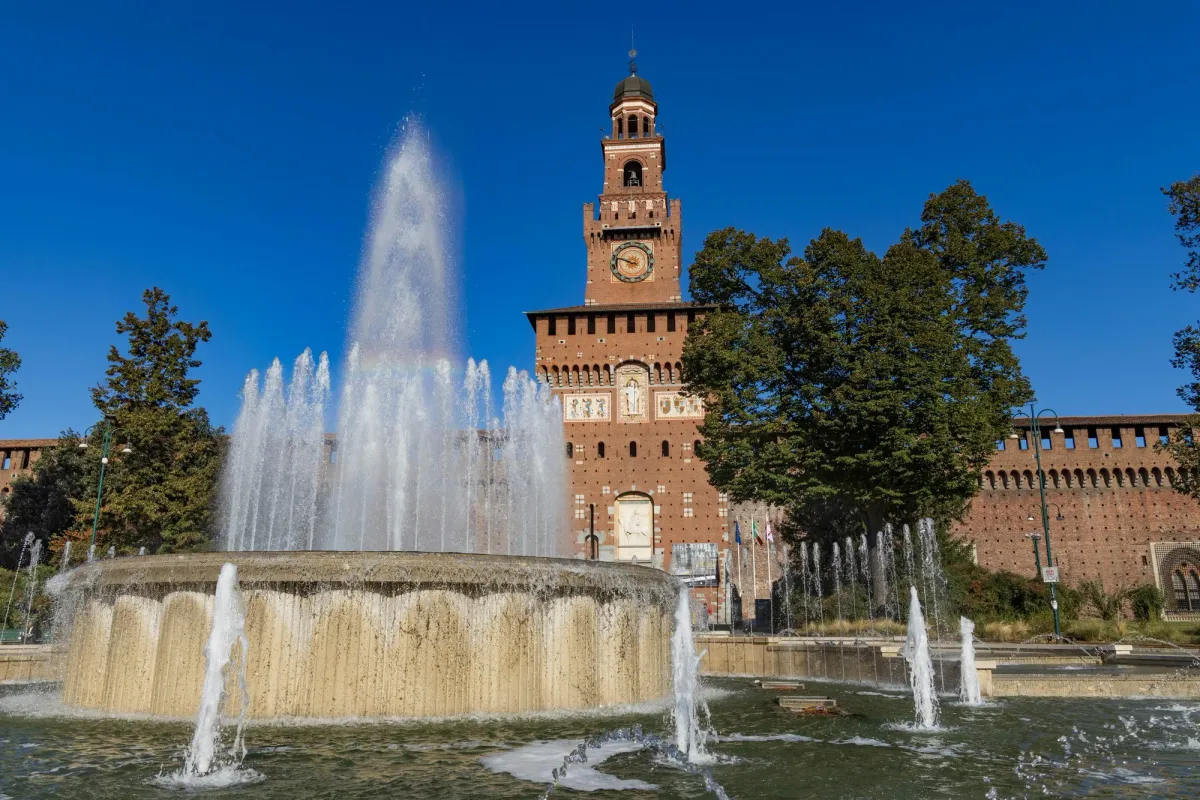
From the Duomo, you can walk along Via Dante to the majestic Castello Sforzesco. If it looks familiar to you, don't be surprised: Milanese architects who worked on it later built the Moscow Kremlin. The swallowtail battlements are a clear testament to this.
Once the residence of the Dukes of Milan, today it is a vast museum complex. Here you can see Michelangelo's unfinished sculpture “Rondanini Pietà,” Leonardo's frescoes, and museums of musical instruments. Entry to the castle courtyards is free; tickets are only required for the museums.
Immediately behind the castle lies Sempione Park – the city's “green lungs.” It's a favorite spot for Milanese for jogging and picnics. Walking through the park, you'll reach the Arch of Peace (Arco della Pace), which Napoleon began to build. This is an excellent location to take a panoramic photo against the backdrop of the park and the castle.
Brera District
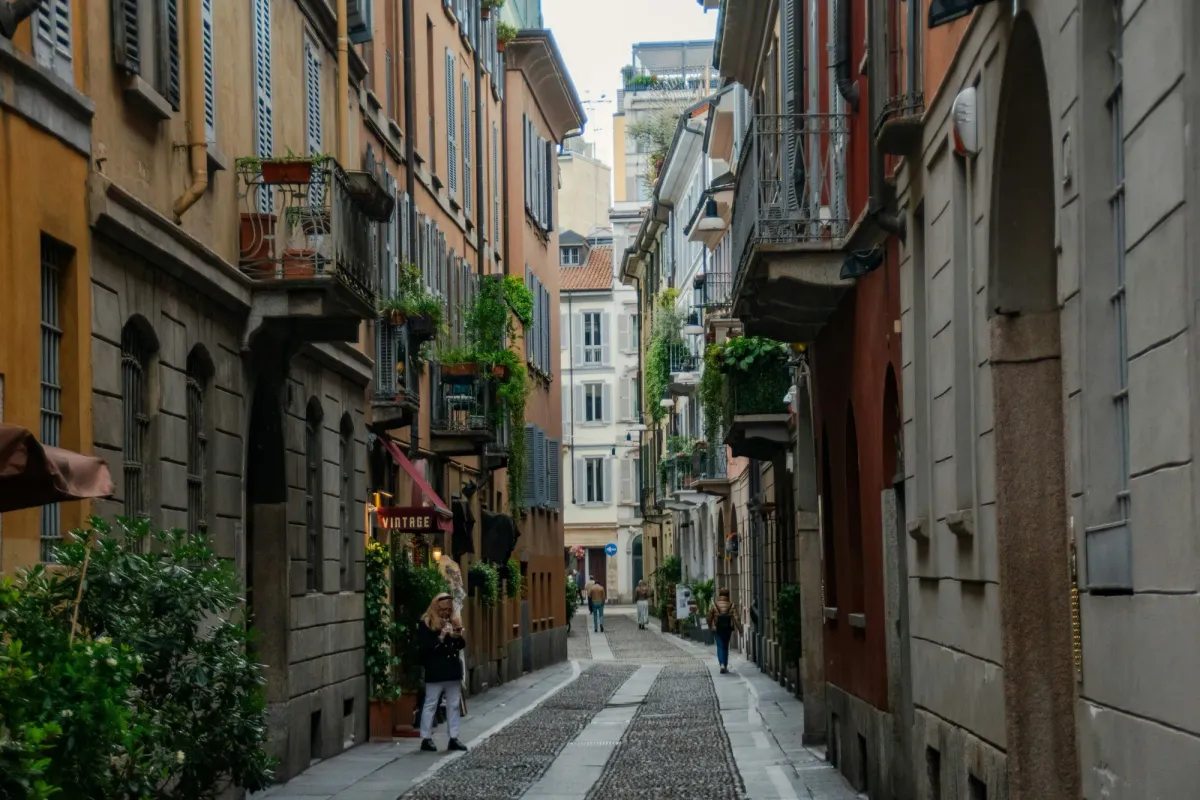
If you don't know where to go for the atmosphere of old, romantic Milan, head to the Brera district. It's an area of narrow cobblestone streets, balconies with flowers, fortune tellers sitting at small tables, and art galleries.
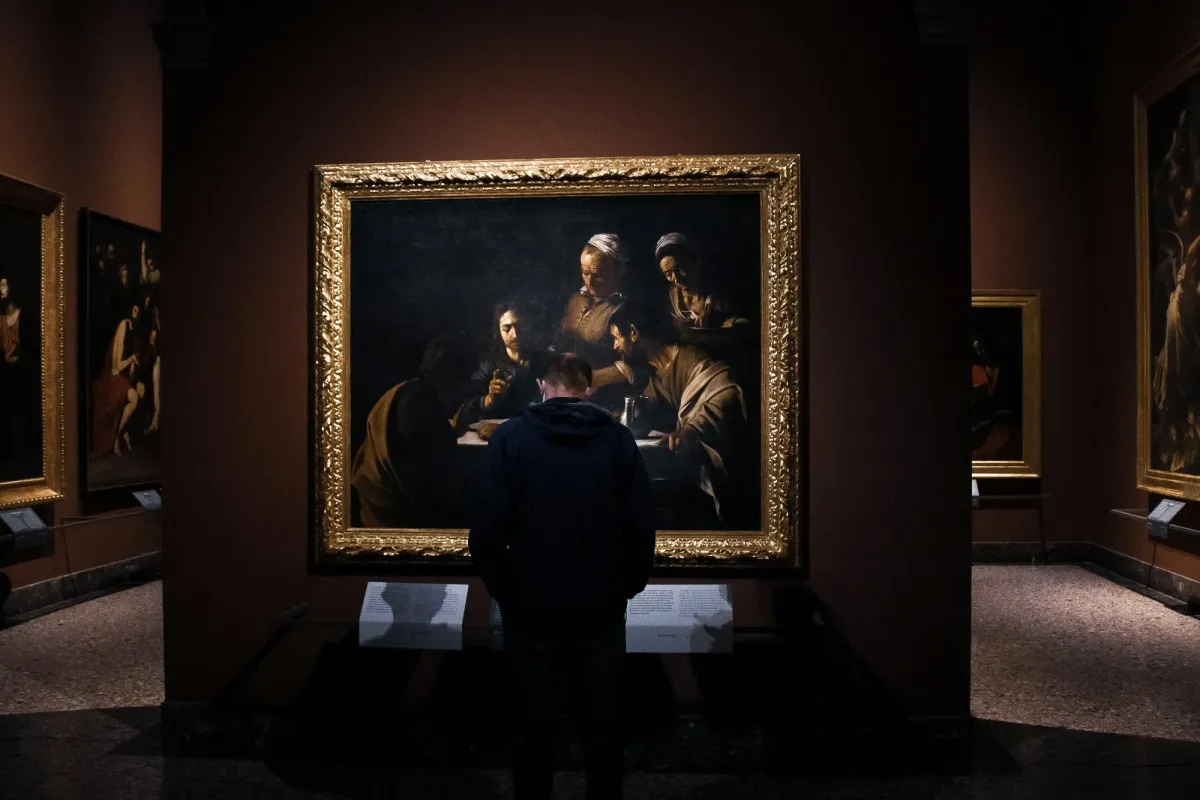
The main attraction here is the Pinacoteca di Brera. It is one of Italy's most important art galleries. It houses works by Raphael (“The Marriage of the Virgin”), Caravaggio, Tintoretto. But the most famous exhibit is Francesco Hayez's painting “The Kiss,” a symbol of Italian Romanticism.
After spiritual nourishment, Brera offers bodily sustenance: the district is full of cozy cafes and restaurants where prices are slightly above average, but the atmosphere is worth it.
Fashion District
Italy and fashion are inseparable. Northeast of the Duomo is the famous “Golden Quadrilateral of Fashion” (Quadrilatero della Moda), bounded by Via Montenapoleone, Via della Spiga, Via Manzoni, and Corso Venezia. This is a concentration of the world's most expensive boutiques.
Even if your budget doesn't include buying a handbag at the price of a car, a stroll here is worthwhile, like visiting a museum. Shop windows are designed as works of art, and on the streets, you can encounter the most stylish people on the planet. Here, fashion is a religion, and the streets are a runway.
Navigli
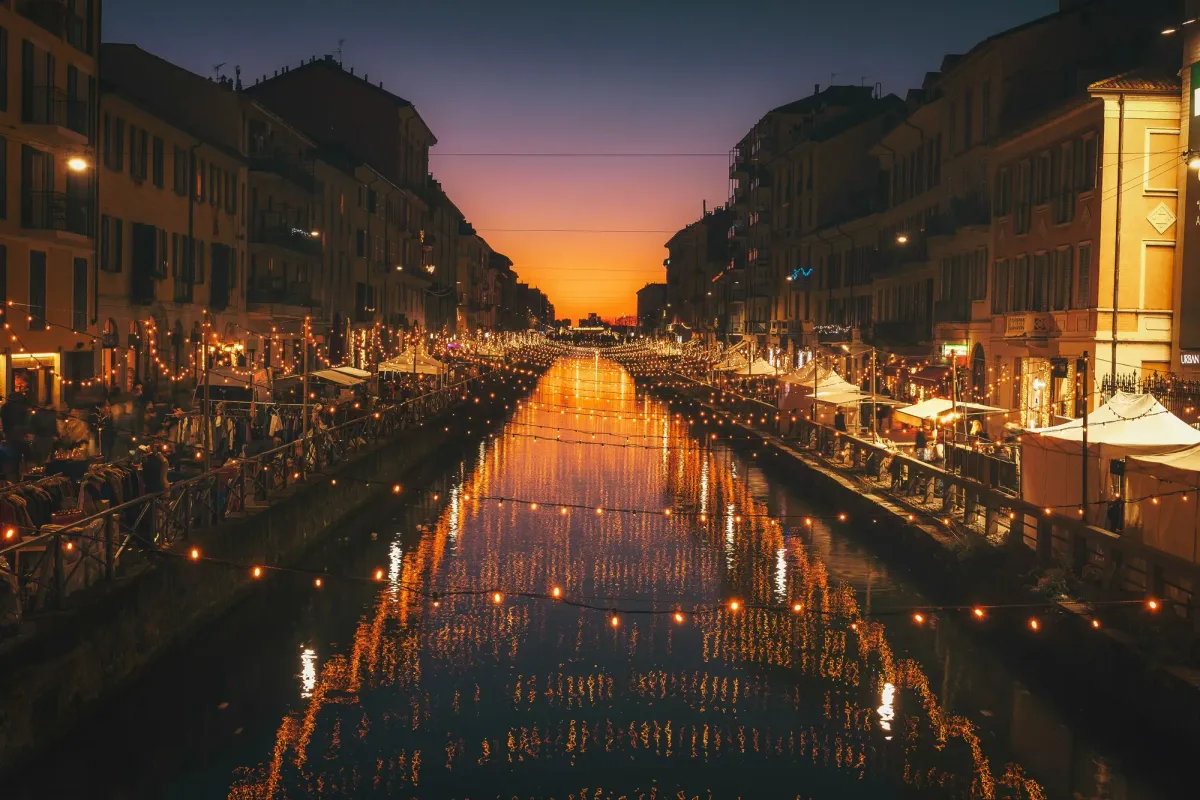
Few people know that Milan was once a city of canals, similar to Venice. The system of waterways (Navigli) was designed, among others, by Leonardo da Vinci, to transport marble for the construction of the Duomo. In the 20th century, most canals were paved over, but two of them – Naviglio Grande and Naviglio Pavese – have been preserved.
The Navigli district is the center of nightlife and youth culture. During the day, antique shops and artists' studios operate here, and in the evening, the embankments turn into one big party.
This is the place to come for an aperitivo. It's a sacred Milanese tradition: from 6 PM to 9 PM, you buy a cocktail (usually an Aperol Spritz or Negroni) for 10-15 euros and get unlimited access to a buffet of snacks. This is the most interesting and budget-friendly way to have dinner and feel like a local.
Piazza Gae Aulenti and CityLife
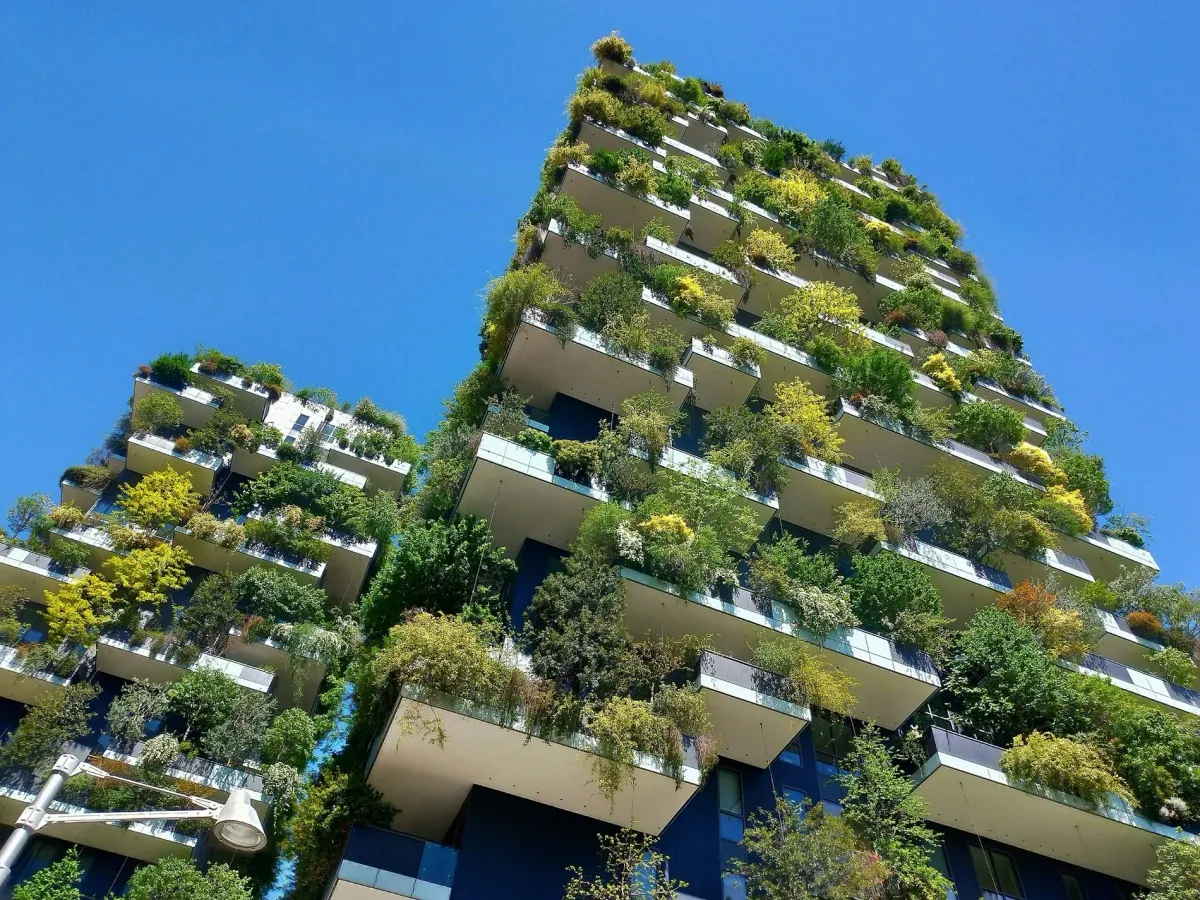
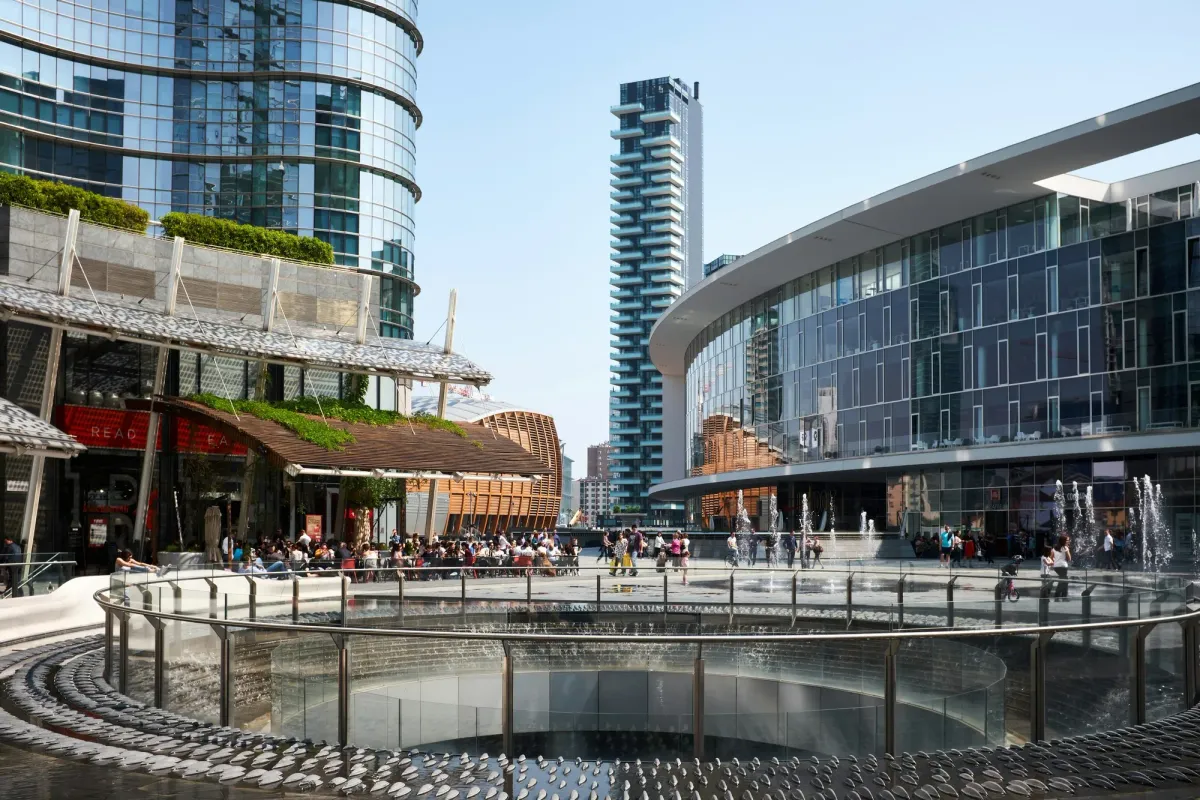
Milan is not stuck in the past. To see its modern face, head to the Porta Nuova district to Piazza Gae Aulenti. This is a futuristic space with skyscrapers, fountains, and elevated walkways.
Here is the famous “Vertical Forest” (Bosco Verticale) – two residential skyscrapers with thousands of trees and shrubs planted on their terraces. This building is recognized as one of the most beautiful and ecological in the world.
Another modern district is CityLife, built on the site of the old fairgrounds. Here stand three towers designed by star architects: Zaha Hadid, Daniel Libeskind, and Arata Isozaki. Milanese call them “The Straight, The Twisted, and The Curved” (Il Dritto, Lo Storto, Il Curvo). Around them are a huge park and a shopping center.
Secret Spots: Milan for the Advanced
If you have already seen the main attractions and are looking for unusual things to see in Milan, here are a few ideas:
- San Bernardino alle Ossa: a church near the Duomo, whose chapel is entirely decorated with human skulls and bones. Creepy, but captivating.
- Villa Invernizzi: a private Art Nouveau mansion with real pink flamingos living in its garden. You can't go inside, but the birds are perfectly visible through the fence.
- Monumental Cemetery (Cimitero Monumentale): sounds strange, but it's a true open-air sculpture museum. Famous Milanese are buried here, and the gravestones are masterpieces of art.
- Pinacoteca Ambrosiana: houses Leonardo da Vinci's “Codex Atlanticus” and Caravaggio's basket of fruit.

What to See in Milan in 1 Day
If you have a layover or only one day in the city, you need to act decisively.
- 09:00: start with the Duomo. Go up to the roof before the tourist crowds arrive. Explore the cathedral inside.
- 11:00: walk through the Galleria Vittorio Emanuele II, spin on the mosaic, and exit towards La Scala theater.
- 12:00: stroll along Via Dante to Sforza Castle. Pass through it into Sempione Park, reaching the Arch of Peace.
- 13:30: lunch. Try Milanese schnitzel (Cotoletta alla Milanese) or saffron risotto.
- 15:00: head to the Brera district. Even if you don't go to a museum, just walk the streets and have a coffee.
- 17:00: take tram #1 or the metro and go to the Navigli district.
- 18:30: grab a table by the canal and enjoy an aperitivo at sunset.
Shopping in Milan
Milan is the world's shopping capital, and it's hard to leave here without making purchases.
- Luxury: “Golden Quadrilateral” (Via Montenapoleone, Via della Spiga).
- Mass-market: Corso Vittorio Emanuele II (right behind the Duomo). Here are huge stores like Zara, Mango, H&M, Bershka.
- Youth fashion and vintage: Corso di Porta Ticinese (near the Columns of San Lorenzo).
- Department stores: La Rinascente (next to the Duomo) – expensive and opulent, with an excellent food market on the top floor offering views of the cathedral spires.
- Outlets: the most famous is Serravalle Designer Outlet. It's not in the city; special buses go there. You need to allocate a whole day for the trip.
Gastronomy: What to Try
Italian cuisine is regional. In Milan (Lombardy), people eat less pasta and pizza, and more rice and meat.
- Risotto alla Milanese: yellow risotto with saffron. Creamy, aromatic, hearty.
- Cotoletta alla Milanese: breaded veal cutlet on the bone, fried in butter.
- Ossobuco: braised veal shank, often served with risotto.
- Panzerotti: fried dough pastries with mozzarella and tomatoes. The most legendary are at Luini bakery near the Duomo (be prepared to queue).
- Panettone: a traditional Christmas cake with candied fruit, originating from Milan. Nowadays, you can buy it year-round in good pastry shops (pasticceria).
Practical Tips
- Transport: Milan has an excellent metro (5 lines, including the new blue M4 line connecting Linate Airport to the center), buses, and old trams. A single ticket is valid for 90 minutes. It's very convenient to pay with a contactless card directly at the metro turnstile.
- Coffee: coffee is drunk at the bar (al banco). If you sit at a table, the price can double (coperto). An espresso costs about 1-1.50 euros.
- Water: drinking fountains (vedovelle – “little widows”) are scattered throughout the city. The water in them is clean and tasty; you can safely fill your bottle.
- August: in August, especially mid-month (Ferragosto), the city empties out. Locals go on vacation, and non-touristy restaurants and shops close.
- Sunday: many shops outside the center may be closed.

And remember, a journey begins with the first step. Perhaps now is the time to check how much tickets to Milan or Saint Petersburg – Milan tickets cost, so you can soon see “The Last Supper” with your own eyes and walk on the roof of the Gothic cathedral.