What to see in Marseille
 Polina
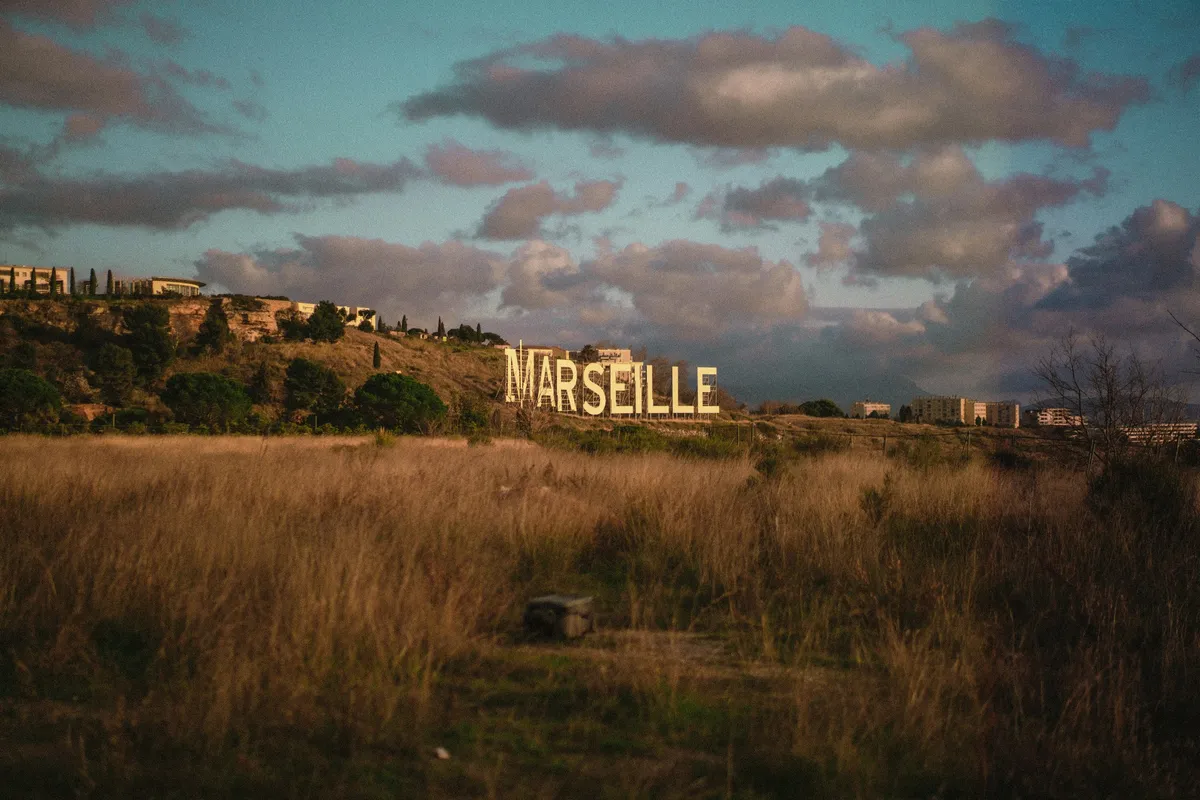
Marseille is a city that either captivates you at first sight with its chaotic charm and salty wind, or bewilders you with its southern bluntness. The oldest metropolis in France, founded by Phocaean Greeks as early as 600 BC, has today become a boiling melting pot of cultures. Here, the aroma of Provencal herbs mixes with the smell of fresh catch, and the cries of seagulls drown out the noise of port cranes.
If you are planning your trip to the shores of the Gulf of Lion, it is most convenient to buy tickets to Marseille on Kupi.com with a layover in Istanbulor Algiers. Another excellent option is to buy tickets to Nice on Kupi.com, from where you can reach Marseille's Saint-Charles station in just two hours by high-speed regional TER train, enjoying the breathtaking panoramas of the French Riviera along the way.
How to get to Marseille
The main transport hub of the region is Marseille Provence International Airport (MRS). It is located 27 kilometers from the city. Comfortable shuttle buses Navette Marseille Aéroport run from the airport to the city center (to the main station) every 15-20 minutes. Tickets can be bought at the ticket office or online, and the journey takes about 30 minutes.
For those who prefer rail travel, Saint-Charles station offers not only convenient connections but also aesthetic pleasure. Its monumental staircase, adorned with statues symbolizing France's colonies, is one of the city's landmarks. High-speed TGV trains will whisk you from Paris in just 3 hours, turning a cross-country journey into a pleasant stroll.
When is the best time to visit Marseille
Marseille is beautiful in its predictability: it boasts over 300 sunny days a year. However, the ideal time for leisurely strolls is late spring (May-June) and early autumn (September-October). During these periods, you'll experience mild Mediterranean warmth (+20-25°C), and the famous Mistral – a cold and sharp northern wind – usually subsides at this time of year.
Summer in Marseille is a test of heat and tourist crowds. Air temperatures often exceed +30°C, and the narrow streets of Le Panier become scorching. However, it's the best time for sea swims. Winter, surprisingly, is mild: even in January, temperatures rarely drop below +10°C, and the bright sun allows you to drink coffee on open terraces while the rest of Europe bundles up in down jackets.
Main attractions of Marseille
Old Port (Vieux-Port)
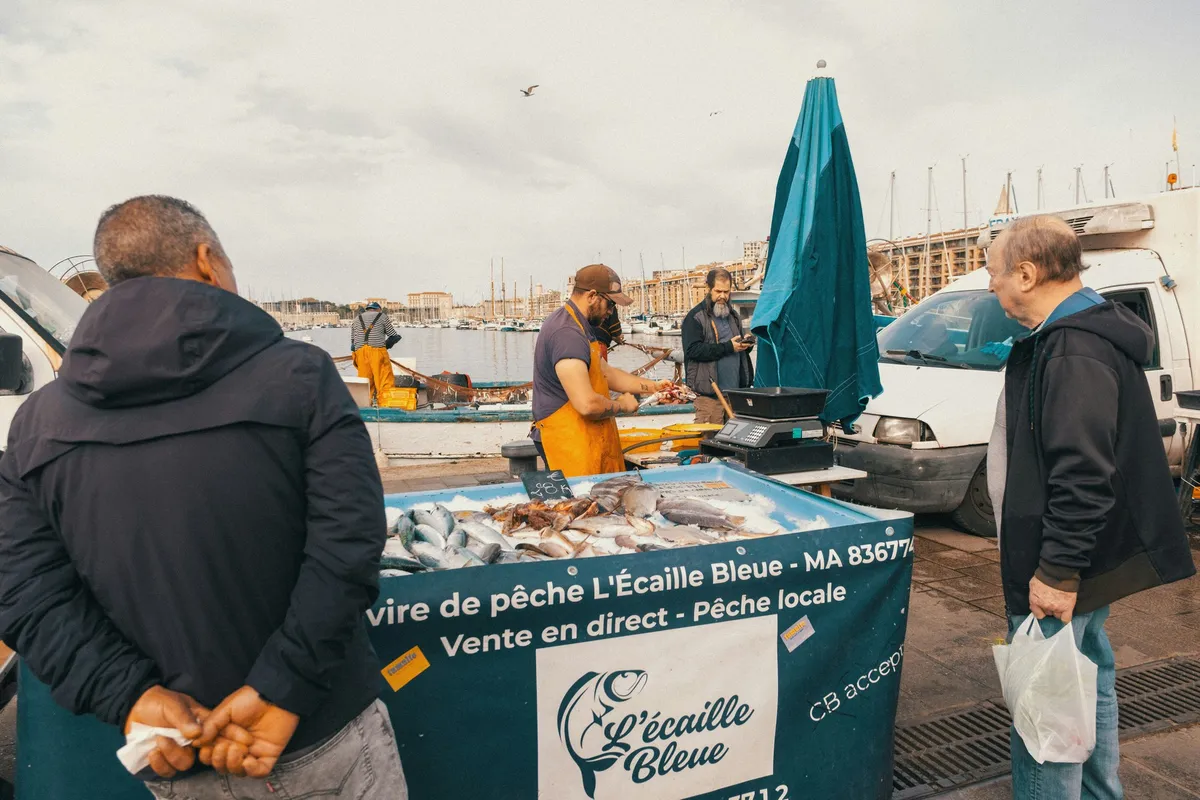
This is the cradle of the city, where life has been pulsating for 26 centuries. The port is now entirely pedestrian (except for buses). Every morning, from approximately 8:00 to 13:00, an authentic fish market operates here. Fishermen moor their boats right by the Quai des Belges and sell monkfish, sea bream, and small fish for soup. The main modern adornment of the port is the mirrored canopy L'Ombrière by architect Norman Foster. Be sure to look up: the steel ceiling reflects all the hustle and bustle of the port, creating the effect of an inverted world.
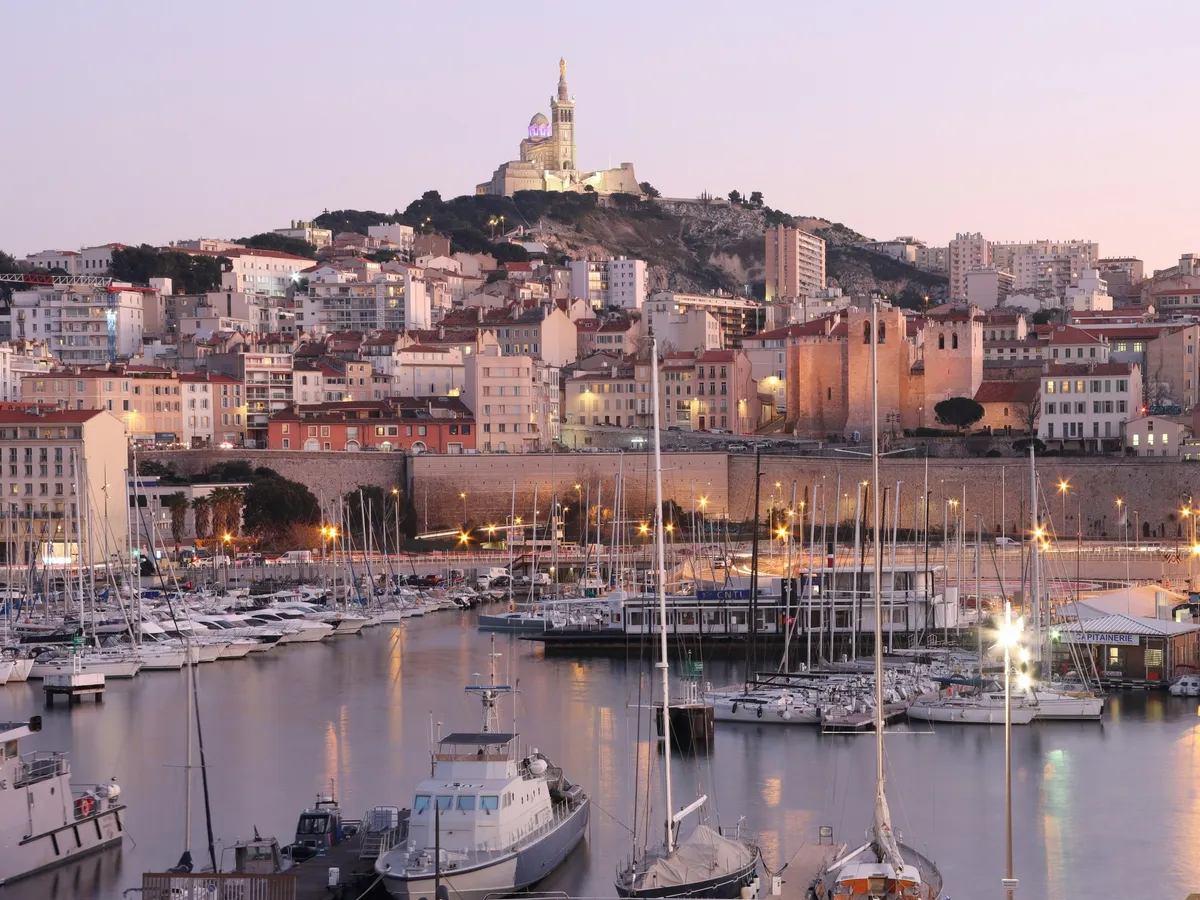
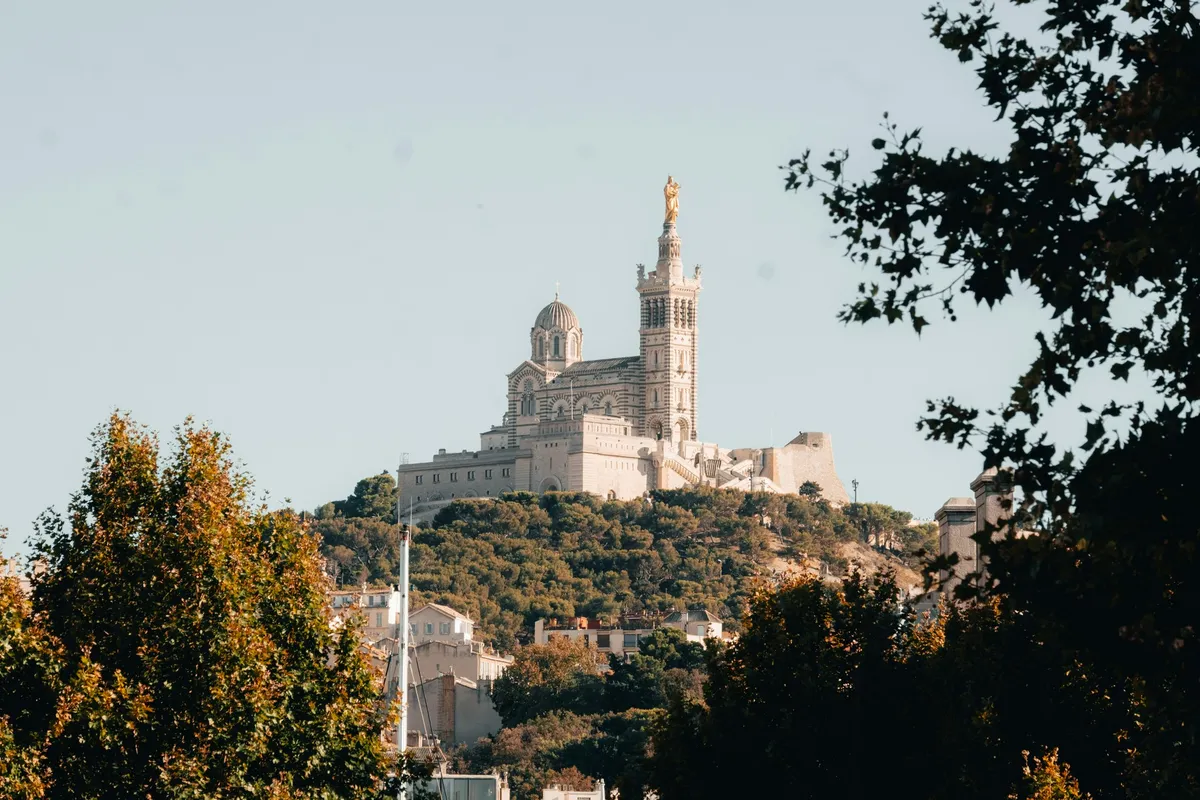
Notre-Dame de la Garde Basilica
Locals call it «La Bonne Mère» (The Good Mother). It rises above the city on a 149-meter high hill. The basilica was built in the mid-19th century in a luxurious Neo-Byzantine style. Its interiors dazzle with an abundance of golden mosaics and striped marble. Pay attention to unusual details: models of sailing ships and airplanes hang under the domes – these are votive offerings from those who were saved at sea or in air disasters. The observation deck at its base is the best spot to view Marseille, from the Vélodrome stadium to the farthest islands.
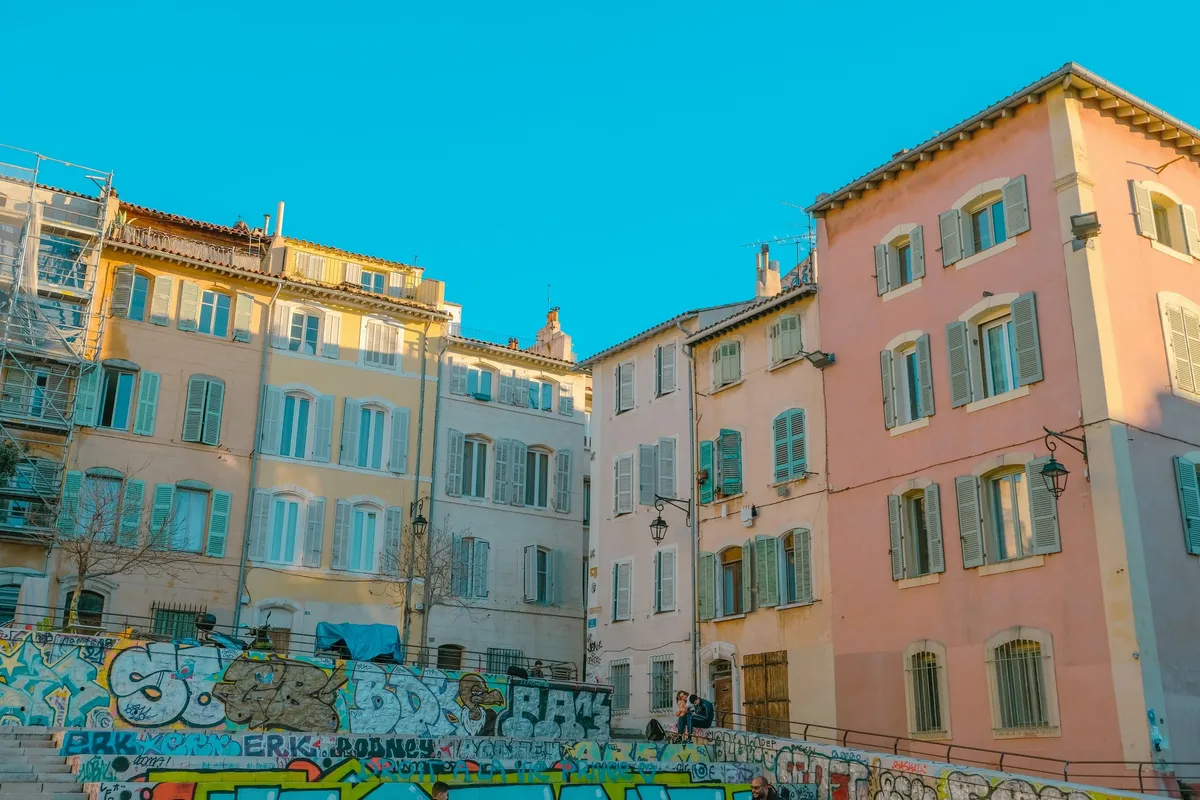
Le Panier Quarter
This is «Marseille's Montmartre», the oldest district, which survived the bombings of World War II. Narrow, steep staircases, laundry hung between houses, geranium pots, and endless street art on the walls create the feeling of a movie set. Here, it's worth visiting Vieille Charité – a 17th-century architectural complex with a beautiful domed chapel, which was once a poorhouse and now houses museums of archaeology and African arts.
Château d'If
A grim fortress on a tiny island, world-famous thanks to Alexandre Dumas' novel «The Count of Monte Cristo». Built in the 16th century to defend against sea attacks, the castle quickly became an ideal prison from which escape was impossible due to strong currents. Today, you can enter «Edmond Dantès' cell» and see the tunnel he dug (which, of course, didn't exist in reality, but legend demands sacrifices). Boats depart from the Old Port every half hour, if the sea is calm.
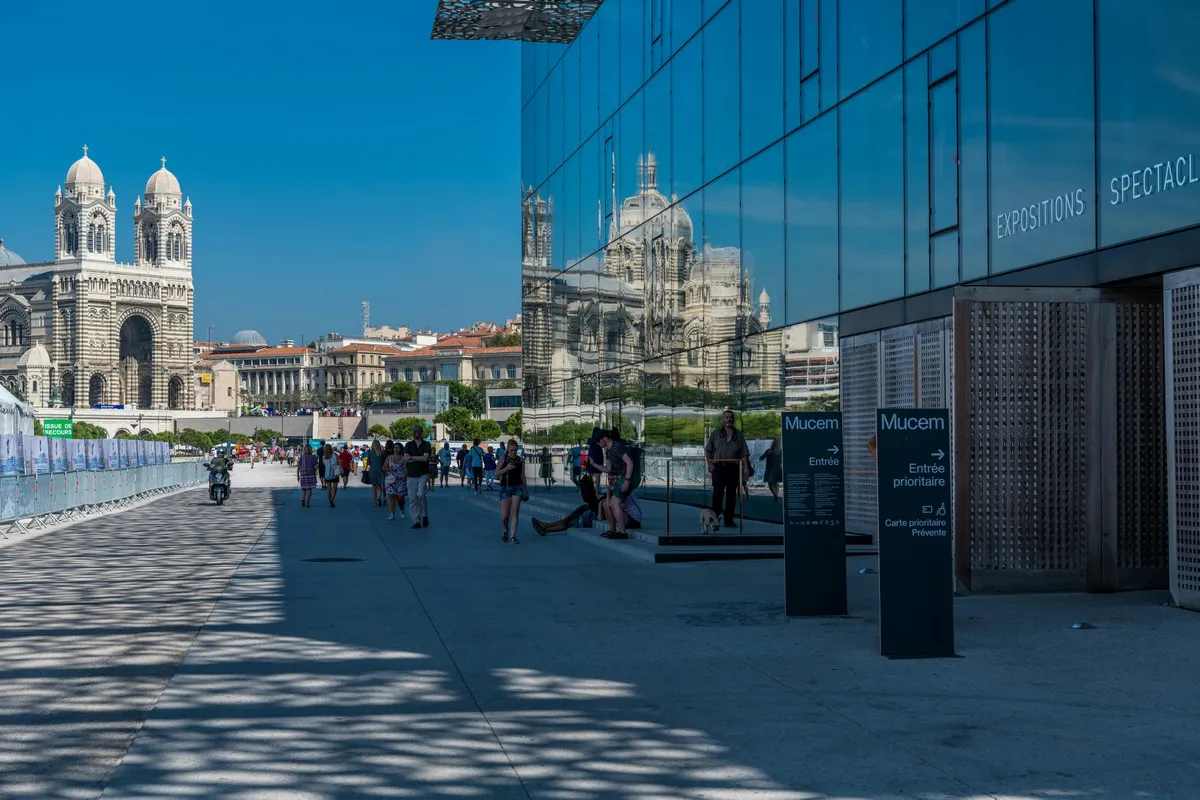
Museum of European and Mediterranean Civilizations (MuCEM)
A futuristic cube designed by Rudy Ricciotti has become a symbol of new Marseille. The building is enveloped in a concrete mesh that filters sunlight, creating whimsical shadows inside. The museum is connected by a thin 115-meter bridge, literally suspended over the sea, to the ancient Fort Saint-Jean. A walk along these passages is free and offers an unforgettable feeling of flying over the water.
What to see in Marseille in one day
If you only have one day, your ideal itinerary looks like this:
Morning: Start with a croissant breakfast at the Old Port. Stroll along the fish stalls.
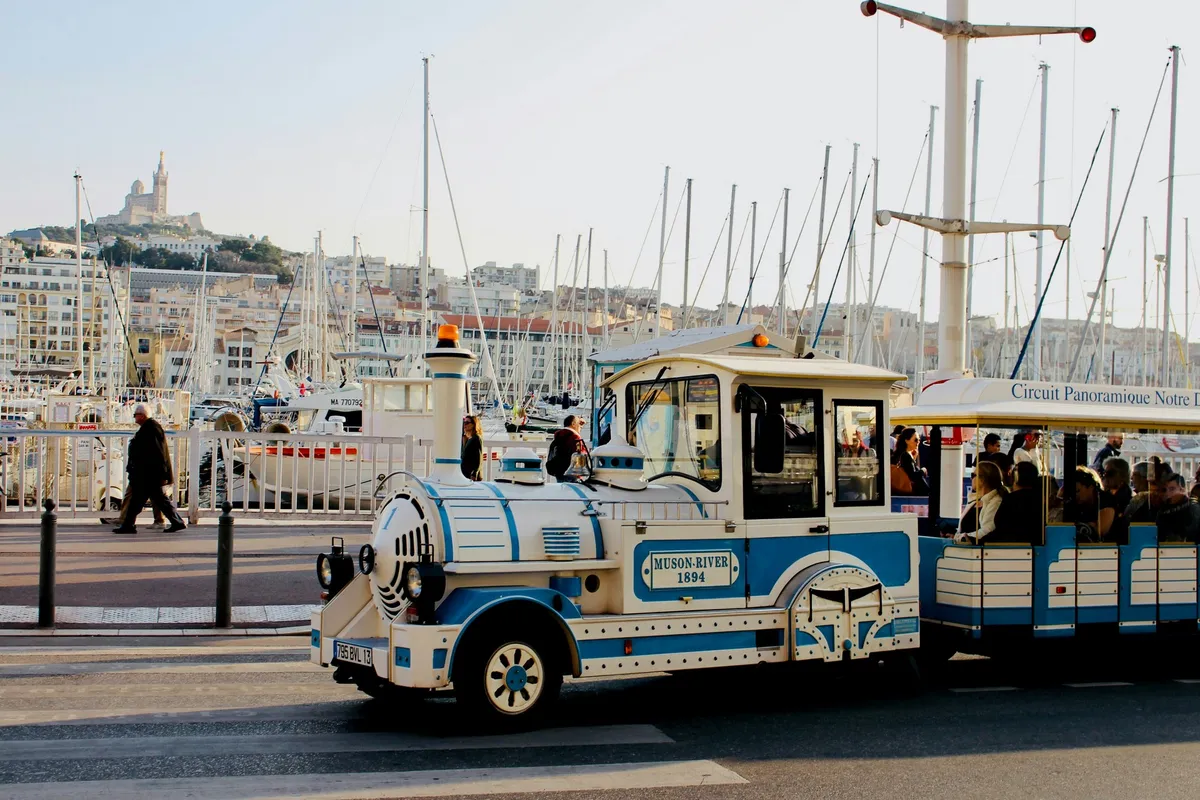
Noon: Take bus №60 or the tourist «little train» (Petit Train) to Notre-Dame de la Garde. This will save your energy for further walks.
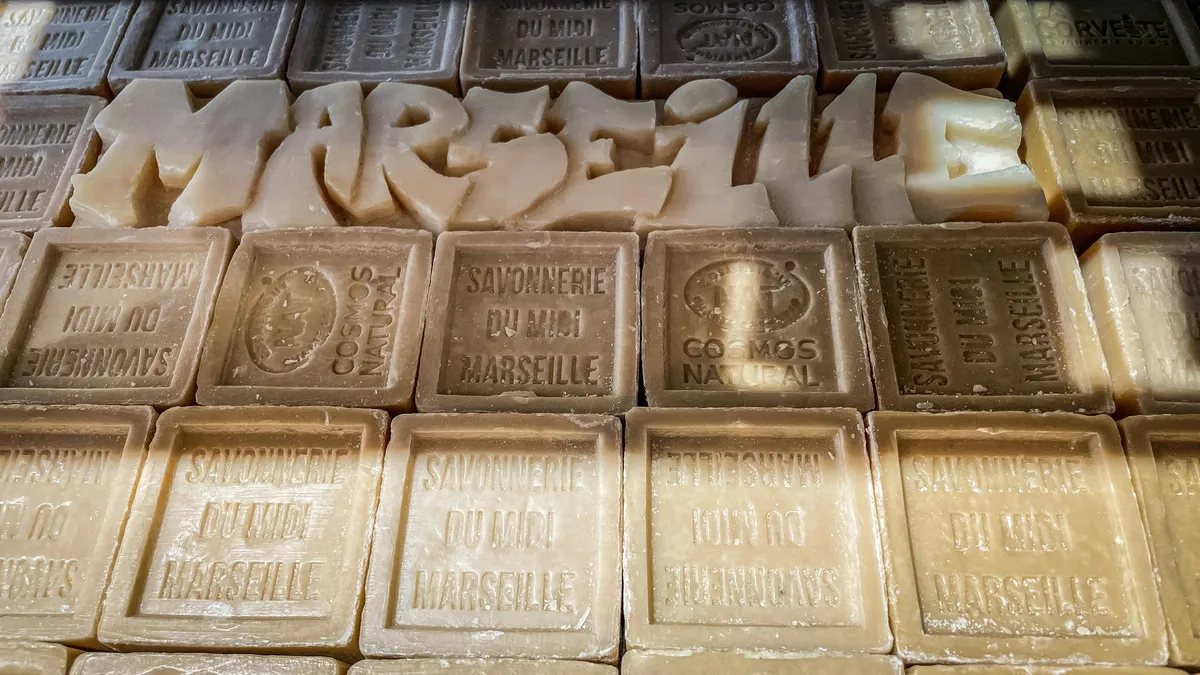
Afternoon: Walk down towards the Le Panier district. Pop into shops for Marseille soap.
Lunch: Try fresh seafood at one of the restaurants in Place Lenche.
Evening: Cross the bridge to MuCEM, stroll through the gardens of Fort Saint-Jean, and end the day with a walk along the Corniche Kennedy, home to the world's longest bench (almost 3 kilometers!).
What to see around Marseille
Calanques National Park (Les Calanques). This is a chain of wild coves with sheer white cliffs and water of an unreal azure color. The most accessible is Calanque de Sormiou, the most photogenic is Calanque d'En-Vau. You can get there either by pleasure boat from the port, or by bus to the outskirts of the city, and then on foot along rocky trails.
Aix-en-Provence. An elegant opposite to Marseille. A city of fountains, plane tree avenues, and aristocratic mansions. Here you should stroll along Cours Mirabeau and try calissons – traditional sweets made from almonds and melon.
Cassis. A small fishing village nestled between high cliffs. Cassis is famous for its vineyards and white wine, which pairs perfectly with local fish.
Transport in Marseille
The RTM transport network includes two metro lines, three modern tram lines, and about a hundred bus routes. The metro operates until 1 AM, which is convenient for evening strolls. A special treat is the water shuttles (Navettes Maritimes). From April to September, they run from the Old Port to the Estaque and Pointe Rouge districts. For a small price, you get a full cruise with views of the city and islands. There are also many Le Vélo bike rental stations scattered throughout the city.
Where to eat in Marseille
Marseille cuisine is a hymn to the sea.
Bouillabaisse. The main specialty. This is a complex soup made from at least five types of fish. By tradition, the broth is served separately with croutons and a spicy garlic sauce «rouille», while the fish is served on a separate platter. Look for establishments with the «Bouillabaisse Charter» emblem to avoid tourist imitations.
Pizza. Marseillais eat pizza more often than Parisians eat baguettes. The influence of Italian immigration here is immense, and wood-fired ovens are found in almost every cafe.
Chouquettes and Navettes. Sweet tooths should visit the oldest bakery Four des Navettes for boat-shaped biscuits that smell of orange blossoms.
What to bring from Marseille
Marseille soap. A traditional 600-gram cube should consist of 72% vegetable oils (usually olive oil). It is hypoallergenic and smells of cleanliness, not perfume.
Pastis. An anise-flavored liqueur with an alcohol content of 45 degrees. It is traditionally drunk before lunch, diluted with cold water in a 1:5 ratio.
Santons. Hand-made clay figurines depicting not only biblical characters but also typical residents of Provence: bakers, fishermen, and market women.
Lavender. Sachets with dried flowers from the neighboring Luberon will delight you with the scent of Provence long after your return.
Marseille is a city of contrasts, noisy and incredibly charismatic. Give it a chance, look beyond the facade of tourist trails, and it will reveal its true southern heart to you.