What to see in Lisbon
Portugal is a pretty cool idea if you've already visited other popular European countries or if you want to take your first steps in Europe with something unconventional.
We've compiled a guide to the capital's cool spots, Lisbon, where you definitely need to go, where to eat, and also put together an itinerary that will make your trip rich and certainly add flavor. Let's fly!
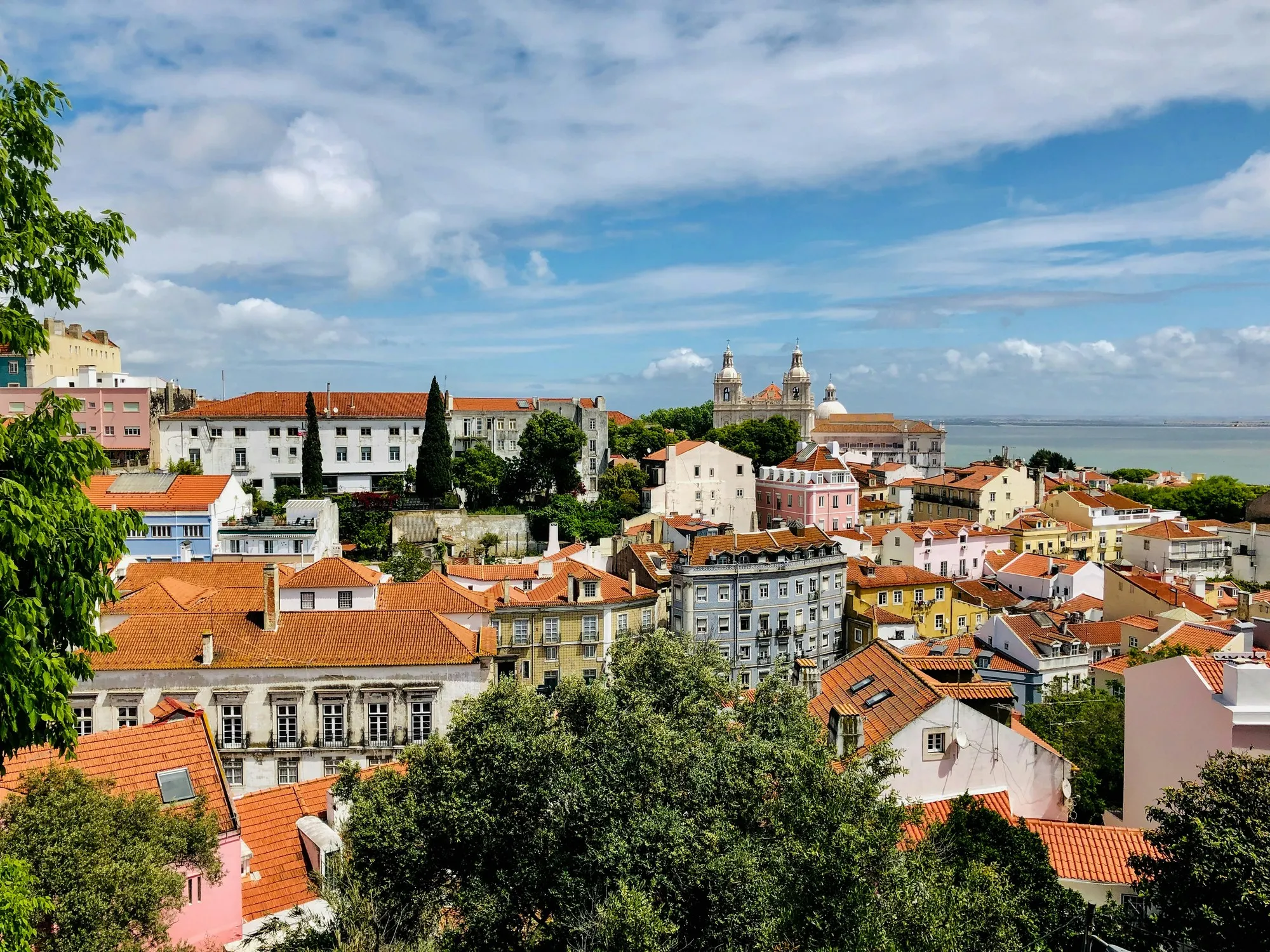
How to get to Lisbon
If you are buying tickets from Moscow to Lisbon, keep in mind that direct flights have not yet been restored as of September 2025. In any case, you will have at least one layover in Istanbul or Dubai if you are flying from Russia.
When to go to Lisbon and what the weather is like
The most favorable time for travel is the off-season. In spring, the average temperature is around +16 degrees Celsius: an ideal time for walking. In autumn, there's a pleasant afterglow from the hot summer — a comfortable +22 degrees Celsius, which will allow you to visit all the local attractions without expending much energy. In summer, the thermometer can reach up to +35 degrees Celsius during the day at the peak of the season, so if you want to go to Portugal in July, you'll likely explore the capital in "short bursts" in the morning and evening. In winter, despite the seemingly mild +15 degrees Celsius, the rainy season begins, making it an excellent choice for fans of classic St. Petersburg weather.
Lisbon Attractions
Lisbon Cathedral
The first spot for a walk — and immediately a greeting from ancient centuries. The local cathedral was founded in 1150. It survived earthquakes, changes during conquests by various peoples — until the 12th century, the building was intended for Muslim services. Such a rich history has made the building's architecture very eclectic, but no less attractive.

Belém Tower
Belém Tower was erected at the beginning of the 16th century as a defensive structure and as a "gateway" to Lisbon during the Portuguese Age of Discoveries. The building's exterior combines Moorish architecture and Gothic style. From the 16th to the 18th centuries, Belém was used as a prison, and in 1983, the tower was inscribed on the UNESCO World Heritage list.

Carmo Convent
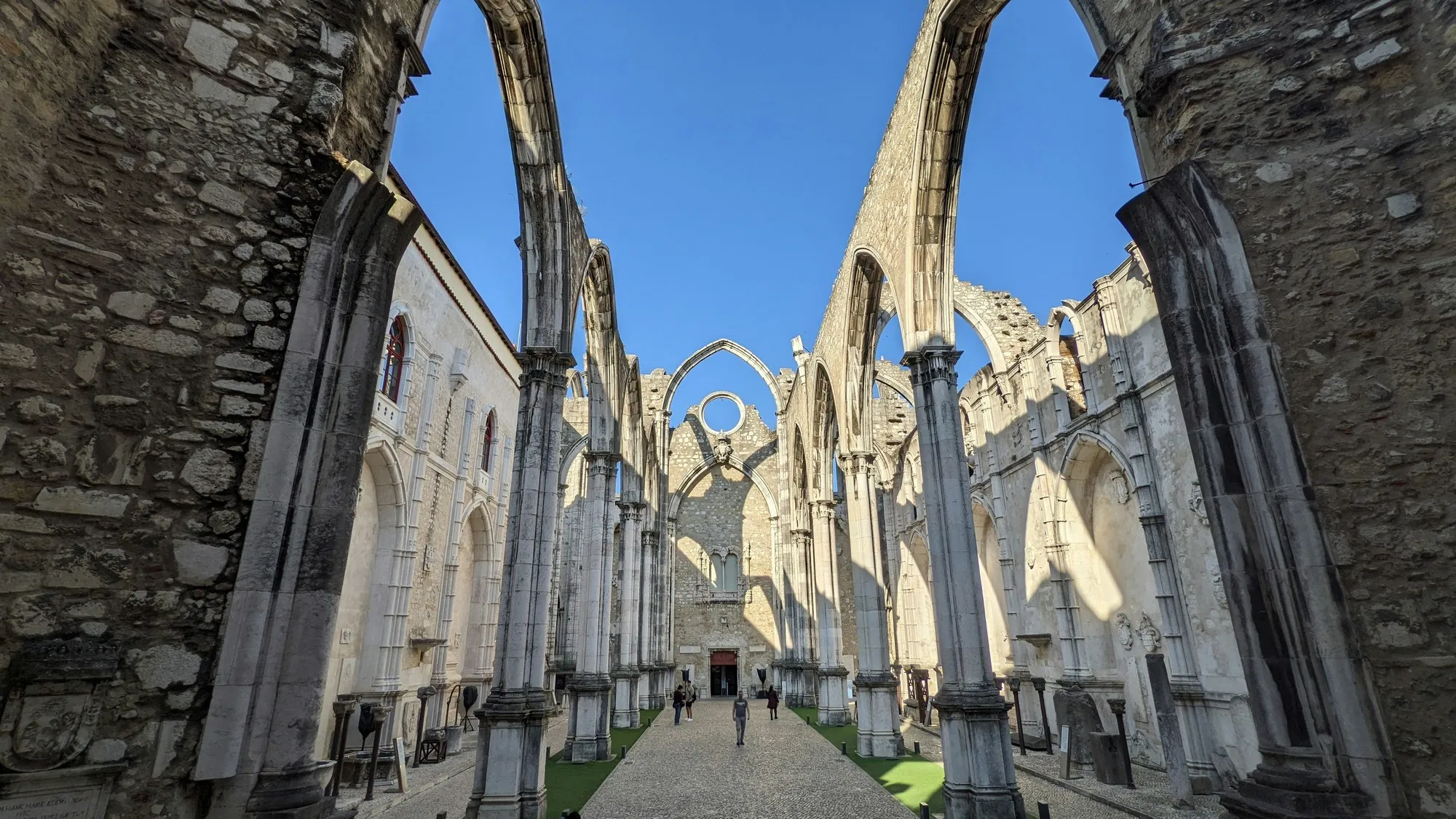
Visiting Carmo Convent today, tourists can explore the archaeological museum, which houses ancient utensils, jewelry, fragments of burial slabs, and other objects important to Portuguese history. In 1407, the first divine service was held in this Gothic-style monastery. In the mid-18th century, a powerful earthquake almost destroyed the building, but half a century later, it was reconstructed. And today's appearance of the monastery, despite such hardships, still attracts crowds of travelers to its walls.
Museum of the Orient
A great location for those who wanted to go to Asia but ended up in Europe. The Museum of the Orient is a vast treasure trove of art objects from Eastern countries. Textiles, ceramics, furniture, rare jewelry, and other objects are preserved within its walls. Of course, no one planned to overlook Portugal — there is a separate hall dedicated to the country's presence in Asia and the Age of Discoveries.
Eduardo VII Park
In 1903, King Edward VII of England arrived in Portugal, and the largest city park, Liberty Park, was renamed in honor of the partnership alliance between the two countries. This is a beautiful green area, now featuring lawns, a carp pond, and picturesque greenhouses. Be sure to stop by if you want to comfortably sit on the grass!

Lisbon Zoo
This legendary zoo, the first on the Iberian Peninsula, opened in 1884. Since then, the number of inhabitants has grown — over 300 animal species live here. In the zoo, you can find peacocks, a giraffe, a reptile zone, and even a dolphinarium. In short, the zoo is a must-visit for those looking for what you definitely need to see in Portugal.
What to see near Lisbon
Sintra
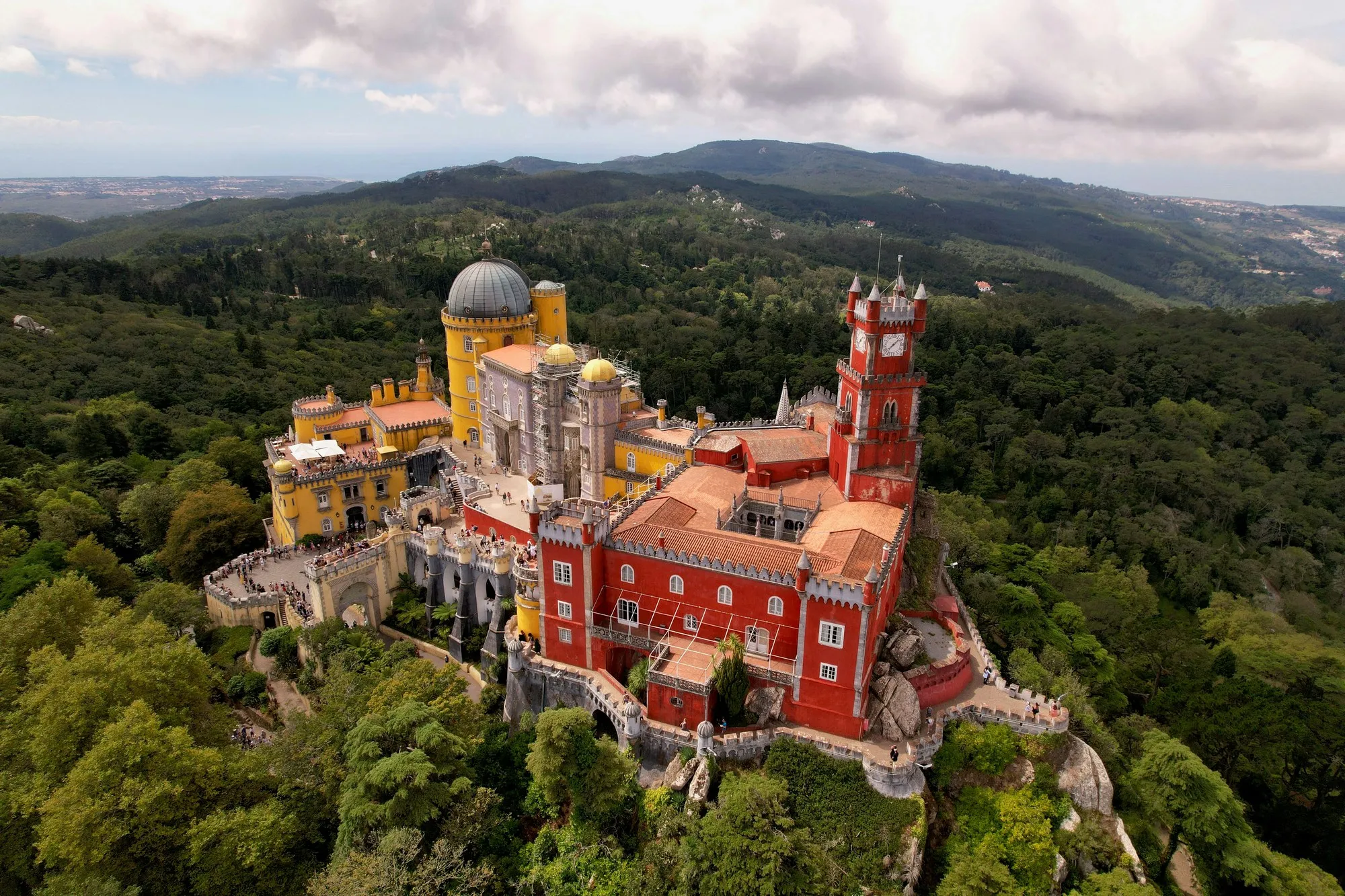
Sintra is a charming nearby town, where tourists are often taken on excursions from Lisbon. It's best to come here for at least a day to walk through the cozy courtyards and climb all the beautiful cliffs. Must-visits in Sintra include the National Palace, the Moorish Castle, and Grande Beach, which is often frequented by wind sports enthusiasts.
Óbidos
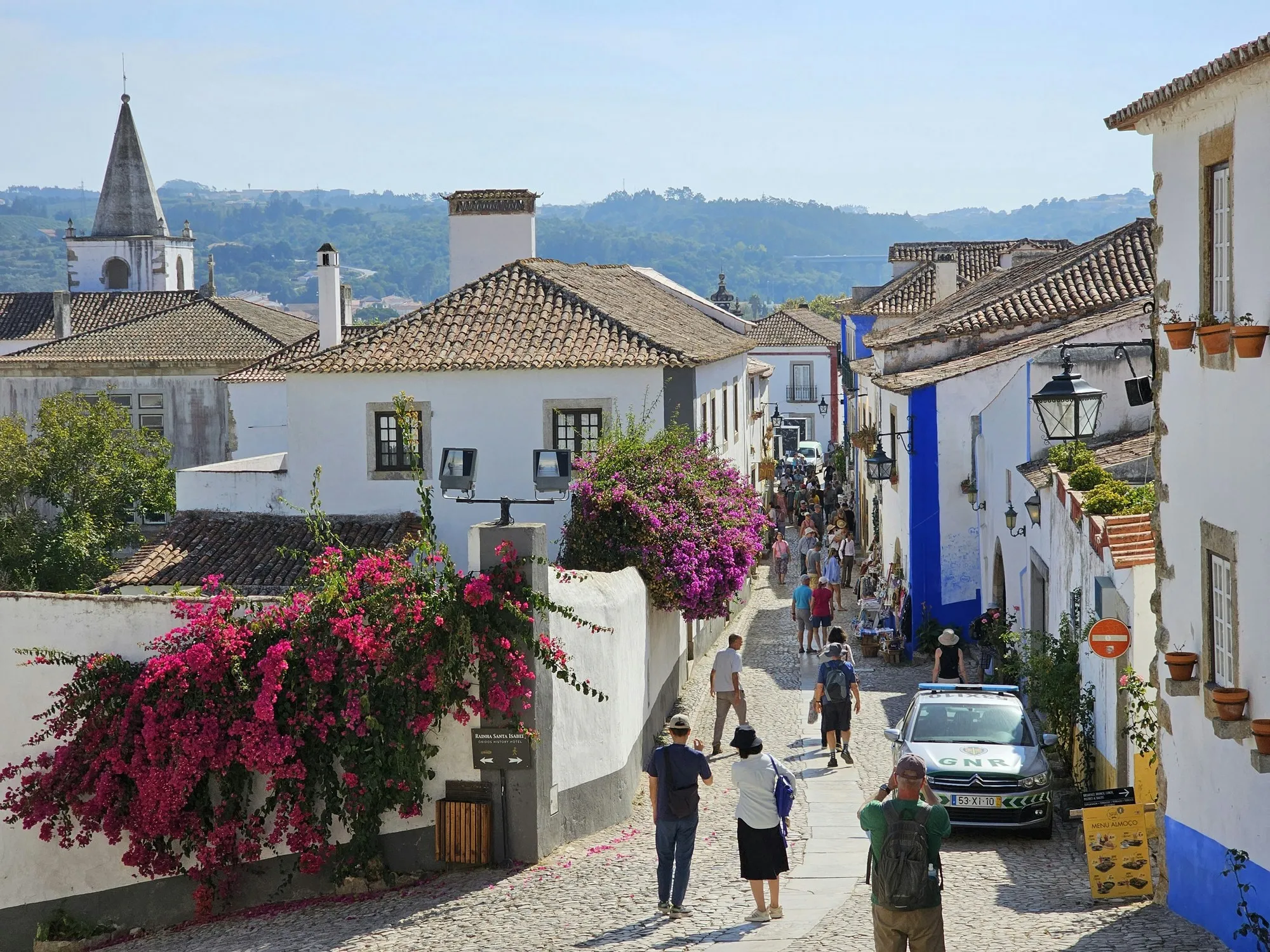
The oldest town in Portugal, founded by Celtic tribes. Be sure to come here by car — heading here, you can count on the best car route. Óbidos is located just an hour's drive from Lisbon. Must-visits include the castle of the same name, the Church of St. John the Baptist, and the cobbled streets with charming cafes serving national cuisine. You definitely need to try the cherry liqueur here!
Alcochete
No bad associations! From Portuguese, the name of this town translates as "oven." The fact is that ancient clay ovens, believed by specialists to have been created during Roman times, were found here during excavations. It is definitely worth visiting the following locations: the Tagus River estuary, home to flamingos and herons, the Samouco salt pans, and the Barrocas quarter.
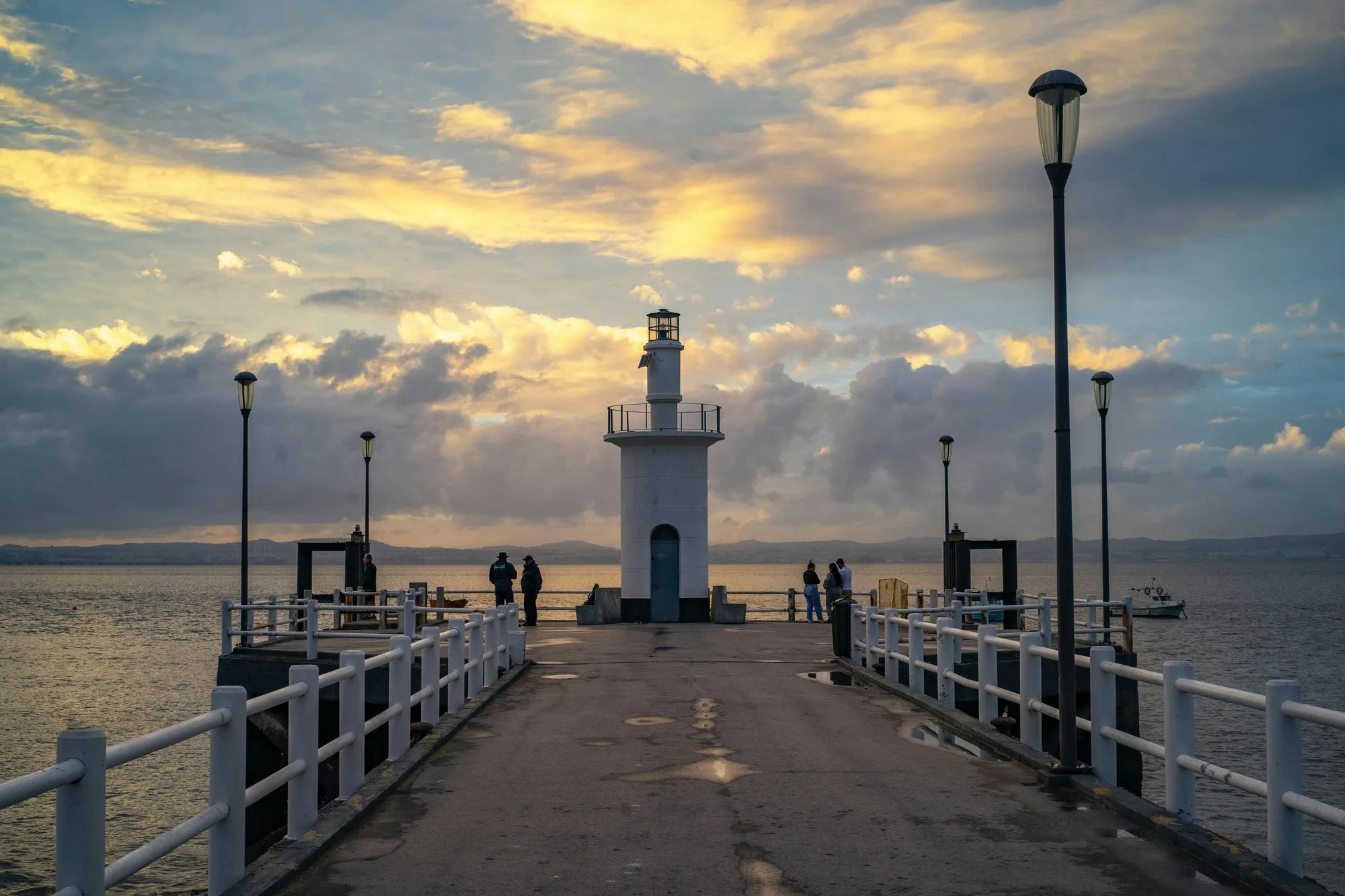
Comporta
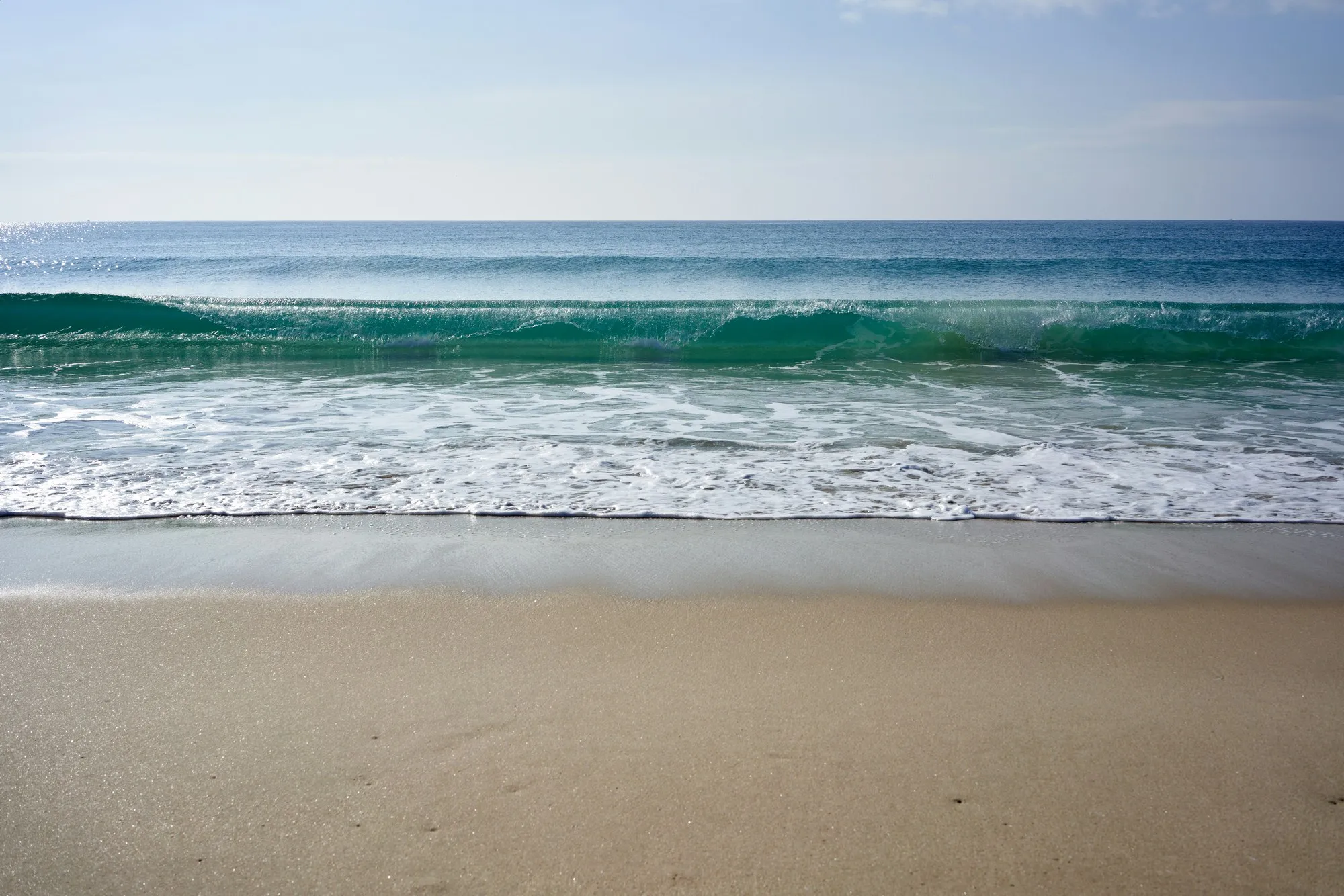
A cozy resort on the western coast of Portugal, where pine trees grow and rice fields stretch. The local sandy beach even received a "Blue Flag" award for its exceptional beauty and cleanliness. People come here to see dolphins, visit a local winery, and simply relax on the beach.
Where to eat
Time to grab a bite! If you're in Lisbon, be sure to check out these places:
- Jam Club — a gastropub with the best seafood and cocktails;
- Adega das Gravatas — a restaurant where you must try grilled octopus and the local dish bacalhau (salted cod);
- Time Out Market — a popular food court in Lisbon. You come and choose what you like. They serve both familiar European cuisine and Portuguese dishes;
- Fauna&Flora — a cozy establishment serving some of the best breakfasts in the city. However, it's best to arrive early — queues can be long.
Where to stay
It's time to figure out which neighborhood is best to stay in. Lisbon is a city where both party-goers and those who love to drink coffee on a balcony will find a place. Here are the most interesting neighborhoods:
- Alfama — the oldest district of the city with cozy cobbled streets. Wherever you settle, there will always be a good cafe with local cuisine and iconic attractions nearby;
- Mouraria — a district in the old part of Lisbon, located on the hills. There are no crowds of tourists here, but it's perfect for experiencing authentic Portuguese life;
- Baixa — the most popular district among tourists. Classic avenues, residential buildings clad in charming tiles. Convenient for constant movement;
- Bairro Alto — a district with an incredible number of bars, constantly many people, and a great chance to socialize with locals and foreigners. Probably not suitable if you love peace and quiet;
- Príncipe Real. A location for those who craved a rich life and got it! It is considered a fashionable district with chic restaurants, huge malls, and even cultural attractions.

What to bring from Lisbon
- cork products — wallets, bags, decor, and even furniture are made from this eco-friendly material;
- azulejo tiles with white and blue colors — a traditional souvenir from Portugal, which always looks colorful. An ideal interior decoration.
- natural leather shoes — always a great gift for many years if you know the exact shoe size of your loved one.
- local wine — for example, fresh Vinho Verde or dessert wine Moscatel.
One-day itinerary for Lisbon
We start our journey with the Lisbon Oceanarium, the largest in Europe. Sea otters, sharks, giant jellyfish, anemones, and even penguins coexist here. Next, we head for a hearty breakfast at Fauna & Flora Chiado — they have an excellent menu for those who enjoy diverse food. The next stop is the Carmo Archaeological Museum, where you can easily grasp the essence of Portuguese history and see objects that cannot be found anywhere else. We stroll through the district, take a break in Eduardo VII Park, and conclude our journey at the Belém Tower.
We wish you a great trip and the freshest seafood!