What's the difference between carry-on baggage and personal items
 Polina
At the airport, you can often witness drama: a passenger trying to cram a bulky backpack into the sizer, putting on three sweaters, and arguing with an airline employee over a laptop. The reason for these tense scenes is confusion in terminology.
Many travelers believe that “carry-on baggage” is everything they take into the cabin. In reality, airlines clearly distinguish between two concepts: “Carry-on Baggage” (Carry-on) and “Personal Item” (Personal item). Understanding this difference will save you from 2 to 5 thousand rubles in gate fines. Let's figure out what's what and how to fly comfortably without overpaying.
What is Carry-on Baggage
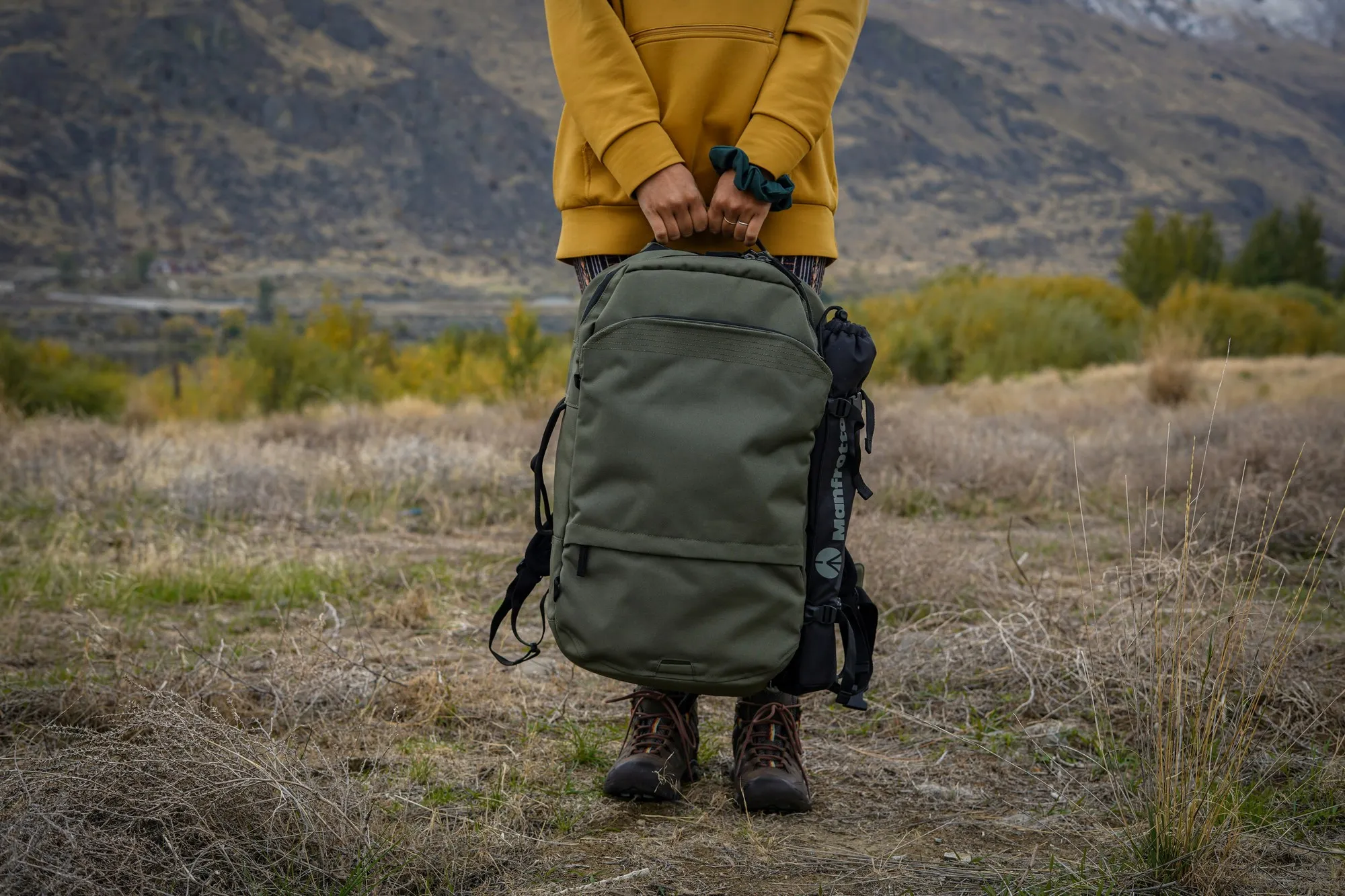
This is your main bag that flies with you in the cabin, not in the cargo hold.
- Where it's placed: on the overhead bin shelf (Overhead bin).
- Standard dimensions: usually a small suitcase (cabin size) or a sports bag approximately 55×40×20 cm.
- Weight: most often up to 10 kg (for S7, Aeroflot, Utair). For some foreign companies – up to 8 kg.
- Purpose: these are your travel items (clothes, shoes, toiletry bag).
What are Personal Items
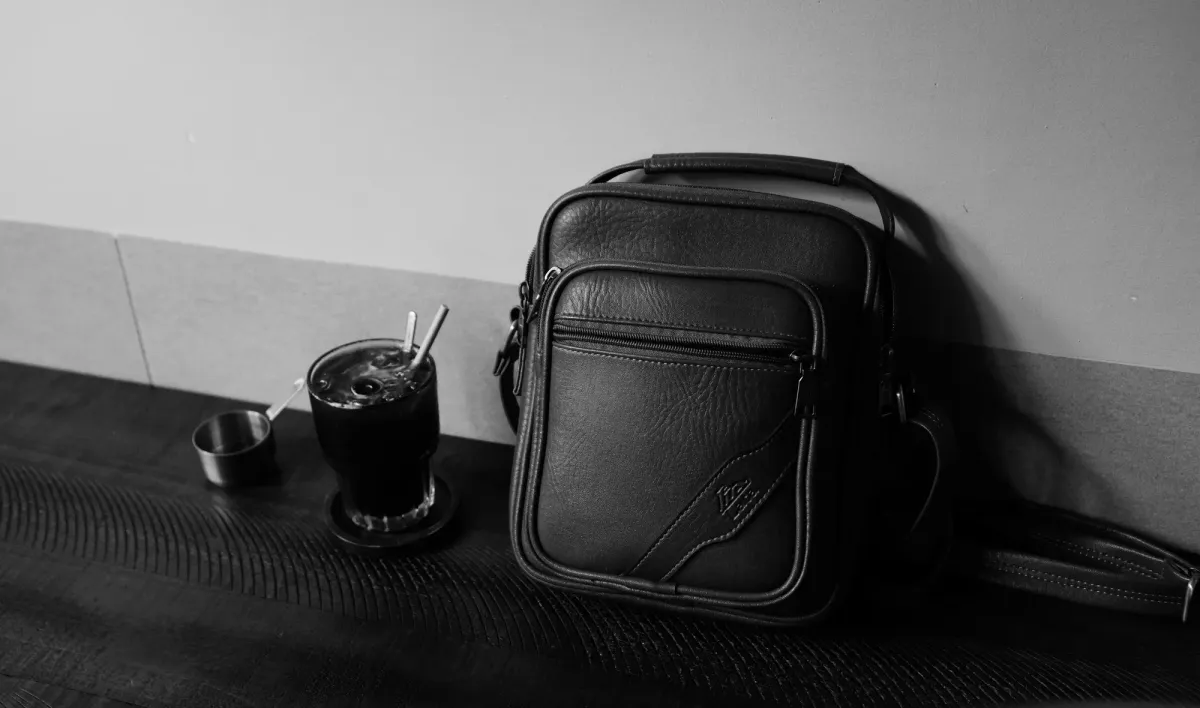
These are additional items that you can take into the cabin free of charge, in addition to your carry-on allowance.
- Where it's placed: strictly under the seat in front.
- Standard dimensions: a small backpack, handbag, or briefcase. Approximate size – 40×30×20 cm (the size of an average city backpack).
- Weight: usually up to 3-5 kg, but often it's not weighed at all if the item visually appears compact.
- Purpose: items you might need during the flight (documents, wallet, book, laptop, medications).
Key Difference: The '1+1' Rule
Most traditional airlines («Aeroflot», S7, Turkish Airlines, Emirates) follow the rule: 1 piece of carry-on baggage (suitcase for the overhead bin) + 1 personal item (backpack under the seat) = free.
This means you can board the plane with a small wheeled suitcase and a handbag/backpack on your shoulder.
Nuances of Federal Aviation Regulations (FAR)
In Russia, there is a “sacred list” of items that a passenger is allowed to carry into the cabin free of charge, in addition to the carry-on allowance (according to FAR-82). Airlines do not have the right to prohibit you from taking these with you:
- Backpack, handbag, or briefcase (with items placed inside).
- Bouquet of flowers.
- Outerwear.
- Baby food for the child during the flight.
- Suit in a garment bag.
- Child restraint device (bassinet, stroller), if they fit on the shelf or under the seat.
- Medications and dietary food for the duration of the flight.
- Crutches, canes, walkers (if you need them).
- Duty Free items (in a sealed bag).
Important: a laptop, camera, or umbrella are not formally included in this list as separate items. It is assumed that they should be inside your backpack or briefcase.

Low-cost Carrier Trap: Pobeda and Smartavia
If you decide to profitably buy tickets to Kaliningrad on Kupi.com on a low-cost carrier flight (Pobeda, Smartavia, or foreign Ryanair, Wizz Air), forget the '1+1' rule.
For low-cost carriers, as a rule, the concepts of 'carry-on baggage' and 'personal items' merge into one.
- Pobeda: everything you take into the cabin (backpack, bag, laptop, food package, umbrella) must simultaneously fit into the sizer 36×30×27 cm. The lid must close. If it doesn't fit – you pay. There is virtually no distinction between 'carry-on' and 'personal items' here.
- Smartavia: similar system. There is an allowance (10 kg), but the dimensions are strict (40×30×20 cm). Everything must fit into the sizer.
How not to make a mistake: Checklist
- Read the fare. When you search for tickets for the Moscow – Saint Petersburg route, pay attention not only to the price but also to the baggage icon.
- Laptop – a stumbling block. If you're flying with Pobeda, the laptop must fit into the sizer (even without a case). With Aeroflot, a laptop in a thin case is usually forgiven beyond the allowance, but it's better to put it in your backpack.
- Backpack instead of a suitcase. A soft backpack is the king of travel. Unlike a rigid suitcase, it can be 'compressed' with straps to fit into the sizer frame if questions arise.
- Duty Free bag. For most airlines, Duty Free bags are in addition to the allowance. But some foreign low-cost carriers (e.g., Wizz Air) may require you to put this bag inside your single bag. If it doesn't fit – they'll make you pay.
Summary:
- Flying with a traditional airline? Take a small suitcase (for the overhead bin) + a backpack (for under your feet).
- Flying with a low-cost carrier? Take one backpack that will fit into their measuring box.
Knowing these rules, you'll pass through the gate with a smile, while others frantically put on three sweaters.